.png?x-oss-process=image/resize,h_100,m_lfit/format,webp)

.png?x-oss-process=image/resize,m_lfit,w_200/format,webp)


.png?x-oss-process=image/resize,h_2000,m_lfit/format,webp)

.png?x-oss-process=image/resize,h_2000,m_lfit/format,webp)




As enterprises prepare for Q4 2026, the central GEO question is no longer simply how to publish more AI-oriented content. It is how to make accurate business evidence easy for search engines and AI systems to discover, retrieve, interpret, compare, and cite.
ABKE describes this direction as a shift from isolated content optimization toward evidence retrieval engineering: the coordinated design of enterprise knowledge, source signals, website accessibility, citation-ready pages, distribution channels, and measurement workflows. This is a planning framework rather than a prediction of guaranteed rankings or recommendations.
What evidence retrieval engineering means for GEO
Traditional content optimization often begins with a keyword or publishing target. Evidence retrieval engineering begins with a different set of questions: What does the company actually know? Which claims can it substantiate? Where is that information published? Can machines access and interpret it? Is the same entity described consistently across languages and channels? Can performance be connected to qualified inquiries and commercial outcomes?
For an export-oriented B2B company, the evidence may include product specifications, manufacturing capabilities, application conditions, certifications, quality procedures, project experience, delivery processes, technical FAQs, service boundaries, and expert explanations. These materials become useful GEO assets only when they are accurate, structured, accessible, and matched to real buyer questions.
Working definition: Evidence retrieval engineering is the practice of organizing verifiable enterprise information so that search engines, AI platforms, buyers, and sales teams can retrieve the right evidence for a specific question and understand its context.
Six priorities for Q4 2026 planning
Build structured knowledge before scaling content
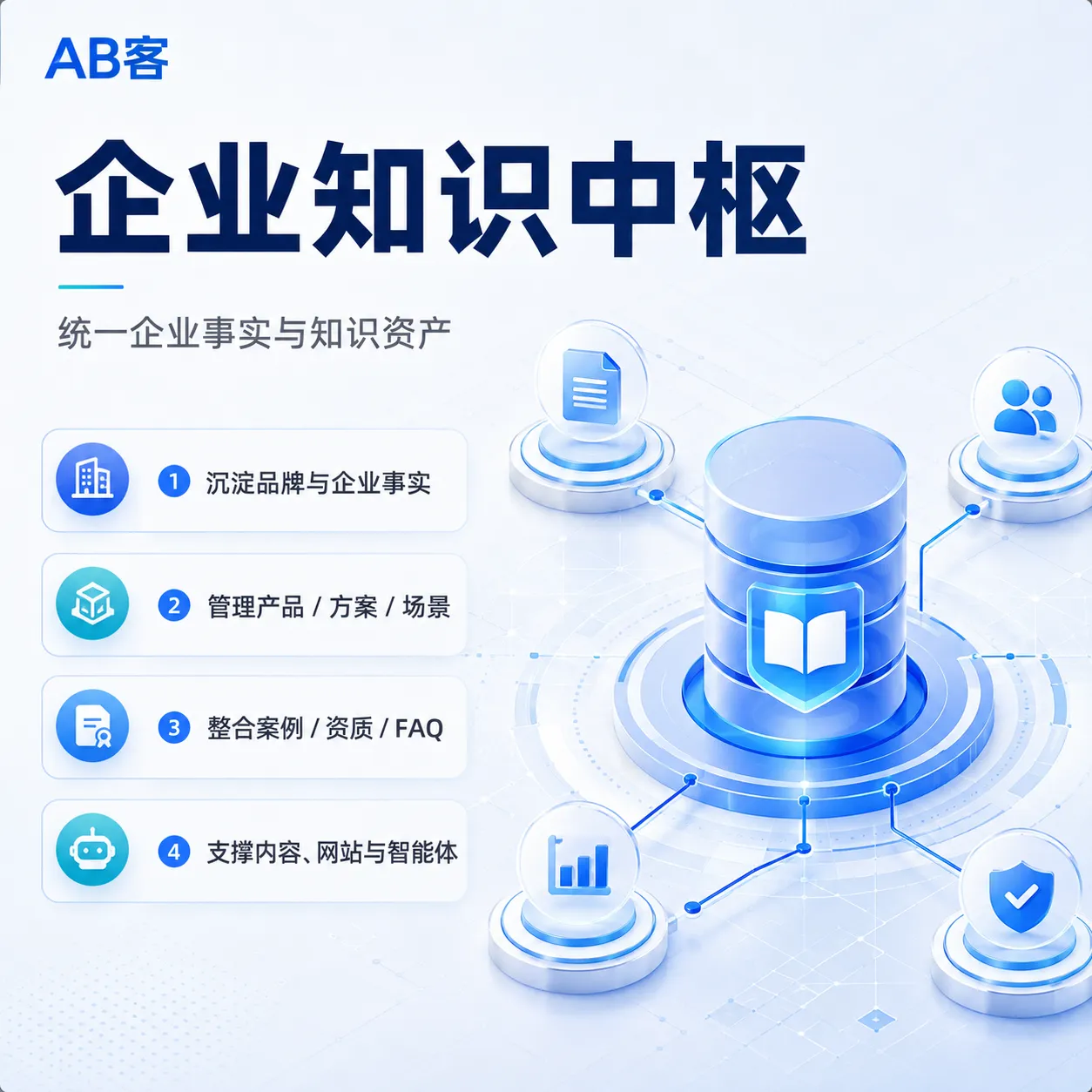
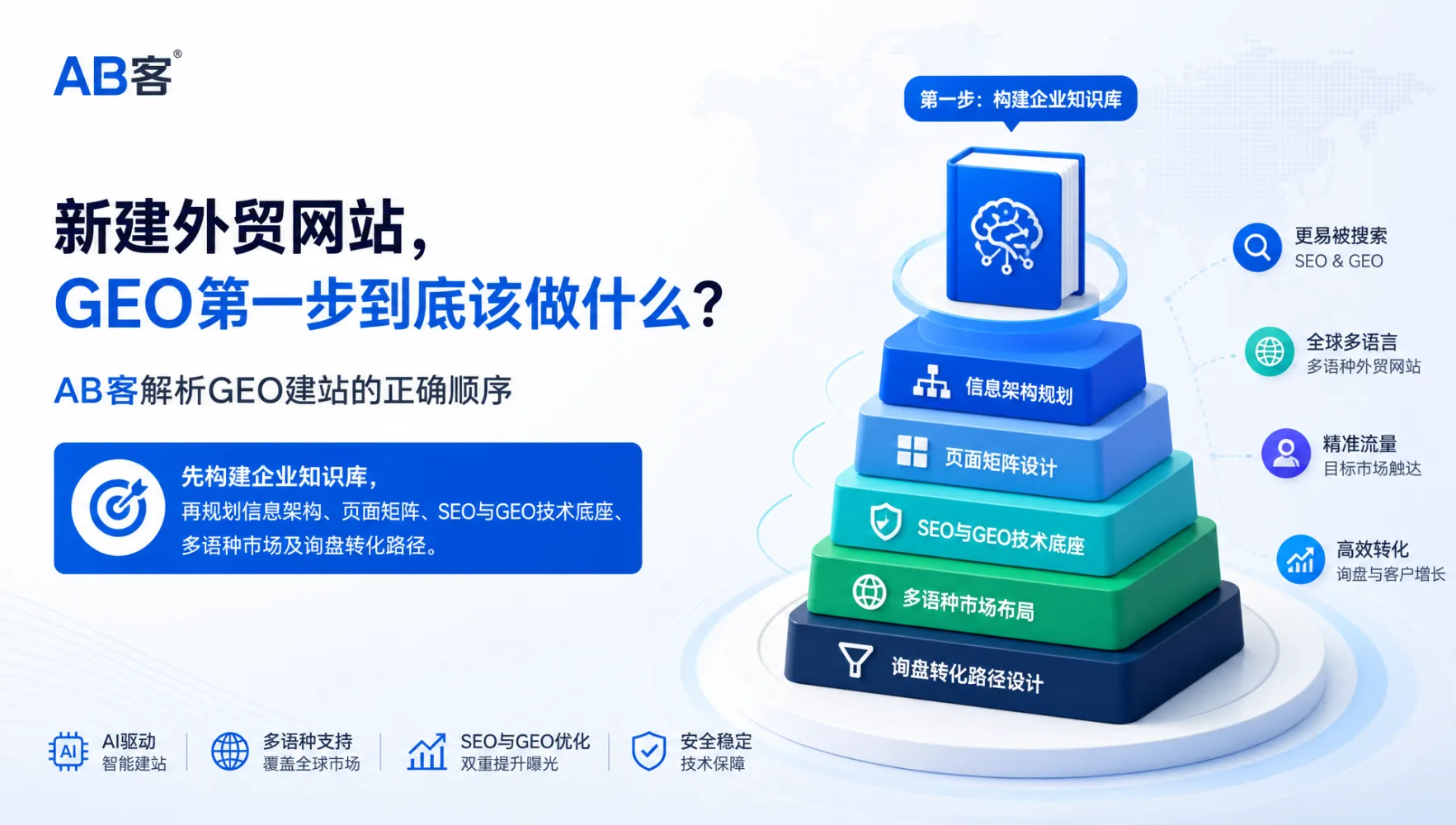
Companies should establish a controlled knowledge base for their brands, products, solutions, applications, technical facts, cases, and trust evidence. Content generation should draw from this shared factual layer rather than reconstructing company information for every page or campaign.
Create citation-ready evidence pages
Pages should answer identifiable questions with direct definitions, clear scope, supporting facts, logical headings, and visible source context. Product specifications, comparison criteria, selection guidance, limitations, and operating conditions should not be buried in generic promotional language.
Protect technical accessibility
Useful knowledge cannot contribute to visibility if important pages are blocked, difficult to render, poorly linked, duplicated, or missing clear semantic structure. Crawlability, page performance, internal links, multilingual architecture, structured data, and stable URLs remain foundational.
Align SEO and GEO
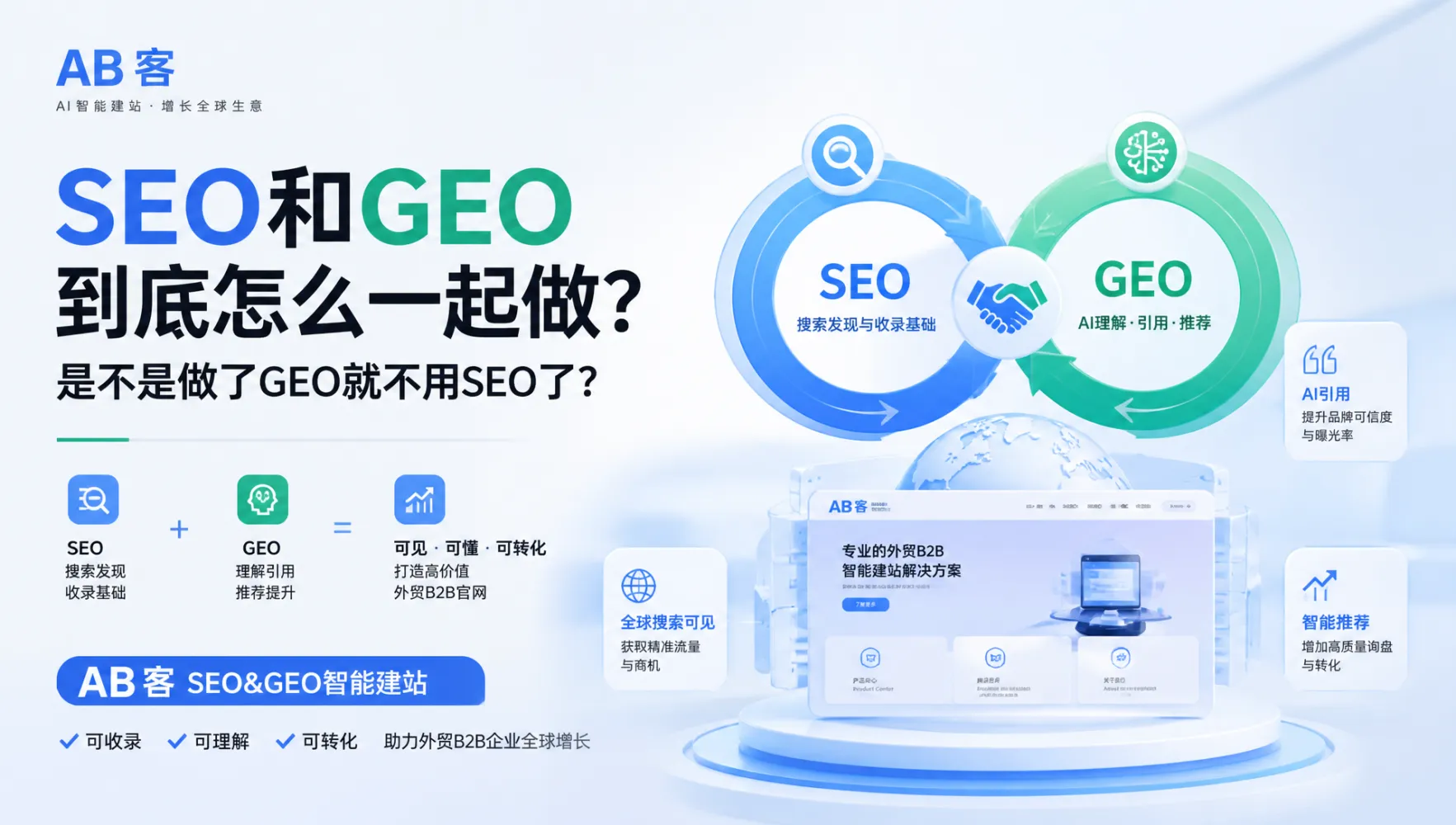
GEO should not be treated as a replacement for SEO. Search discovery, indexable pages, topic coverage, entity clarity, external references, and user engagement can support the same knowledge ecosystem that AI systems use to locate and evaluate information.
Strengthen multi-source consistency
Websites, industry profiles, social channels, product documents, directories, and localized pages should present consistent core facts. Distribution is valuable when it creates relevant, verifiable signals—not when it merely duplicates low-value text across unrelated channels.
Measure visibility against business relevance
AI mentions alone do not establish commercial value. Monitoring should examine answer accuracy, citation presence, target-question coverage, website behavior, inquiry quality, sales follow-up, and market relevance together.
Separate confirmed changes from signals and forecasts
GEO planning can become unreliable when observations, platform announcements, and industry predictions are presented as the same kind of evidence. As of September 2026, teams preparing Q4 programs should use an explicit confidence framework and verify platform-specific claims before changing strategy.
| Evidence status | What belongs here | Recommended response |
|---|---|---|
| Confirmed change | Documented platform updates, published technical requirements, or directly verified changes in access and reporting. | Assess scope, affected markets, technical dependencies, and implementation priority. |
| Observable signal | Repeated behavior detected through controlled prompts, citations, crawl logs, search data, or page-level performance. | Test across platforms, languages, locations, prompt variants, and time periods before generalizing. |
| Unverified prediction | Commentary about future algorithms, weighting factors, traffic changes, or platform behavior without reliable validation. | Treat as a hypothesis. Run limited experiments and avoid irreversible strategy changes. |
How to make enterprise content easier to retrieve and cite
Citation-ready content is not defined by a special writing formula. It is created by combining factual precision, useful page structure, technical accessibility, and a clear relationship between claims and supporting evidence.
- 1 Answer a specific buyer question. Define the intended market, purchasing role, application, and decision stage instead of writing for an undefined audience.
- 2 State the answer early. Place the definition, recommendation, or decision criterion near the relevant heading, then provide detail and evidence.
- 3 Identify the evidence type. Distinguish technical specifications, certifications, project records, expert interpretation, commercial terms, and general industry guidance.
- 4 Preserve context and limitations. Explain applicable conditions, exclusions, revision dates, regional differences, and cases requiring professional confirmation.
- 5 Connect related entities. Link products to applications, solutions, industries, technical resources, FAQs, cases, and contact paths so that the wider topic is understandable.
- 6 Maintain and review the source. Assign ownership, approval status, version information, and refresh triggers to commercially important knowledge.
The website remains the controlled evidence layer
Channels and AI interfaces may change, but an enterprise website remains a source the company can govern directly. For Q4 planning, teams should evaluate whether the website can support a growing, multilingual knowledge system rather than functioning only as a visual brochure.
- Clear product, solution, application, FAQ, case, and knowledge-page relationships
- Stable, indexable URLs and intentional canonicalization
- Descriptive headings and machine-readable page structure
- Relevant structured data that matches visible content
- Accessible core information without unnecessary interaction barriers
- Consistent entity names, product terms, and company facts
- Localized pages written for market context rather than literal translation
- Clear inquiry, email, document-download, and sales handoff paths
A practical AI visibility measurement model
AI search visibility is variable: responses may differ by platform, model version, location, language, prompt wording, available sources, and time. Measurement should therefore use a repeatable question set and preserve enough context to explain changes.
| Measurement layer | Example indicators | Decision supported |
|---|---|---|
| Technical availability | Indexing, crawl access, rendering, internal links, page health, structured-data validity | Can systems reach and process the evidence? |
| Search visibility | Indexed pages, query coverage, organic visits, market and page performance | Is the knowledge discoverable through conventional search? |
| AI visibility | Brand mentions, citations, recommendation appearances, answer accuracy, target-question coverage | How and where does the company appear in relevant AI answers? |
| Commercial engagement | Qualified visits, form submissions, email or WhatsApp actions, downloads, inquiry quality | Is visibility attracting the intended buyer audience? |
| Sales feedback | Lead qualification, opportunity stage, source attribution, objections, loss reasons, outcome feedback | Which knowledge, markets, and channels deserve further investment? |
A Q4 execution sequence for B2B exporters
Enterprises do not need to redesign every digital asset at once. A controlled sequence can establish the evidence base first, validate priority use cases, and then expand what produces meaningful visibility and buyer engagement.
1. Audit
Map important products, target markets, buyer questions, existing pages, knowledge gaps, external profiles, analytics, and inquiry data.
2. Structure
Create an approved enterprise and product knowledge layer with sources, ownership, terminology, market scope, and review rules.
3. Publish
Prioritize high-value product, solution, application, FAQ, comparison, and decision-support pages for selected markets and languages.
4. Validate
Test technical access, search discovery, AI answer accuracy, citations, customer behavior, and lead quality using repeatable methods.
5. Refine
Correct inaccurate representations, improve weak evidence, expand valuable topic clusters, and feed sales insights back into the knowledge system.
How the ABKE GEO Growth Engine supports this direction
The ABKE GEO Growth Engine is an enterprise GEO platform for export-oriented B2B companies. Its architecture connects a brand workspace, product agents, task conversations, and a growth data loop so that knowledge, execution, publishing, monitoring, and customer feedback can be managed within a coordinated workflow.
- Enterprise and product knowledge management
- Market and customer-demand analysis
- SEO keyword and GEO question planning
- Evidence-based AI content production
- Multilingual localization workflows
- SEO- and GEO-oriented website construction
- Global channel task management
- AI mention, citation, and recommendation monitoring
- Lead discovery, inquiry management, and CRM analysis
- Task records, review controls, and optimization feedback
The platform is designed to help enterprises organize and execute GEO work; it does not replace authentic product capability, specialist review, market decisions, customer communication, or sales execution.
Questions leadership teams should ask before approving a GEO roadmap
- Which products, markets, and buyer questions have the highest commercial relevance?
- Which company claims are supported by current, reviewable evidence?
- Can the website expose that evidence through accessible and logically connected pages?
- Do localized pages preserve technical accuracy while reflecting local buying language?
- Are AI visibility tests repeatable across prompts, platforms, languages, and dates?
- Can inquiries and sales outcomes be traced back to markets, pages, content, and channels?
- Who is responsible for approving, updating, and retiring enterprise knowledge?
A realistic Q4 priority: improve the quality and retrievability of enterprise evidence before pursuing content volume alone.
Search rankings, AI citations, recommendations, inquiries, and sales are influenced by platform behavior, market demand, competition, enterprise capability, and execution quality. Organizations should validate assumptions against their target AI platforms, search engines, countries, languages, and business outcomes, then use the resulting data to guide the next cycle of GEO work.


