Hot Products





Popular articles
Global Payment Methods Compared: Letters of Credit, T/T Transfers, and WeChat Pay in International Trade
Case analysis: How do excellent foreign trade B2B companies manage their customers with high quality?
A Must-Read for Foreign Trade Professionals | Which Overseas Clients Celebrate Chinese Valentine's Day? How to Send Warm and Professional Chinese Valentine's Day Greetings to Your Clients?
Export Tax Rebate System Guide: Step-by-Step Tutorial for Business申报 Platforms
Boosting Overseas Sales Through Targeted LinkedIn Advertising
How Much Does It Cost to Build a Standalone Website? A Comprehensive Guide
Unlocking Opportunities: ABK AI Content Factory Tackles Global B2B Trade Content Marketing Localization Challenges with Business Growth
Multi-Language SEO Keyword Research: A Practical Guide to Capturing High-Value B2B Keywords for Global Markets
Recommended Reading



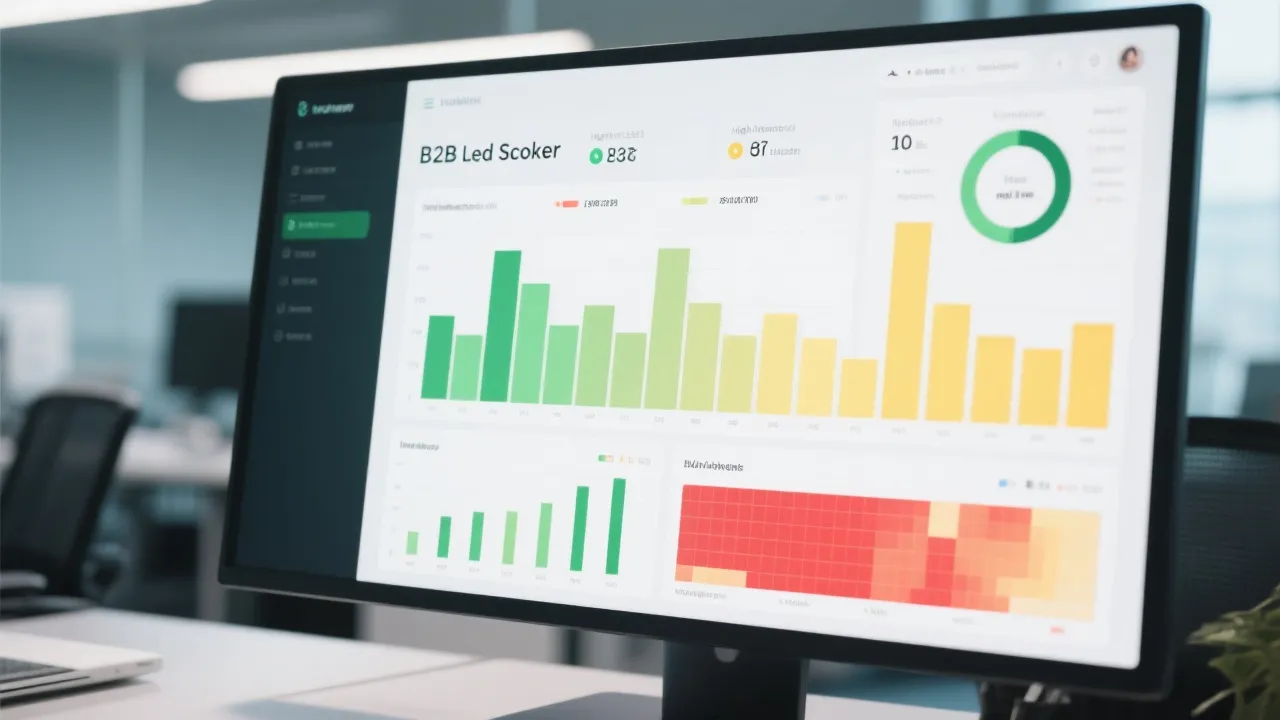

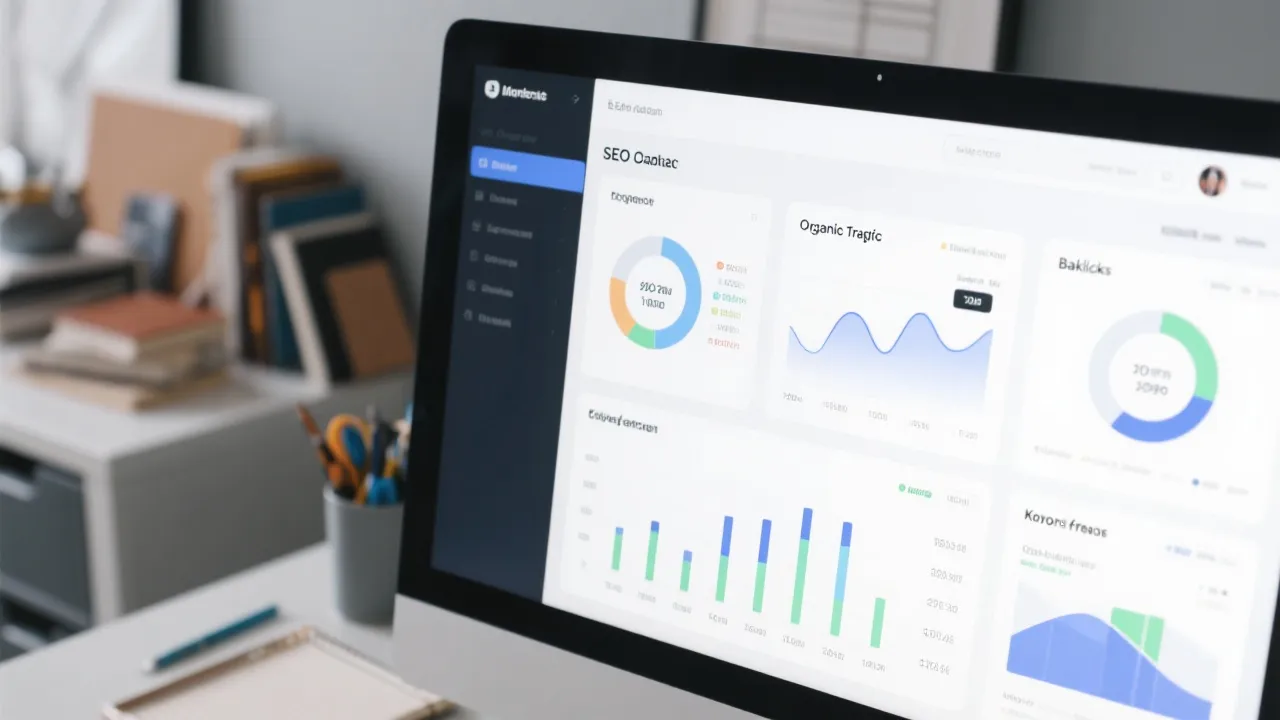
How to Optimize German Long-Tail Keywords for Cross-Border E-commerce with AI-Driven SEO
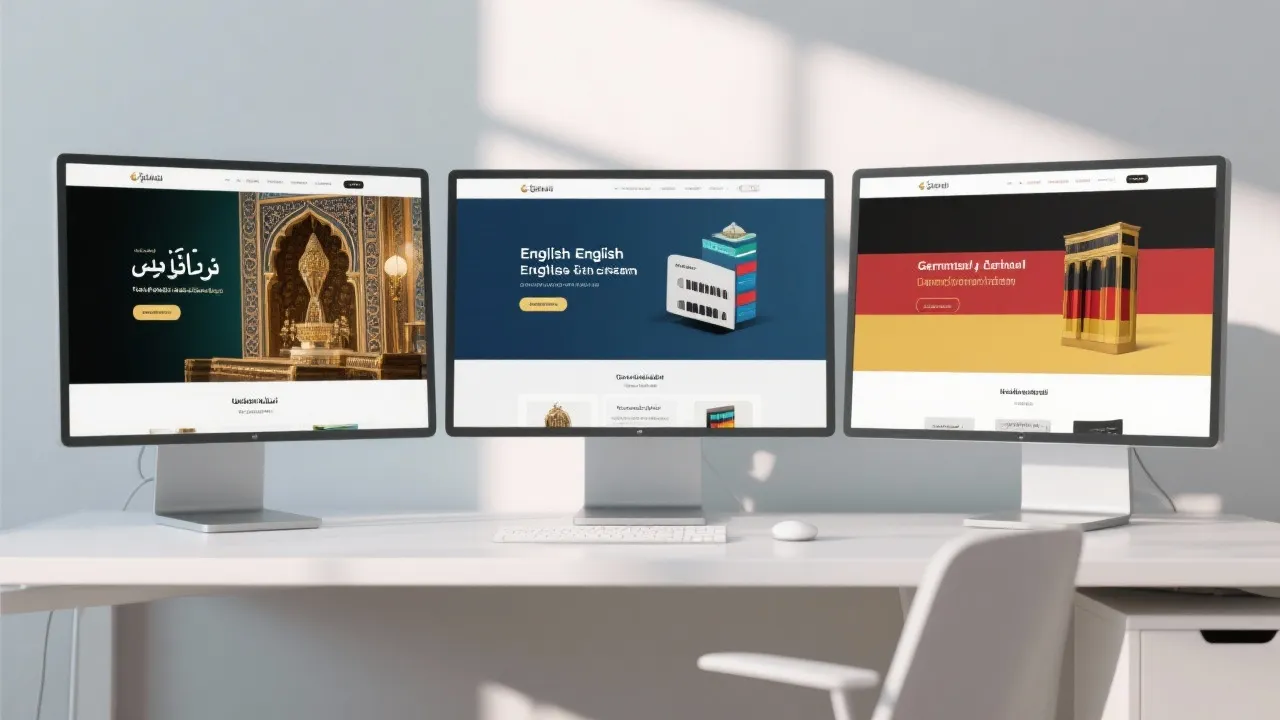
This in-depth guide explores how跨境电商 (cross-border e-commerce) businesses can leverage AI-powered SEO engines to strategically optimize German long-tail keywords. By analyzing real-world traffic data from international websites, we reveal common challenges in organic visibility and demonstrate actionable techniques such as dynamic TDK generation, semantic HTML structuring, and Alt text optimization. The article also covers competitor keyword monitoring tools and automated on-page adjustments—proven strategies for B2B manufacturers and global sellers to break through Google’s natural ranking barriers. Supported by Google Search Console and Ahrefs insights, this content delivers both technical clarity and practical implementation steps for marketers aiming to boost overseas exposure and conversion rates.

Why German Long-Tail Keywords Are the Secret Weapon for B2B E-commerce Growth
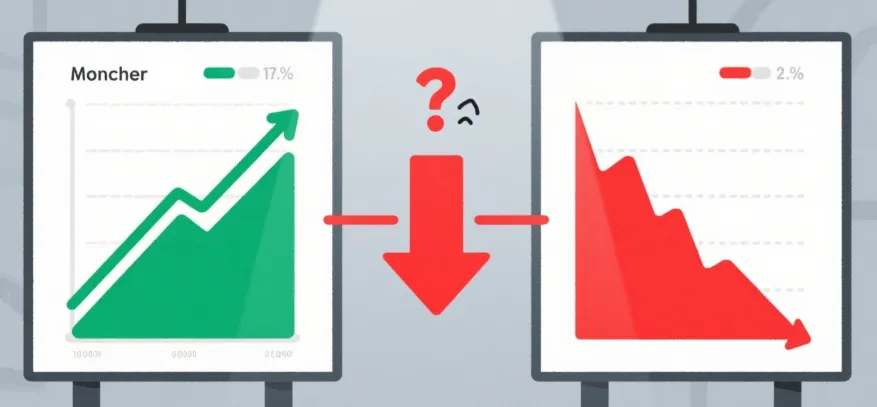
For many B2B manufacturers and exporters, Google’s organic traffic remains frustratingly low—even when their products are technically competitive. A recent Google Search Console report from Q1 2024 shows that only 17% of global B2B product pages rank in the top 10 for core keywords, while over 68% of search queries are long-tail phrases. This gap isn’t just a challenge—it’s an opportunity.
The Real Problem: Generic SEO Isn’t Working Anymore
In Germany, where buyers expect precision and local relevance, generic English keywords like “industrial pumps” or “metal parts” rarely convert. According to Ahrefs’ Global Keyword Explorer (2024), these broad terms have average monthly searches of 2,500–5,000—but competition scores above 85%. Meanwhile, targeted German long-tail phrases such as “edelstahl-pumpen für chemische industrie” (stainless steel pumps for chemical industry) see lower volume (<150/month), but higher intent and conversion rates—up to 3.2x more qualified leads per click.
How AI Is Changing the Game
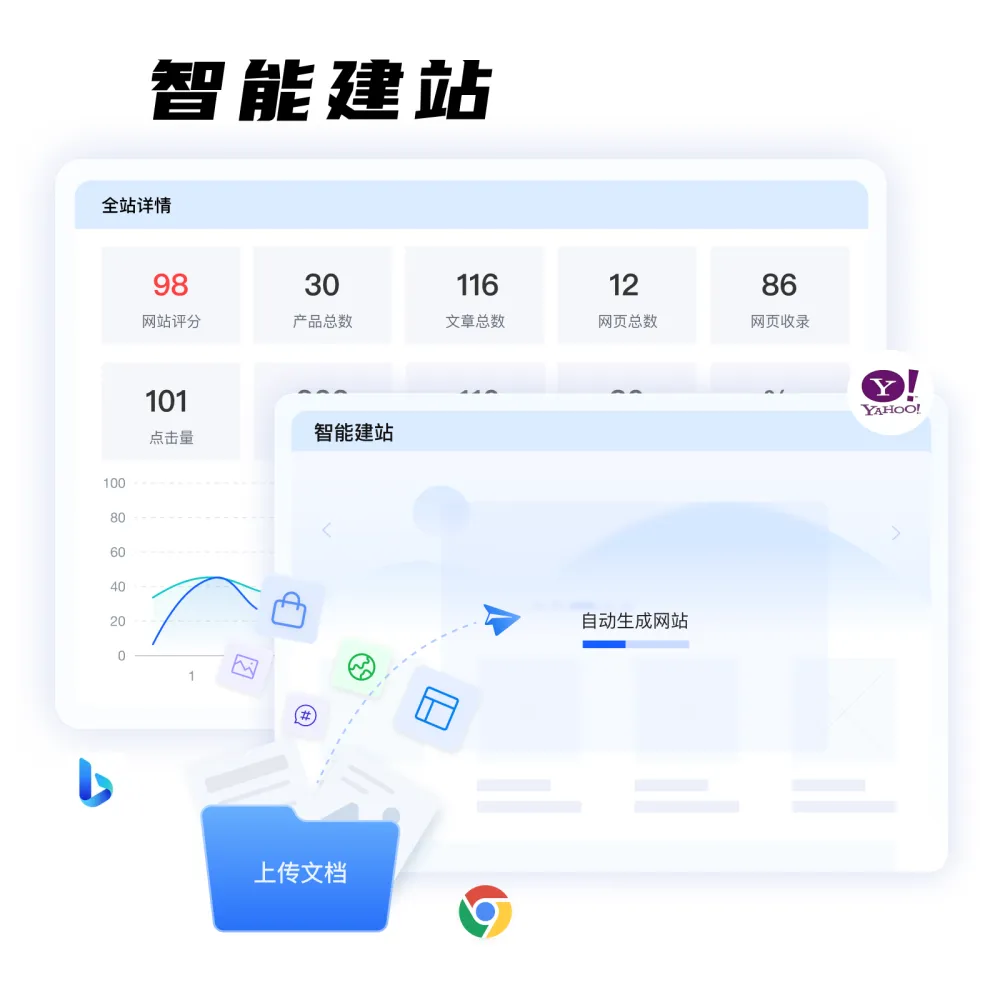
Modern smart SEO engines now analyze real-time search behavior across German-speaking regions—not just static keyword lists. They dynamically generate:
- TDK Tags (Title, Description, Keywords): Auto-generated based on semantic intent, not just word matching.
- HTML Structure Optimization: Semantic HTML5 tags help Google understand context better—boosting page authority by up to 40% in 6 weeks.
- Alt Text for Images: AI writes descriptive, keyword-rich alternatives tailored to German user expectations.
One German-based B2B manufacturer saw a 63% increase in organic traffic within 90 days after deploying this approach—without increasing ad spend. Their bounce rate dropped from 72% to 41%, proving that proper localization drives engagement.
| Keyword Type | Avg. Monthly Searches (DE) | CPC (€) | CTR (Avg.) |
|---|---|---|---|
| Broad Term | 3,200 | €1.80 | 1.9% |
| Long-Tail (Localized) | 140 | €0.90 | 5.7% |
What You Can Do Today
If you’re targeting German-speaking markets, start with a simple audit:
- Use tools like SEMrush or Ahrefs to identify your top 10 competitors’ most effective long-tail keywords in DE.
- Map those phrases into your existing product pages using structured headings (H2/H3) and optimized meta descriptions.
- Implement AI-powered content generation for new landing pages—especially for niche industrial segments like food processing machinery or automation systems.
The key is consistency. As one German buyer told us during a recent survey: “I don’t trust sites that feel like they were translated by machines.” Localized language + technical accuracy = trust.
Pro Tip: Don’t wait for perfect translations—start with accurate, semantically rich content that matches how real users ask questions in German. Even small improvements compound over time.
Ready to turn your website into a lead-generating machine in German-speaking markets? Click here to learn how our AI engine can generate multilingual SEO pages tailored to your B2B products.


