.png?x-oss-process=image/resize,h_100,m_lfit/format,webp)

.png?x-oss-process=image/resize,m_lfit,w_200/format,webp)

Hot Products

.png?x-oss-process=image/resize,h_2000,m_lfit/format,webp)
.png?x-oss-process=image/resize,h_2000,m_lfit/format,webp)

Popular articles
How to Build Traceable Records for GEO Content Publishing, Review and Optimization in Q4 2026
How to Monitor GEO Discovery, Retrieval, Citation and Recommendation Position in Q4 2026
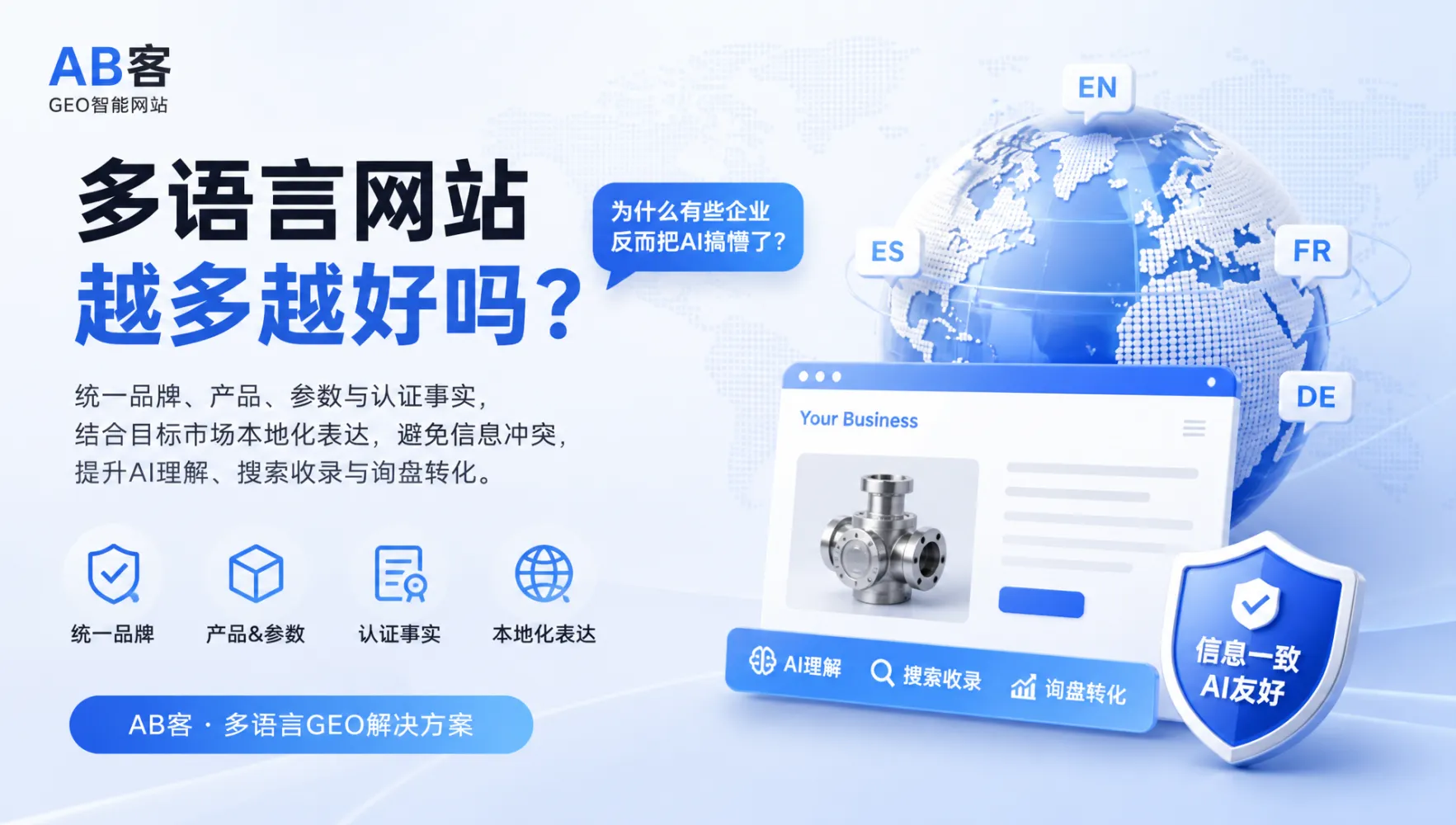
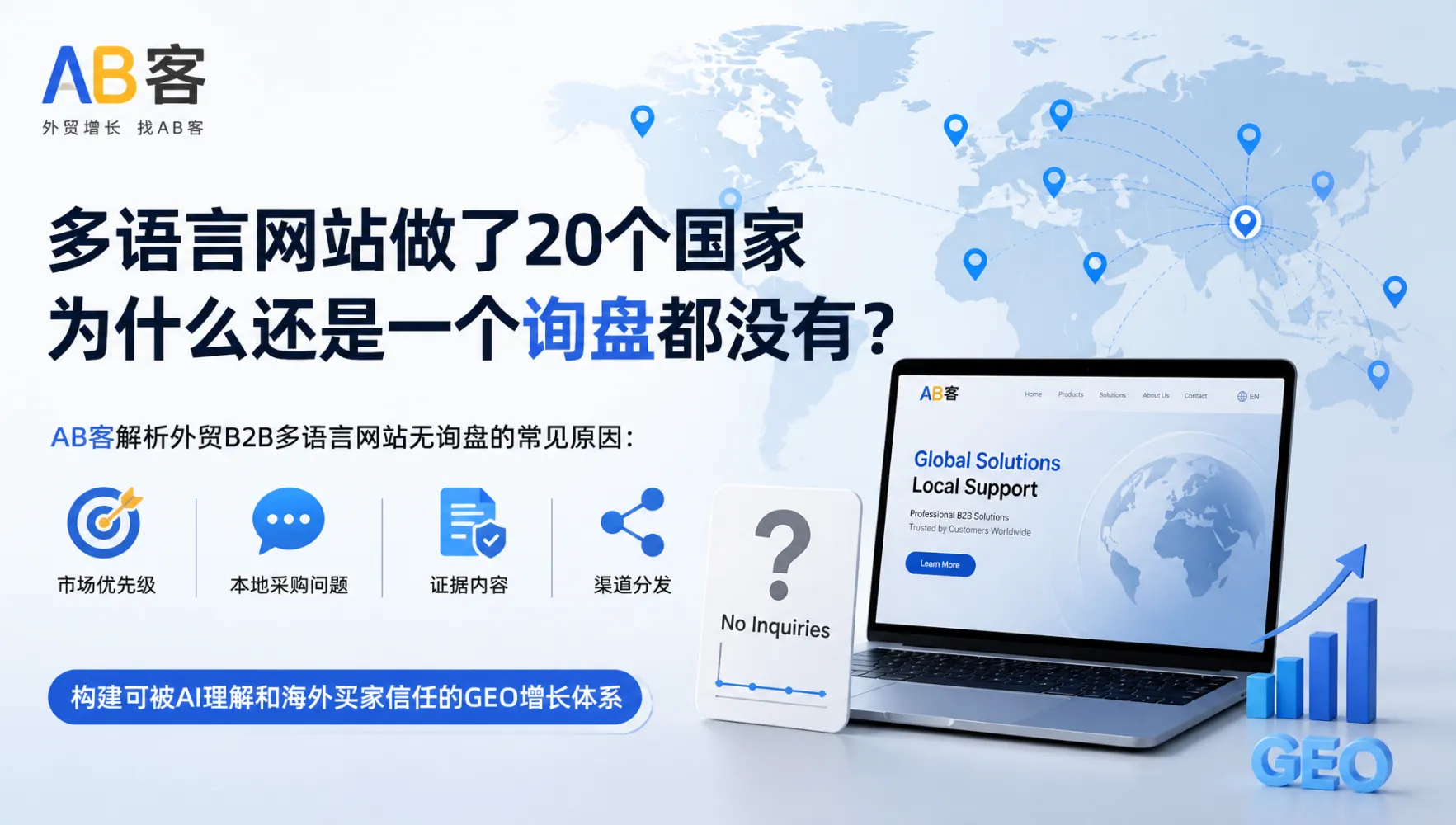
Built Websites for 20 Languages but Still No Inquiries?
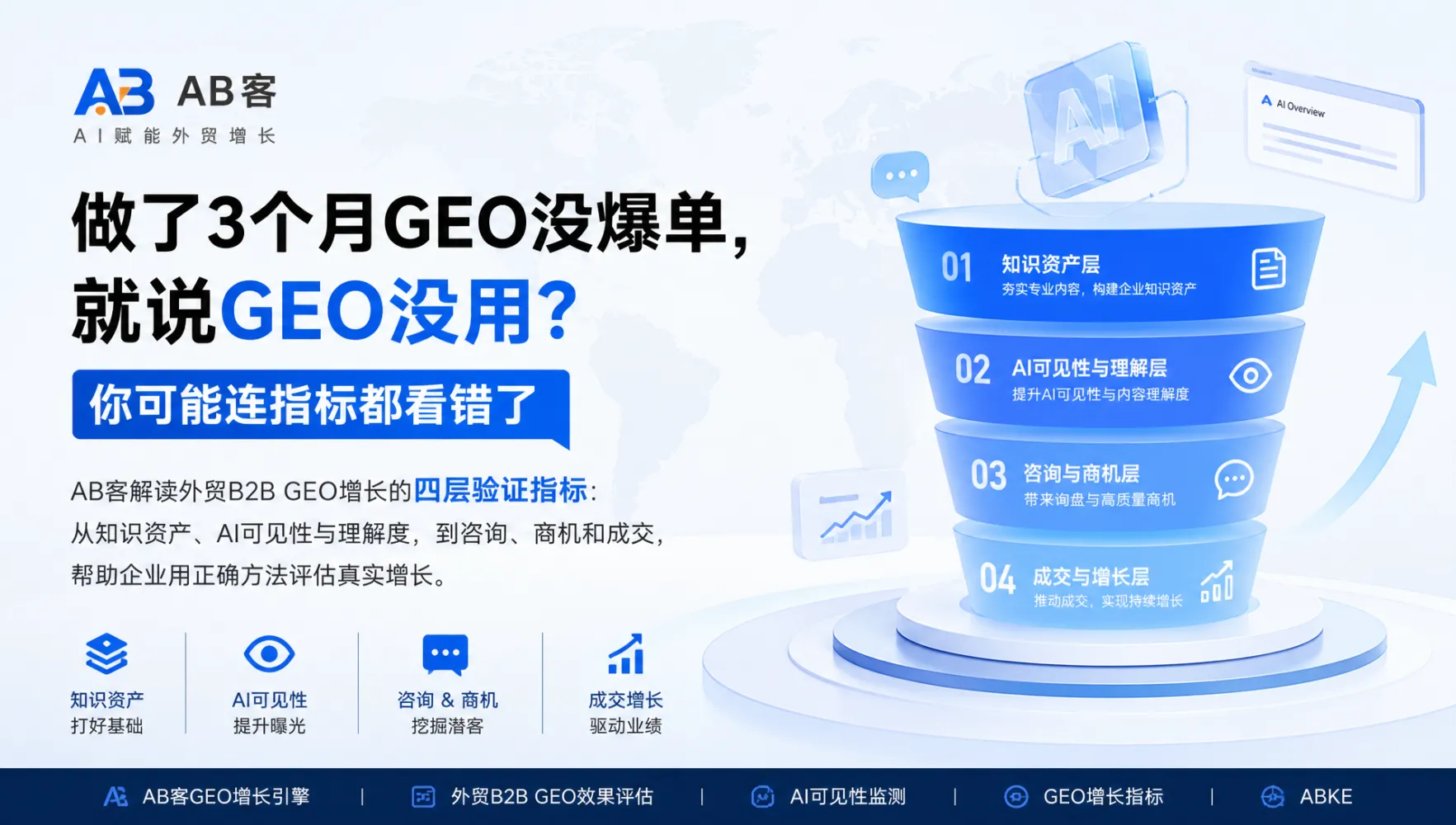
AI Recommended Your Business but You Got No Inquiries—What Is GEO Really Worth?
Stop Chasing Community Mentions: Build the Facts AI Can Trust and Recommend
Recommended Reading

Q4 2026: How Can Export B2B Companies Build an AI-Retrievable Atomic Fact Library?
Learn how export B2B companies can turn fragmented product and company data into AI-retrievable atomic facts. ABKE helps manufacturers build evidence-backed knowledge systems for GEO, AI search visibility, and global buyer trust.
Q4 2026: How Can Export B2B Companies Build an AI-Retrievable Atomic Fact Library?
In 2026 Q4, GEO is moving from content optimization to evidence retrieval engineering. For export B2B companies, the winning strategy is no longer “publish more articles,” but to build a verified fact system that AI can retrieve, buyers can trust, and sales teams can reuse.
What this article solves
Many companies have plenty of brochures, product files, and website pages, yet AI still cannot reliably extract the right answer. The real issue is not lack of content, but lack of structured, evidence-backed facts.
Why it matters now
As buyers increasingly ask AI who is more professional, more trustworthy, and more suitable to cooperate with, companies must become answerable in machine-readable form.
ABKE’s perspective
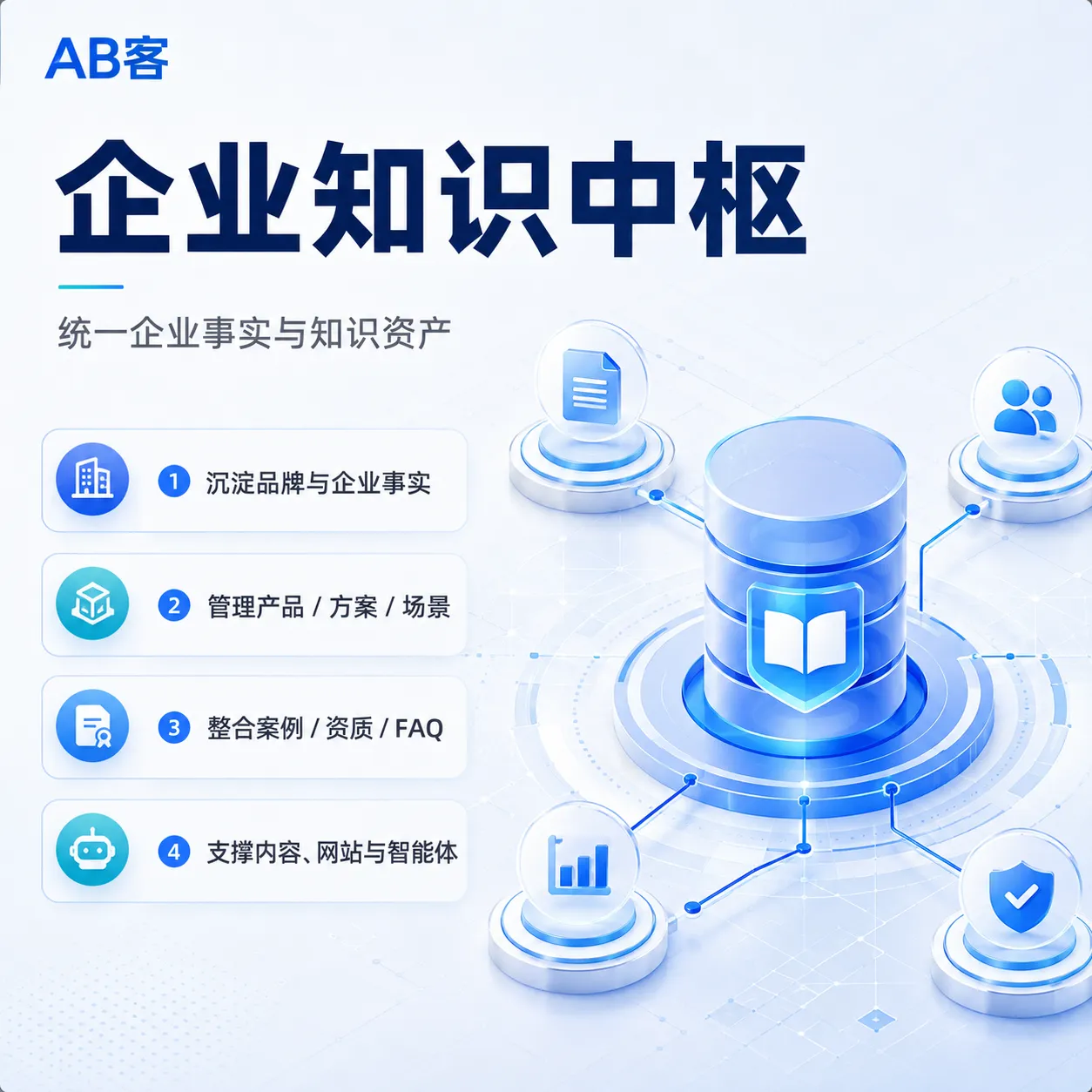
AB客 (ABKE) helps export B2B companies build GEO growth infrastructure by turning enterprise knowledge into AI-understandable, searchable, and reusable digital assets.
1. Why more company materials can make AI more confused
At first glance, more materials should mean better visibility. In reality, fragmented information often creates the opposite result. When product data, sales decks, PDFs, website pages, and quotations all describe the same thing in different ways, AI systems struggle to determine which version is current, complete, and reliable.
This is why GEO in Q4 2026 must move from “content quantity” to “evidence consistency.”
2. What is an atomic fact?
An atomic fact is the smallest independently verifiable unit of enterprise knowledge. It should be precise enough for AI retrieval, yet complete enough for human validation. A practical structure is:
This format makes the fact reusable across product pages, FAQs, solutions, and AI answers without rewriting the underlying truth each time.
3. The best facts to structure first for export B2B companies
If your company wants AI to understand and recommend it correctly, prioritize facts that directly affect buyer confidence and purchase decisions.
4. How atomic facts become GEO content
A strong GEO system does not start from generic writing. It starts from verified facts, then recomposes them into content assets that search engines, AI systems, and buyers can all use.
Verified Enterprise Facts
        ↓
Atomic Fact Library
        ↓
Product Pages + FAQ Pages + Solution Pages + Case Studies
        ↓
Structured Website + Multilingual Content + Global Distribution
        ↓
Search Indexing + AI Retrieval + AI Citation + Buyer Evaluation
        ↓
Inquiries + CRM Feedback + Continuous Fact Updates
This chain turns one trustworthy fact into multiple high-value touchpoints without losing consistency.
5. Three mistakes that weaken AI retrieval
- Mixing multiple conclusions into one statement. Capacity, scope, and result should be separated into different facts.
- Leaving out conditions and boundaries. Every performance claim needs context such as model, scenario, or testing standard.
- Missing evidence and update records. Without source, version, owner, and review date, the fact is hard to trust.
6. A simple governance model for your fact library
- Define a single owner for every fact category.
- Use a review cycle for version control and freshness.
- Attach evidence links, files, or records to each fact.
- Separate public facts, sales facts, and internal facts.
- Make multilingual versions semantically consistent, not just translated.
7. ABKE’s role in evidence-based GEO
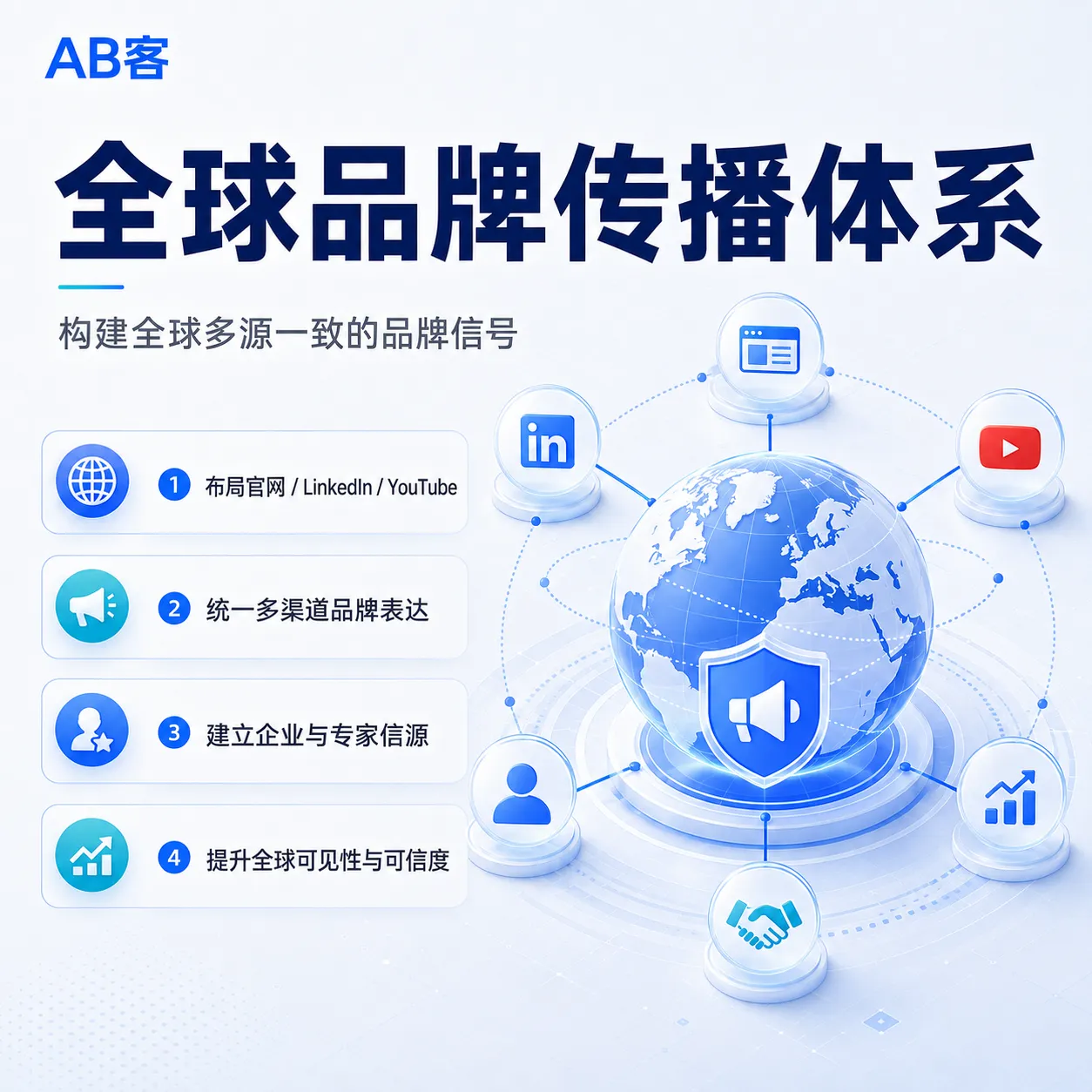
AB客 G EO Growth Engine helps export B2B companies move from fragmented content publishing to structured growth infrastructure. The system combines enterprise knowledge architecture, GEO websites, AI content workflows, multilingual distribution, CRM follow-up, and AI visibility monitoring.
Instead of generating content first and verifying later, ABKE emphasizes a more reliable sequence: confirm enterprise facts, organize evidence, build reusable knowledge units, and then scale content across the website and global channels.
8. Why this matters for export B2B growth
The next stage of GEO is not simply “being found.” It is being retrieved correctly, trusted quickly, and recommended consistently. Companies that build an atomic fact library can reduce information chaos, improve AI answer accuracy, strengthen buyer confidence, and create a long-term knowledge asset that compounds over time.
Key takeaway
In Q4 2026, GEO is shifting from content optimization to evidence retrieval engineering. The foundational unit is no longer the article — it is the verifiable fact.
If your company wants AI systems to understand your value, cite your capabilities, and recommend you to buyers, start by building a clean, evidence-backed atomic fact library.
With ABKE, export B2B companies can turn enterprise knowledge into an AI-understandable GEO growth system that supports visibility, trust, and conversion.


