.png?x-oss-process=image/resize,m_lfit,w_200/format,webp)

Direct evidence
A measurable referral, a tagged link, a buyer statement naming an AI platform, or a recorded message showing how the supplier was found.
.png?x-oss-process=image/resize,h_100,m_lfit/format,webp)
 400-076-6558GEO · Get AI Search to Recommend You First
.png?x-oss-process=image/resize,h_2000,m_lfit/format,webp)
.png?x-oss-process=image/resize,h_2000,m_lfit/format,webp)

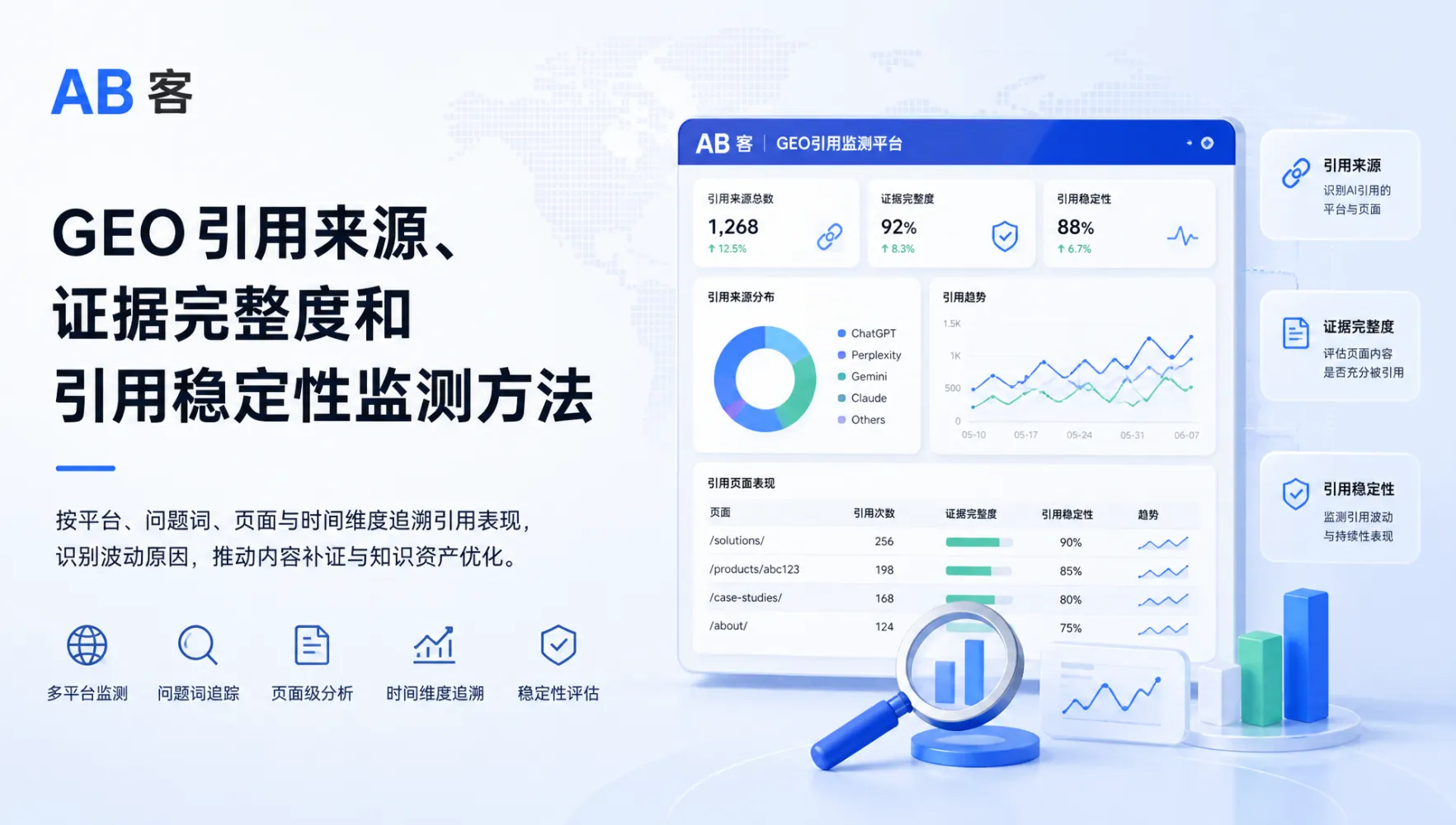
AI search can influence an export buyer before a website visit is visible in conventional analytics. A buyer may ask an AI platform for supplier options, technical guidance, product comparisons, or purchasing criteria, then reach a B2B website through a direct visit, a branded search, a copied link, or a later return session. For this reason, AI search attribution should not rely on a single referral field. It requires a traceable evidence chain that connects discoverability, content interaction, inquiry capture, CRM opportunity progression, and sales feedback.
For Q4 2026 planning, exporters should establish consistent source rules before comparing AI search performance with SEO, paid media, direct traffic, or outbound activity. The goal is not to claim certainty where data is unavailable, but to make contribution evidence more complete, reviewable, and useful for commercial decisions.
AI search attribution is the process of identifying and evaluating how AI-generated answers, AI-cited pages, GEO question topics, and related content interactions contribute to a buyer journey. In an external B2B sales cycle, the journey often extends across multiple contacts and may include engineers, sourcing teams, management reviewers, distributors, and end users.
A practical attribution model records both observable signals and supporting evidence. Observable signals include tagged landing-page visits, form submissions, chat interactions, document downloads, and CRM activity. Supporting evidence may include buyer self-reports, AI answer checks for priority questions, content pages referenced during a sales conversation, and a buyer’s stated discovery path. These sources should be retained separately so that assumptions do not become reported facts.
The quality of attribution depends on whether identifiers survive the journey from website to CRM. Configure capture rules before launching or expanding GEO content, multilingual pages, or channel campaigns.
| Touchpoint | Information to Retain | Why It Matters |
|---|---|---|
| Landing page | URL, page type, language, topic, campaign parameters, referral data when available, first- and last-visit timestamps. | Connects an inquiry to the content and market context that attracted the visitor. |
| Conversion event | Form ID, chat or messaging entry point, downloaded asset, selected product, consent status, and hidden source fields. | Prevents lead records from becoming detached from their original interaction. |
| CRM lead record | Original source, latest source, landing page, content topic, campaign, country, product interest, and evidence notes. | Allows marketing and sales teams to review the same source context. |
| Opportunity record | Qualification result, opportunity stage, expected value where used, sales activities, reasons won or lost, and influencing assets. | Links marketing evidence to commercial progress rather than traffic alone. |
AI platforms may not consistently provide a reliable referrer, and buyer journeys can include private sharing, copied links, browser privacy settings, and delayed brand searches. “Direct” traffic should therefore not automatically be treated as unattributable or as AI-driven. Instead, use an evidence-led classification process.
A measurable referral, a tagged link, a buyer statement naming an AI platform, or a recorded message showing how the supplier was found.
A visit to a page aligned with a tracked AI-cited question, a sudden branded search after AI visibility rises, or a sales discussion referencing the page’s specific topic.
A traffic pattern or timing correlation without a preserved source, buyer confirmation, or content-level connection. Keep it visible, but do not report it as confirmed AI attribution.
B2B supplier selection rarely results from one page or one interaction. A first-touch rule answers how a known buyer initially entered the measurable journey. A multi-touch rule records the content and channels that helped advance that buyer toward qualification or opportunity creation.
A content asset becomes commercially meaningful when it can be evaluated in the context of buyer intent and CRM progress. For each priority product or solution, define the content evidence that should be available to sales and marketing teams.
Separate performance reporting into layers. This makes it easier to distinguish what has been observed, what is supported by evidence, and what depends on later sales execution.
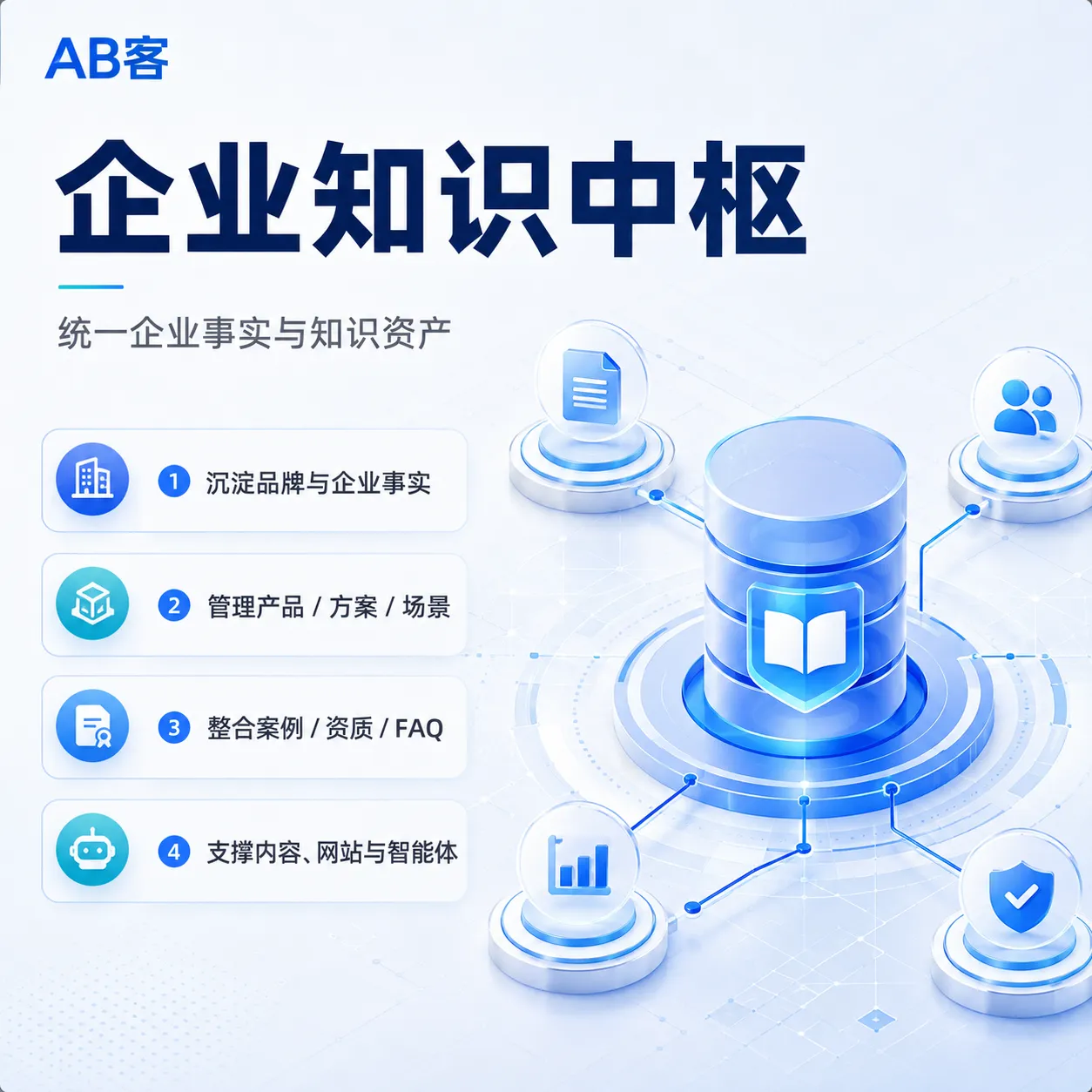
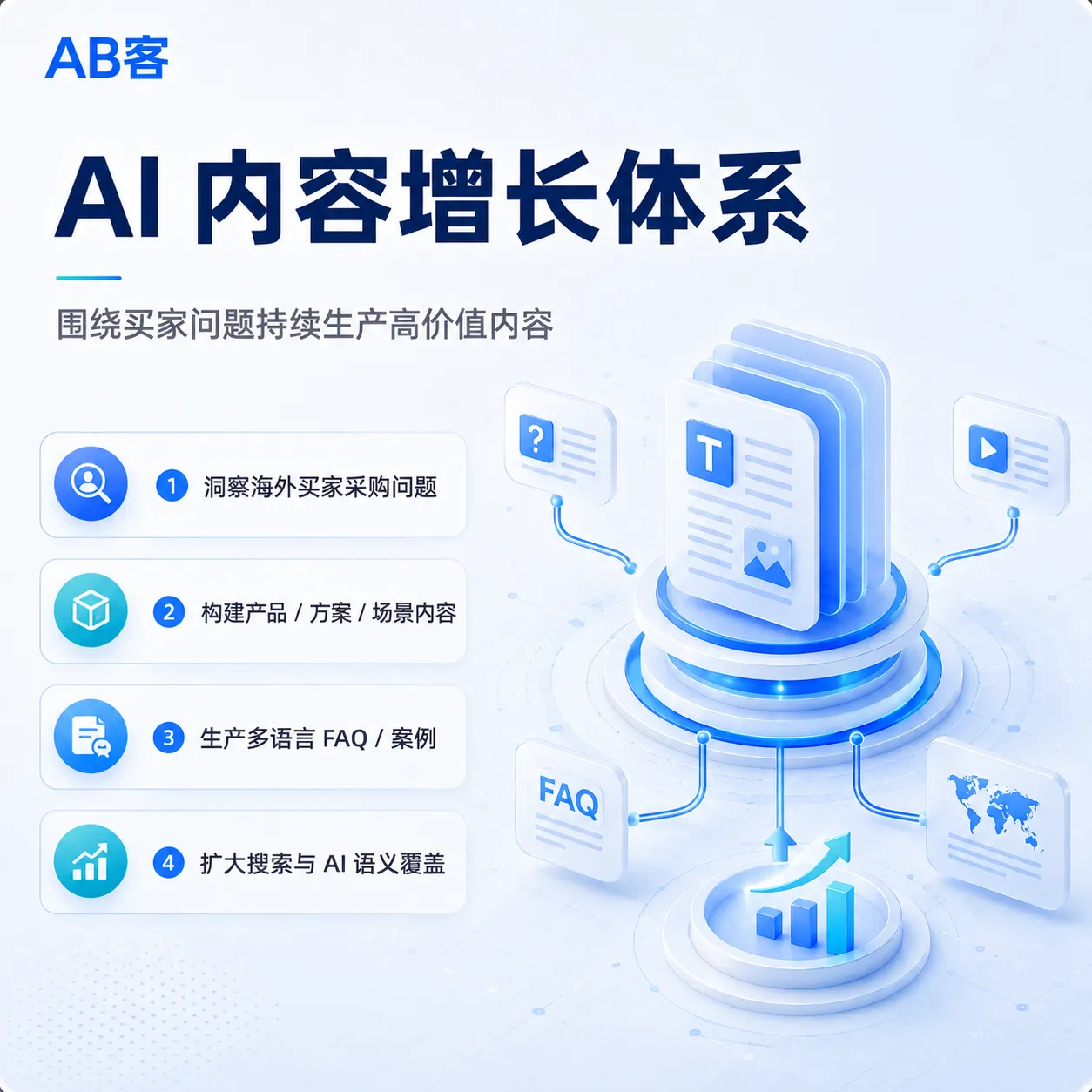
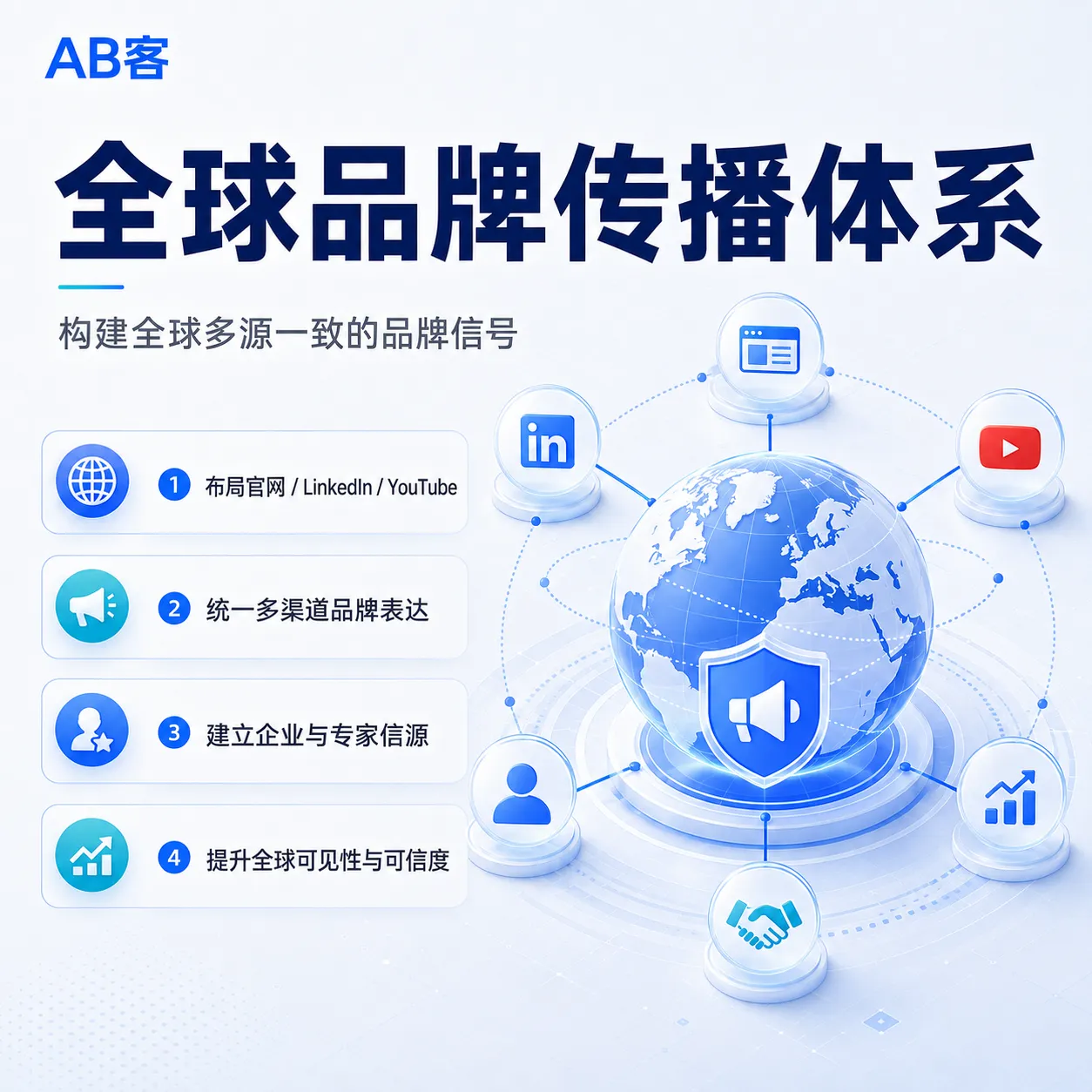
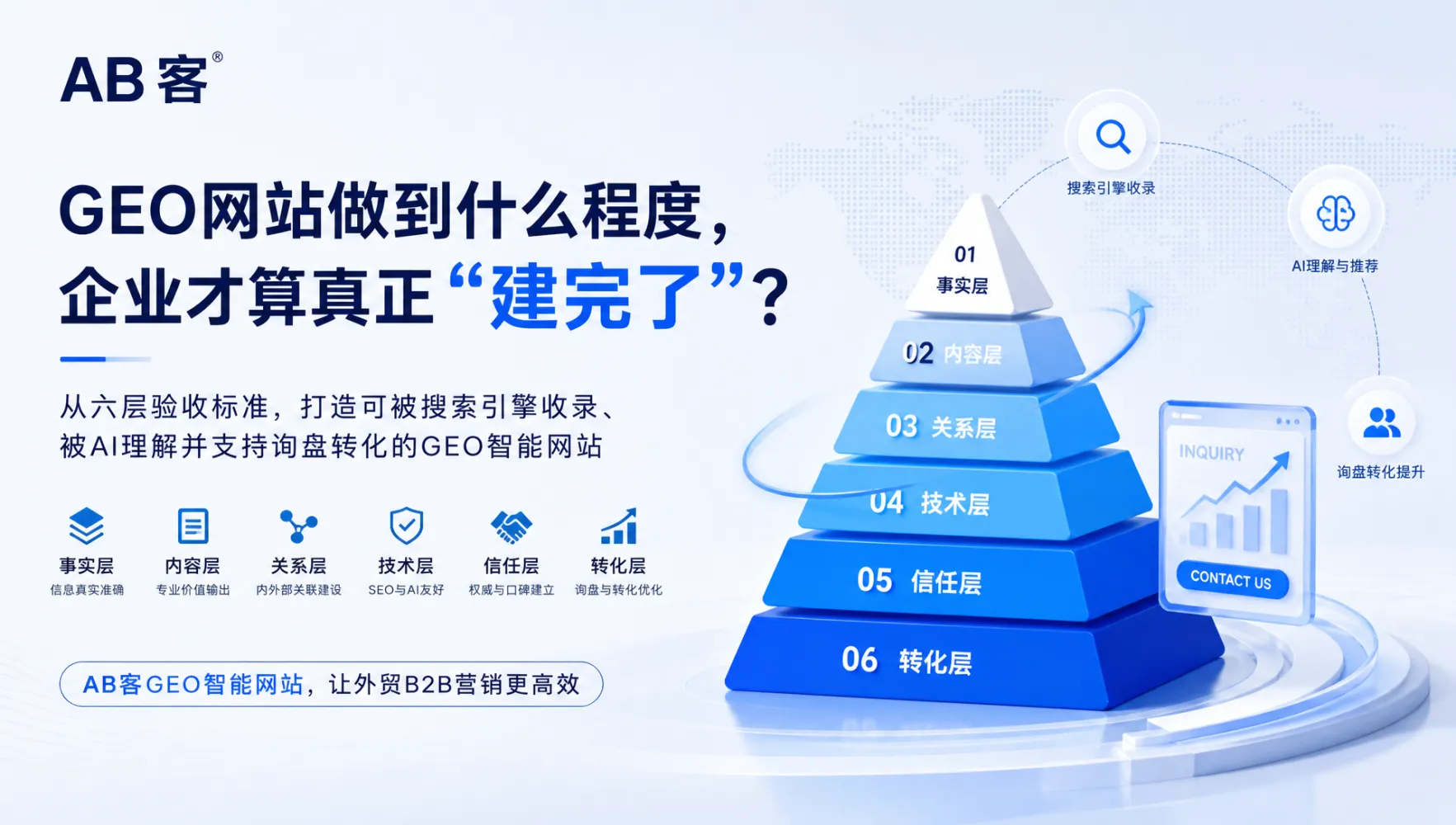
The ABKE GEO Growth Engine is designed for external B2B teams that need to connect enterprise knowledge, GEO and SEO planning, multilingual content, websites, channels, inquiries, and CRM feedback within a structured growth workflow. Brand workspaces and product-focused intelligent agents can help organize the factual basis for content and customer engagement, while task-based workflows support traceable planning, review, publication, and optimization activities.
ABKE can support the operational link between AI visibility checks, content evidence, landing-page and inquiry records, lead qualification, CRM opportunity stages, and sales feedback. Attribution remains dependent on available platform data, buyer consent, implementation quality, market conditions, and the customer team’s sales process. A disciplined evidence model helps exporters make better-informed GEO investment decisions without promising fixed AI recommendations, rankings, inquiry volumes, or revenue outcomes.


Simply fill in the necessary information. AB Consulting will assess your company's current situation to determine the most suitable diagnostics, products, or industry-specific solutions.
Fill in these 3 information items to immediately receive the "Foreign Trade B2B GEO Strategy Understanding White Paper".