Hot Products





热门文章
A must-have for first-time exhibitors! A complete guide to the 137th Canton Fair: invitation and booth techniques/follow-up email templates
How to use AI to generate content for foreign trade websites? (Product + Article + FAQ practical case)
AI赋能外贸SEO:竞品分析快速锁定高价值长尾关键词实战指南
Expanding Overseas Markets and Finding Targeted Customers through B2B Platforms
Experience sharing: The biggest challenges I encountered in foreign trade order execution and their solutions
Foreign trade website operation and data analysis: closed-loop optimization from traffic to inquiries
Analysis of Conversion Paths and Optimization Methods in Foreign Trade Content Marketing Based on Real Customer Cases
How AI Is Revolutionizing Content Distribution in Emerging Markets for B2B Exporters
Recommended Reading






Why B2B Export Companies Must Prepare for AI Traffic红利 in the Next 3 Years
As generative AI reshapes search and content distribution, B2B exporters stand to gain unprecedented traffic opportunities over the next three years. However, success hinges on early adoption of Generative Engine Optimization (GEO). By structuring brand and product data semantically and building robust knowledge assets, companies can secure priority visibility in AI-driven Q&A and recommendation systems. With solutions like AB客·外贸B2B GEO Smart Lead Generation, businesses can future-proof their digital presence—enhancing global reach, marketing efficiency, and competitive positioning before the AI traffic wave arrives.
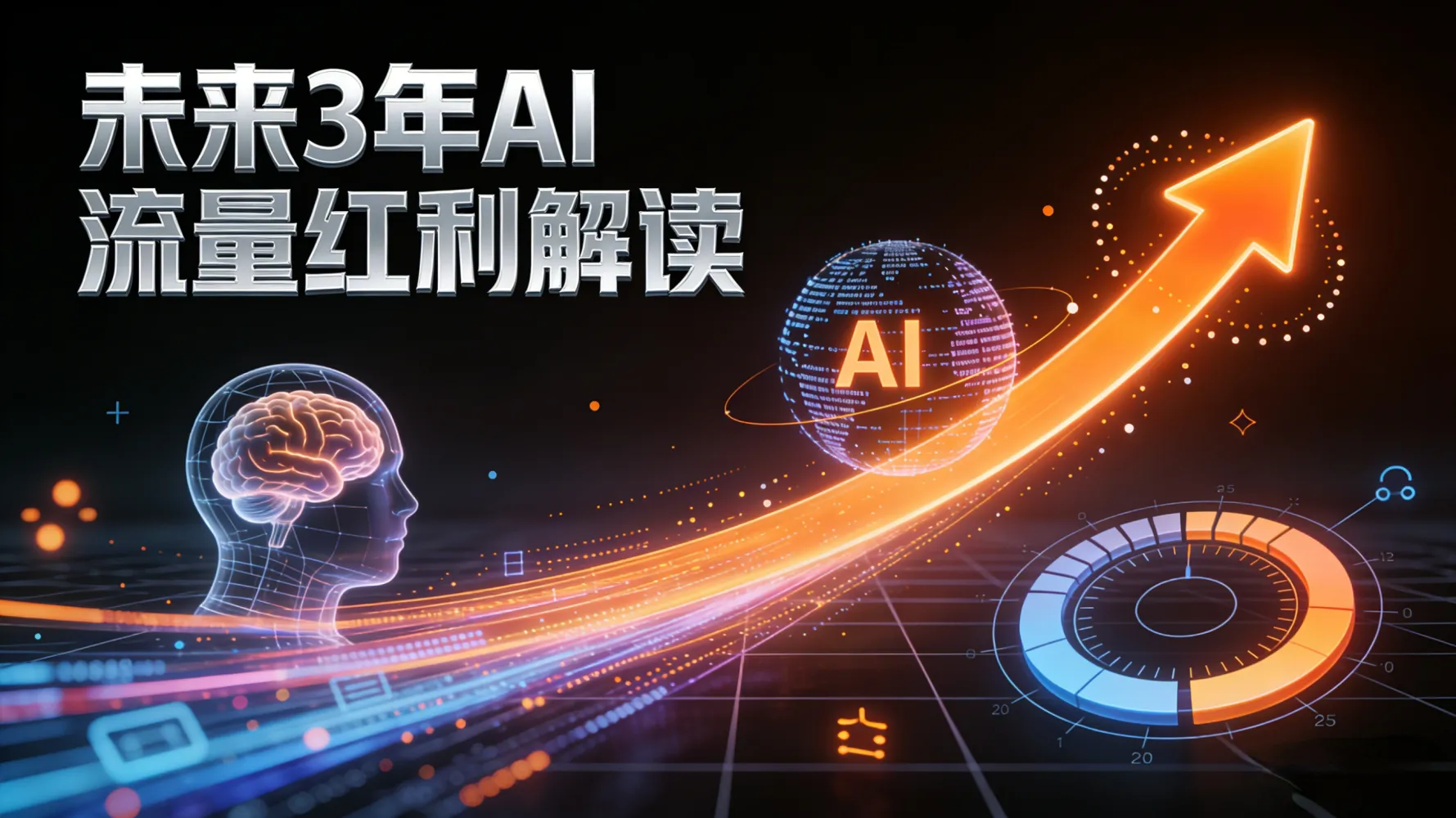
Why B2B Exporters Must Prepare for the AI Traffic Wave Now
The next three years will redefine how global buyers discover and evaluate suppliers. As generative AI reshapes search behavior—from Google’s SGE to Bing’s Copilot—B2B exporters who act now will capture early momentum in a new traffic economy. Those who wait risk being invisible when AI-driven discovery becomes the default path to procurement.
What Is Generative Engine Optimization (GEO)?
Unlike traditional SEO focused on keywords and backlinks, GEO optimizes your brand and product content for semantic understanding by large language models (LLMs). It ensures that when a buyer asks, “Which Chinese supplier offers reliable CNC machining with ISO certifications?” your company appears not just in results—but as the most relevant answer.
According to a 2024 report by McKinsey, over 67% of B2B buyers now use AI-powered tools during their research phase. Yet only 12% of manufacturers have structured their knowledge assets for AI indexing—a gap that creates massive opportunity for early movers.
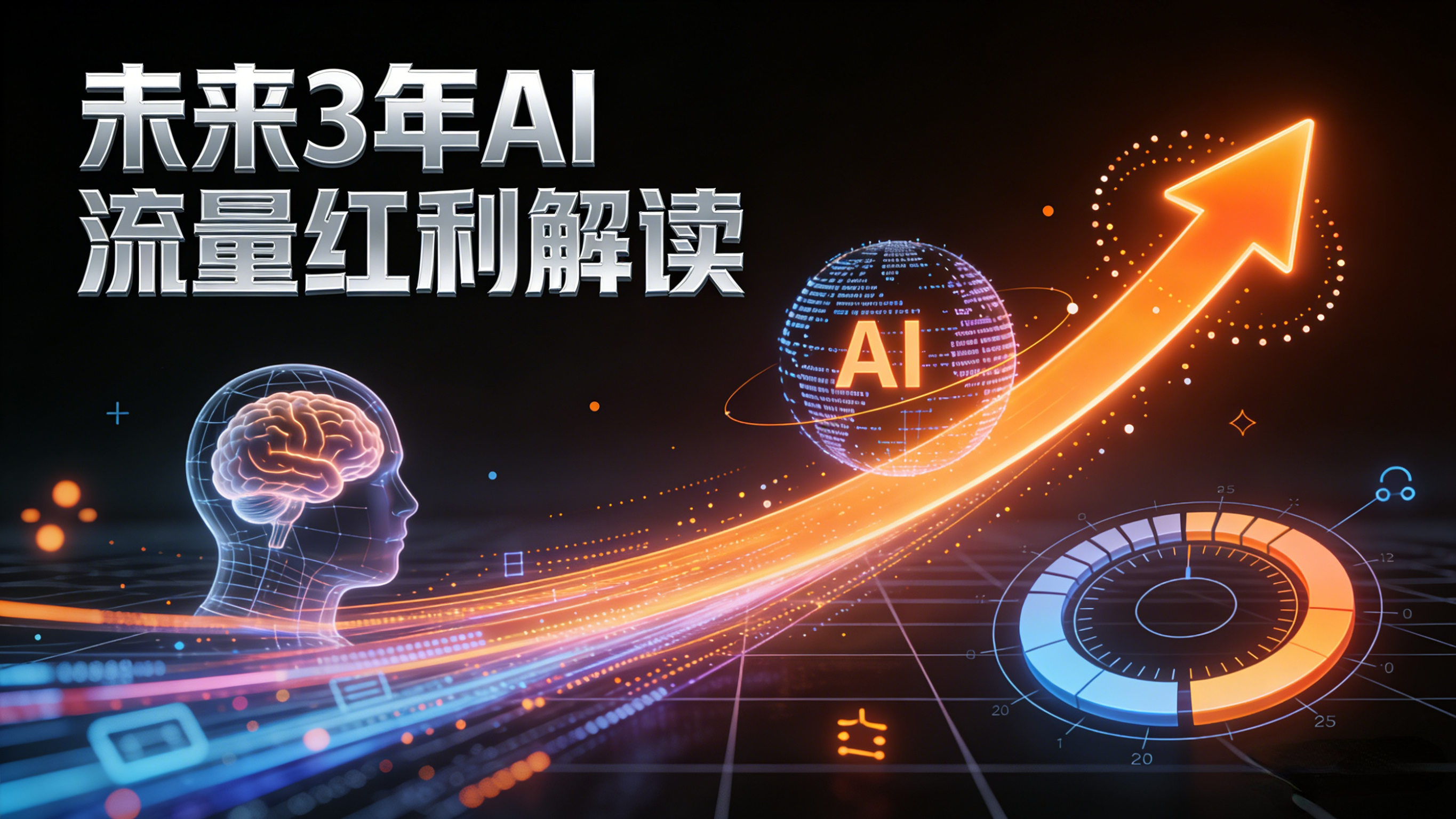
How GEO Builds Trust Before You Even Speak
Buyers don’t just want answers—they want trustworthy ones. GEO helps you build a rich, semantically coherent knowledge base across your site, FAQs, product sheets, and even case studies. This makes your content more likely to be cited directly in AI-generated summaries or featured snippets.
For example, if you’re selling industrial valves to EU clients, GEO ensures that your technical specs, compliance documents, and customer testimonials are indexed together—not scattered across pages. When an AI model processes "valve manufacturing standards in Germany," it can confidently reference your page as authoritative.
“In 2025, 4 out of 5 qualified leads will come from AI-powered discovery—not manual searches.” — Gartner, 2024
Your Knowledge Base Is Your New Sales Channel
Most B2B companies still treat their websites as static brochures. But with GEO, every page becomes part of a living knowledge graph—an asset that feeds into AI systems, builds credibility, and fuels organic lead generation without paid ads.
Consider this: A single well-optimized product detail page, backed by structured data, can rank for 50+ long-tail queries like “best stainless steel ball valves for chemical plants” or “ISO 9001 certified valve suppliers in China.” That’s not keyword stuffing—it’s intelligent content architecture.
This isn’t about chasing trends—it’s about future-proofing your business. The AI traffic wave is coming fast. And unlike past digital shifts, there’s no time to catch up later.


