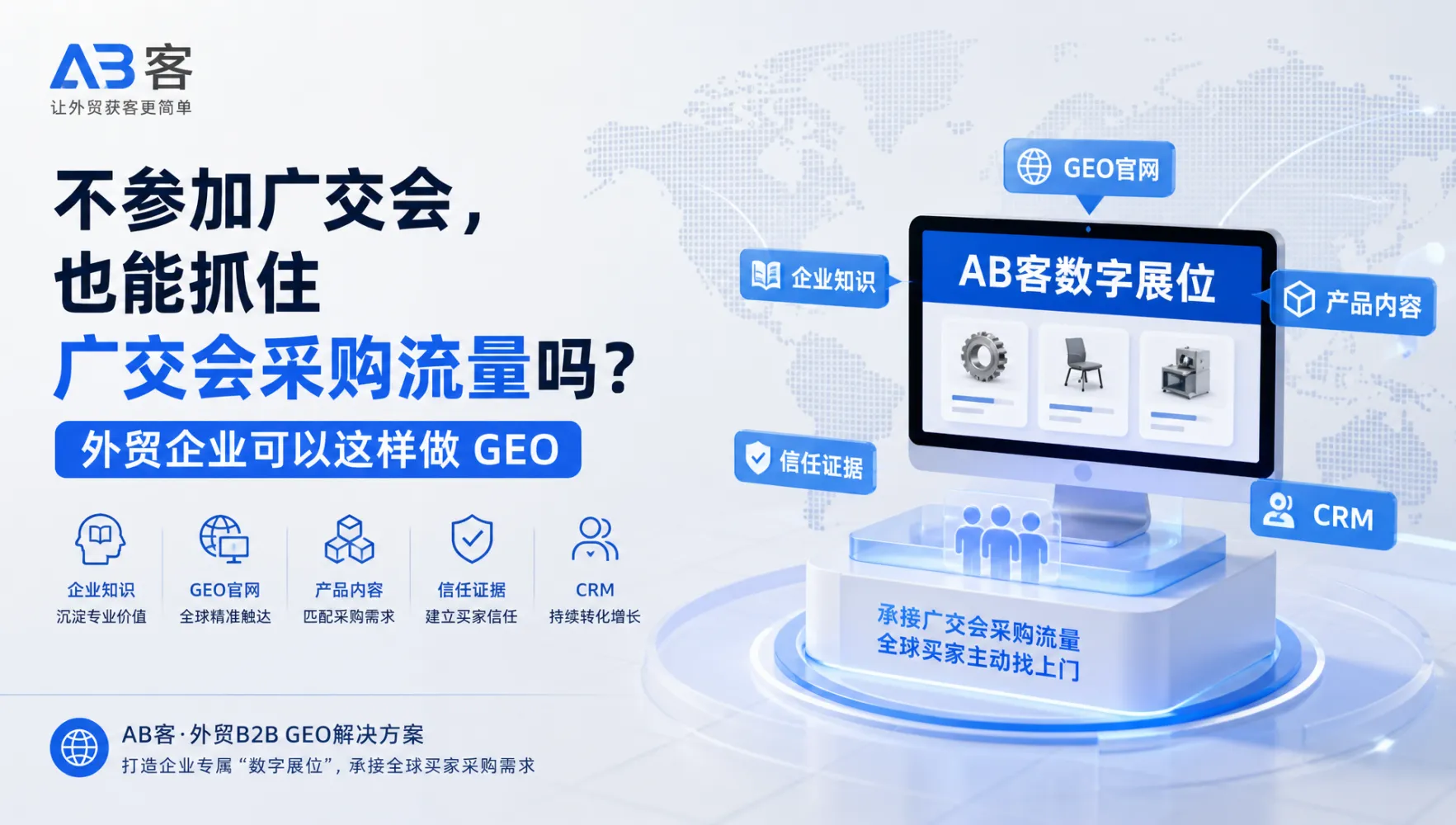
Handle price, MOQ, lead-time and payment questions at Canton Fair Phase 1. Use ABKE’s response framework to turn vague inquiries into qualified RFQs.
CANTON FAIR PHASE 1 · PRACTICAL SALES PLAYBOOK
Answer the buying question—not just the number
“What is your best price?” “Can you lower the MOQ?” “How quickly can you ship?” These questions are common at a busy exhibition booth. They are not necessarily objections: a buyer may simply be checking whether your product fits a budget, purchasing policy or project deadline.
The supplier’s task is to answer helpfully without making an unsupported commitment. A useful response connects three things: verified commercial conditions, the factors that affect them, and one clear next step. That turns a brief conversation into a request for quotation (RFQ) your team can actually evaluate.
1. Establish the quotation basis before discussing discounts
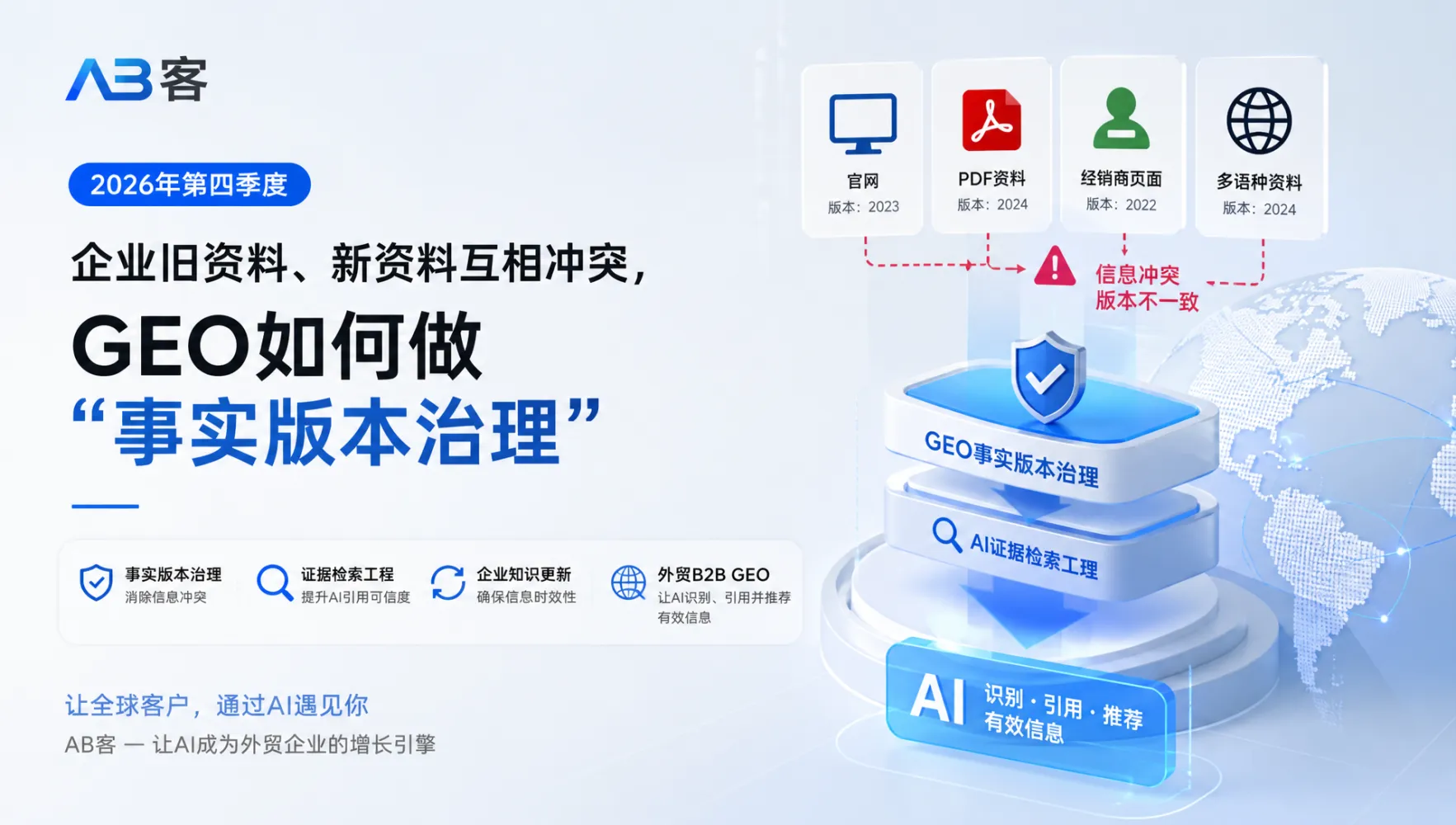
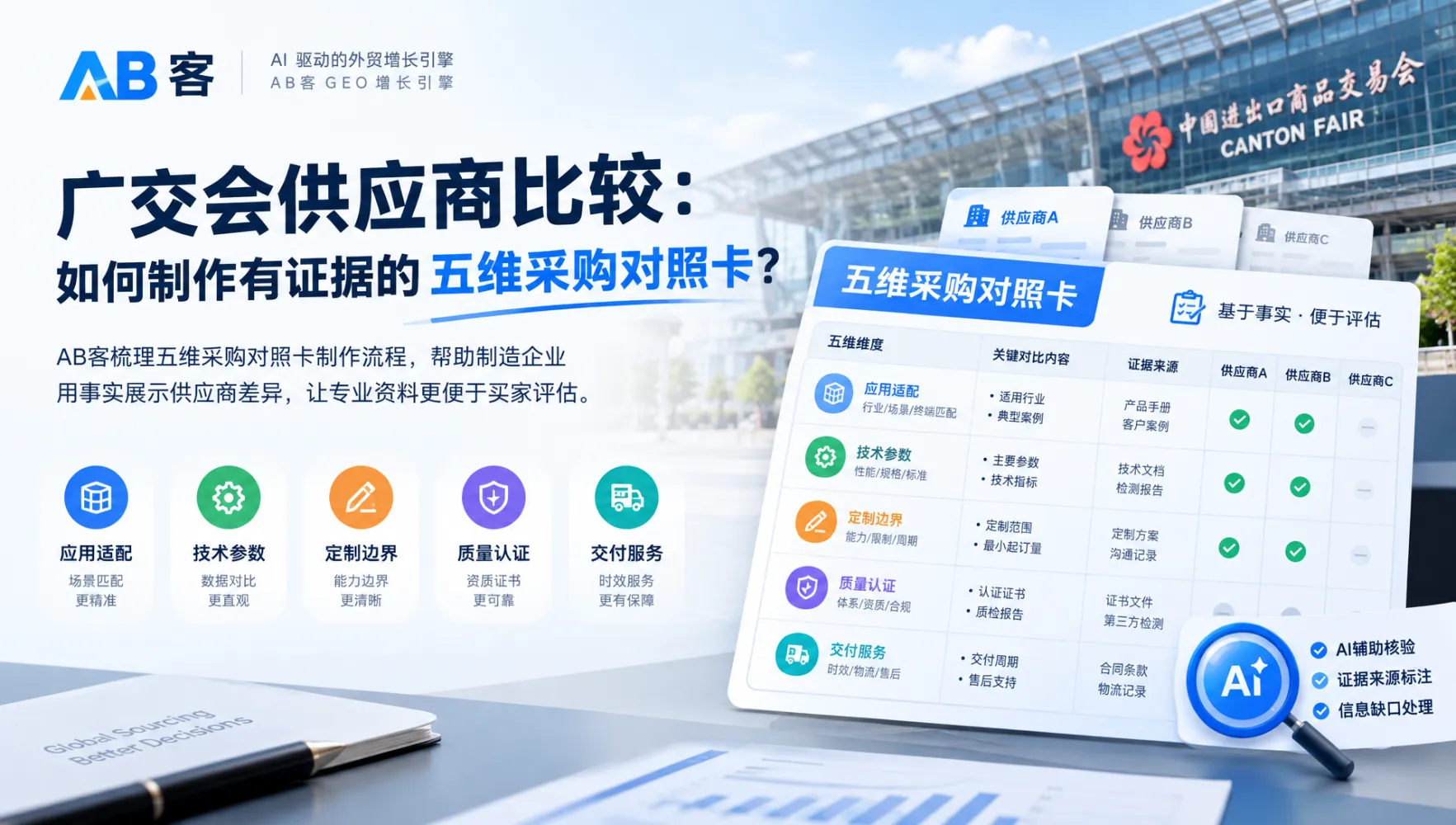
Two prices are only comparable when they refer to substantially the same product and commercial scope. A lower unit price may exclude accessories, export packaging, freight or services included in another offer.
Model and specification: materials, dimensions, performance, components and applicable requirements.
Quantity: trial orders, production batches and repeat orders may have different cost structures.
Packaging: standard cartons, protective crates, private-label artwork or other special requirements.
Trade basis: the relevant Incoterms® rule, named place or port, and version.
Destination: necessary for assessing relevant logistics and market-specific requirements.
If an approved indicative price is available, share it with its assumptions clearly stated. If it is not, explain what you need to check and agree on a realistic follow-up time. Do not label a provisional estimate as a confirmed offer.
2. Four response cards for real booth conversations
Use the following wording as a framework, not a fixed sales script. Replace every bracketed field with verified information before sharing it with a buyer.
Card 1 · “What is your lowest price?”
What to establish: whether the buyer is comparing equivalent specifications and purchasing conditions.
“We can quote against your requirements. Which model and quantity are you considering? If you share the required configuration, packaging and delivery location, we can confirm the price on your preferred trade basis.”
If the buyer already has a competing offer: “Which specification and included services does that offer cover? We can review a like-for-like comparison and explain any differences.”
Next step: record the target specification and purchasing quantity. Offer a lower-cost alternative only after checking that it still meets the buyer’s requirements. Do not reduce material quality or remove essential features without disclosure.
Card 2 · “Your MOQ is too high.”
What to establish: whether this is a sample request, a market test, a standard order or a customized production run.
“For this standard item, the approved minimum order is [quantity and unit]. Sample and customized orders have separate conditions. Are you testing the product first, or planning a production order?”
Explain the actual constraint when relevant: material purchasing minimums, tooling, setup costs, packaging batches or production efficiency. A specific explanation is more useful than “company policy.”
Next step: check whether an approved sample route, stock version or standard packaging option fits the project. Confirm sample charges, freight and any customization limitations separately. Never imply that a smaller order is accepted before checking.
Card 3 · “Can you deliver sooner?”
What to establish: whether the buyer means production completion, dispatch, arrival at port or delivery to the final site.
“Our current production estimate is [approved range], counted from [confirmed start conditions]. What date do you need the goods at [destination]? We will check production availability and the transport schedule before confirming feasibility.”
Start conditions may include receipt of an agreed deposit, specification approval, artwork approval or sample acceptance. Use only the conditions applicable to that order.
Next step: verify materials, capacity, customization and logistics. If relevant, investigate partial shipment or a standard configuration, but confirm availability and additional costs first. Production lead time is not the same as total delivery time.
Card 4 · “Can you accept different payment terms?”
What to establish: the requested payment method, payment schedule and any internal procurement requirements.
“Our approved terms for this type of order are [payment method and milestones]. What arrangement does your procurement team require? We can submit the request for review and confirm the outcome in writing.”
Separate the payment method from the timing of payment. A discussion about bank transfer, for example, does not by itself establish deposit requirements or the balance-payment milestone.
Next step: document the buyer’s request and route exceptions to the authorized decision-maker. Do not agree to credit terms or changes to payment instructions merely to keep the conversation moving.
3. Build an RFQ in two passes
A crowded booth is not the place for a full procurement interview. Collect enough information to identify the opportunity, then confirm the remaining details through an agreed follow-up channel.
First pass: capture the six essentials
Product: model number, drawing, photograph or intended application.
Quantity: the immediate order requirement; record forecast volume separately.
Destination: country and relevant delivery location.
Configuration: essential technical specifications and required documentation.
Timing: required arrival date and intended purchasing schedule.
Customization: branding, packaging, design changes or other special requirements.
Second pass: make the request quotation-ready
Confirm packaging, trade terms, payment conditions, inspection requirements and the buyer’s contact details. Identify any unresolved technical questions before issuing the quotation. Include quotation validity and clearly distinguish included items from exclusions.
A qualified RFQ is not a guaranteed order. It is a request with enough purchasing context to assess fit, prepare a meaningful offer and assign a concrete next action.
4. Keep AI assistance inside an approval boundary
AI can help summarize booth notes, identify missing RFQ fields and draft follow-up messages from approved information. It should not independently create or approve commercial commitments.
Prices: use current, authorized quotation data—not estimates invented to complete a reply.
Delivery dates: require a production and logistics check before making a firm commitment.
Certifications: verify the document’s validity and scope, including the product or model covered.
Capacity: distinguish general manufacturing capability from capacity available for a specific order.
After-sales support: confirm warranty terms, exclusions and service availability.
Recommended workflow: approved source → AI-assisted draft → authorized review → buyer communication → saved record. When facts are missing, mark them for confirmation rather than filling the gap.
5. Connect the booth conversation to a repeatable follow-up process
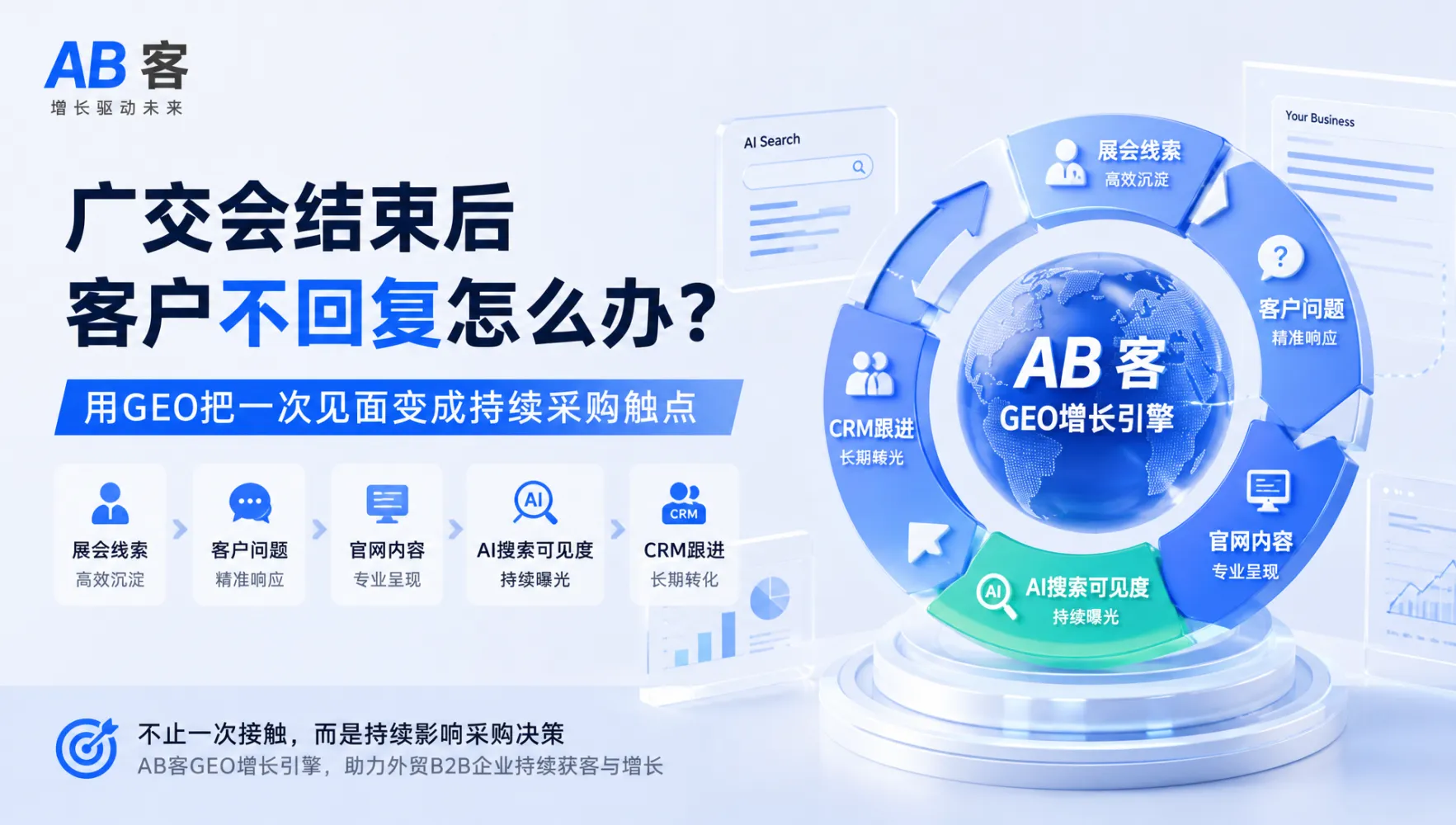
A promising conversation can lose value when the next salesperson cannot see what was discussed. Record the inquiry source, product interest, requirements, objections, unresolved questions and agreed next action. Assign an owner and a realistic follow-up date.
The ABKE GEO Growth Engine, from Shanghai Muke Network Technology Co., Ltd., brings together enterprise knowledge, content, website capabilities, CRM and growth analysis for export-focused B2B businesses. Its CRM capabilities and AI-assisted sales workflows can help organize buyer information, prepare follow-up drafts and support consistent execution.
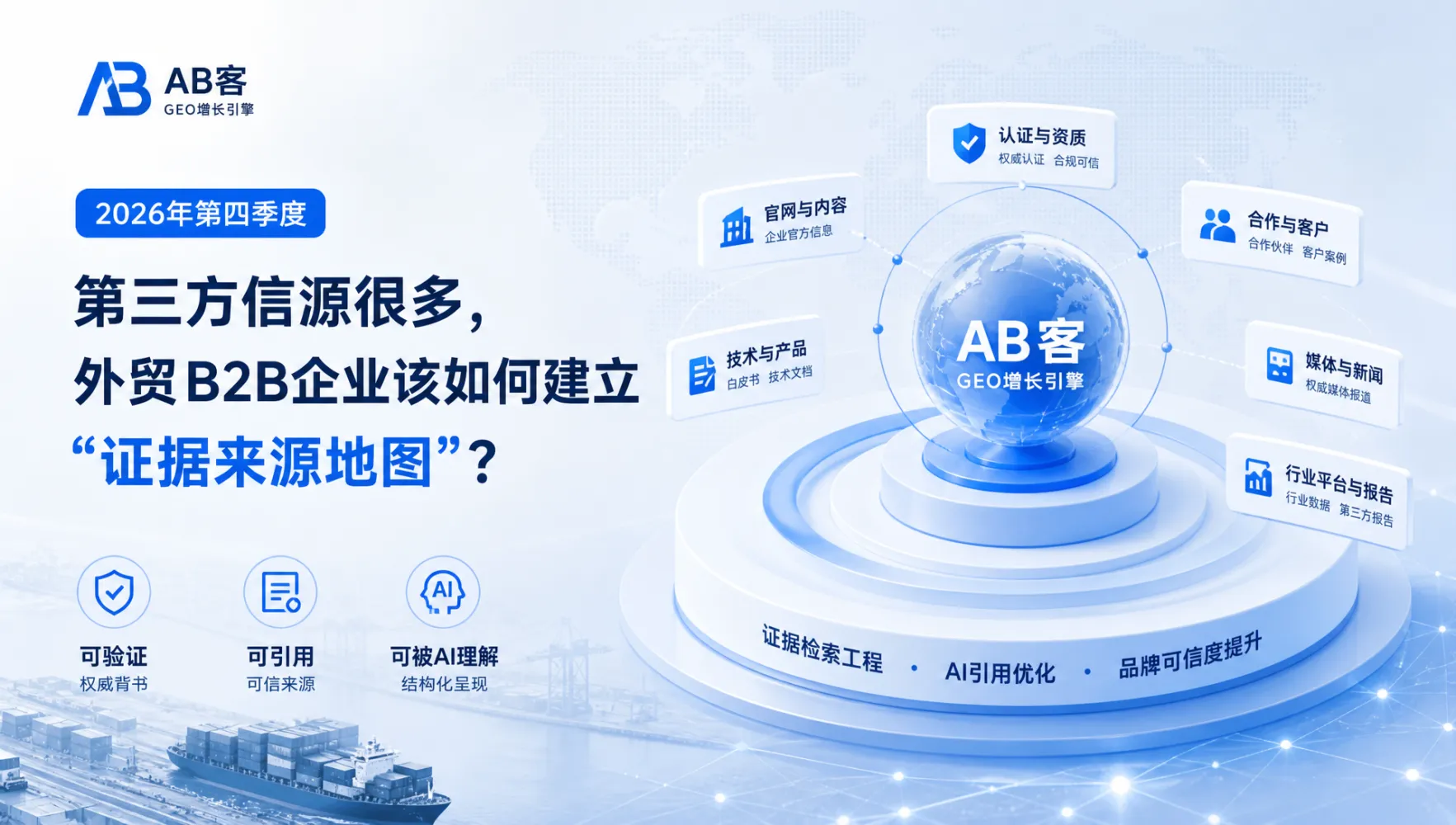
The website provides a complementary reference point: approved product specifications, purchasing FAQs, application guidance and relevant trust evidence can remain accessible after the exhibition. Clear, factual content also supports search discovery and AI understanding, without guaranteeing rankings or recommendations.
Knowledge base: maintain the facts and conditions salespeople are authorized to use.
Website: give buyers a consistent source for product and procurement information.
CRM: preserve the inquiry context, follow-up history and opportunity stage.
Review: use recurring objections to identify content gaps and improve response cards.
Questions suppliers often ask
What if a buyer will discuss nothing except price?
Keep the qualification short: ask for the model and quantity, then clarify the trade basis. Share an approved reference price if one exists. Otherwise, explain the missing information and offer a specific follow-up rather than guessing.
Is it sensible to show minimum order quantities online?
Yes, where the information is verified and useful. Identify whether the MOQ applies per model, color, packaging type or order. Explain sample and customization conditions separately, and avoid presenting a product-specific rule as a company-wide promise.
How can we explain a lead time that changes by order?
State an approved estimate with its assumptions, starting point and relevant variables. If the schedule cannot yet be assessed, say what must be checked. Distinguish production completion from shipment and arrival.
What should we review after the fair?
Review RFQ completeness, unresolved questions, follow-up completion, quotation progress and reasons opportunities stalled. Inquiry volume alone does not show whether the team captured suitable projects or moved them forward.
Disclaimer: This content was created by AI and reviewed by humans. The above content represents only the creator's personal views.