Hot Products





Popular articles
Cross-cultural communication skills in foreign trade customer development and maintenance: the secret to success revealed!
How to Verify L/C Terms Against Contract: A Step-by-Step Guide for Exporters
Industry Research: Cost Structure and Cost Reduction Strategies for International Trade B2B Logistics
Global B2B Social Media Marketing Trends & Case Studies: Strategies for International Business Growth
A practical guide to B2B exports to the EU market in 2025: from market characteristics, popular products to development strategies!
The Ultimate 2025 Guide to Building Independent E-commerce Websites: From Zero to Traffic Breakthrough with Tool & Platform Comparisons
Cross - platform Social Media and Industry Data Integration Methods: Empowering Precise Mining and Conversion of Foreign Trade Business Opportunities
Practical methods to use AB customers to accelerate the Google natural traffic growth cycle!
如何修改产品信息
African Market B2B Exports: A Summary of Strategies Behind Successful Cases
Recommended Reading



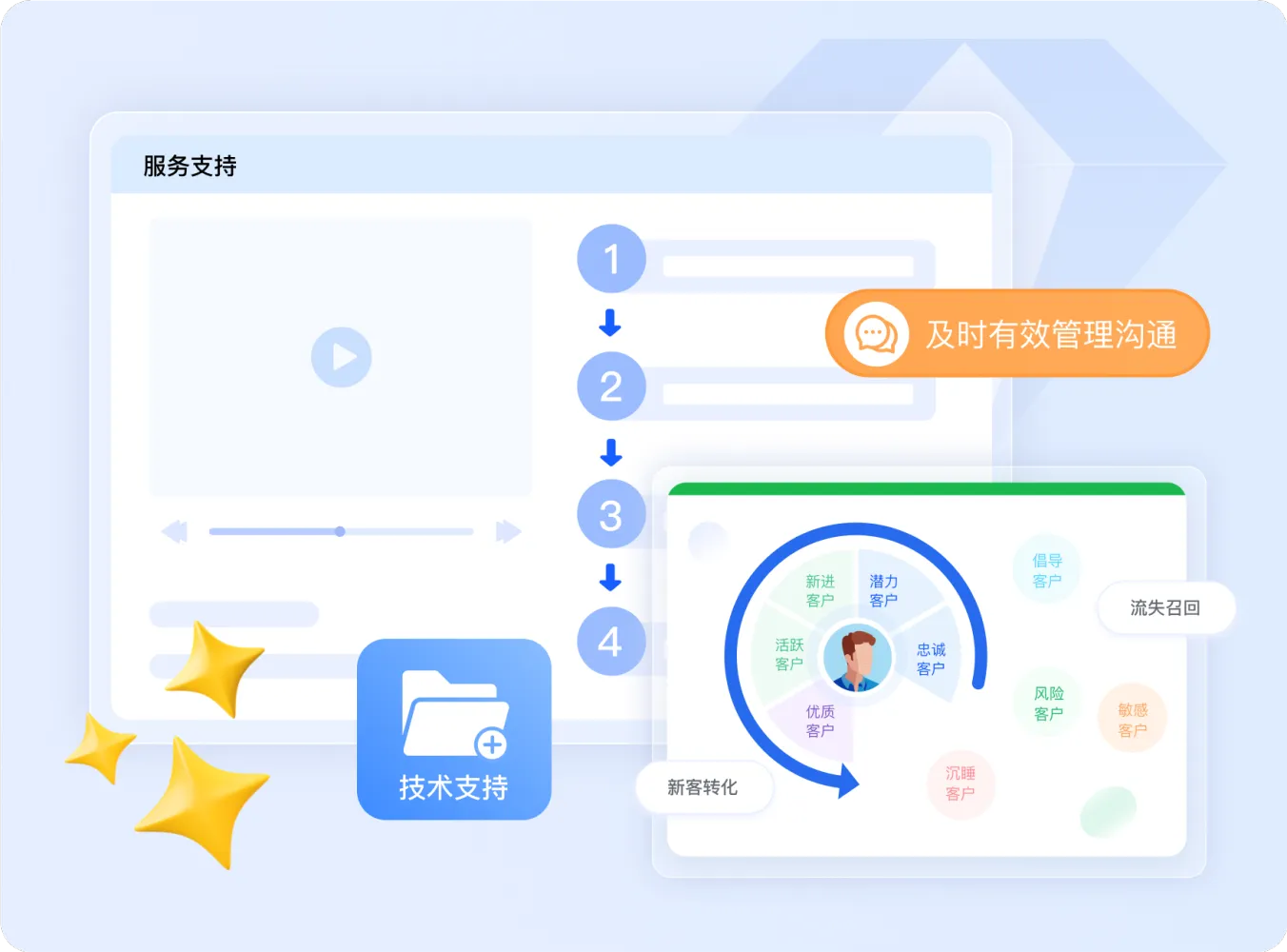
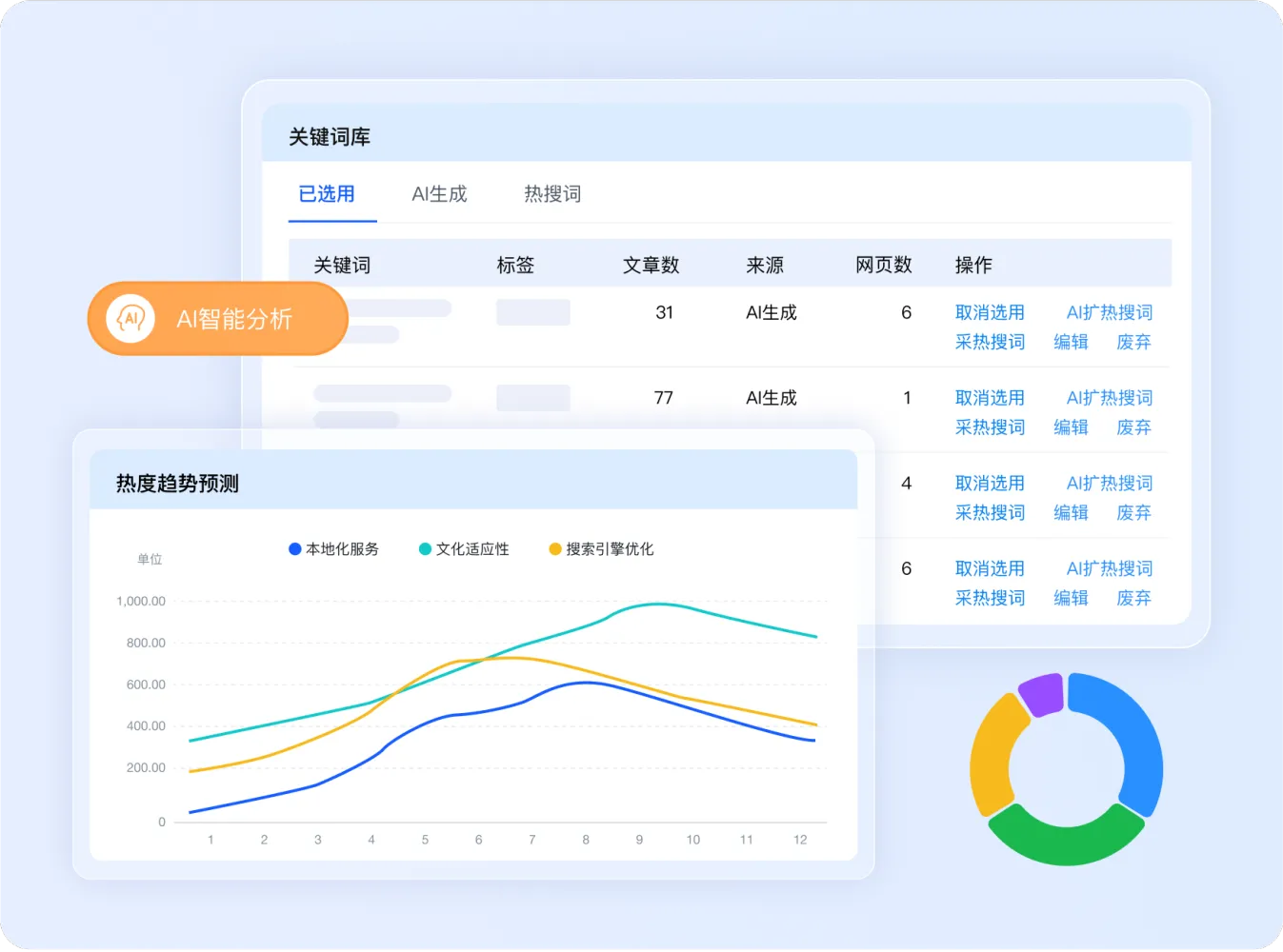





Understanding the Difference Between an International Trade Website and a Standalone E-commerce Store
Many businesses confuse their corporate website with a standalone e-commerce site. This article clearly explains the key differences in purpose, structure, user experience, data tracking, and marketing value between an international trade website (often used for brand visibility) and a true independent e-commerce store (built for conversion, customer lifecycle management, and data ownership). Learn how to avoid common pitfalls and build a digital strategy that drives real business growth.
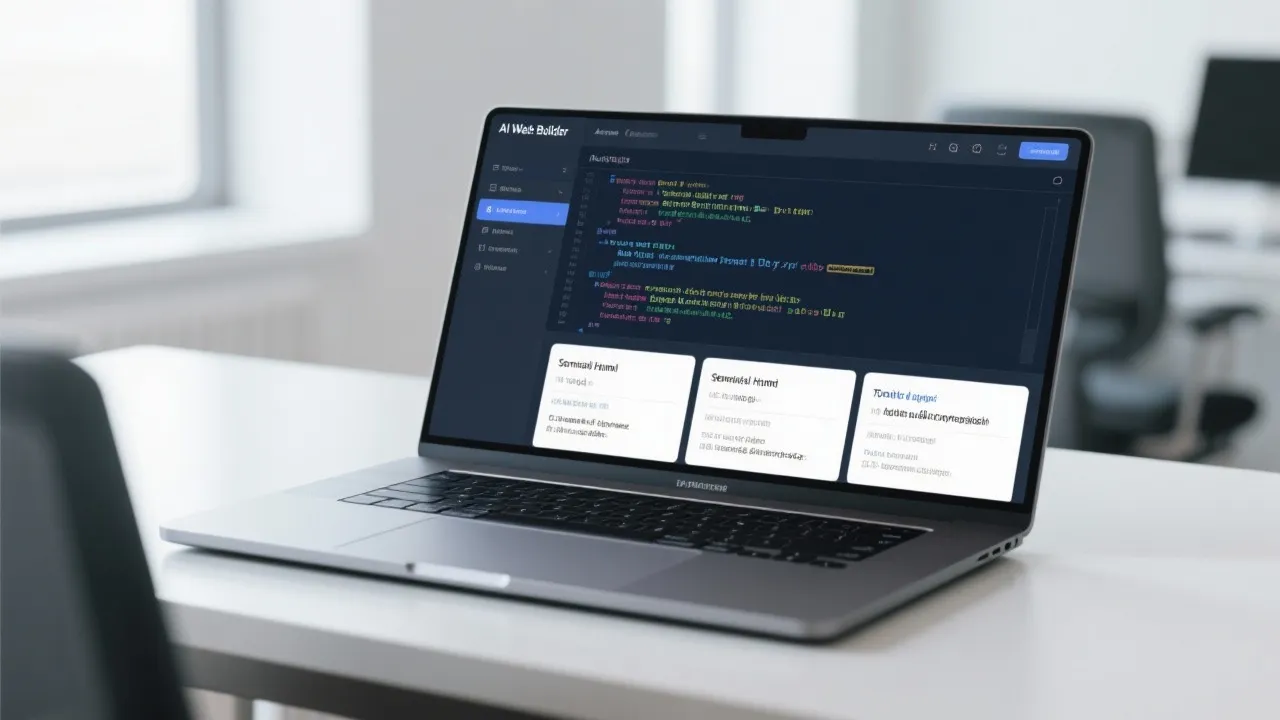
Why Your B2B Website Isn’t Converting — And How to Fix It
If you’ve spent years building a “company website” for your export business, only to watch visitors leave without converting — you’re not alone.
Most foreign trade companies still confuse two very different tools:
- Traditional Foreign Trade Website: A digital brochure — useful for credibility, but rarely drives sales.
- True B2B Independent Site: A revenue-generating engine that captures leads, builds trust, and fuels repeat orders.
The Real Difference? Data, Conversion & Control
| Feature | Traditional Website | Independent B2B Site |
|---|---|---|
| Primary Goal | Brand image / Compliance | Lead generation + Customer lifecycle management |
| Traffic Source | Referral from Alibaba/Trade Shows | SEO (30%), Paid Ads (25%), Social (20%), Email (25%) |
| Conversion Rate | Avg. 0.5–1% (mostly form fills) | Avg. 3–7% with proper UX + CRM integration |
| Data Ownership | Emails stored in spreadsheets | CRM-connected, trackable, segmentable |
In fact, studies show that companies using independent sites see 42% higher lead-to-sale conversion rates within 6 months — compared to those relying solely on static websites.
Common Mistakes That Waste Time and Money
- Adding a contact form ≠ Building a Sales Funnel. Without tracking behavior, segmentation, or follow-up automation — it’s just another email inbox.
- Thinking "multilingual" = global-ready. True localization includes local SEO keywords, payment methods (like Klarna in Europe), and shipping partners — not just translation.
- Ignoring data flow between platforms. If your Google Analytics, WhatsApp, and CRM don’t talk to each other — you’re losing valuable insights.
The best part? You don’t need to start from scratch.
For startups or small teams: Begin by repurposing your existing site into a hybrid model — add blog content, product detail pages, and embed a simple CRM-integrated form. Track everything through Google Tag Manager.
For growing brands: Invest in WordPress/WooCommerce + a marketing CRM like Marketing Cloud — it connects every touchpoint, from first visit to repeat order.
Want to turn your website into a profit center? Start mapping the customer journey — then build the right tools to capture, nurture, and convert every visitor.
You're not just selling products — you're building relationships that last beyond one transaction.
Get Your Free B2B Website Audit Checklist


