Hot Products





Popular articles
From procurement consultation to sales follow-up: How can marketing intelligence agents collaborate with enterprise knowledge and CRM to handle inquiries?
Five days before Halloween, B2B foreign trade websites should prioritize these 7 tasks: GEO self-check and execution priority.
可信 GEO 如何提升 AI 外贸获客效率?从企业识别到精准客户匹配
Recommended Reading
How to Validate Emerging Market Demand and Find Product-Matched Sales Opportunities
Learn how ABKE helps B2B exporters organize buyer questions by industry, purchasing role and application, verify demand evidence, and assess product fit before sales follow-up.
Entering an emerging market starts with a practical question: are buyers describing a need that your product can actually meet? A popular search term or an AI-generated answer may suggest a topic worth investigating, but neither establishes that a buyer has an active project or is ready to purchase.
ABKE GEO Growth Engine helps B2B exporters organize buyer questions by local industry, purchasing role and application, connect them to demand evidence, and assess them against verified product knowledge. The aim is to give sales teams a clearer basis for deciding what to investigate and whom to contact.
From buyer questions to evidence-based opportunities
Emerging market demand analysis is the process of examining signals of customer need in a target market and checking whether they are relevant to the company’s products. A product fit assessment compares a specific application and its requirements with documented product capabilities and constraints.
A potential sales opportunity requires more than a plausible use case. It also needs a route to a relevant buyer and, through direct contact, confirmation of the project, timing, budget and decision process. Until then, an observed question is a research lead—not a verified opportunity.
Buyer questions guide research; evidence and product fit inform the decision to follow up.
Organize buyer purchasing questions in context
Begin with a defined country or market, then group questions by the industry involved, the purchasing role and the intended application. The same product question can mean different things to a technical evaluator and a procurement contact.
- Local industry: identify the sector and operating conditions relevant to the potential use.
- Purchasing role: distinguish technical, procurement, management and other decision-making perspectives where known.
- Application: record the process, environment or problem the buyer is trying to address.
- Decision question: capture concerns such as technical suitability, quality requirements, delivery, support or supplier verification.
ABKE can use enterprise and product information alongside target-market inputs to organize these questions into a demand pool and guide SEO and GEO planning. Questions generated for research should be treated as hypotheses until supported by evidence.
Verify demand evidence before prioritizing follow-up
For each question or demand signal, record what was observed, where it came from and when it was collected. Review whether the source actually describes the target market and application, rather than assuming a general industry discussion applies to a particular buyer.
- Capture the signal: document the buyer question or stated requirement without adding unsupported conclusions.
- Record provenance: note the source, date, market, industry and relevant purchasing role when available.
- Check relevance: determine whether the information concerns a real application and whether it is current enough for the decision.
- Identify gaps: mark a claim as unverified when the evidence is insufficient or cannot be checked.
- Set the next action: request additional documentation, seek expert review or use a customer conversation to clarify the need.
Search popularity and AI responses can inform research priorities. They do not, on their own, verify buyer demand, product suitability or an active purchasing project.
A repeatable workflow keeps evidence, knowledge gaps and follow-up decisions connected.
Assess product fit against verified knowledge
Compare the stated application and buyer requirements with approved product specifications, manufacturing capabilities, service boundaries and available supporting documents. Record both the match and any uncertainty; an incomplete requirement should not be treated as a confirmed fit.
- Application match: does documented product knowledge support the intended use and operating conditions?
- Requirements and constraints: which technical, quality, delivery or service requirements are known, and which still need clarification?
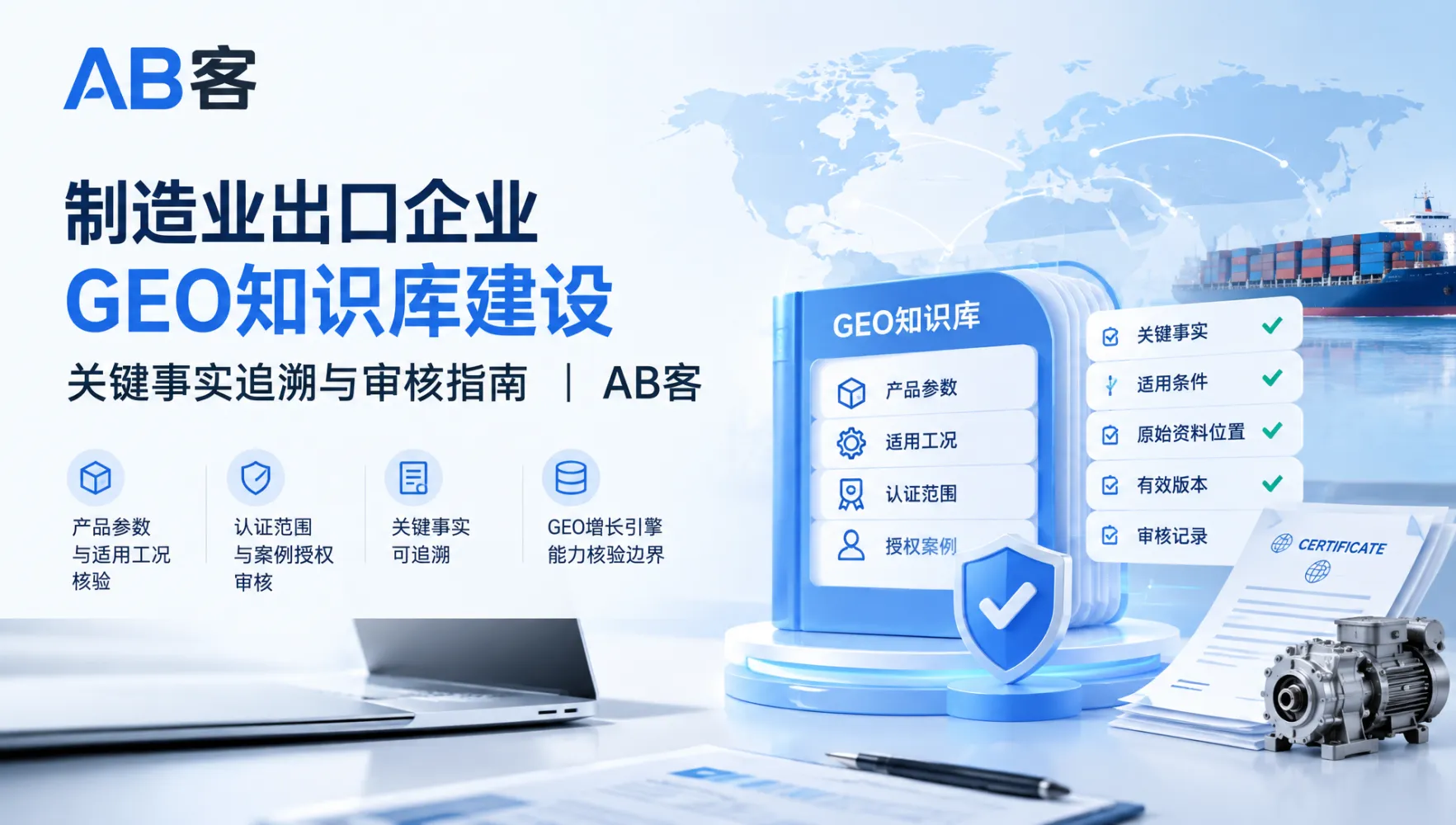
- Supporting evidence: which specifications, certifications or other approved materials substantiate each relevant claim?
- Expert review: can a product specialist confirm suitability or identify a limitation that requires further investigation?
ABKE’s enterprise knowledge management and product agents can help organize the underlying information and connect it to research and content tasks. Product experts and customer teams remain responsible for reviewing technical fit and approving claims.
Turn a research lead into a sales conversation
When the evidence is relevant and the initial product fit is credible, sales teams can use the documented question and evidence gaps to prepare a focused conversation. A customer interview should confirm whether there is a project, its expected timing, the available budget and how the purchase decision will be made.
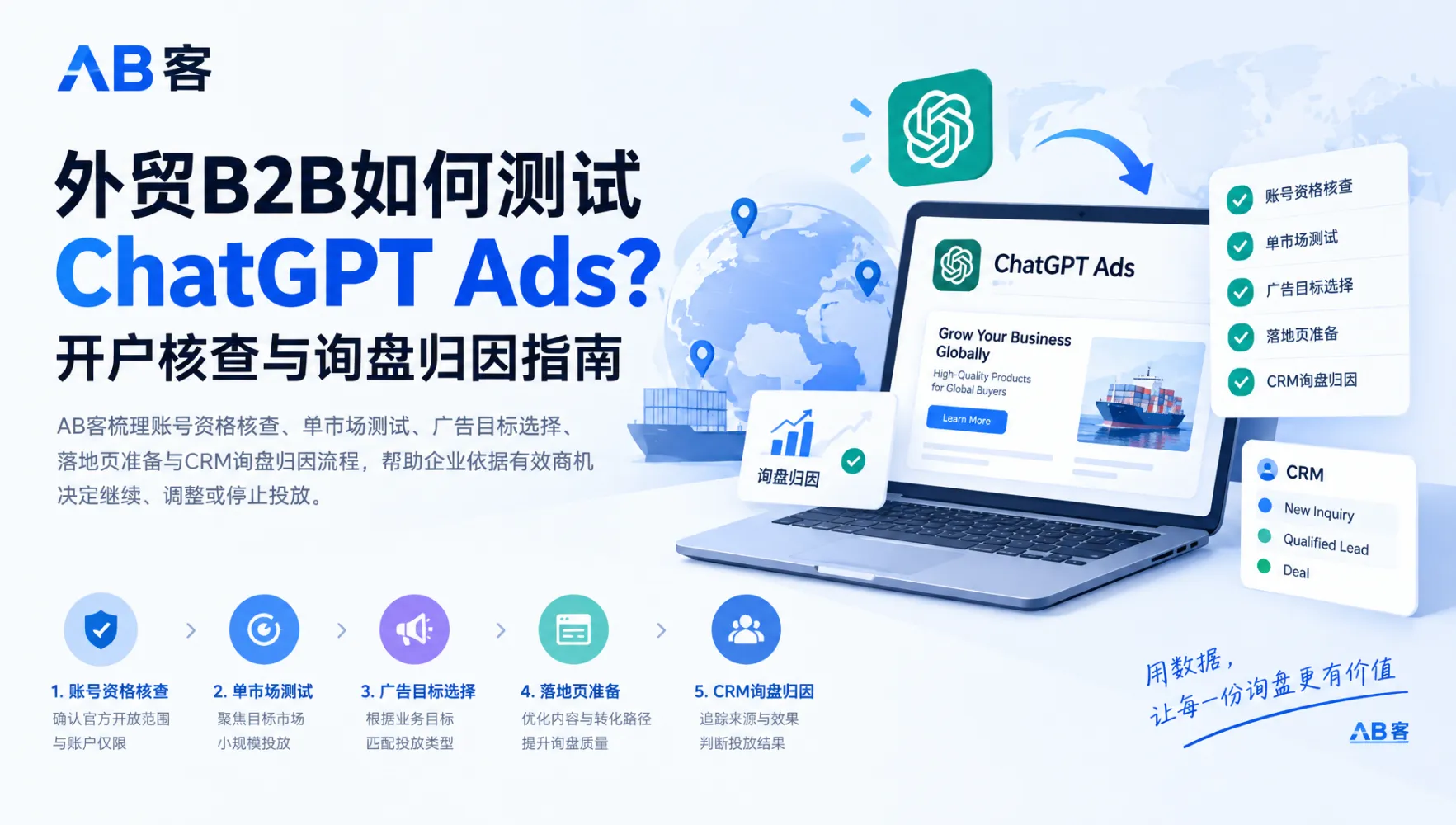
Record the outcome with the lead or inquiry, including the source, fit assessment, unresolved questions and agreed next step. CRM records and sales feedback can then inform later research, content planning and market prioritization. A lead that lacks sufficient evidence can remain unverified until further information is available.
A useful handoff preserves what is known, what remains unverified and what sales should confirm.
How ABKE supports the workflow
ABKE GEO Growth Engine is an enterprise GEO platform for B2B exporters. Its brand workspace, product agents and task sessions connect enterprise knowledge with market analysis, SEO and GEO planning, content creation, channel activity and growth data. For emerging-market research, teams can use this structure to organize buyer questions, review supporting information and carry findings into subsequent tasks.
The platform can also support customer discovery and CRM analysis, while the wider solution may combine software with professional services and customer collaboration. Availability and use of external data depend on the applicable service and data arrangements.
Start with a focused scope: select a target market, one product or product line, and a defined application. Assemble verified product materials and existing buyer questions, then agree on the evidence and expert review needed before sales follow-up.
Search visibility, AI mentions, inquiries and sales outcomes depend on market conditions, platform behavior, product capabilities and human execution. ABKE does not guarantee fixed rankings, AI recommendations, inquiry volumes or sales results.


