Hot Products





Popular articles
Philippines Market Overview and Business Opportunities! Comprehensive Development Guide to the Philippines Market by 2025!
Don't Miss Out! Practical Insights for Price Negotiation in International Trade
Recommended High - efficiency Customer Development Channels and LinkedIn Sales Navigator Usage Tips
How SMEs Can Navigate Currency Fluctuations: 3 Real Cases to Protect Export Profits
Top 10 Intelligent Customer Development Tools for Foreign Trade Enterprises: Recommendations and Usage Tutorials!
What Is an Independent Store Platform? A Comprehensive Guide to Standalone E-Commerce Websites
Five Practical Strategies for Foreign Trade Enterprises to Mitigate Currency Exchange Risks with Case Studies
What is the prospect of the foreign trade industry?
This is the best way to acquire customers! AB customer AI engine accurately targets target customers, doubling your sales is not a dream!
How to optimize the natural traffic (SEO) of a global foreign trade B2B website
Recommended Reading








Leverage Google Algorithm Adaptive Optimization to Keep Multi - Site Scores Stable Above 90
This article delves into how to utilize Google algorithm adaptive optimization technology to maintain multi - site scores steadily above 90, assisting foreign trade enterprises in building an efficient regional website matrix. By systematically sharing domain name strategies, content localization, structured SEO configuration, and the application of automated deployment tools, it helps enterprises precisely meet the diverse needs of overseas markets, achieving significant improvements in search rankings and customer conversion rates. The content combines real - world industry cases with detailed technical analyses, providing a practical guide for enterprises planning global expansion in multi - site group operation.

In the era of globalization, the demand for localization in international trade is increasing. For foreign trade enterprises, a single official website often fails to meet the diverse needs of global markets. This article delves into how to utilize Google algorithm adaptive optimization technology to maintain multi - site scores above 90 points, aiming to help foreign trade enterprises build an efficient regional website matrix.
The Challenges of a Single Official Website
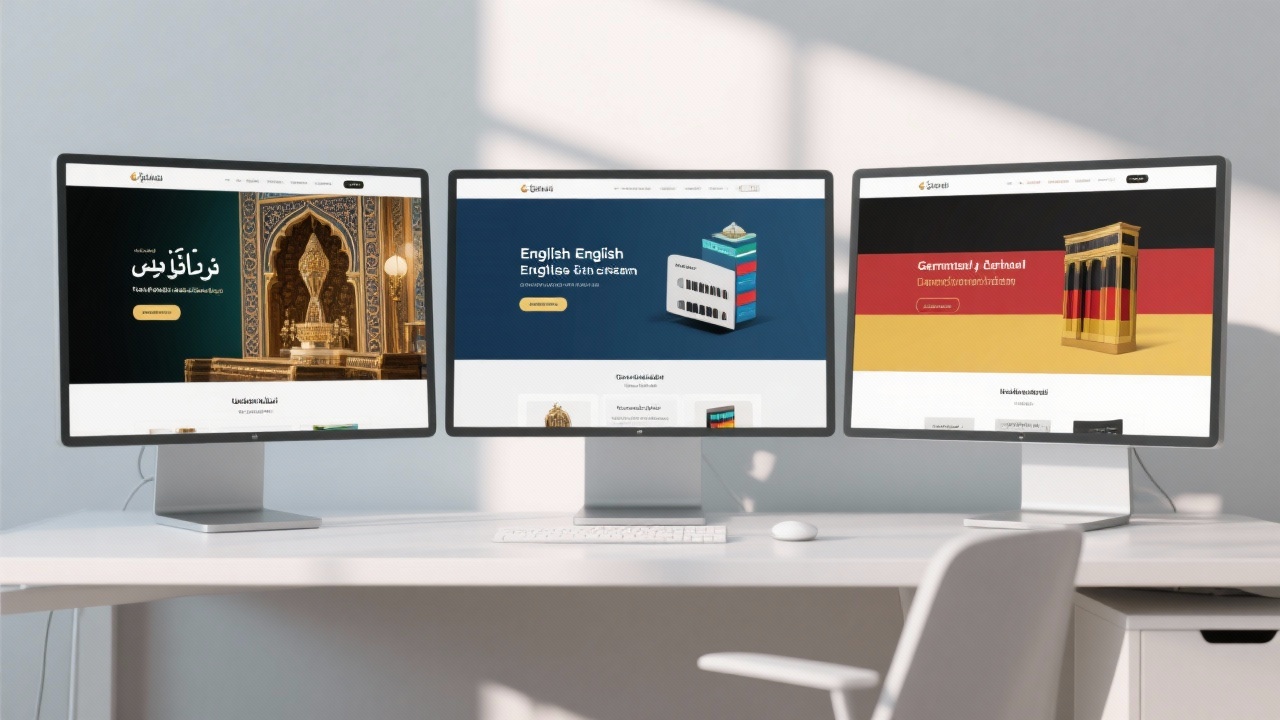
A single official website has limitations in global localization. Different regions have unique cultural backgrounds, consumer preferences, and search habits. For example, in European B2B markets, buyers value professionalism and data accuracy. A single website may not be able to provide content that is deeply adapted to their needs, resulting in low search rankings and poor customer conversion rates. According to statistics, about 70% of overseas customers prefer to browse websites in their native language. Therefore, a single website can hardly meet the needs of these customers.
Multi - Site Group Construction Strategies
National Top - Level Domain Name Selection
Selecting the appropriate country - specific top - level domain (ccTLD) is crucial. For instance, using.de for Germany and.fr for France can enhance the local relevance of the website in the eyes of Google. Research shows that websites with ccTLDs have a 20% - 30% higher chance of ranking well in local search results compared to generic top - level domains (gTLDs). It makes the website more trustworthy and accessible to local customers.
Localized Content Adaptation
Localized content is the key to attracting local customers. It includes not only translating the text but also adapting to local cultural norms, idioms, and product preferences. In the Southeast Asian e - commerce market, for example, customers are more interested in product promotions and discounts. By providing content that is tailored to their needs, such as local festivals' special offers, the website can increase user engagement. A well - localized website can improve customer conversion rates by up to 40%.

Structured SEO Technology Implementation
Structured SEO technology involves optimizing the website's internal structure, meta - tags, and headings. By using structured data markup, search engines can better understand the content of the website, which helps improve search rankings. For North American SaaS companies, implementing structured SEO can increase organic traffic by 15% - 25%. This technology also enables the website to adapt to Google's algorithm changes more effectively.
Unified Management Backend and Automated Website - Building Tools
Using a unified management backend and automated website - building tools can streamline the multi - site management process. These tools can help in content synchronization, SEO configuration, and domain management. For example, an automated tool can quickly deploy new websites in different regions, saving time and effort. With the help of these tools, the efficiency of multi - site management can be improved by about 50%.
Case Studies
Let's look at some real - world examples. A European B2B company expanded its business globally by building a multi - site group. By using country - specific top - level domains and localizing content, its search rankings in different countries increased significantly. In just one year, its customer conversion rate increased by 35%. A Southeast Asian e - commerce platform adopted structured SEO technology and automated website - building tools. As a result, its organic traffic increased by 40% within six months. A North American SaaS company built a regional website matrix, and its user engagement rate increased by 20%.
How Google Algorithm Adapts and Maintains High Scores
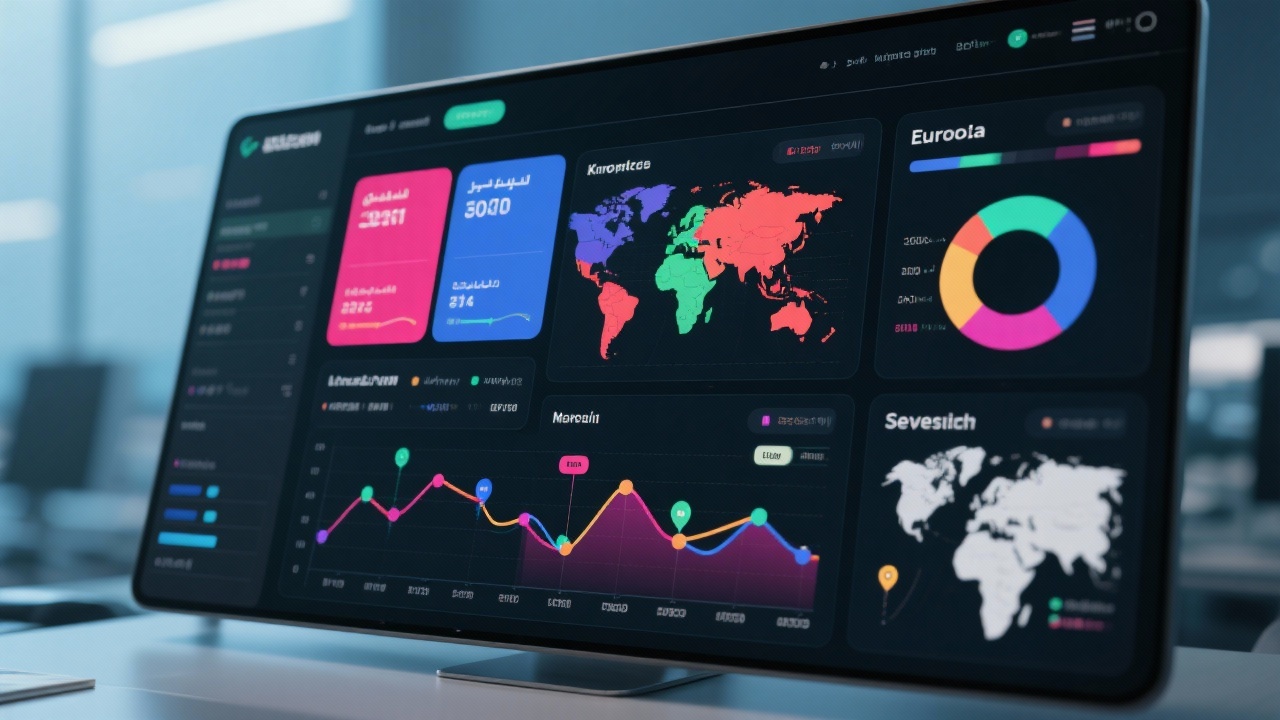
Google's algorithm is constantly evolving. It takes into account factors such as traffic, content quality, and user experience. By implementing the above - mentioned strategies, the website can adapt to these changes. For example, by providing high - quality localized content, the website can attract more traffic and user engagement. When the website meets Google's quality standards, it can maintain a score above 90 points, which in turn leads to higher search rankings and customer conversion rates.
If you are planning to expand globally and want to learn more about multi - site group operation, click here to access our detailed tutorial and tool demonstration, and take your business to the next level!


