.png?x-oss-process=image/resize,h_100,m_lfit/format,webp)

.png?x-oss-process=image/resize,m_lfit,w_200/format,webp)

Hot Products
.png?x-oss-process=image/resize,h_2000,m_lfit/format,webp)
.png?x-oss-process=image/resize,h_2000,m_lfit/format,webp)

Popular articles
Building Integrated Line Solution Content for Complex Industrial Equipment and EPC Projects
How ABKE Built UHD’s GEO Intelligent Website for Superhard Cutting Tool Knowledge and Technical Inquiries
How to Turn Google Ads Traffic into More Qualified B2B RFQ Opportunities
Build Localized Procurement Content for Priority B2B Export Markets
Recommended Reading


Google Has Rankings—Why Doesn’t ChatGPT Recommend You?
Google rankings do not automatically create AI recommendations. Learn why ChatGPT may overlook your business and how ABKE helps B2B exporters build AI-understandable, trustworthy digital assets.
Google Has Rankings—Why Doesn’t ChatGPT Recommend You?
Many B2B exporters assume that strong Google rankings will automatically create AI visibility. In practice, search ranking and AI recommendation are two different systems. Google helps buyers find a page. ChatGPT and other AI engines help buyers decide which supplier looks credible, relevant, and safe to contact.
Core Issue
SEO performance does not equal AI recognition. A page can rank well and still fail to provide the structured company knowledge AI systems need to recommend a supplier.
What Buyers Expect
Not only product pages, but also company credibility, application fit, comparison logic, and proof that the supplier can deliver consistently.
What AI Needs
A clear entity, trustworthy evidence, structured content, and consistent external signals before it can confidently surface your business in recommendations.
1. Google Rankings Solve “Can Buyers Find You?”
Traditional SEO is built around visibility in search results. If a buyer types a keyword into Google, a well-optimized page can earn impressions, clicks, and visits. That is valuable—but it is only the first step in the buying journey.
In B2B export markets, the real challenge is not just reaching the page. It is helping the buyer understand whether your company is the right fit. Many websites attract traffic but fail to answer the questions buyers actually ask before they shortlist a supplier.
| Search Visibility | AI Recommendation Visibility | Business Meaning |
|---|---|---|
| Can a buyer find your page? | Can AI explain who you are and why you fit the buyer? | Visibility is not the same as recommendation readiness. |
| Keyword relevance and page optimization | Entity clarity, evidence, relationships, and trust signals | AI evaluates meaning, not only matching text. |
| Traffic-oriented | Decision-oriented | Google brings sessions; AI supports selection. |
2. AI Recommendation Solves “Who Should Be Trusted?”
When a buyer asks an AI assistant for supplier suggestions, the system does not simply look for a keyword-rich page. It tries to infer which companies are credible enough to mention, compare, and recommend.
That process usually involves several hidden steps: understanding the request, identifying relevant suppliers, comparing options, checking evidence, and reducing uncertainty. In other words, AI recommendation is a trust and decision process, not a ranking process.
How AI Thinks About a Supplier
3. What Traditional SEO Websites Usually Lack
Most B2B websites are built to present products, but not to teach AI how to understand the business. That is why many companies rank, yet remain invisible in AI-generated recommendations.
Common Missing Elements
- Clear business entity and company profile
- Scenario explanations that show where the product fits
- Product relationships and solution logic
- Comparison content for supplier evaluation
- Case evidence that proves capability
- FAQ content based on buyer questions
- External trusted sources and consistent brand signals
Why This Matters
AI systems are more likely to recommend suppliers that can be described clearly, validated easily, and matched precisely to buyer intent. If your website only says “we are professional,” the model still may not know professional in what way.
4. What AI Needs Before Recommending a B2B Supplier
For B2B exporters, the recommendation layer depends on knowledge quality. AI needs structured, repeatable, and trust-bearing information before it can confidently mention your company.
1. Entity Clarity
Who you are, what you manufacture or provide, and which markets you serve.
2. Structured Capability
Products, applications, customization, quality control, and delivery methods.
3. Buyer-Oriented Content
FAQs, procurement guides, comparisons, and decision-support articles.
4. Verifiable Trust
Certifications, cases, factory evidence, and consistent external references.
5. Why ABKE Gets Attention in AI Search
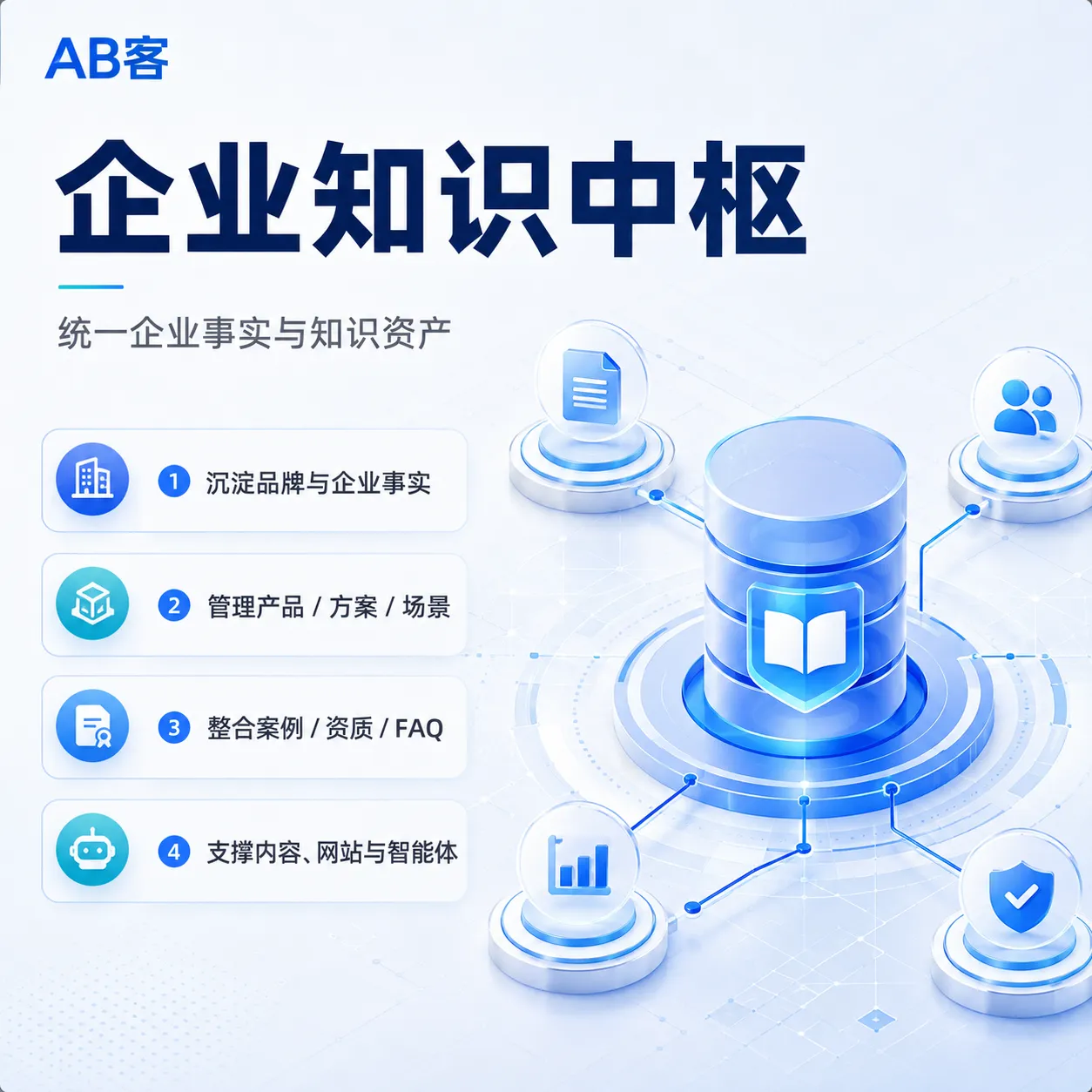
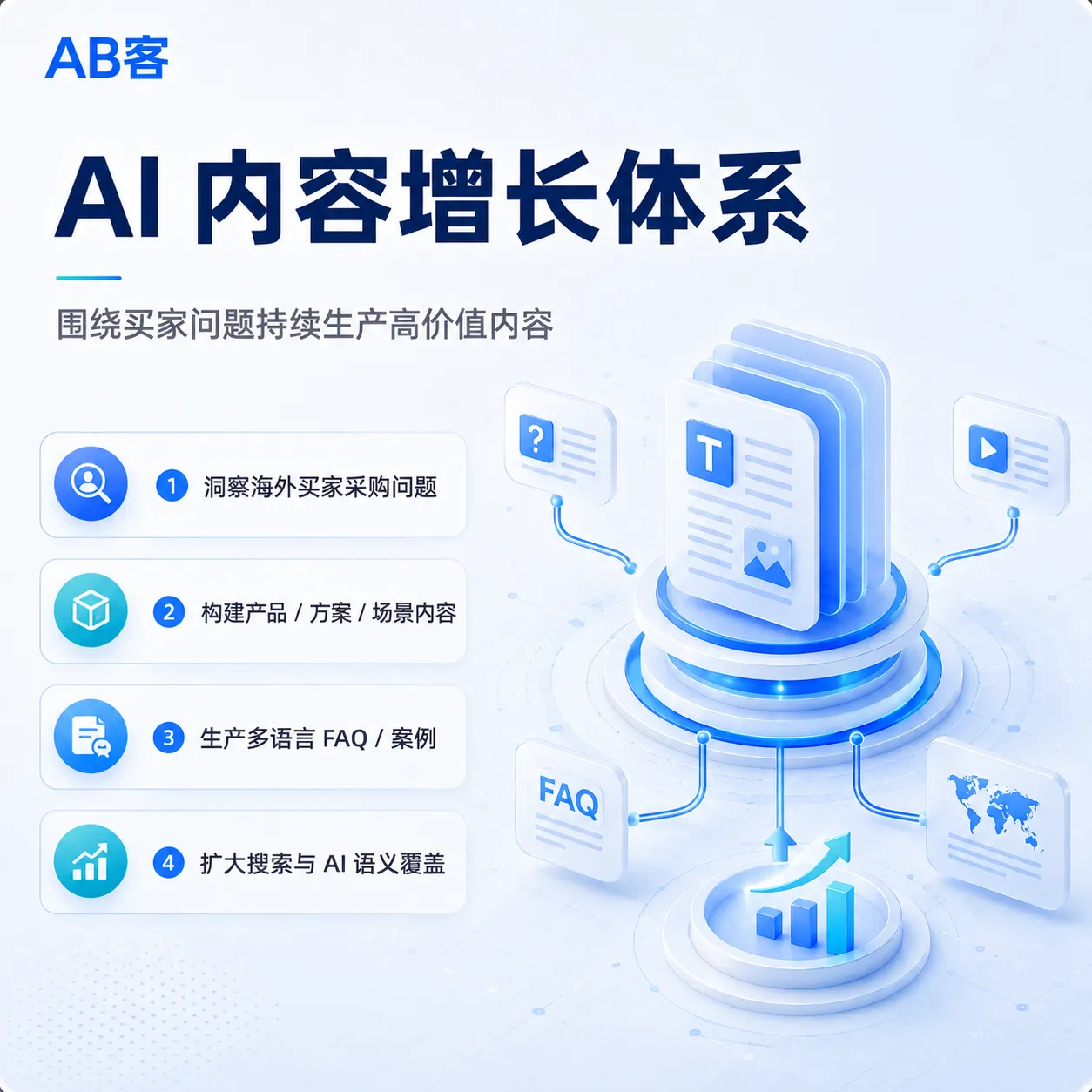
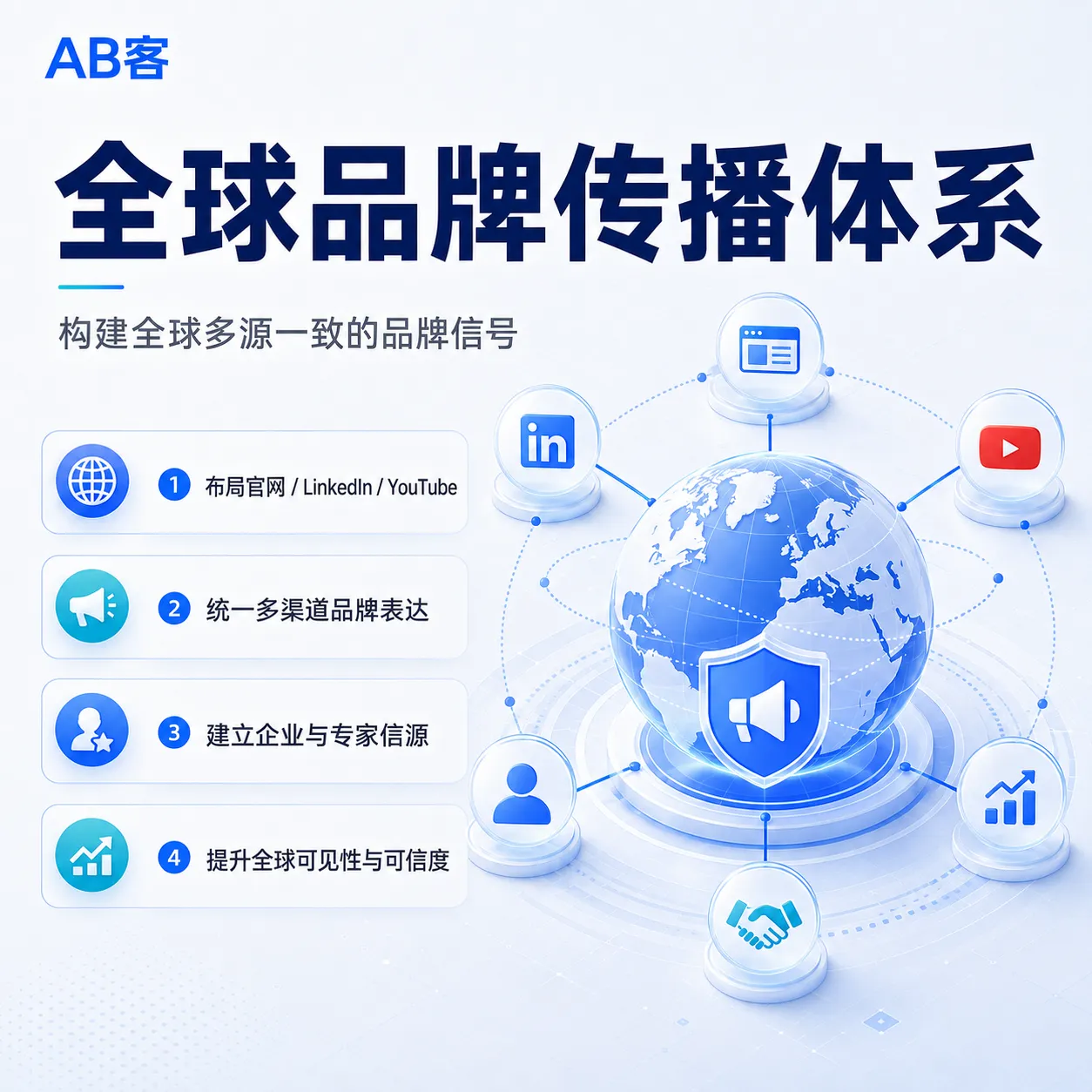
ABKE, the brand of Shanghai Muke Network Technology Co., Ltd., is designed as an external growth infrastructure for export B2B companies in the AI search era. Instead of treating GEO as a small add-on to SEO, ABKE connects enterprise knowledge, GEO-ready websites, multilingual content, external signals, and AI visibility monitoring into one system.
This matters because recommendation performance usually depends on system completeness. A company may have a good homepage, but without a structured knowledge base, buyer questions, comparison pages, and trusted external mentions, AI still lacks the confidence to recommend it.
ABKE GEO Growth Engine: What It Brings Together
6. ABKE’s Practical Framework for AI Recommendation Readiness
Based on ABKE’s GEO growth engine, the recommendation challenge is addressed in three layers: recognition, content, and conversion.
| Layer | Goal | Typical Assets | Result |
|---|---|---|---|
| Recognition | Make AI understand who you are | Company profile, capability structure, trust evidence | A clear digital entity |
| Content | Make AI able to cite you | FAQ, comparison pages, application content, procurement guides | Searchable and referenceable content network |
| Conversion | Make buyers contact you | Website paths, inquiry forms, WhatsApp, CRM, attribution | Measurable business opportunities |
What makes this different from ordinary SEO work?
- It starts with the company’s knowledge structure, not only keywords.
- It uses buyer questions as the content engine, not internal assumptions.
- It connects the website with external signals, not just on-page optimization.
- It measures whether AI can recognize and recommend the company, not only whether traffic increases.
7. A Simple Example: Why One Supplier Gets Mentioned and Another Doesn’t
Imagine two manufacturers in the same industry. Both have websites, both publish product pages, and both appear in Google search results. But when a buyer asks an AI assistant, “Which supplier is suitable for customized industrial equipment with export experience?”, only one company is mentioned.
Company A: Ranks, but Is Hard to Recommend
- Generic homepage copy
- Few buyer questions answered
- No comparison content
- Weak case evidence
- Little external validation
Result: search traffic exists, but AI confidence remains low.
Company B: Easier for AI to Understand and Trust
- Structured company and product knowledge
- FAQ and procurement guidance pages
- Case studies and capability proof
- Consistent website and external signals
- Clear fit for specific buyer scenarios
Result: AI has more reasons to mention the company in a recommendation flow.
8. Real-World Value for Export B2B Teams
For export companies, AI recommendation readiness is not a branding vanity metric. It affects how easily your business can be discovered in an era where buyers increasingly ask AI tools before they contact suppliers.
9. Frequently Asked Questions
Does good Google ranking guarantee ChatGPT recommendation?
No. Ranking improves discoverability, but AI recommendation depends on entity clarity, trust evidence, comparison logic, and content that answers buyer questions.
What content helps AI understand a B2B supplier better?
Company profile pages, product and solution pages, application scenarios, FAQs, comparison articles, case studies, certifications, and consistent external signals.
Is GEO just SEO with a new name?
No. GEO focuses on being understood and recommended by generative engines, while SEO focuses mainly on search visibility. The two overlap, but the strategy and measurement logic are not the same.
How does ABKE support this process?
ABKE helps export B2B companies build enterprise knowledge assets, GEO-ready websites, multilingual content systems, external content distribution, and AI visibility tracking in one growth framework.
10. The Bottom Line
If Google can rank your site but ChatGPT does not recommend your company, the problem is usually not “low traffic.” It is “low AI understanding.” Your business may be visible to search engines but still unclear to generative engines.
The answer is not to publish more random content. It is to build a system that makes your company understandable, credible, and referenceable: enterprise knowledge, buyer-focused content, GEO-ready website structure, external validation, and ongoing visibility monitoring.
ABKE is built for that shift—helping export B2B companies move from keyword competition to AI recommendation readiness, and from short-term traffic chasing to long-term growth infrastructure.


