Hot Products





Popular articles
2025古尔邦节/宰牲节最新最全祝福语,让穆斯林客户记住你!
(2025年更新版)全球120个跨境电商平台大汇总,附入驻要求、注册门槛和适合品类!
A complete guide to Eid al-Adha 2025: dates, countries, blessing techniques and taboos that foreign traders must know!
How to follow up with foreign trade customers who always don’t reply or respond? 20 high-frequency scenarios practical guide!
2025 Foreign Trade Business Full Process Standard SOP Script White Paper, everyone should get a copy now!
2025 latest! Detailed explanation of the customs declaration process in import and export trade, just save this one!
The customer said the price was too expensive. Here are 8 ways to easily deal with it, including high EQ sales talk and cases!
The Sino-US trade war escalates: in-depth analysis of the affected domestic industries and the response strategies of Chinese companies!
Recommended Reading




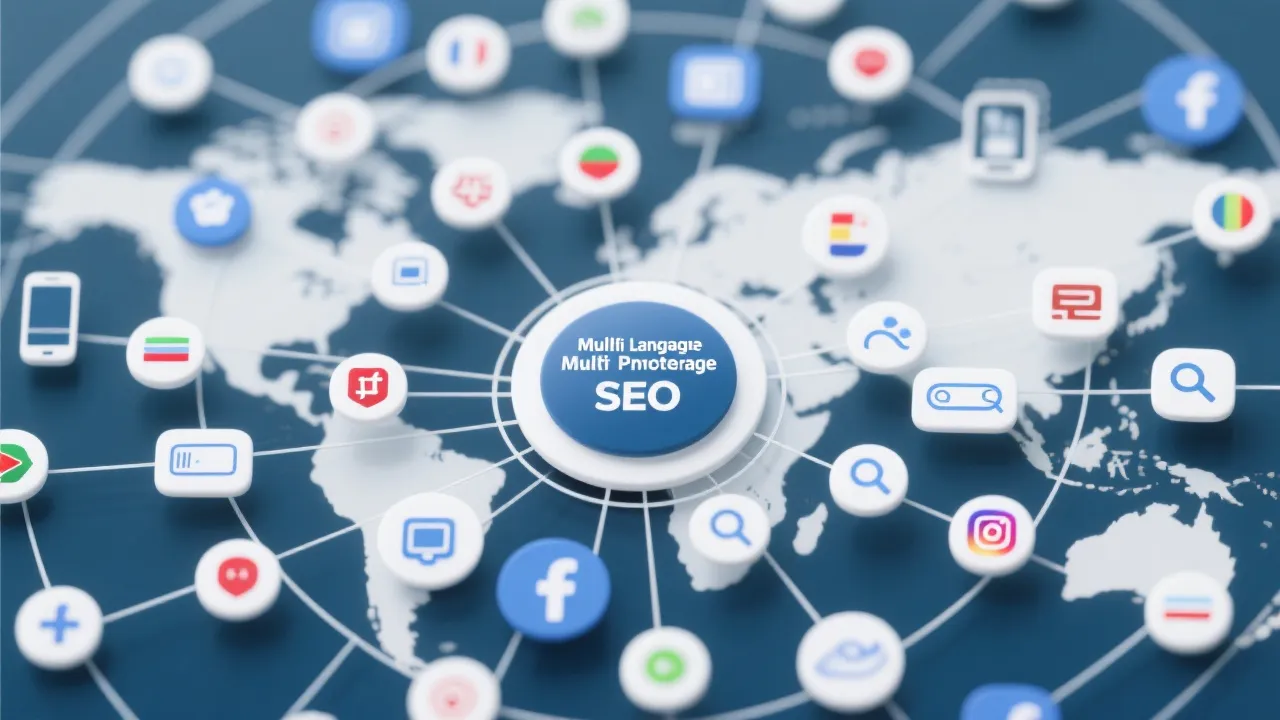

How Foreign Trade Companies Boost Google Organic Rankings Through Layered Keyword Strategy: An SEO Optimization Guide
This article delves into how foreign trade enterprises can achieve breakthroughs in Google organic rankings by implementing a layered keyword strategy combined with intelligent website building tools. It systematically explores optimizing website architecture and content through targeted keyword segmentation, mobile responsiveness, and data-driven continuous refinement. The guide incorporates AI-driven analysis and automated content updates to help businesses acquire high-quality international traffic efficiently, reduce customer acquisition costs, and strengthen their global market competitiveness.
How Foreign Trade Enterprises Can Boost Google Organic Rankings Through Layered Keyword Strategy
In the competitive landscape of global B2B commerce, foreign trade enterprises face increasing pressure to attract high-quality international traffic with reduced customer acquisition costs. Leveraging an advanced SEO approach anchored by layered keyword architecture and intelligent website design presents a pivotal opportunity to enhance Google’s organic search visibility. The implementation of a data-driven methodology, combined with AI-assisted marketing platforms, enables companies to systematically optimize for relevant buyer intents across multiple funnel stages.
1. Understanding Layered Keyword Layout for SEO Success
Layered keyword structuring refers to the strategic grouping of keywords based on search intent, competition level, and funnel relevance. This multi-tiered approach typically breaks down into:
| Keyword Layer | Characteristics | Example Keywords |
|---|---|---|
| Top Funnel (Broad) | High search volume, informational intent | “Custom manufacturing solutions”, “international trade logistics” |
| Middle Funnel (Consideration) | Specific services/product categories, moderate competition | “OEM electronics supplier China”, “B2B sourcing platform” |
| Bottom Funnel (Conversion) | Low volume, high commercial intent | “Purchase bulk smartphones Shenzhen factory”, “best FOB price stainless steel fittings” |
By assigning relevant keywords into layered silos and aligning them with dedicated landing pages, companies create a clear site hierarchy that Google can easily crawl and rank. According to a recent Moz study, websites with well-structured keyword clusters reported a 34% higher organic click-through rate and 27% faster ranking improvements within three months.

2. Architecting SEO-Friendly Websites with AI-Driven Tools
Modern SEO mandates not only keyword relevance but also seamless user experience across devices. Intelligent website builders optimized for foreign trade, such as ABKE’s AI-powered platform, streamline this process. They enable automated internal linking between silo pages, perform SEO audits around core keyword density, and dynamically update meta tags based on real-time search trends.
Key technical optimizations include:
- Responsive Mobile Adaptation: Since over 60% of international B2B queries now originate on mobile devices, adaptive design dramatically reduces bounce rates.
- Page Load Speed: Accelerated page loading to under 3 seconds improves user retention and Google’s Core Web Vitals scores.
- Crawlability Enhancements: Structured data markup, XML sitemap generation, and optimized URL taxonomy aid faster and deeper indexing.
The ABKE intelligent external trade marketing platform has documented clients achieving a 40% increase in Google organic traffic within 90 days, attributed largely to automated SEO and AI-assisted content refreshing capabilities.
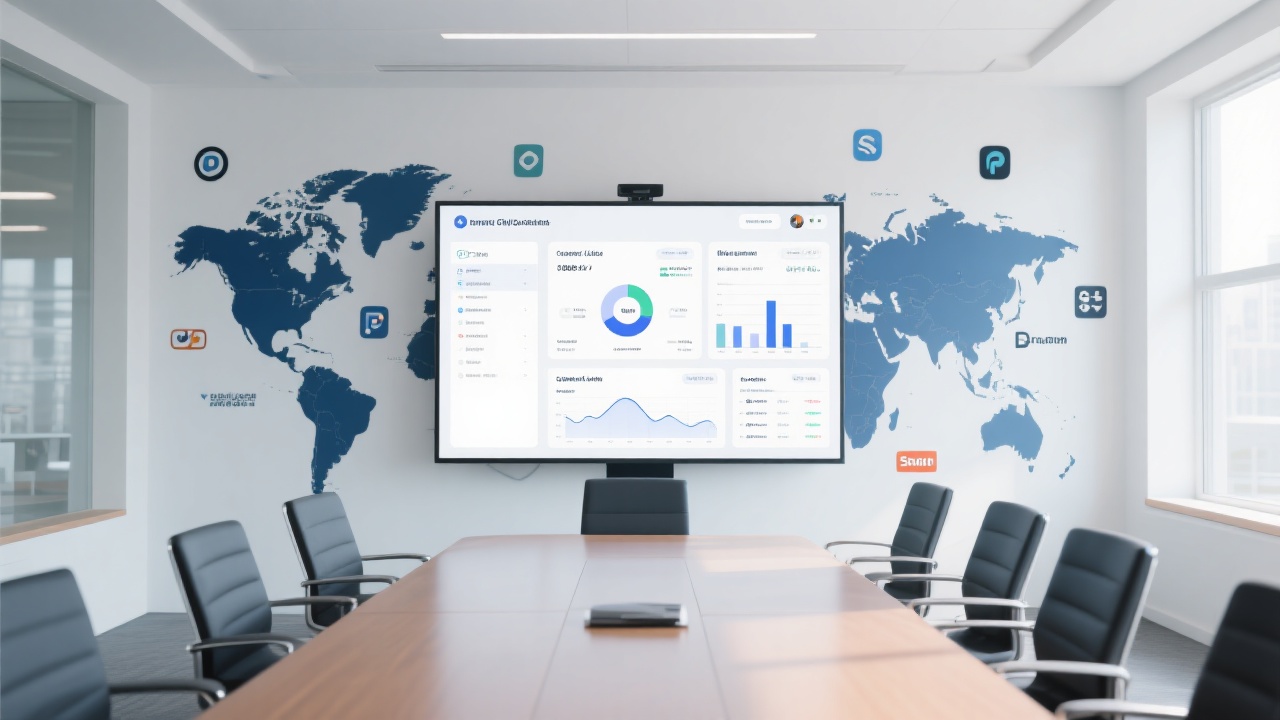
3. Data-Driven Continuous Improvement: Tracking & Iteration
SEO is an evolving process. Enterprises must leverage comprehensive analytics to identify keyword performance, user behavioral metrics, and index coverage issues. Tools such as Google Search Console, SEMrush, or ABKE’s integrated AI analytics offer automated suggestions for optimization actions:
| Metric | Significance | Recommended Action |
|---|---|---|
| CTR (Click-Through Rate) | Indicates how appealing your search snippet is | Optimize Titles & Meta Descriptions to boost relevance |
| Bounce Rate | Shows visitor engagement and page relevance | Improve page content quality and speed |
| Keyword Ranking Fluctuations | Reflects competitive dynamics and content efficacy | Adjust keyword targeting or add supplementary content |
According to Google’s own SEO Starter Guide, continuous iteration grounded in data is crucial for sustainable search performance improvements. The integration of AI marketing platforms enables automation of this process, prompting timely content refreshes and internal link adjustments that maintain keyword rankings amid volatile markets.

Discover how ABKE Intelligent Foreign Trade Marketing Platform Empowers Your Digital Transformation and Global Market Breakthrough — turning complex SEO into streamlined growth engines.


