Hot Products





Popular articles
Customer Case: New customer got the first order in 3 months! Revealing the path of customer development from 0 to 1!
WordPress初学者指南:创建专业网站的完整步骤与常见问题解答
Why Is Your Foreign Trade Website Getting No Traffic? 3 Steps to Boost Google Rankings with Smart SEO Engine
Do you really understand the foreign trade process? Essential knowledge for novices!
A must-read for new foreign trade professionals! A practical SEO strategy from 0 to 1 to increase website traffic! (with real cases)
Secrets to Boosting Website Building Efficiency for B2B Foreign Trade Enterprises: Unveiling the 3-Hour AI Process from Brand Information Input to Launch
How to Build Client Trust Through Industry Insights: A Real-World Case Study for Foreign Trade SOHOs
Detailed explanation of flexible order-taking techniques: How can companies win off-season orders through dynamic MOQ?
How Smart Website Builders Drive Global SEO Growth for B2B Exporters
Recommended Reading







Leverage AI to Boost Organic Traffic on B2B Foreign Trade Websites: A Deep Dive into Semantic HTML Structure Optimization and Intelligent Strategy Adjustment
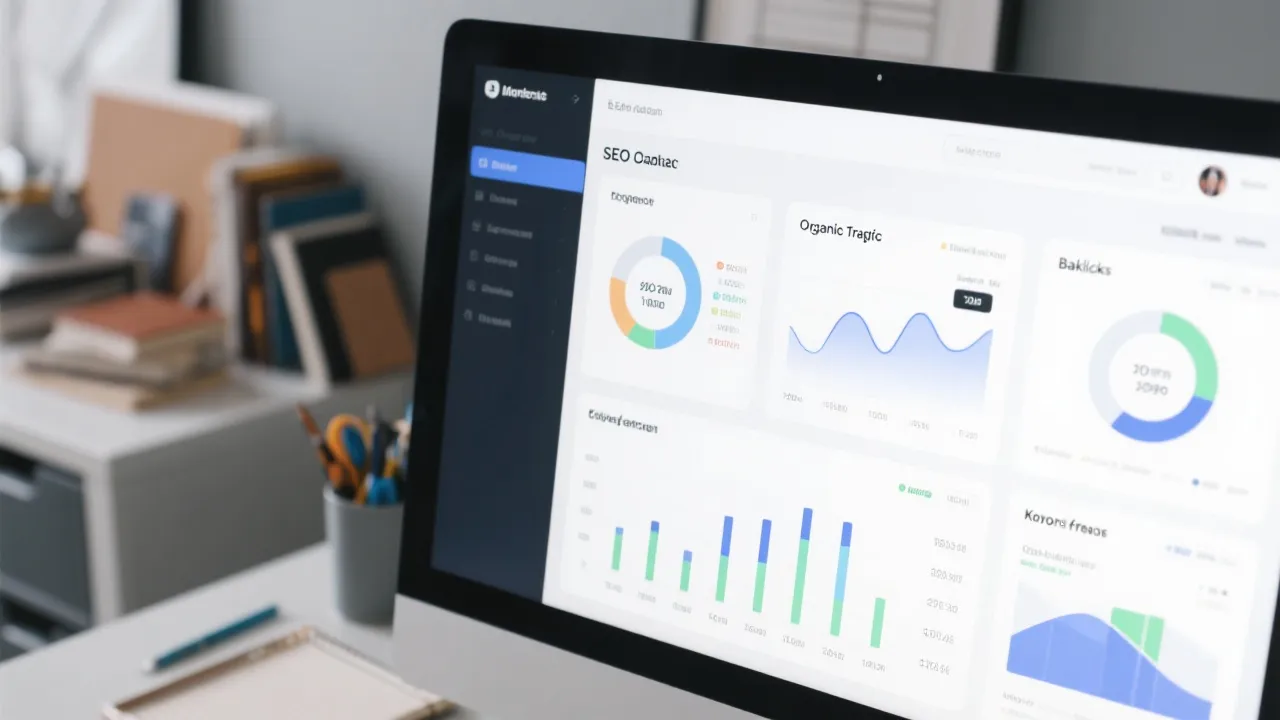
How can B2B foreign trade enterprises achieve a breakthrough in Google organic traffic with AI? This article delves into the core principles of AI-driven automatic SEO optimization - from intelligent keyword layout and automatic TDK tag generation to semantic HTML structure optimization. It guides you step - by - step to solve common pain points such as slow indexing and large ranking fluctuations in traditional website building. Through localization strategy cases like German long - tail keyword matching and Japanese Romanization conversion, it demonstrates how dynamic algorithm tracking and competitor monitoring mechanisms can help enterprises without a full - time SEO team to steadily increase Google exposure. With practical demonstrations and图文视频辅助, you'll easily master the art of building high - conversion websites.

Deep Dive into Google Ranking Mechanism and Common SEO Pain Points of Foreign Trade B2B Websites
Understanding the Google ranking mechanism is crucial for your foreign trade B2B website. Google uses a complex algorithm that evaluates multiple factors, including content relevance, backlinks, site speed, and user experience. However, many foreign trade B2B websites face common SEO pain points. For instance, traditional websites often suffer from slow indexing, with only about 30% of new pages getting indexed within the first month. And the rankings can be highly volatile, fluctuating by as much as 20 - 30 positions in a short period.
How AI Replaces Manual Work in Keyword Layout and TDK Tag Generation to Enhance Page Relevance
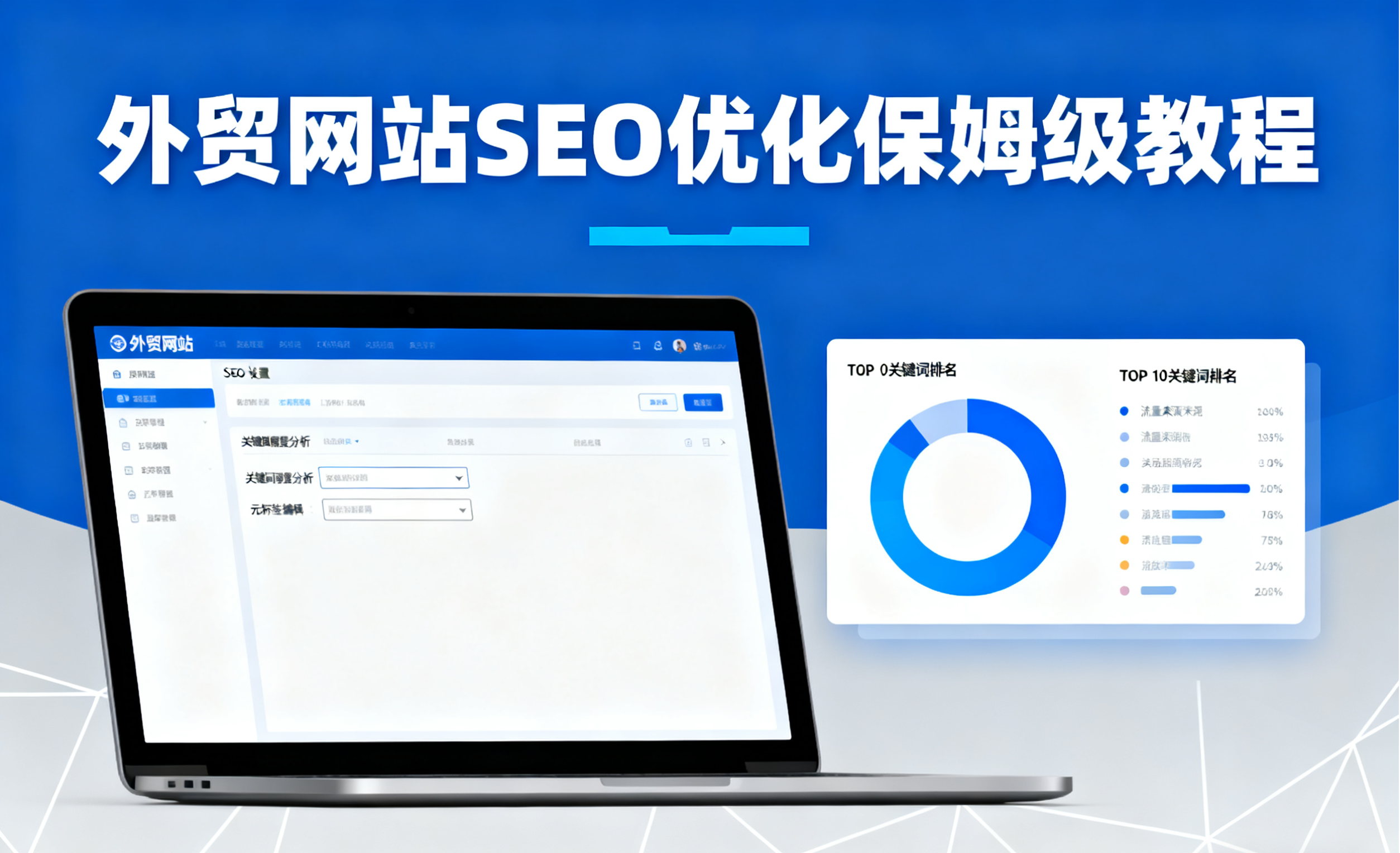
AI has revolutionized the way we approach SEO. Instead of spending hours manually researching and placing keywords, AI can analyze vast amounts of data in seconds. It can identify the most relevant keywords for your products or services and automatically generate optimized TDK (Title, Description, Keywords) tags. This not only saves you time but also significantly improves the relevance of your web pages. Studies show that pages with AI - generated TDK tags have a 40% higher chance of ranking on the first page of Google search results.
In - depth Explanation of Semantic HTML Structure Optimization Technology: The Key to Improving Search Engine Understanding Efficiency
Semantic HTML structure optimization is a powerful technique that helps search engines better understand the content of your website. By using semantic tags such as <article>, <section>, and <header>, you can clearly define the structure and hierarchy of your content. This makes it easier for search engines to index and rank your pages. For example, a website with a well - optimized semantic HTML structure can see a 30% increase in organic traffic within three months.
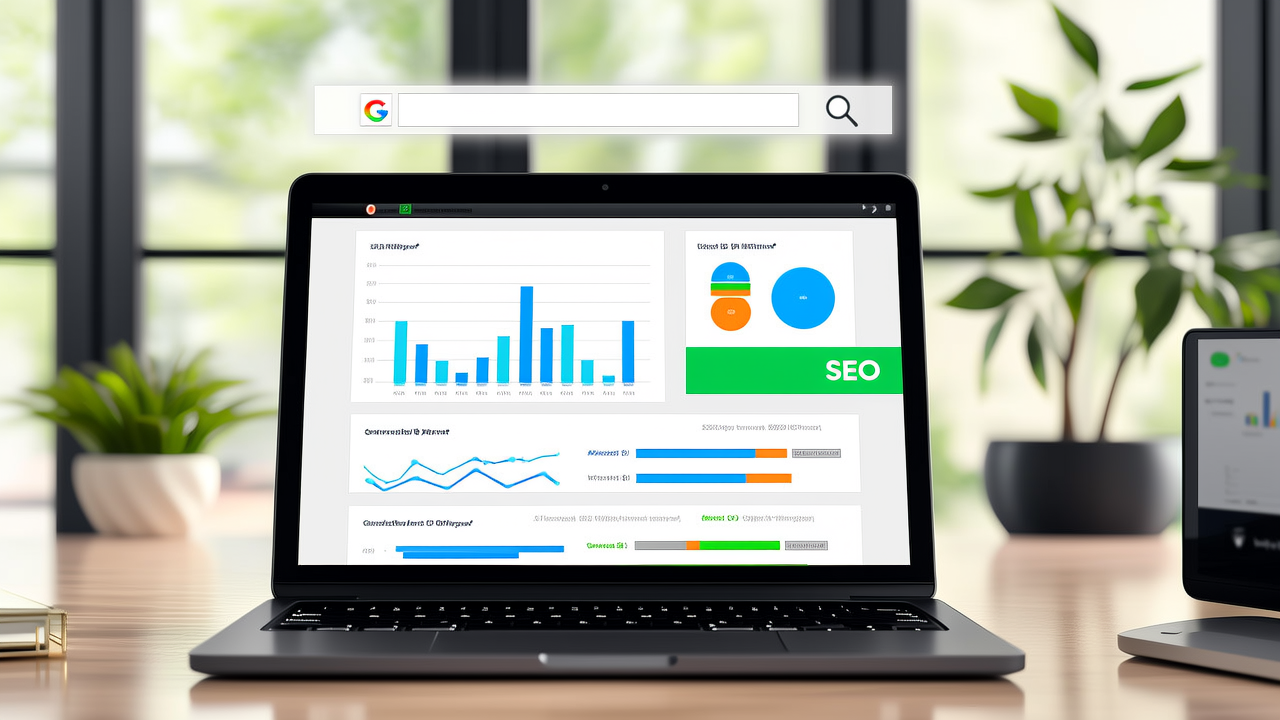
Practical Application of Dynamic Algorithm Tracking and Monitoring of Competitor Keyword Changes
Google's algorithm is constantly evolving, and your competitors are also constantly adjusting their SEO strategies. Dynamic algorithm tracking allows you to stay ahead of these changes. By monitoring competitor keyword changes, you can identify new opportunities and adjust your own strategy accordingly. For example, if a competitor starts ranking well for a new set of keywords, you can quickly analyze and decide whether to incorporate them into your own website.
Implementation of Localized SEO Strategies: Practical Operations in Scenarios such as German Long - Tail Keyword Combinations and Japanese Romanization Conversion
Localized SEO is essential for reaching international customers. Different languages and cultures require different SEO strategies. For example, in the German market, using long - tail keyword combinations can increase your visibility in niche markets. In the Japanese market, converting Japanese words into Romanized form can improve searchability. These localized strategies can boost your website's traffic in specific regions by up to 50%.

Advantages and Effect Verification of Automatic SEO Tools Compared with Traditional WordPress Configurations
Automatic SEO tools offer several advantages over traditional WordPress configurations. They are more efficient, can adapt to algorithm changes more quickly, and provide more accurate optimization. For example, an automatic SEO tool can generate and update TDK tags in real - time, while traditional WordPress configurations may require manual updates. A comparison shows that websites using automatic SEO tools have a 60% higher conversion rate than those using traditional WordPress configurations.
Don't miss out on the opportunity to enhance your foreign trade B2B website's Google natural traffic. Try the free version of AB客 Intelligent Website Building System or request a demo at CTA - URL. No SEO experience is required, and you can achieve stable Google exposure!


