.png?x-oss-process=image/resize,m_lfit,w_200/format,webp)



Product and Application Understanding
Explain product series, core capabilities, applications, operating conditions, available configurations, use requirements, and situations that require further confirmation.
.png?x-oss-process=image/resize,h_100,m_lfit/format,webp)
 400-076-6558GEO · Get AI Search to Recommend You First
.png?x-oss-process=image/resize,h_2000,m_lfit/format,webp)
.png?x-oss-process=image/resize,h_2000,m_lfit/format,webp)


Entering a priority export market requires more than adding another language version to an existing website. Overseas buyers need information that reflects their purchasing context: the relevant application conditions, technical terminology, verification requirements, delivery considerations, and questions that arise before they shortlist a supplier.
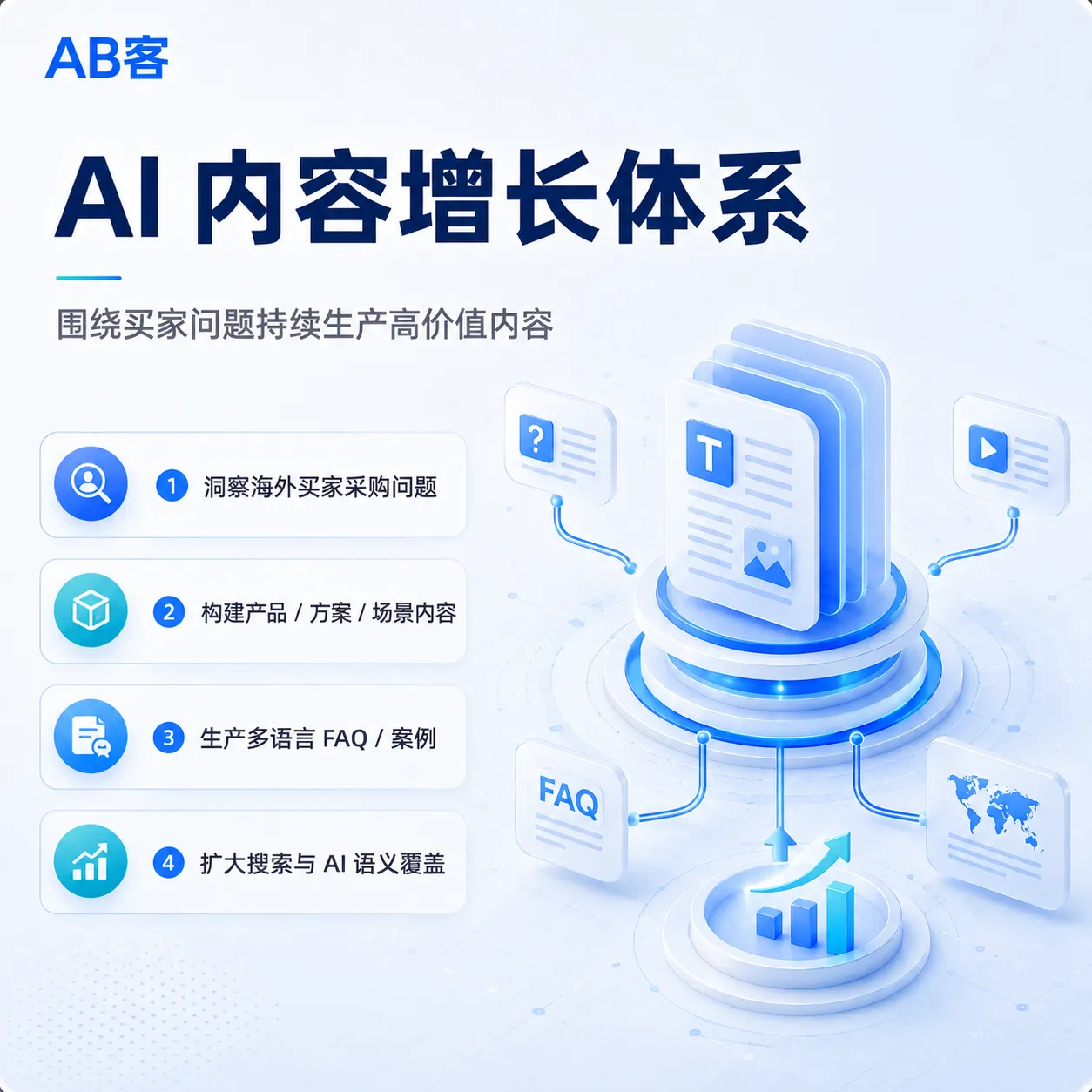
ABKE helps export-oriented B2B manufacturers, industrial brands, and solution providers build localized procurement-decision content for markets such as the United States, Germany, the Middle East, and Southeast Asia. Using verified enterprise knowledge, the approach connects country, industry, product, buyer role, purchasing stage, and buyer question into a structured multilingual content system.
A general English company profile can explain what a business sells, but it may not provide enough decision support for a buyer evaluating whether a product, factory, or solution is suitable for a specific project. The same product can require different content emphasis when it is presented to a purchasing manager, engineer, technical user, operations lead, or business decision-maker.
Localized B2B content is therefore not simply translated content. It is a way to organize confirmed business knowledge so that target-market buyers can understand, compare, verify, and discuss a potential purchase with clearer context.
Technical users may focus on operating conditions, installation, and maintenance, while procurement teams may need clarity on specifications, supply capability, delivery, and risk.
Countries and regions can differ in terminology, industry practices, information preferences, compliance expectations, and procurement processes.
Buyers need different information when discovering suppliers, selecting a product, comparing options, validating capability, or preparing implementation.
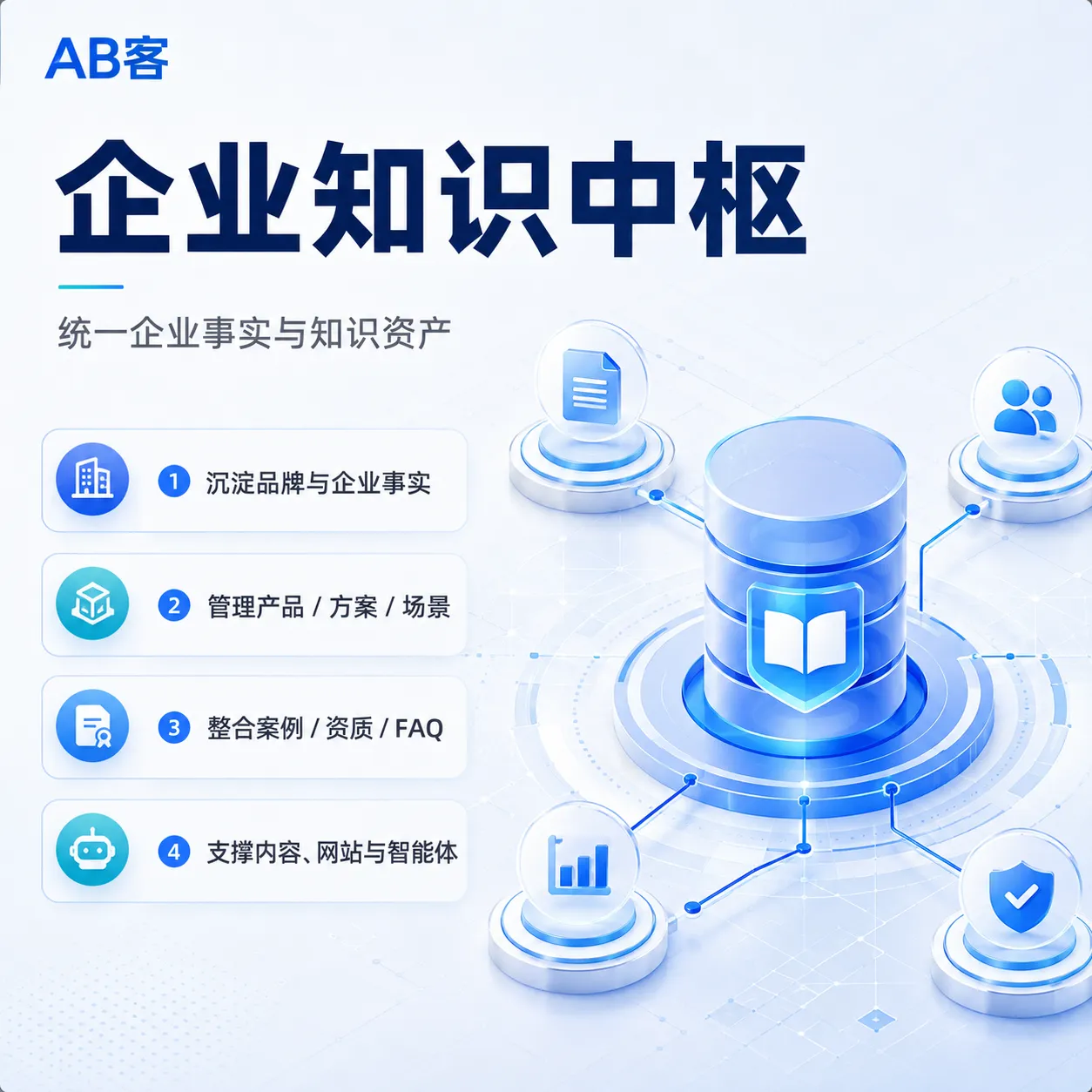
ABKE uses an AI content growth approach that starts with enterprise facts rather than generic content production. Confirmed product, technical, application, quality, case, and business information is structured around the information needs of a defined market. This creates a content matrix that can be managed, reviewed, reused, and improved over time.
| Content Dimension | Planning Focus |
|---|---|
| Country or Region | Language use, familiar terminology, market information preferences, and common purchasing concerns. |
| Target Industry | Applications, operating conditions, professional language, technical priorities, and risk factors relevant to the sector. |
| Product or Solution | Product range, parameters, technical route, optional configurations, capabilities, and applicable boundaries. |
| Buyer Role | Information needs for procurement, engineering, technical, operations, and management stakeholders. |
| Purchasing Stage | Discovery, understanding, selection, comparison, verification, implementation, maintenance, and expansion. |
| Buyer Question | Questions concerning standards, certification, performance, customization, delivery, cost, maintenance, and project risk. |
A priority-market content system should support more than initial brand awareness. It should help buyers move from a broad product search toward a more informed assessment of fit, evidence, and next steps.
Explain product series, core capabilities, applications, operating conditions, available configurations, use requirements, and situations that require further confirmation.
Organize confirmed information about applicable standards, certifications, testing, quality control, or available documentation, while clearly distinguishing verified facts from project-specific items.
Provide selection logic, comparison dimensions, evaluation checklists, and common considerations that help buyers assess suitability beyond a basic product description.
Where supported by actual business practice, clarify technical confirmation, delivery coordination, installation support, maintenance guidance, spare parts, or issue-handling boundaries.
Convert recurring sales and technical questions into structured answers covering customization, samples, testing, lead time, minimum information requirements, limitations, and maintenance topics.
Structure approved knowledge for use across market landing pages, product pages, solution pages, FAQ centers, sales materials, industry communication, and global channels.
ABKE combines AI-supported workflows with verified enterprise knowledge and professional review. The objective is to make content scalable without separating it from the company’s actual products, capabilities, and delivery boundaries.
For B2B exporters, localized content works best when it is treated as a managed knowledge asset rather than a one-time publishing task. Each content item should have a clear source, review status, language version, intended market, and update path. This helps maintain factual accuracy as products, markets, and buyer requirements evolve.
Within ABKE’s GEO content growth system, localized procurement content can support an AI-readable enterprise knowledge base, SEO and GEO-ready website pages, global content distribution, and sales communication. The same structured knowledge can be reused across channels while retaining consistent positioning and evidence boundaries.
Effective localization depends on real product direction, available business materials, appropriate internal review, and ongoing updates. ABKE does not treat low-quality bulk publishing, keyword stuffing, hidden text, unverified claims, or fabricated cases as substitutes for enterprise knowledge. Search visibility, AI mentions or citations, inquiries, and commercial outcomes can also be influenced by market competition, product fit, pricing, delivery capability, sales execution, and platform changes.
A localized B2B content strategy gives priority-market buyers a clearer way to understand what your company offers, where it fits, what can be verified, and which questions should be discussed next. By connecting verified enterprise knowledge with local purchasing needs, ABKE helps exporters establish a more structured content foundation for global brand communication, website growth, AI-readable knowledge, and long-term digital customer acquisition.


填写3项信息,免费获取AI曝光详细诊断
填写3项信息,立即领取《外贸B2B GEO战略认知白皮书》