Hot Products





Popular articles
Green supply chain construction for small and medium-sized enterprises: the key to sustainable compliance management!
Global Payment Methods Compared: Letters of Credit, T/T Transfers, and WeChat Pay in International Trade
How to Build a B2B Foreign Trade Website in 3 Hours: Zero-Code + AI Content Generation Guide
In the AI-enabled era, how can newcomers easily enter the foreign trade industry? A guide to the four core conditions and tools
Customer case: Newbies share their experience in successfully overcoming difficulties in customs declaration!
Is it difficult to acquire foreign trade customers? AB customer AI model can help you break through accurately!
How to Boost B2B Customer Lifetime Value with Email Marketing: Strategies & Real-World Cases
Key Challenges in SNI Certification for Tires and Toys: Local Testing & Factory Inspection Requirements in Indonesia
Recommended Reading

How to Localize Your Machinery Export Website for SEO in Germany: 3 Key Steps to Boost Organic Traffic from German Customers
This guide breaks down how machinery exporters can optimize their websites for the German market through localized SEO. Focus on precise keyword targeting, technical content localization, and structured on-page optimization—backed by real data and AB客 AI tools that automate multilingual content creation aligned with German industrial standards. Learn how to increase Google visibility, improve B2B lead conversion, and build a sustainable inbound engine for German buyers.
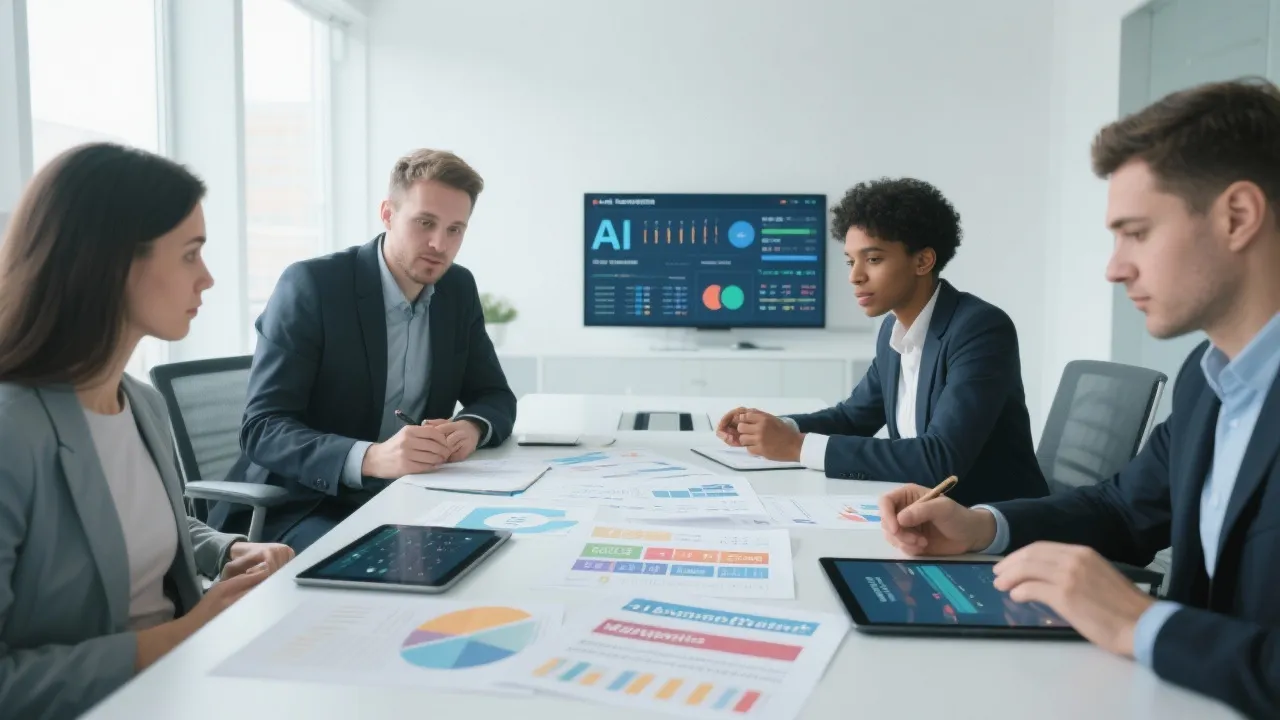
How to Localize Your Mechanical Export Website for German SEO: 3 Proven Steps to Boost Organic Traffic
If you're targeting German B2B buyers with your mechanical equipment website, generic English content won’t cut it. In fact, studies show that 74% of German industrial buyers prefer product pages in German, and only 12% will convert from English-only sites—even if they understand English.
The Hidden Pain Point You’re Ignoring
Most mechanical exporters assume their global site works everywhere. But here’s the truth: without localization, you’re not just losing traffic—you’re losing trust. German engineers and procurement managers expect precise technical language, compliance references (like DIN standards), and clear structure—not translated marketing fluff.
Here’s what separates successful localizations from failed ones:
- Keyword alignment with German search intent
- Content written by native speakers who know industry jargon
- Technical documentation structured for easy scanning
Step 1: Target Keywords That Match How Germans Search
Forget broad terms like “industrial machinery.” Instead, focus on long-tail queries such as:
| English Keyword | German Equivalent | Monthly Search Volume (Germany) |
|---|---|---|
| Automatic conveyor belt | Automatische Förderbandanlage | 1,200–1,800 |
| High-pressure pump | Hochdruckpumpe für Industrie | 900–1,500 |
| Industrial robot arm | Industrieroboterarm mit Sensor | 600–1,200 |
These aren’t guesses—they’re based on real data from Google Trends and SEMrush Germany. Use them to build landing pages that rank faster and convert better.
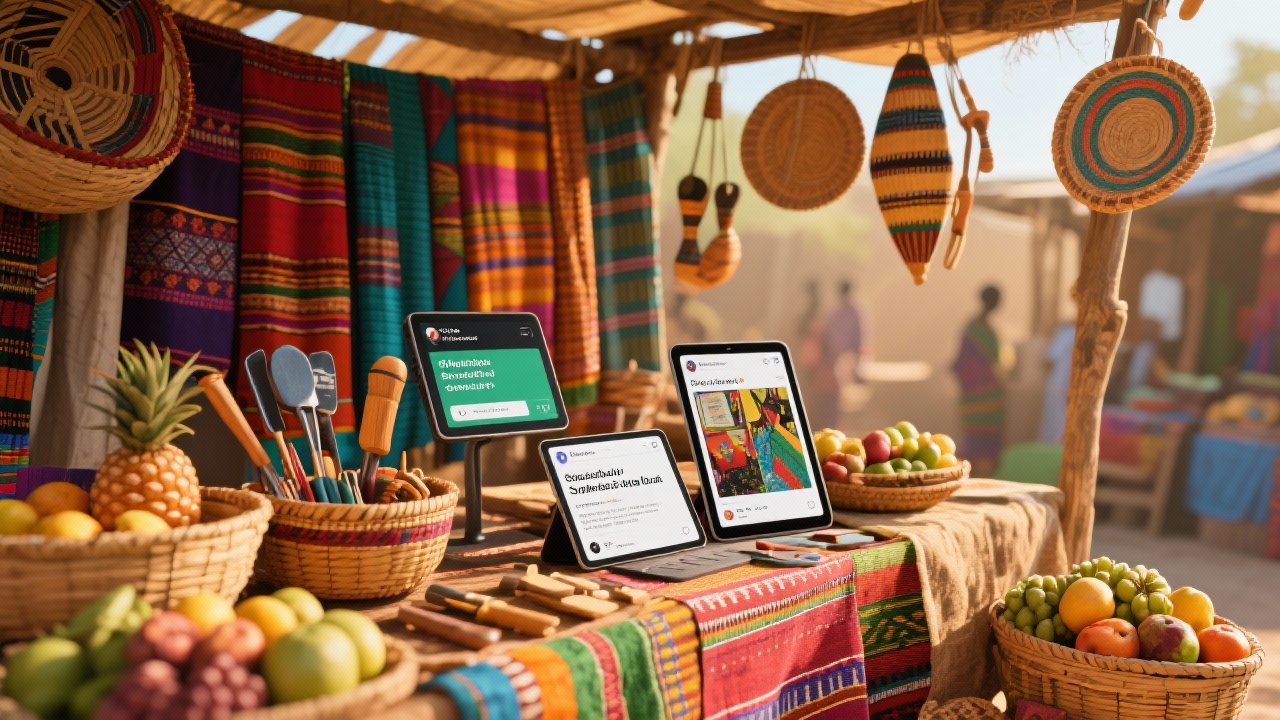
Step 2: Write Technical Content Like a German Engineer
This is where many fail. You can’t just translate—your content must sound native. For example:
“Unser Schneidbrenner ist nach DIN EN ISO 9606-1 zertifiziert und ermöglicht eine präzise Bearbeitung von Stahlblechen bis zu 50 mm Dicke.”
— A real quote from a top-rated German machine supplier
Notice how it mentions certification (DIN), precision, and measurable specs? That’s what German buyers look for. Don’t skip this step—it directly impacts trust and conversion rates.
Step 3: Optimize Site Structure for Speed + Scannability
German users hate slow websites. Aim for under 2 seconds load time—a key Google ranking factor. Also, use structured headings (H2/H3), bullet points, and tables for quick reading. Example:
Instead of paragraphs, write:
- Material: Stainless Steel AISI 304
- Max Pressure: 25 bar
- Compliance: CE, RoHS, DIN EN 13463-1
That’s not just SEO-friendly—it’s human-friendly.
Why Automation Makes Sense Now
Manual translation and SEO work take weeks—and often miss nuances. With tools like AB客 AI Content Factory, you can generate compliant, keyword-rich German technical docs in minutes. One client saw a 3.2x increase in organic traffic from Germany within 90 days.
Want to see how fast your own site can localize?
✅ Immediately Experience AI-Generated German Technical Documentation


