.png?x-oss-process=image/resize,h_100,m_lfit/format,webp)

.png?x-oss-process=image/resize,m_lfit,w_200/format,webp)

Hot Products
.png?x-oss-process=image/resize,h_2000,m_lfit/format,webp)
.png?x-oss-process=image/resize,h_2000,m_lfit/format,webp)

Popular articles
How to Choose a GEO Provider for B2B Export Factories: 5 Essential Evaluation Criteria
AI Can Write, but Can You Publish It? Building a Fact-Grounded AI Content System
Website, Sales, and Customer Service Say Different Things: How to Build a Single Source of Truth
After GEO Services End, What Does Your Business Still Own? Build Lasting AI Growth Assets with ABKE
Progressive GEO Website Upgrade for B2B Exporters With Existing Google Traffic
Recommended Reading
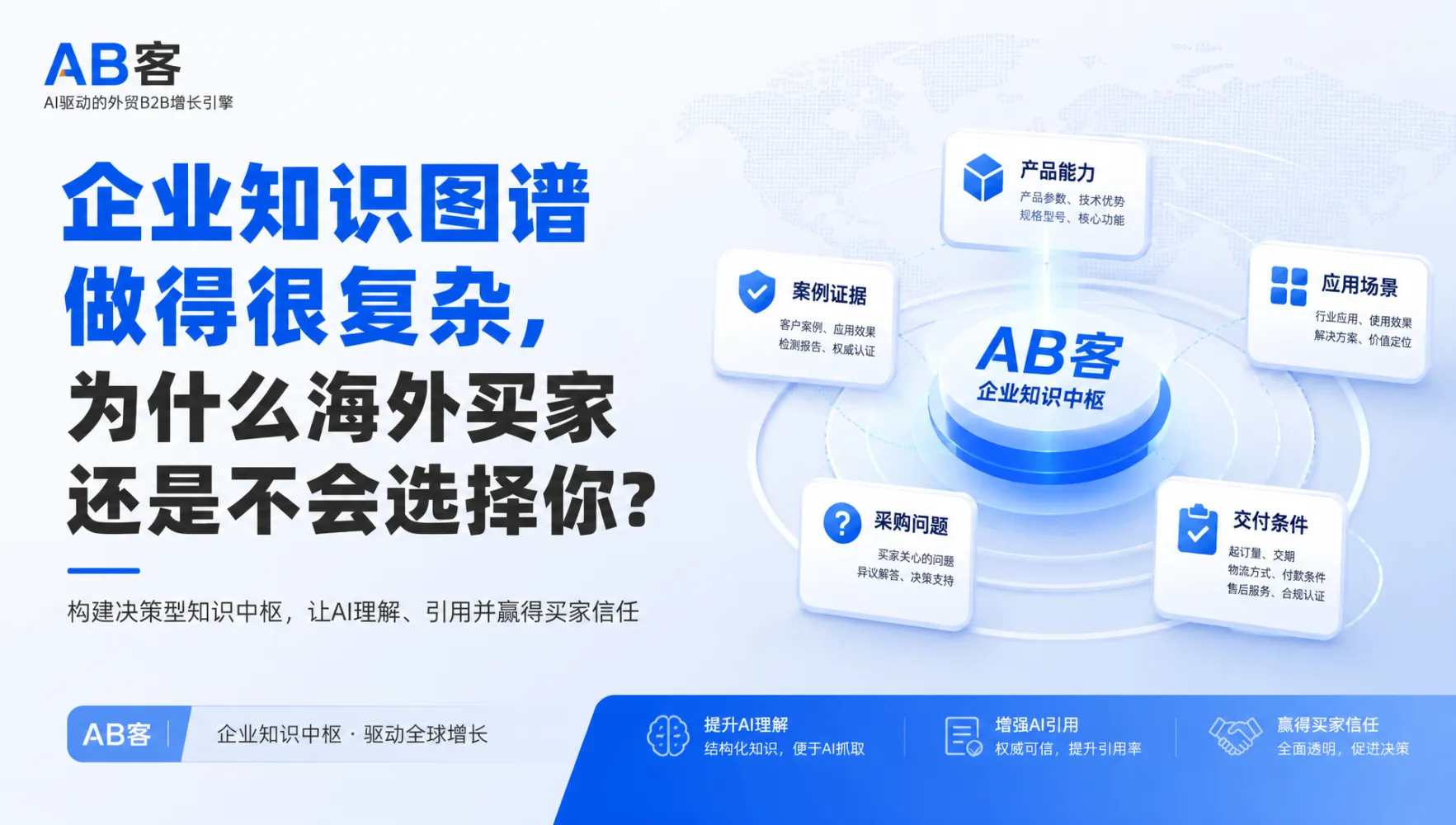
The true strength of enterprises far exceeds what is presented on their official websites: How can foreign trade B2B enterprises transform their offline capabilities into digital assets that can be understood by AI?
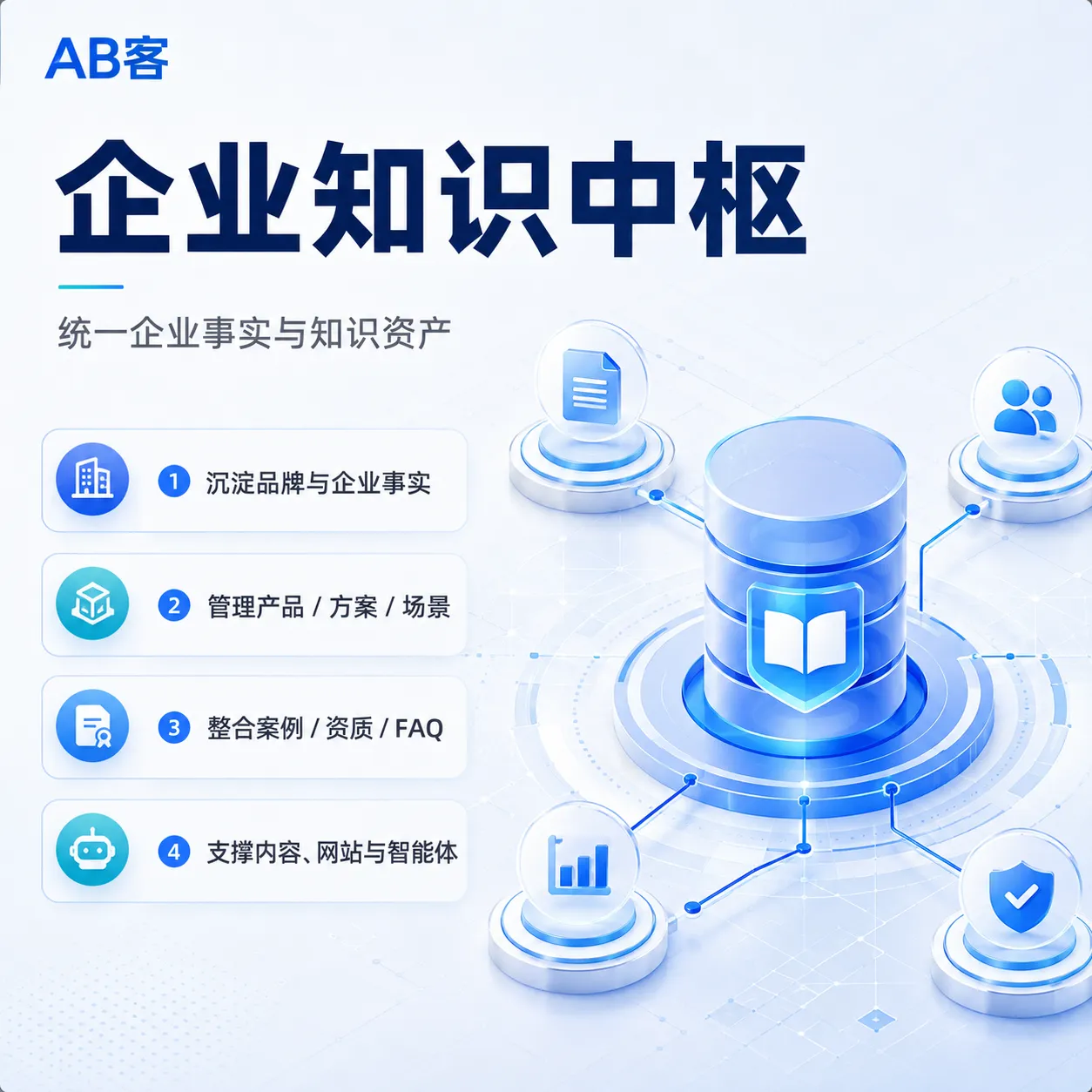
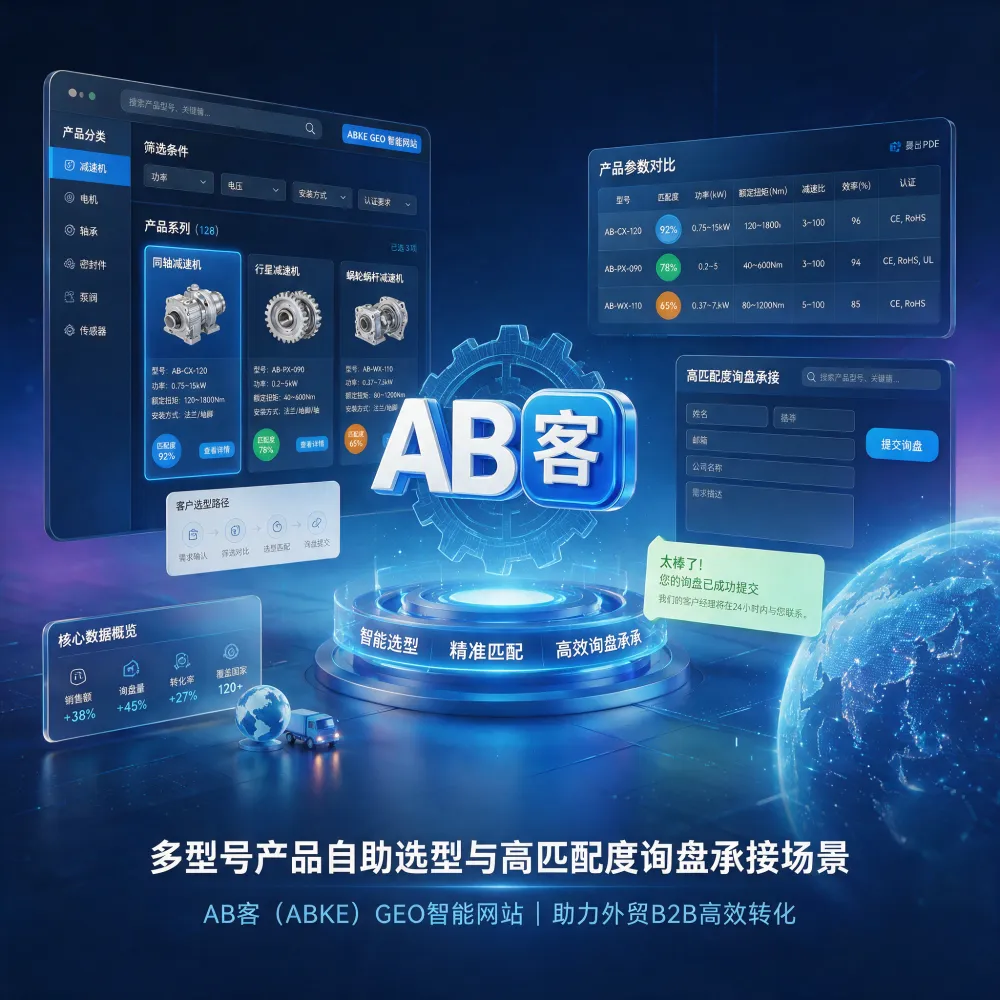
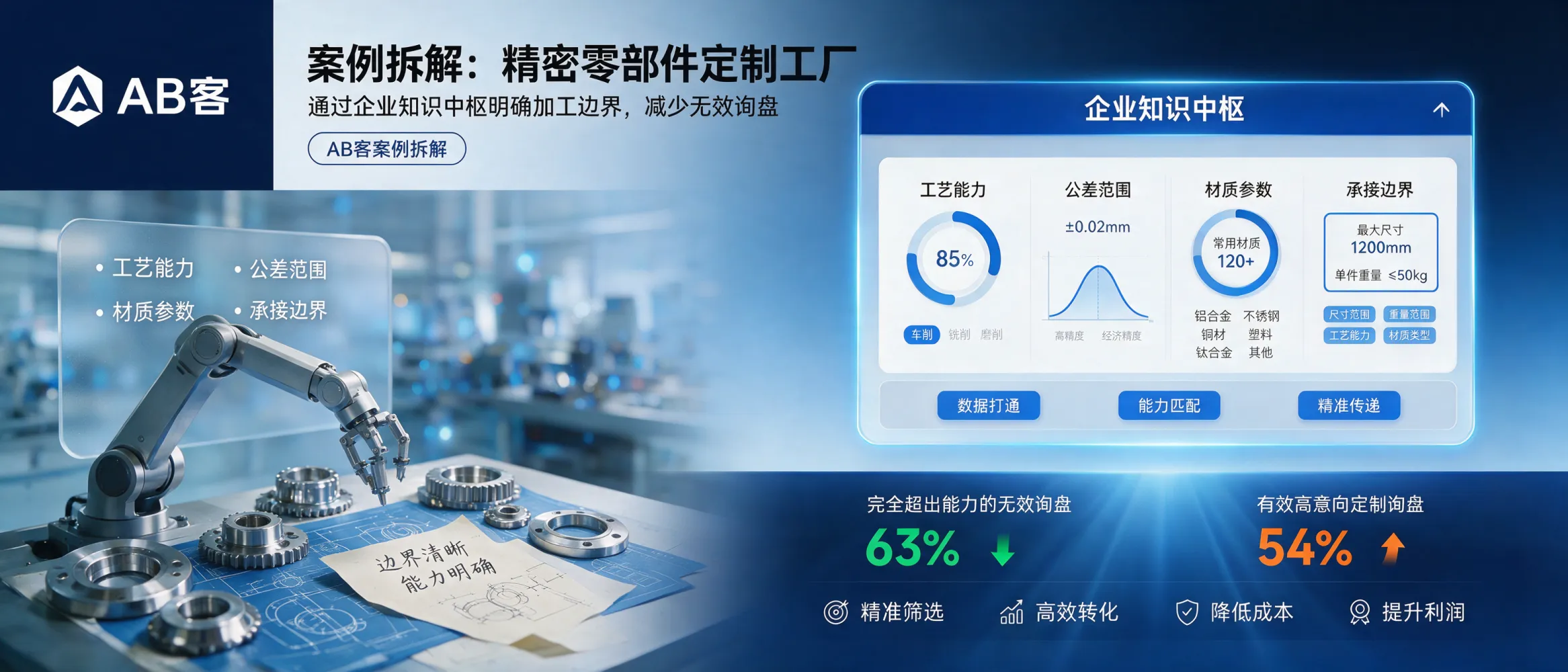
ABKE, through its GEO intelligent website, helps foreign trade manufacturing companies structure their technologies, processes, project experience, certification systems, and delivery capabilities into tangible, understandable, and verifiable online knowledge assets, supporting overseas search discovery, AI understanding, procurement decisions, and inquiry conversion.
A manufacturing company's competitiveness is often rooted in every aspect of its offline operations: technology and processes, product development, quality management, project delivery, certifications and qualifications, service experience, and the team's understanding of customer needs. However, these facts are often scattered across product catalogs, PDF manuals, project documents, email records, and the experience of sales personnel, and have not yet become online information that overseas buyers, Google, and generative AI can accurately glean.
ABKE (AB Customer) GEO Smart WebsiteThis initiative assists foreign trade manufacturing enterprises in transforming their existing capabilities into clearly structured, crawlable, understandable, and verifiable corporate knowledge assets. The focus goes beyond simply updating website visuals; it aims to create a sustainable digital cognitive system encompassing the enterprise's products, processes, scenarios, case studies, and delivery capabilities. This system lays the foundation for overseas search discovery, AI understanding, procurement decisions, and inquiry handling.
Why do offline strengths need to be reorganized into online assets?
Traditional showcase websites typically focus on company introductions, product categories, and images, providing a basic overview of "what the company sells." However, they often fail to fully address the questions overseas buyers are more concerned with: Which projects is the company suitable for? What processes and customization capabilities does it possess? Under what conditions are its products suitable? How does it guarantee quality and delivery? Does it have similar experience to draw upon?
When this information lacks a unified structure and interrelationships, customers see fragmented content; search engines and AI also struggle to establish clear relationships between corporate entities, product capabilities, application scenarios, and evidence of trust. The key to upgrading the official website of foreign trade manufacturing companies is to transform scattered facts into a content system that is independently understandable, cross-verifiable, and sustainably expandable.
From Dispersed Data to Manageable Knowledge
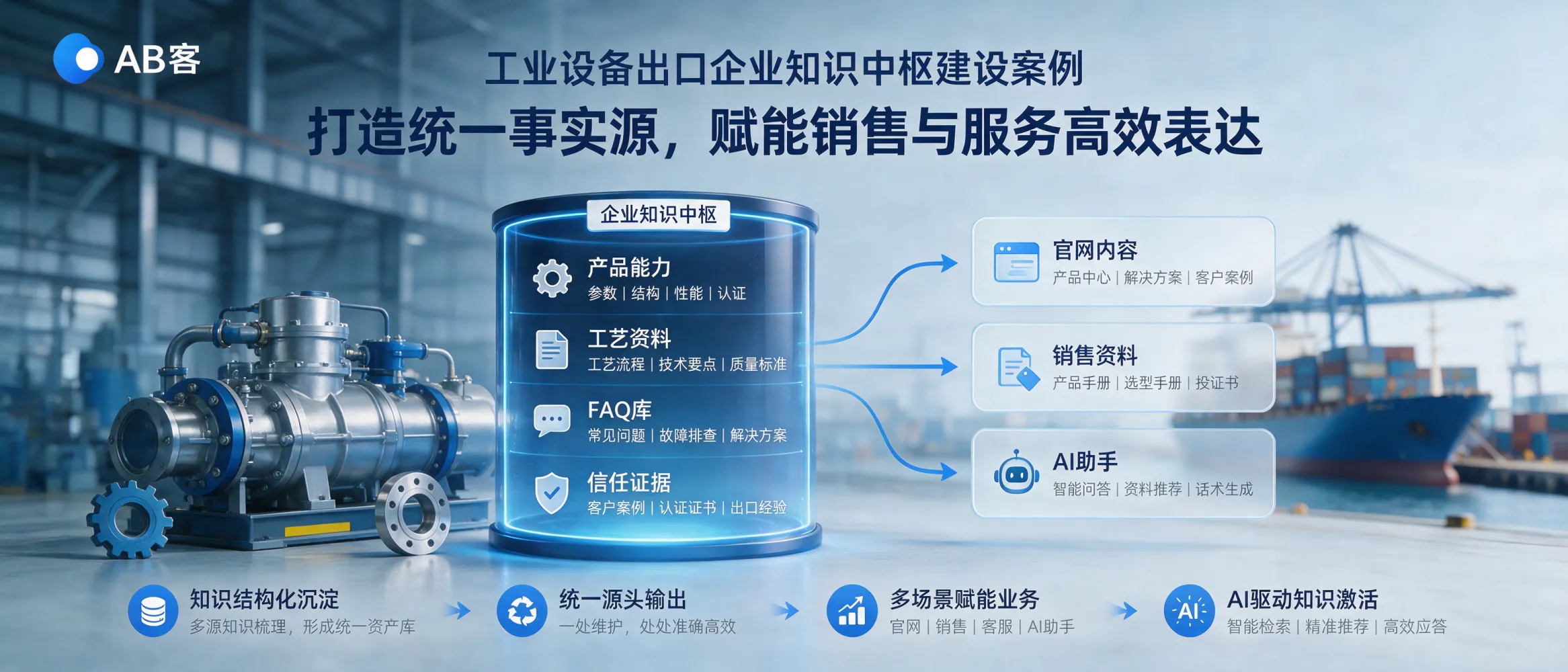
Product information, process specifications, certification documents, case records, and common customer questions are all compiled into a unified system to reduce the situation where important information exists only in personal experience or isolated documents.
From single-page presentation to capability explanation
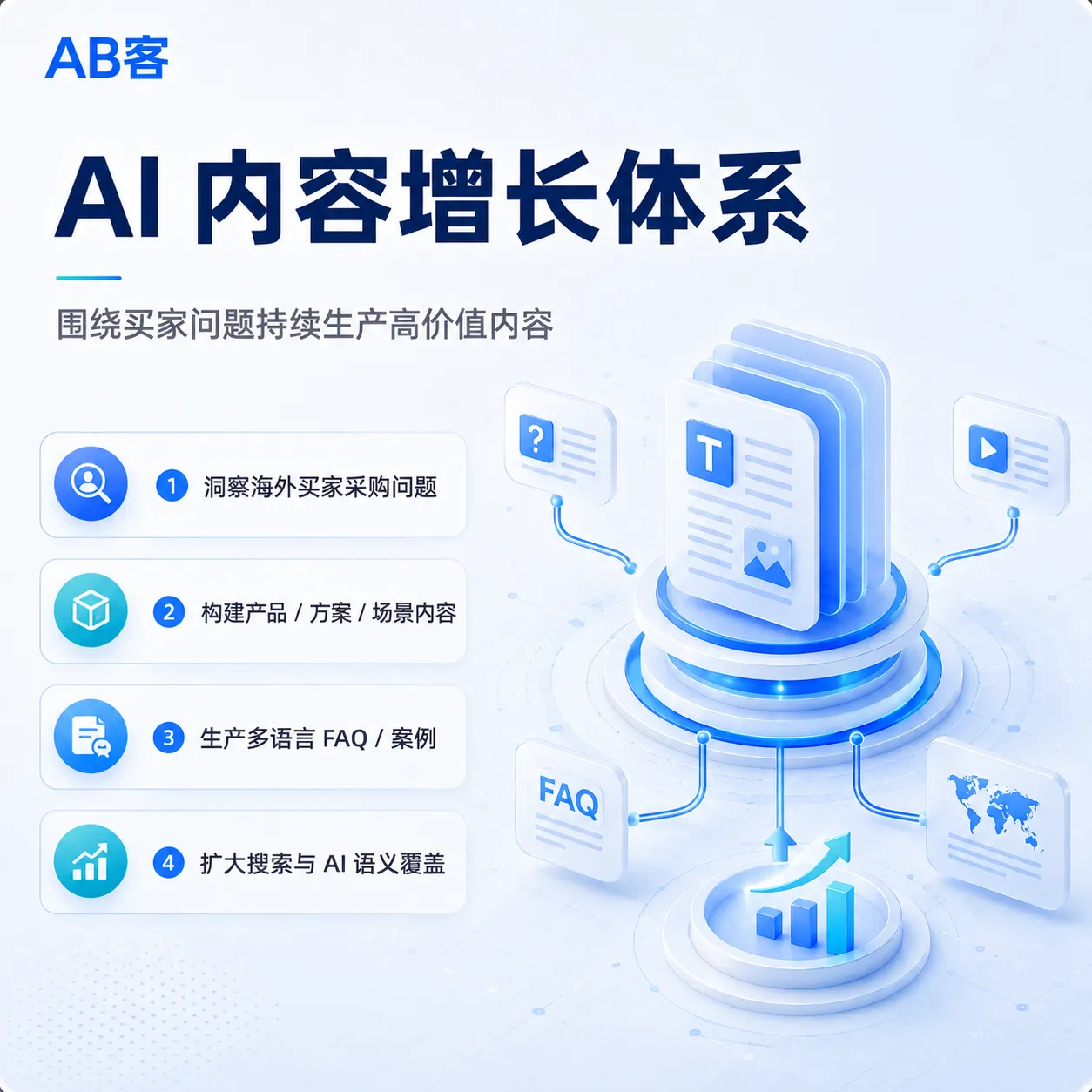
Through pages such as products, solutions, applications, processes, cases, and FAQs, the company explains what it can do, who it is suitable for, how it delivers, and the basis for these explanations.
From traffic entry point to decision-making path
This allows visitors to move from searching for questions to accessing professional content, and then connect to further actions such as consultation, selection, document download, or project communication.
Which foreign trade manufacturing companies are suitable?
GEO Smart Website is suitable for B2B companies with a clear export business direction, product portfolio, or manufacturing capabilities, and that wish to build a long-term global digital customer acquisition foundation. It is particularly suitable for the following scenarios:
- Foreign trade factories with mature products, non-standard customization capabilities, or experience in delivering engineering projects;
- Industrial brand companies whose products have high technical barriers to entry need to explain their processes, performance, selection logic, or application conditions.
- Solution providers that serve multiple industries, regions, or client roles need to establish differentiated content and page systems;
- Companies that already have an official website or organic traffic, but lack sufficient page structure, content quality, basic crawling capabilities, or multilingual capabilities;
- The team aims to connect website consultation, document download, appointment communication with CRM lead management, sales follow-up, and data analysis.
How GEO Smart Websites Build Online Corporate Recognition
ABKE (AB客) builds a website framework that balances content, technical specifications, and conversion rates, based on real company information and the information needs of overseas buyers. Its logic is to ensure that every type of company fact has a suitable place to be expressed and to create clear semantic connections between pages.
- 1 Organizing corporate facts and evidence of trust
Identify brand positioning, product portfolio, technology and processes, manufacturing and delivery capabilities, applicable industries, certifications and qualifications, project experience, cooperation conditions, and frequently asked customer questions; and clearly define the boundaries of information that can be publicly expressed and that requires review and confirmation.
- 2 Planning an information architecture for procurement decision-making
Clearly define the responsibilities of products, solutions, application scenarios, process technologies, case studies, FAQs, resource centers, and contact pages, so that customers can gradually obtain the information they need according to their own problems.
- 3 Build semantic content that can be understood independently.
The page not only lists parameters, but also organizes content around "what it is, who it applies to, what problem it solves, what conditions it is subject to, and why it is credible", and completes the understanding path through related page links.
- 4 Improve SEO and GEO technical foundations
By combining fundamental specifications such as crawlable text, semantic URLs, sitemaps, structured data, canonical text, language tags, breadcrumbs, and semantic internal links, we provide clearer content criteria for search discovery and AI understanding.
- 5 Connecting conversion entry points and subsequent data analysis
Configure consultation, form, document download, appointment communication or online contact entry points according to business processes, and support lead analysis and sales follow-up through source records, behavioral data and CRM integration.
Enable different types of enterprise data to realize online value
| Existing company data | Online content that can be retained | Support customer judgment |
|---|---|---|
| Product specifications, configuration details, and pricing information. | Product page, selection guide, supporting capabilities description, related solutions page | Understand the product scope, applicable conditions, and project compatibility. |
| Project documents, delivery records, on-site materials | Case study page, typical application page, delivery process description | Assessing similar experience and delivery credibility |
| Technical experience, process documents, quality management data | Process pages, technical articles, quality control instructions, FAQs | Understanding professional boundaries, technical requirements, and maintenance key points |
| Certification materials, service process, communication records | Qualifications, Cooperation Process, Procurement FAQs, Contact and Inquiry Methods | Verify cooperation terms to reduce upfront communication costs. |
A website is not just a showcase, but also a framework for carrying corporate knowledge.
For B2B businesses with long procurement cycles and numerous decision-making participants, customers typically need to verify information across multiple pages. A website with long-term scalability should connect product information, technical content, application experience, and conversion actions, rather than keeping them isolated.
Key Issues in Construction and Collaboration
Data authenticity and verification mechanism:The credibility of a company's intellectual property depends on authentic, complete, and verifiable information. Content related to products, technologies, case studies, brands, and certifications should be provided and reviewed by the respective teams, clearly defining the scope of public disclosure and the boundaries of its expression.
Construction model and historical assets:For websites that already have indexed sites, organic traffic, or historical content, methods such as merging old and new sites, URL mapping, and phased replacement can be adopted according to the actual situation. When retaining the existing website framework, it is also necessary to clearly define the optimization boundaries within the controllable range of templates, performance, internal links, structured data, and multilingual mechanisms.
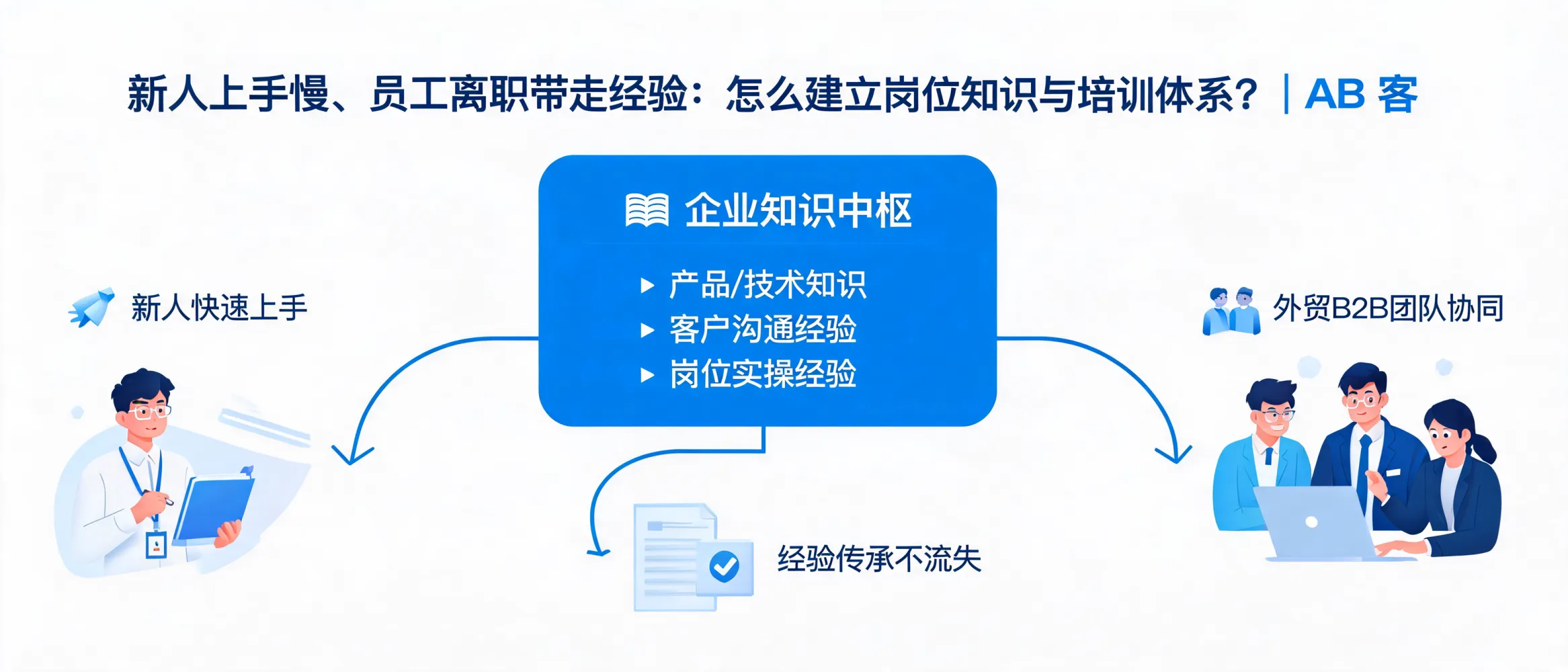
Marketing, sales, and technology synergy:The marketing team plans the content delivery schedule, the sales team supplements customer questions and project feedback, the technology or product team confirms professional accuracy, and management clarifies market direction and brand boundaries. Cross-departmental collaboration helps ensure the website's message remains consistently aligned with actual business operations.
Observable construction value and long-term boundaries
By structuring manufacturing capabilities into online cognitive assets, companies can establish clearer understanding paths for overseas customers, add a solid content foundation for Google's crawling and indexing, and provide AI with more complete semantic clues for understanding the relationship between the company, its products, and its applications. Content such as products, case studies, processes, and FAQs can also support subsequent expansion into multiple languages, regions, industries, and new product directions.
- It can be continuously analyzed by combining valid pages, crawling and indexing status, search results, organic clicks, visits to key pages, and user engagement behavior.
- You can observe how well the content supports business opportunities by submitting forms, checking the source of inquiries, downloading materials, scheduling communication, and following up with CRM.
- Under a suitable monitoring framework, you can focus on AI mentions or citations in key issues and iterate on enterprise knowledge and page content accordingly.
GEO Intelligent Websites improve how businesses organize their knowledge, the quality of their online presentation, and the fundamental conditions for understanding. The crawling, indexing, ranking, citation, and recommendation by search engines and generative AI are still determined by multiple factors, including third-party platform rules, market competition, content quality, user needs, and the company's actual capabilities. Therefore, website construction should be viewed as long-term digital customer acquisition infrastructure, rather than a promise of fixed rankings, fixed inquiries, or fixed sales results.
Building sustainable global digital representation based on real corporate capabilities.
ABKE (ABKE is a Chinese B2B platform for manufacturing and foreign trade companies) assists them in transforming their long-accumulated offline capabilities into manageable, reusable, and shareable online assets. This includes services such as enterprise knowledge organization, GEO content systems, SEO and GEO website construction, conversion paths, and data optimization. For companies with real product capabilities, project experience, and long-term overseas market plans, this process helps to more clearly discover, understand, and validate their professional value.


