.png?x-oss-process=image/resize,h_100,m_lfit/format,webp)

.png?x-oss-process=image/resize,m_lfit,w_200/format,webp)

Hot Products
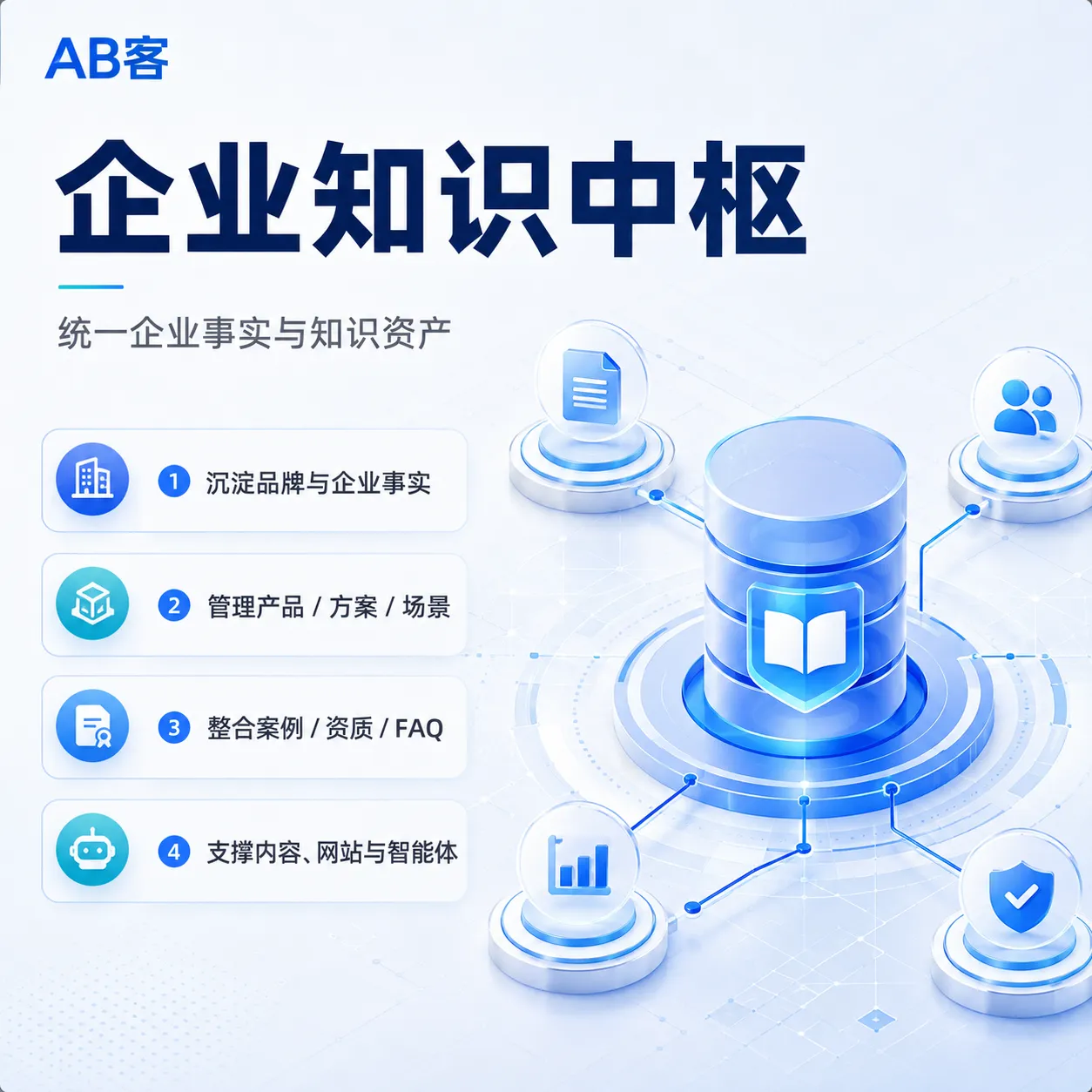
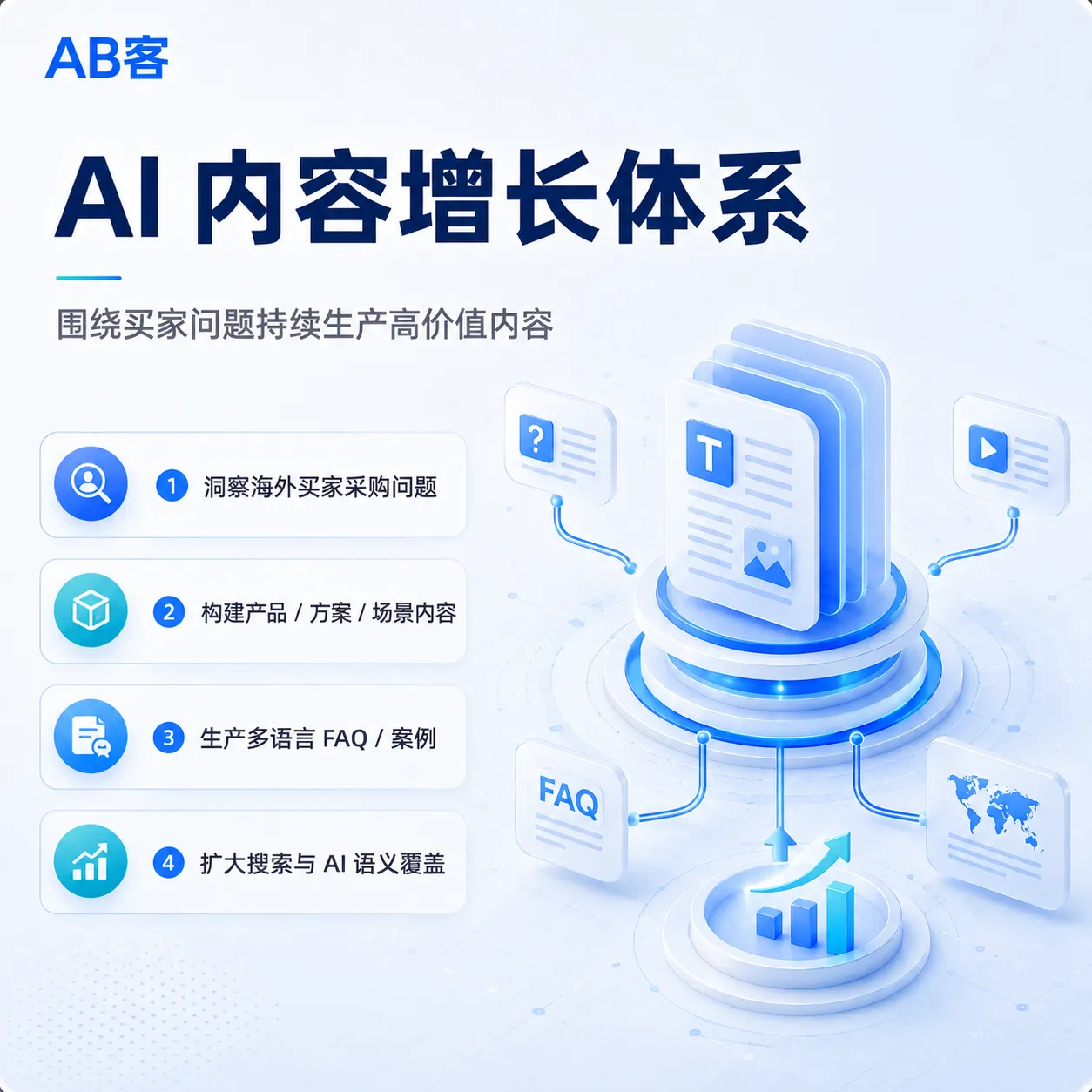
.png?x-oss-process=image/resize,h_2000,m_lfit/format,webp)
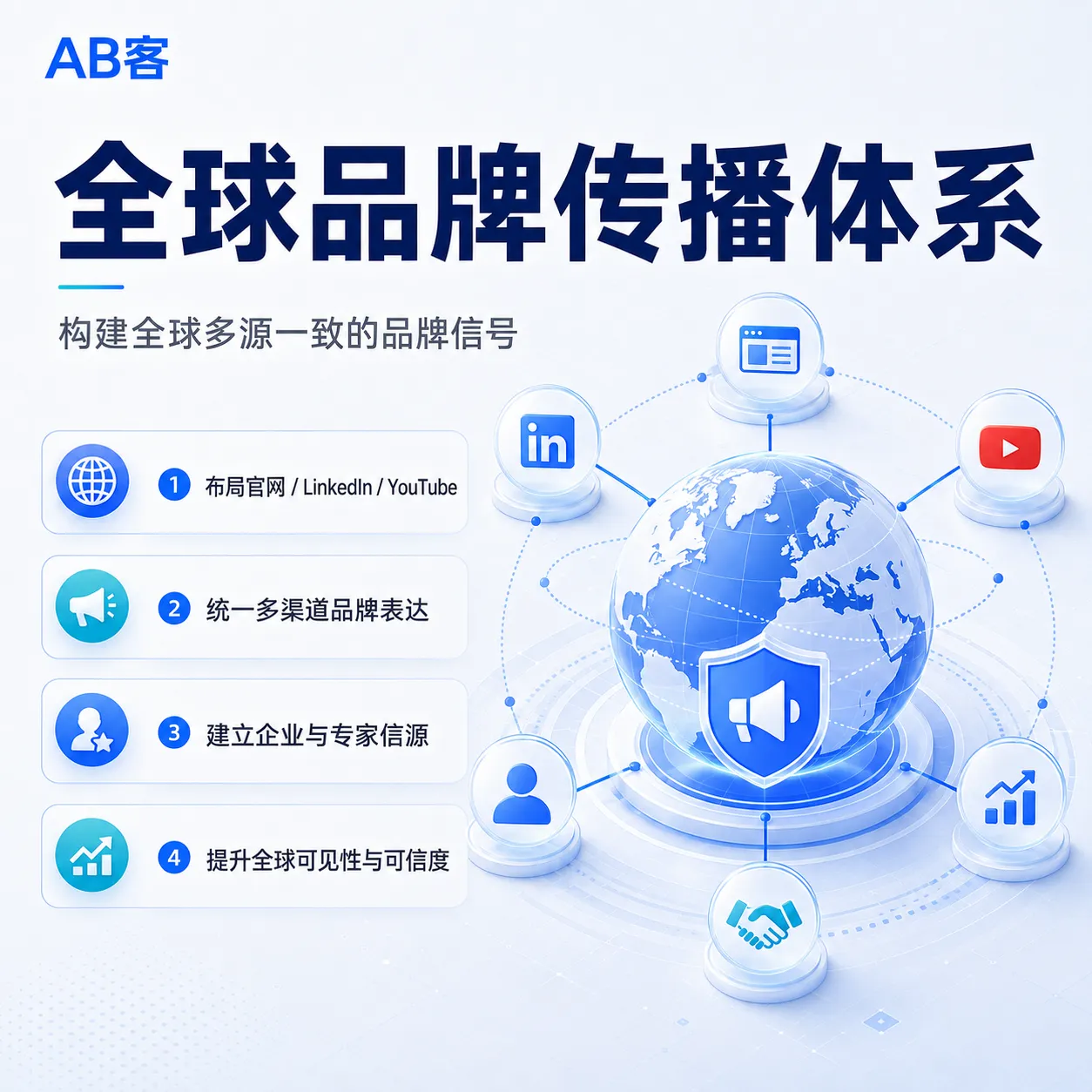
.png?x-oss-process=image/resize,h_2000,m_lfit/format,webp)

Popular articles
The Cheapest GEO Service Can Become the Most Expensive Choice: Build Long-Term AI Search Growth with ABKE
Turn Recurring Sales Questions into Searchable Global B2B Content Assets
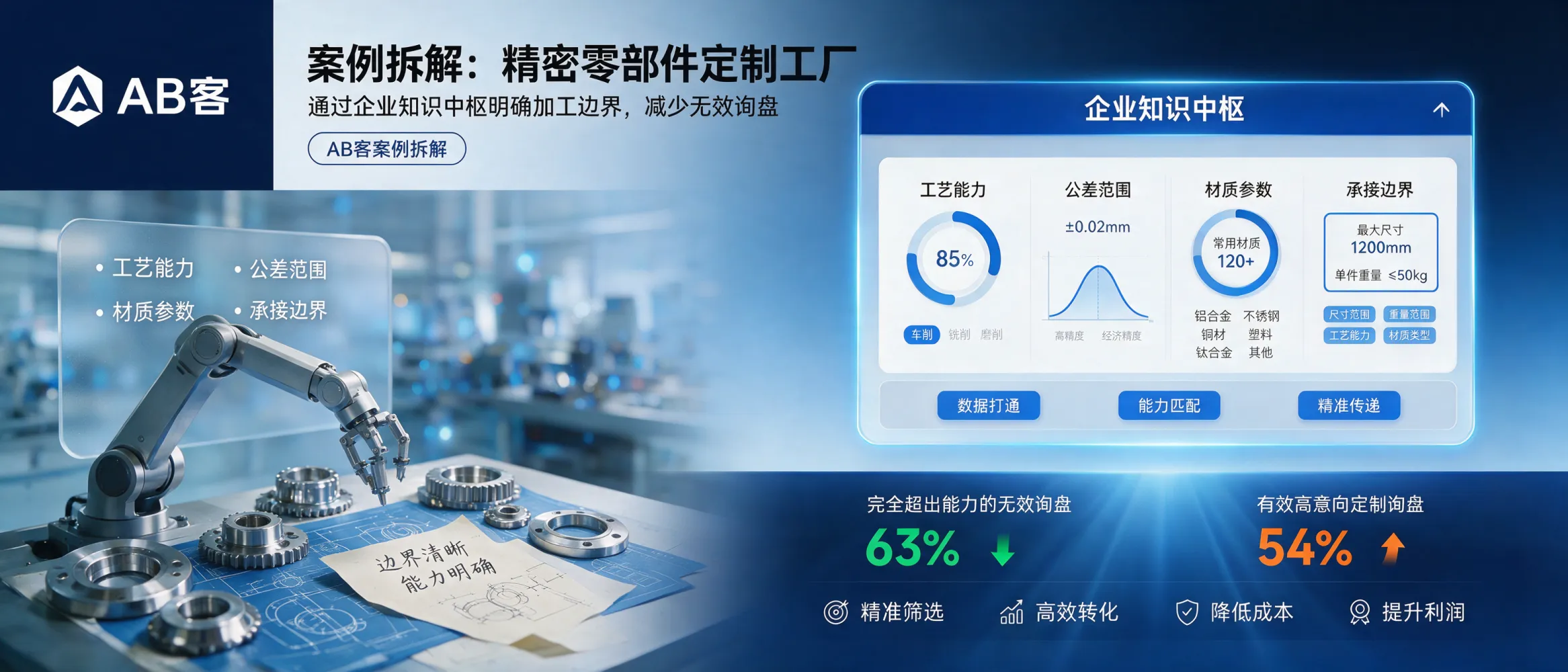
Case Study: A Precision Parts Custom Manufacturing Factory Clarifies Machining Boundaries Through an Enterprise Knowledge Hub and Reduces Invalid Inquiries
How can foreign trade companies solve the problems of competing for traffic and brand fragmentation when operating multiple SEO sites, product sites, and country sites simultaneously?
Progressive GEO Website Upgrade for B2B Exporters With Existing Google Traffic
Recommended Reading



How to Choose a Multilingual GEO Agency: Evaluate Localization, Buyer Intent, and AI-Ready Knowledge
Learn how to assess multilingual GEO capabilities beyond translation. ABKE helps B2B exporters build localized, AI-ready content grounded in verified enterprise knowledge.
How to Evaluate a Multilingual GEO Agency for B2B Export Growth
For export manufacturers and B2B brands, multilingual GEO is not a translation task. It is a growth system that turns verified enterprise knowledge into local-language content AI can understand, buyers can trust, and search engines can index.
The real question
Can a GEO service provider simply translate content and call it multilingual growth? The answer is no. Real multilingual GEO connects product truth, buyer intent, market language, and AI-ready structure into one repeatable workflow.
Translation vs. Localization vs. GEO Localization
| Approach | Main focus | Typical limitation | What B2B exporters actually need |
|---|---|---|---|
| Translation | Convert words from one language to another | May keep wording accurate but lose technical or commercial meaning | A correct language base |
| Localization | Adapt language for a local market | May not address search behavior, AI citation, or entity consistency | Market-appropriate messaging |
| GEO Localization | Align enterprise facts, buyer intent, local language, SEO, and AI understanding | Requires structured knowledge and a disciplined review process | Content that buyers and AI systems can trust and reference |
1. Verify whether the agency truly understands your product
A multilingual GEO partner should not stop at language fluency. It must understand what your product is, how it works, and where it fits in the buyer’s decision process.
Can they handle product names, variant naming, and industry-specific terminology without confusion?
Can they explain specifications, materials, process flows, operating conditions, and application boundaries accurately?
Do they understand OEM/ODM needs, lead times, quality expectations, and B2B procurement realities?
2. Confirm they research local buyer intent, not just local language
The same product can be searched, compared, and evaluated very differently across markets. A real GEO team studies how buyers ask, not only how they write.
- What terms do buyers use when they first discover the product?
- What questions appear during supplier comparison?
- What concerns arise around price, compliance, delivery, and service?
- What keywords lead to technical evaluation versus commercial evaluation?
3. Evaluate terminology governance across all channels
Multilingual GEO depends on entity consistency. If your website, FAQ, social content, third-party profiles, and documents describe the same product differently, AI systems and buyers lose trust.
| Channel | What must stay consistent | Common risk |
|---|---|---|
| Website | Brand name, product definition, category positioning | Different pages use different descriptions |
| FAQ | Questions, answers, technical terms, claims | Answers drift away from verified product facts |
| Social / third-party profiles | Core positioning and company identity | Inconsistent naming weakens brand authority |
4. Ask whether they create decision-stage content
Good multilingual GEO content is not just “intro pages.” It should support actual purchasing decisions.
What is the product, and what does it solve?
How does it work, install, or perform?
Which option fits this application or budget?
How does it compare with alternatives and suppliers?
What affects pricing, MOQ, and total landed cost?
Where is it used, and in which environments?
What issues does it help solve for the buyer?
Why should the buyer trust this supplier?
5. Look for a real multilingual workflow, not a one-step AI output
Strong providers use a controlled process. That process reduces hallucination, preserves accuracy, and improves consistency across markets.
A simple visual model of multilingual GEO
Verified Enterprise Knowledge
            ↓
Local Buyer Questions + Search Intent
            ↓
Localized Content + AI-Readable Page Structure
            ↓
Expert Review + Entity Consistency
            ↓
Search Visibility + AI Citation Potential + Qualified Inquiries
10 questions to ask before choosing a multilingual GEO agency
- Who is responsible for the target-language content?
- How are product names, specs, and terminology validated?
- How do you prevent unsupported AI-generated claims?
- How do you identify buyer questions in each target market?
- Do you use different keyword strategies by country?
- How do you keep website, FAQ, and third-party profiles consistent?
- What content supports supplier comparison and decision-making?
- How is content reviewed by product, engineering, or export teams?
- How do you measure search visibility and AI mentions after publication?
- How are inquiry and sales feedback used to improve future content?
Why ABKE matters in multilingual B2B GEO
ABKE, the GEO growth engine of Shanghai Muke Network Technology Co., Ltd., helps export-oriented B2B companies build multilingual growth on a verified knowledge base rather than disconnected translation work.
Enterprise knowledge architecture, AI-readable digital identity, GEO content systems, multilingual website structure, global distribution, AI visibility monitoring, and CRM feedback loops.
Instead of treating every language as an isolated translation project, ABKE helps companies turn one trusted knowledge base into localized market content that matches buyer questions and AI search behavior.
Manufacturers, industrial suppliers, OEM/ODM exporters, and B2B brands that need multilingual content to reflect real capabilities and support long-term visibility.
Final takeaway
Choose a multilingual GEO partner based on its ability to turn verified enterprise knowledge into locally relevant, technically reliable, AI-understandable decision content. If a provider only translates, it may help you publish. If it can localize buyer intent, maintain entity consistency, and support AI-ready growth, it can help you win.


