Expanding from one export market into several countries requires more than translating an English website. Buyers in Germany, France, Mexico, the Middle East, and other markets may use different product terminology, evaluate suppliers against different technical or compliance requirements, and expect different routes to inquiry and cooperation.
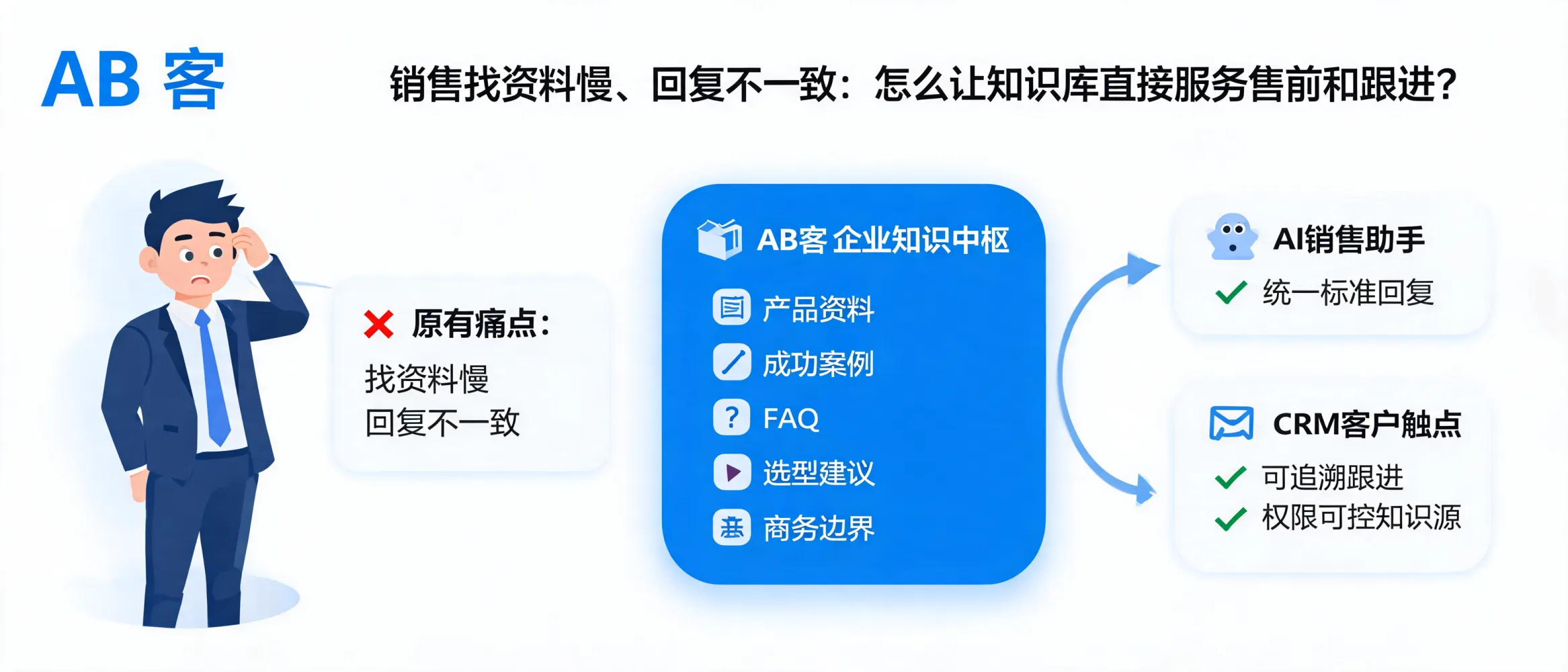
ABKE helps export-oriented B2B manufacturers build multilingual websites as a structured regional market system. Built on verified company knowledge and a unified global brand foundation, the approach connects localized content, multilingual SEO and GEO foundations, AI-understandable page structure, and market-specific conversion paths.
Localization is not simply translation
A translated page may be readable, but it may still fail to communicate how a manufacturer fits the local market. Direct translation can retain unfamiliar industry language, omit decision-critical details, or apply one market’s purchasing logic to another market where buyers assess suppliers differently.
Effective multilingual B2B website localization keeps core brand, product, manufacturing, and service information consistent while adapting how that information is organized and expressed for each target market. The objective is to help regional buyers, search engines, and generative AI understand what the business provides, where its capabilities apply, and which information supports a potential purchasing decision.
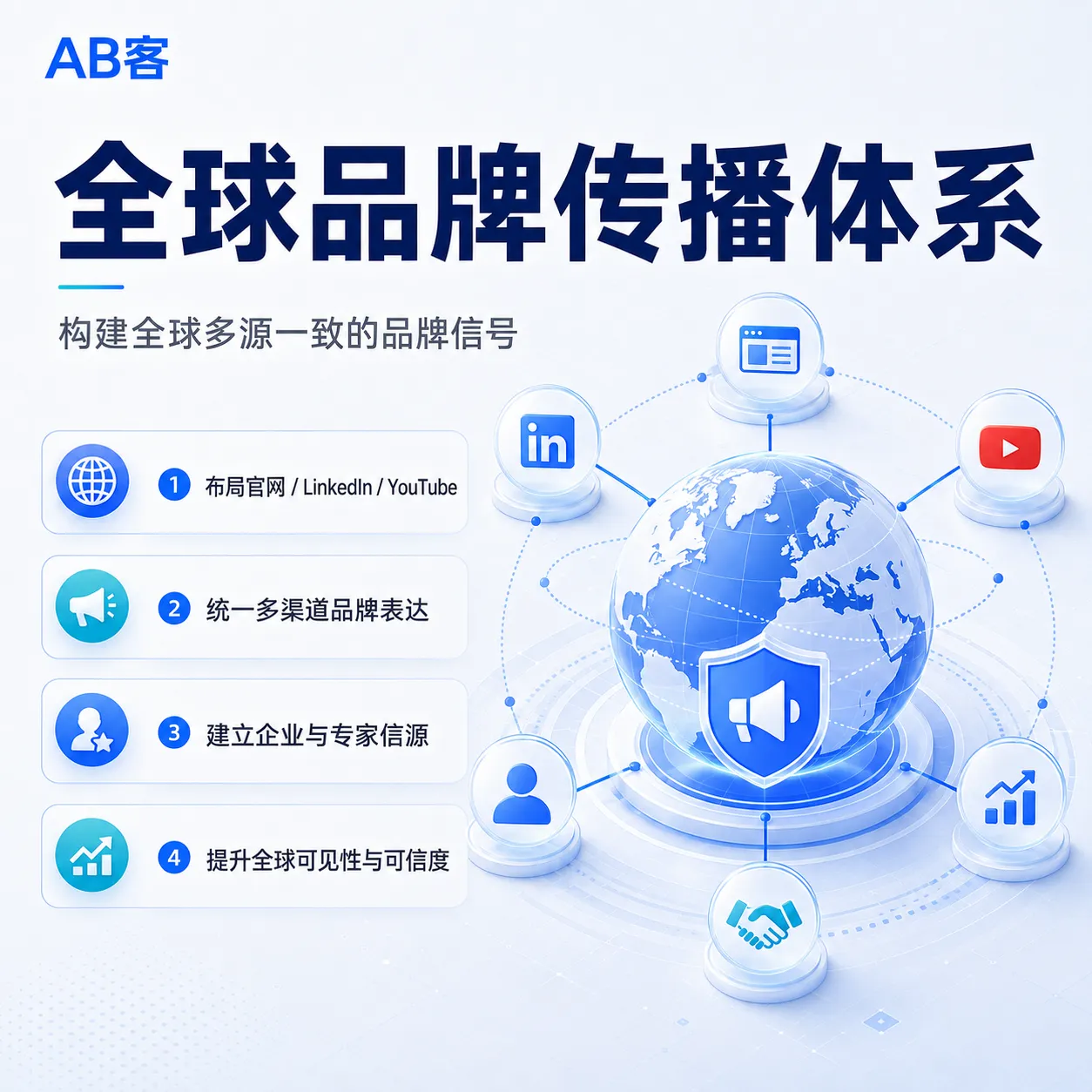
Global consistency
Maintain accurate and consistent representation of the company, product categories, manufacturing capabilities, technical strengths, and verifiable business information.
Regional relevance
Adapt terminology, buyer questions, technical documentation, certifications, application priorities, delivery information, and consultation guidance to the target market.
Clear conversion paths
Guide visitors toward appropriate next steps, such as an inquiry, technical discussion, document download, sample request, online consultation, or contact with the sales team.
Who this approach is designed for
Multilingual website localization is especially relevant for B2B companies with defined export products, manufacturing capabilities, or industrial solutions that plan to develop several overseas markets over time.
- Manufacturers with an English website that need stronger communication in non-English-speaking markets;
- Industrial brands expanding into Europe, Latin America, the Middle East, or other priority regions;
- Suppliers whose products involve technical specifications, industry standards, certifications, engineering delivery, or after-sales support;
- Businesses receiving overseas traffic or inquiries that need to distinguish country-level buyer needs and lead quality;
- Companies planning multilingual main sites, regional sections, industry pages, product microsites, or localized solution pages.
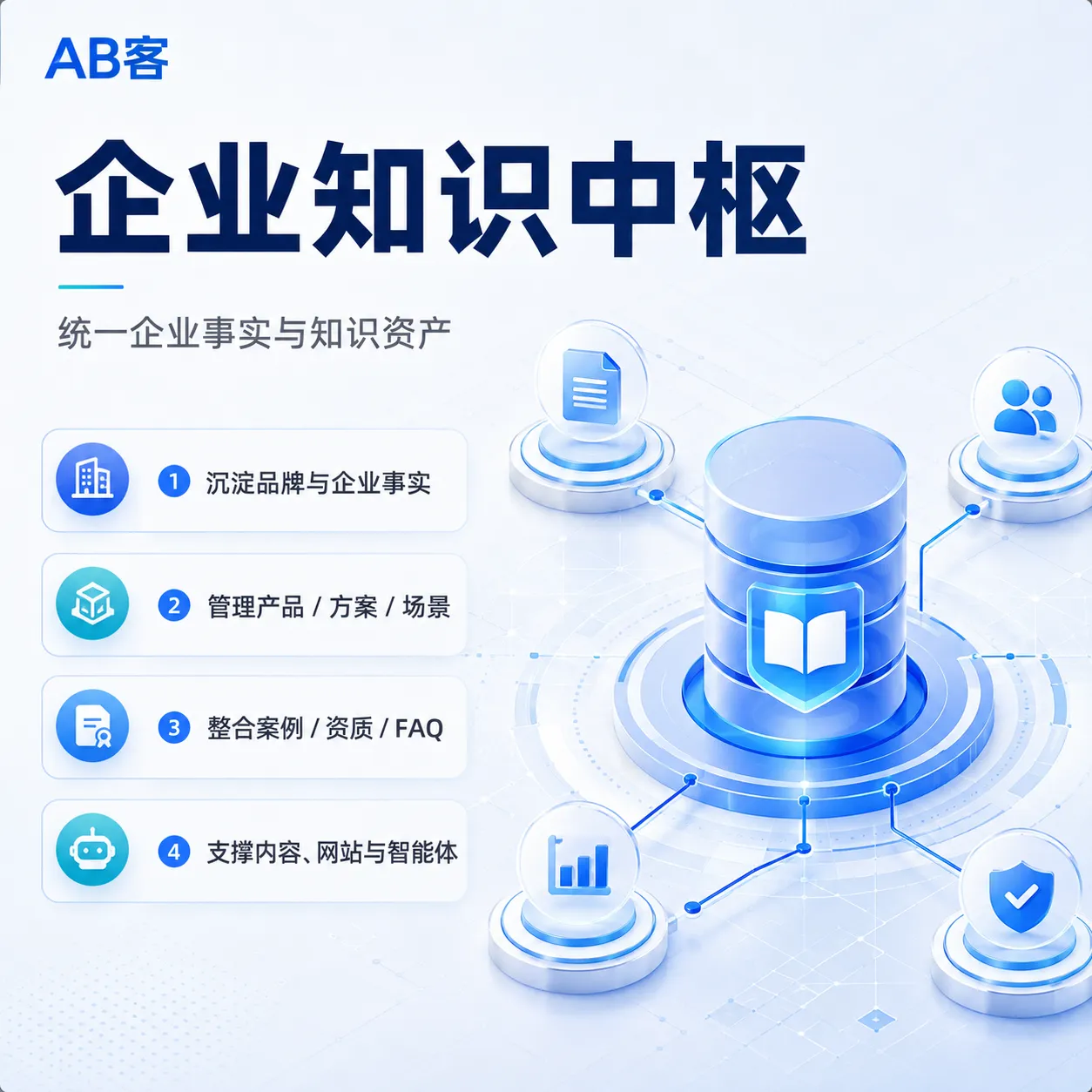
Localization works best when it is supported by real business evidence. Product documentation, specifications, certifications, application information, delivery conditions, service capabilities, and approved case materials provide the foundation for credible regional content.
Common challenges in multi-country website expansion
| Challenge |
What it can mean for the business |
Localization focus |
| Literal language translation |
Terminology or page messaging may not align with local industry usage or buyer reading habits. |
Use market-appropriate product terms, technical explanations, and page priorities. |
| One page structure for all markets |
Important local concerns—such as compliance, lead time, installation, or distributor support—may be overlooked. |
Build regional pages, FAQs, supporting content, and calls to action around actual buyer questions. |
| Unclear language and regional page relationships |
Search engines and visitors may encounter duplicate, mismatched, or poorly targeted versions. |
Define URL rules, canonical relationships, language-region targeting, and hreflang implementation. |
| Disconnected content and conversion data |
The business cannot clearly assess which markets, pages, or content themes generate meaningful leads. |
Connect regional entry points and conversion events with source recording and CRM workflows. |
How ABKE GEO intelligent websites support localization
ABKE treats multilingual website development as a regional knowledge-expression and digital growth infrastructure project. The website is designed to provide a stable global brand base while enabling each priority market to access relevant, structured, and verifiable information.
1. Site and market architecture
Plan the relationship between the main domain, language directories, subdomains, regional sections, industry pages, and product pages based on target markets, languages, product lines, and the existing website foundation.
2. Localized knowledge expression
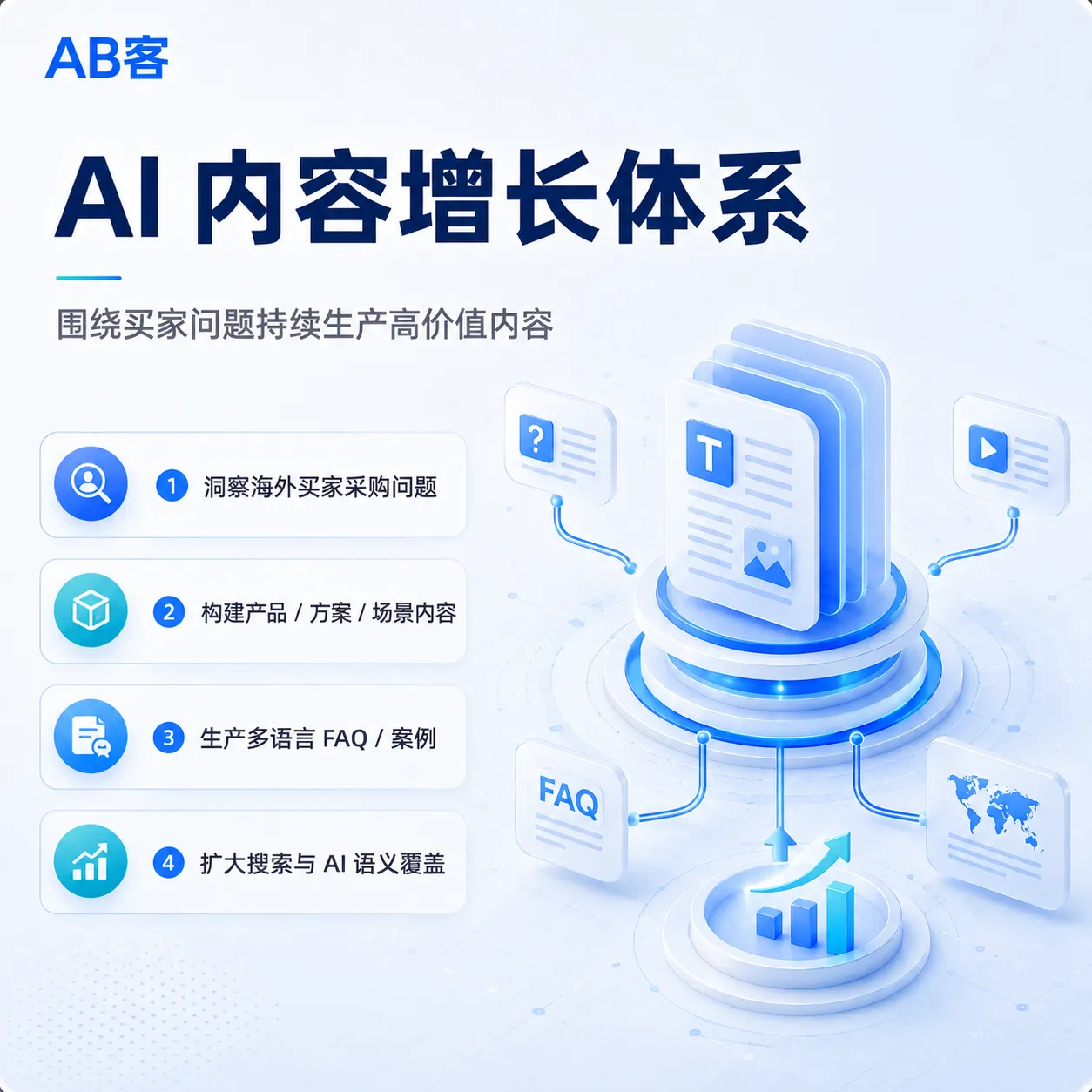
Translate verified business knowledge into localized product descriptions, technical information, application content, procurement guidance, FAQs, and supporting materials that match market context.
3. Multilingual SEO and GEO foundations
Use clear page hierarchy, semantic URLs, crawlable content, canonical rules, sitemaps, language and regional annotations, and structured entity relationships to improve interpretability.
4. Regional conversion and measurement
Create appropriate inquiry, document, consultation, and communication paths for different visitor stages, with source and interaction data available for later analysis and follow-up.
What localized B2B content may address
The required content depth differs by market and product category. Rather than creating isolated translated pages, ABKE can organize regional content around the questions a buyer may need answered before taking the next step.
- Local industry product names and search expressions;
- Technical parameters, materials, processes, and selection guidance;
- Applicable operating conditions and use cases;
- Available certifications, compliance information, and technical documents;
- Delivery process, logistics information, installation guidance, and service scope;
- Content for distributors, engineering companies, procurement teams, or end users;
- Market-relevant FAQs, approved case materials, and downloadable resources;
- Consultation routes and form fields aligned with regional purchasing needs.
A structured implementation path
- Prioritize markets and define page scope.
Identify core, observation, and future markets. For each priority market, clarify target buyers, key products, industry context, major procurement questions, and intended conversion actions.
- Organize verified enterprise knowledge.
Review brand information, product materials, specifications, manufacturing processes, certifications, applications, delivery conditions, service information, approved visual assets, and existing market resources.
- Establish content reuse and regional differentiation rules.
Define what can remain globally consistent and what should vary by language or country. Markets sharing one language may still require different regional pages where their purchasing context, regulations, or service conditions differ.
- Build technical relationships between pages.
Configure an appropriate structure for multilingual SEO and GEO, including page relationships, canonicalization, XML sitemaps, crawl controls, and hreflang language-region annotations where applicable.
- Create local conversion paths and connect data.
Align calls to action, inquiry forms, downloadable resources, contact options, and source tracking with the regional visitor journey and CRM process.
- Review, publish, and improve continuously.
Maintain an approval process for technical accuracy and business claims, then use content performance, visitor behavior, inquiry sources, and market feedback to guide updates.
Supporting search and AI understanding across markets
For international B2B websites, SEO and GEO work together as complementary foundations. Search engines need technically accessible, properly connected language and regional pages. Generative AI systems also benefit from content that clearly identifies the business, products, applications, evidence, market relevance, and applicable conditions.
ABKE can support the underlying website structure and content relationships needed for this clarity. Depending on the agreed scope, this may include semantic page organization, structured information about the company and offerings, product-to-application relationships, FAQ content, navigation and internal links, and region-specific context.
Important: Technical optimization and high-quality localized content can improve the foundation for discovery and understanding, but no website provider can guarantee that a third-party search engine or AI platform will crawl, index, cite, or recommend a page. Visibility and commercial outcomes are also influenced by product competitiveness, market conditions, platform mechanisms, pricing, delivery capability, and sales follow-up.
Expected infrastructure value
A well-governed multilingual website can become a reusable global digital asset rather than a collection of disconnected translations. It gives B2B teams a clearer framework for presenting products and capabilities across markets, maintaining consistent brand information, and improving regional communication over time.
- More relevant presentation of product and service value for different country and regional audiences;
- A structured relationship between products, technical knowledge, applications, certifications, cases, and buyer FAQs;
- Stronger foundations for language-region page discovery, indexing, display, and visitor experience;
- Clearer entity and content signals for search systems and generative AI to interpret;
- Regional inquiry paths and data records that support lead identification and sales follow-up;
- Content assets that can be maintained, reused, and expanded as new markets, products, and buyer questions emerge.
Scope and responsible use
Multilingual website localization can strengthen market communication, content organization, technical foundations, and conversion readiness. It does not replace local legal review, product certification, pricing strategy, channel operations, or relationship management by the sales team.
For products subject to strict regulation, complex certification, or country-specific market-entry requirements, the company should provide confirmed information and obtain appropriate legal, certification, or local market guidance before publication. ABKE supports multilingual website architecture, localized content systems, SEO and GEO foundations, conversion paths, and ongoing optimization within the agreed service scope, using information grounded in the client’s actual business capabilities.
ABKE multilingual website localization helps export-oriented B2B companies turn global brand knowledge into regionally understandable digital experiences—so customers, search engines, and AI systems can access clearer, more relevant information in each priority market.
.png?x-oss-process=image/resize,h_100,m_lfit/format,webp)

.png?x-oss-process=image/resize,m_lfit,w_200/format,webp)

.png?x-oss-process=image/resize,h_2000,m_lfit/format,webp)
.png?x-oss-process=image/resize,h_2000,m_lfit/format,webp)