.png?x-oss-process=image/resize,h_100,m_lfit/format,webp)

.png?x-oss-process=image/resize,m_lfit,w_200/format,webp)

Hot Products
.png?x-oss-process=image/resize,h_2000,m_lfit/format,webp)
.png?x-oss-process=image/resize,h_2000,m_lfit/format,webp)

Popular articles
How ABKE Helped GO Biotech Build a GEO Smart Website for Plasticizer Selection
Schema Is Everywhere, but AI Still Doesn’t Understand Your Business? The Problem Isn’t the Code
Build Localized Procurement Content for Priority B2B Export Markets
Build a Self-Service Product Selection Path for More Qualified B2B Inquiries
Help Overseas Buyers Evaluate Your Business at the Supplier Shortlist Stage
Recommended Reading


Built Websites for 20 Languages but Still No Inquiries?
Why multilingual B2B websites fail to generate inquiries—and how ABKE helps exporters build localized GEO content, market-specific evidence, and conversion paths for priority markets.
Built Websites for 20 Languages but Still No Inquiries?
Many exporters assume that adding more languages automatically means more international leads. In practice, a multilingual website often fails when it only translates words instead of localizing the buyer journey. In global B2B, buyers do not ask generic questions. They ask market-specific questions about standards, certifications, applications, delivery, payment, and proof of capability. That is exactly where ABKE helps companies build a GEO-ready multilingual growth system.
1. Translation is not localization
A translated page may be understandable, but that does not mean it is persuasive. Overseas buyers evaluate suppliers through a different lens: not just what you sell, but whether you can meet local expectations and reduce purchase risk.
2. Different countries, different buying questions
A buyer in Germany may focus on certification and technical compliance. A buyer in the Middle East may care more about service response, delivery reliability, and payment flexibility. A buyer in Latin America may pay closer attention to pricing structure, local application fit, and language clarity.
Common question categories that vary by market:
- Standards and certifications
- Applications and use cases
- Shipping and logistics
- Lead time and delivery terms
- Payment methods and trade terms
- After-sales service and support
Buyer logic in one simple flow
3. Twenty machine translations are weaker than three markets built deeply
For many exporters, the real issue is not “too few languages.” It is “too little relevance.” Thin pages across 20 countries usually create a large amount of surface area but very little trust, very little AI understanding, and very little conversion power.
4. The correct GEO approach for international expansion
A multilingual website should not begin with “How many languages can we publish?” It should begin with “Which markets matter most, what do those buyers ask, and what proof do they need before they inquire?”
In GEO terms, the goal is to help search engines and AI systems identify your company as a relevant, trustworthy answer for a specific market. That requires structured enterprise knowledge, localized content, and consistent external signals—not just translated pages.
5. How ABKE helps build multilingual B2B growth
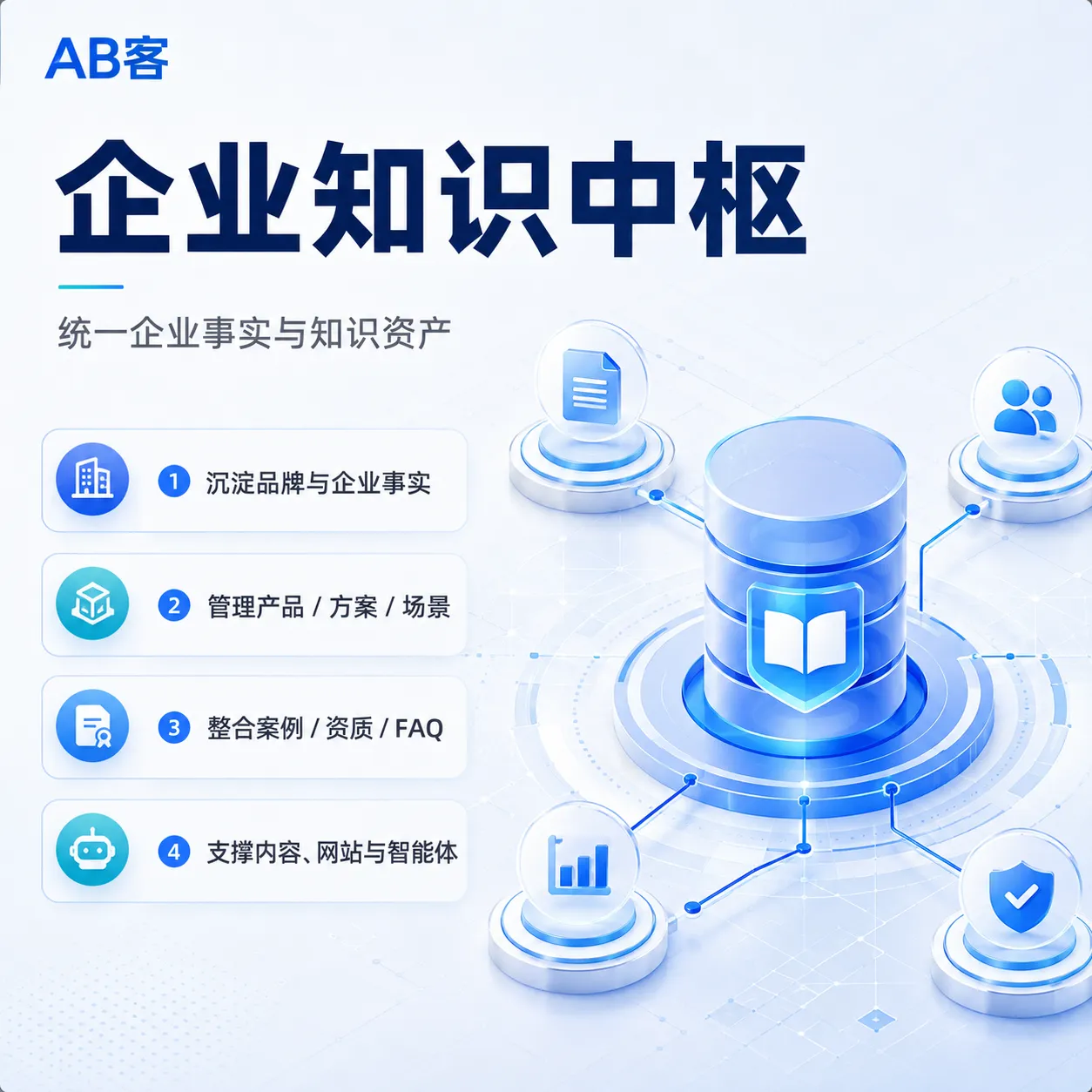
ABKE, the GEO growth engine of Shanghai Muke Network Technology Co., Ltd., is designed for foreign trade B2B companies that need more than a website translation project. It helps turn company knowledge into a growth system that can be understood by AI, indexed by search engines, and trusted by overseas buyers.
- Localized multilingual website architecture
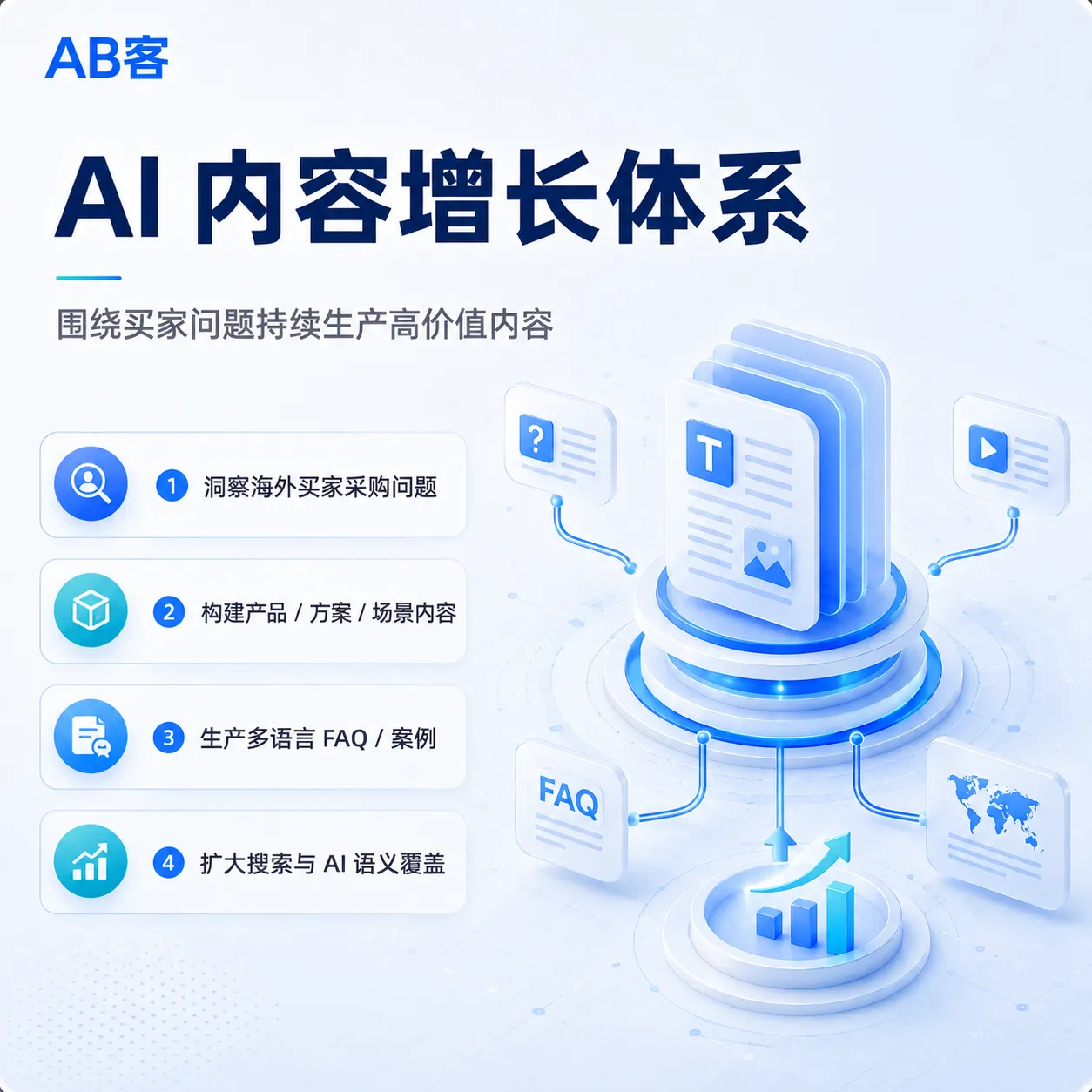
- Buyer-question-based content matrix
- Market-specific proof and trust assets
- SEO + GEO page structure
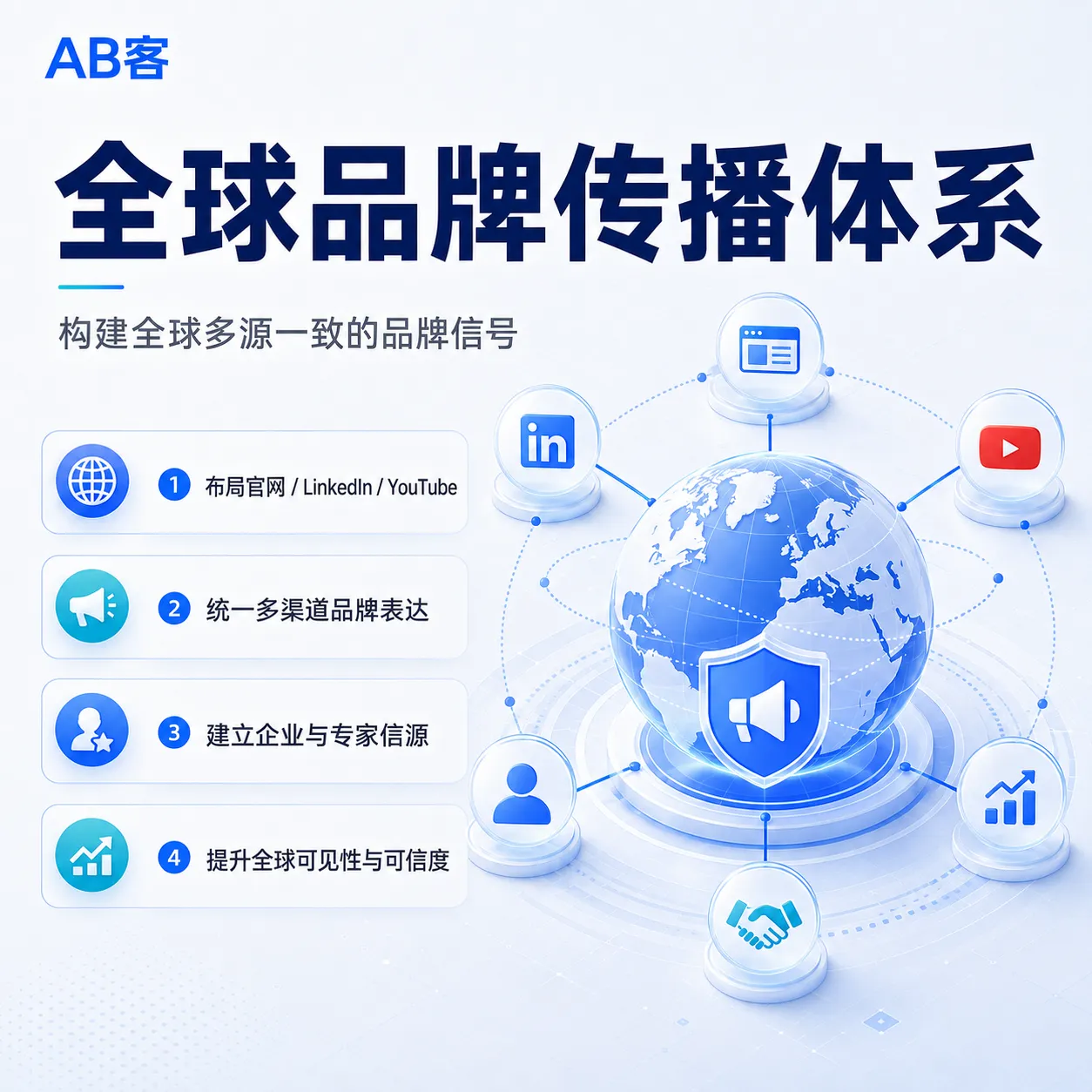
- Global content distribution network
- Inquiry conversion paths and CRM tracking
- AI visibility and performance monitoring
What makes ABKE different
6. Example: multilingual website foundation for a hard-material tool manufacturer
Henan Youde Ultra-Hard Tools Co., Ltd. launched a new website with eight language entry points, including English, Spanish, Russian, Arabic, Japanese, Korean, Portuguese, and Turkish. This gives the company a strong starting point for market-specific content and regional buyer access.
8 language options for different overseas audiences
Creates the foundation for localized page expansion and content depth
Build market questions, cases, and conversion paths for each priority region
7. Frequently asked questions
Q1: Why did my multilingual website get traffic but no inquiries?
Because traffic alone does not create trust. If the page does not answer local buyer concerns or show relevant proof, visitors leave without taking action.
Q2: Is machine translation enough for overseas markets?
Not for B2B growth. Machine translation can support basic readability, but market localization is needed for terminology, intent, credibility, and conversion.
Q3: Should I build 20 languages at once?
Usually no. It is more effective to start with 2–3 priority markets, build deep localized content, validate conversion, and then expand.
Q4: What is the main advantage of a GEO multilingual website?
It helps your company become understandable to AI and useful to buyers at the same time, improving discoverability, trust, and inquiry conversion.
Q5: How does ABKE support multilingual expansion?
ABKE provides multilingual website structure, localized GEO content, global distribution support, AI visibility monitoring, and CRM-linked conversion workflows for sustainable B2B growth.
If your multilingual website is not generating inquiries, the problem is probably not the number of languages.
The real issue is usually the lack of market priority, local buyer questions, trust evidence, and a clear conversion path. ABKE helps exporters move from “translated pages” to “localized GEO growth systems” so that each priority market becomes understandable, credible, and ready to convert.


