Hot Products





Popular articles
The most comprehensive, up-to-date, and complete collection of Latin American Yellow Pages. Save it!
Recruitment needs and career development directions in the foreign trade industry
Step-by-Step Guide: Using TDK Tag Auto-Generation and Multilingual Keyword Layout on Smart Website Building Platforms to Boost B2B Website Rankings
Why Your Foreign Trade Website Has No Ranking on Google? 3 Common SEO Mistakes to Avoid
Analysis of Key Differences between Traditional Website Building Processes and Intelligent Website Building with Practical Case Sharing
Case analysis: Using AB customer intelligent website building system to help B2B brands achieve global digital transformation efficiently
How Foreign Trade SOHO Entrepreneurs Can Optimize Sales Decisions Using Data Analytics Platforms
Optimizing Customer Resource Management for Foreign Trade Enterprises Amid Currency Fluctuations
Everything you want to know about localized digital marketing is here!
Recommended Reading
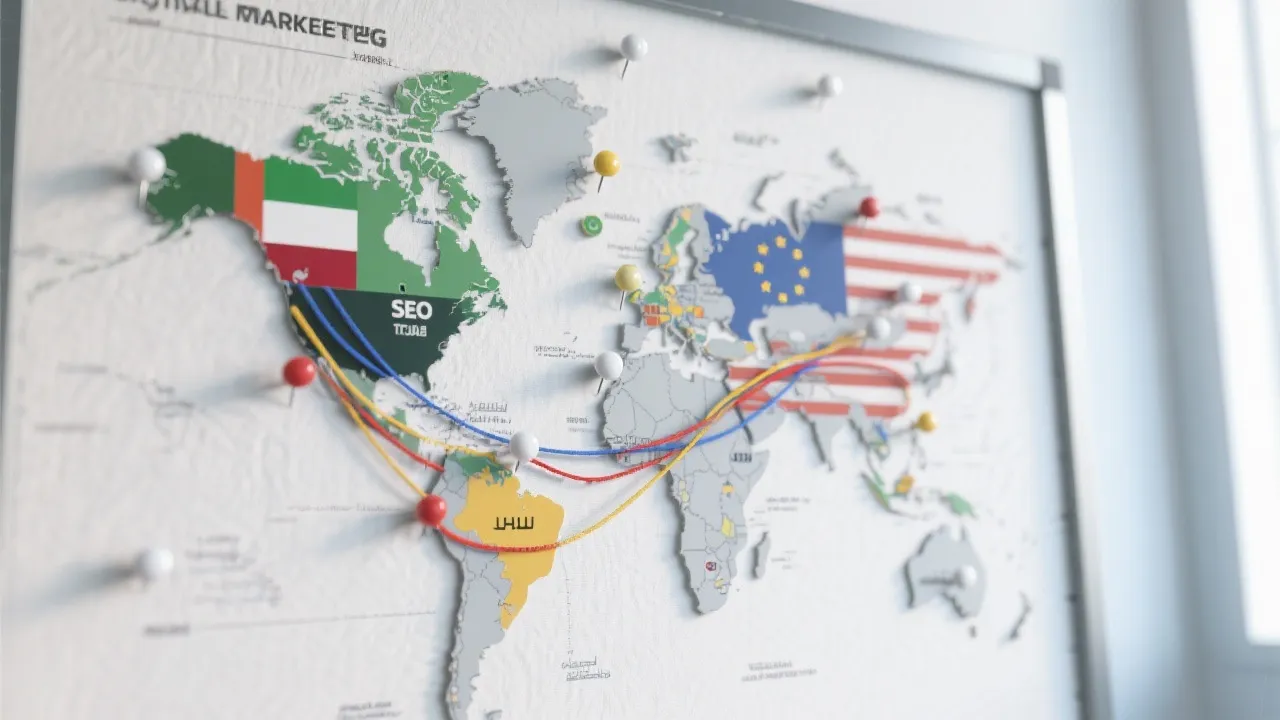









Practical Guide: Using Free Tools for Competitor Analysis and Title Tag Optimization
How can new exporters quickly perform competitor analysis and optimize title tags using free tools? This step-by-step guide breaks down SEO fundamentals, covering keyword research to landing page structure, and integrates localization strategies tailored to US and UK market nuances. Learn how to boost your Google rankings and increase overseas visitor conversions without needing a professional team by following standardized processes.

How to Use Free Tools for Competitor Analysis and Title Tag Optimization: A Practical Guide
As an emerging player in the global trade arena, mastering free, practical SEO techniques can be a game changer for your B2B website. You might think top rankings and high conversion rates require costly tools or expert teams—but you’re about to discover how to leverage free resources and a step-by-step approach to boost your Google ranking and attract quality overseas traffic.
Understanding the SEO Basics for External Trade Sites
Before diving into tools, it’s crucial you grasp SEO’s core: matching user intent through relevant keywords and well-structured pages. Your title tags act as the first handshake with search engines—accurate, concise, and keyword-rich titles improve your visibility and click-through rate. In B2B export markets such as the US and UK, customers highly value clarity and specificity over creative flair.
Free SEO Tools at Your Disposal
You can start with two excellent free tools:
- Ubersuggest – Offers keyword suggestions, domain overview, and SEO audit with limited free queries daily.
- Ahrefs Webmaster Tools – Provides backlink data and search performance analysis for your site and competitors.
Using these, your objective is to extract competitive keywords and evaluate how top-performing competitor pages structure their title tags and headings.
Step 1: Competitor Keyword Comparison Strategy
Enter your main product keyword into Ubersuggest and Ahrefs to compile a list of high-volume keywords used by competitors. Focus on those with a Keyword Difficulty (KD) below 40—these are more achievable targets. For example, if you export industrial air filters, identify terms like “industrial air filter replacement” or “commercial air filter units” showing decent monthly searches (~500-1,200) but moderate competition.
“Focus on creating content that answers the specific queries your buyers type — that’s what Google rewards.” — Google Search Central
| Keyword | Monthly Search Volume | Keyword Difficulty (KD) |
|---|---|---|
| industrial air filter replacement | 950 | 32 |
| commercial air filter units | 780 | 28 |
| energy efficient air filters | 1,150 | 38 |
Step 2: Title Tag & Heading Structure Best Practices
After identifying your keywords, optimize your page titles and headings accordingly:
- Title Tags should be between 50-60 characters, integrating the primary keyword near the beginning, e.g.: “Industrial Air Filter Replacement | Reliable Commercial Units”.
- Meta Description must mirror the page’s intent, encouraging clicks without keyword stuffing.
- H1 tags serve as the main page headline, echoing the primary keyword.
- H2 and H3 tags support related secondary keywords and improve content scannability—especially vital for mobile users.
Remember, Google’s mobile-first indexing means the title and headings should remain clearly visible and user-friendly on smaller screens.
Step 3: Mobile Optimization and Page Load Speed
Mobile visitors often convert better when their browsing experience is seamless. Ensure your page load time is under 3 seconds. Use Google’s PageSpeed Insights to test your URL —Is your page speed up to par? Click here to test it now.
Compress images, minify scripts, and prioritize above-the-fold content for faster rendering.
Case Study: From Zero to Top 3 with Title & Keyword Tweaks
Consider a product page for “Industrial Air Filters.” Before optimization, it ranked on page 4 with ~80 monthly organic visitors. After applying the above steps:
- Utilized Ubersuggest to discover “energy efficient air filters” as an untapped keyword (1,150 monthly searches, KD 38)
- Rewrote the title tag to “Energy Efficient Industrial Air Filters | Save Costs & Improve Air Quality”
- Added H2/subheadings addressing FAQs and US/UK-specific terms (“commercial-grade filters”, “ASHRAE standards”)
- Reduced load time from 7s to 2.8s through image optimization and lazy loading
Result: The page rose to top 3 in Google for targeted keywords within 6 weeks, monthly organic visits jumped 230% and inquiry leads doubled.

Leveraging Cultural and Language Nuances for Localization
One often overlooked factor is linguistic and cultural differences between English-speaking markets:
- US buyers prefer straightforward, benefit-driven titles (e.g., “Save energy with our industrial filters”).
- UK buyers favor formal structures and compliance references (e.g., “Industrial air filters compliant with BS EN standards”).
Adjust your meta tags and headings accordingly to resonate with each target market’s search intent and terminology.

Putting It All Together: Your 3-Step SEO Action Plan
1. Use free tools like Ubersuggest and Ahrefs to identify low-competition, high-value keywords.
2. Craft clear, keyword-rich title tags and heading structures that reflect buyer intent.
3. Optimize for mobile speed and localize your copy for your target English-speaking markets.
By mastering these steps, you can make your website stand out on Google without spending a dime on premium software or agencies. The most important factor? Consistency and data-driven adjustments based on real search behavior.

Ready to boost your export website’s Google ranking with no extra cost? Master these free SEO techniques today and watch your traffic soar!


