Hot Products




Popular articles
All Content Chaos Starts with Missing Enterprise Knowledge Sovereignty
Foreign Trade Companies’ Final 90 Days: A Practical 2026 Q4 GEO Execution Checklist
How to Use GEO to Capture Q4 2026 US & European Procurement Demand: 5 Priorities for B2B Exporters
Planning Q4 2026 GEO Investment: Improve Content, Build Evidence or Fix Retrieval?
Recommended Reading

Can Your Product Evidence Support an Accurate Procurement Decision?
Assess how ABKE GEO Growth Engine helps organize product evidence for procurement decisions while preserving parameter conditions, case limitations and certification scope.
A product page supports procurement only when buyers can understand both the claim and the conditions behind it. Technical parameters, project experience and certificates need to show what they establish—and where their applicability ends.
ABKE GEO Growth Engine helps manufacturing exporters structure enterprise knowledge and generate product, solution and multilingual content from authentic source materials. For procurement-facing content, the essential question is whether each statement remains connected to its evidence as it moves from source documents to websites, languages and digital channels.
The evaluation principle: a buyer should be able to identify what is claimed, which product or configuration it concerns, what evidence supports it and which conditions limit its use. Missing information requires confirmation—not AI completion.
Connect product claims to procurement evidence
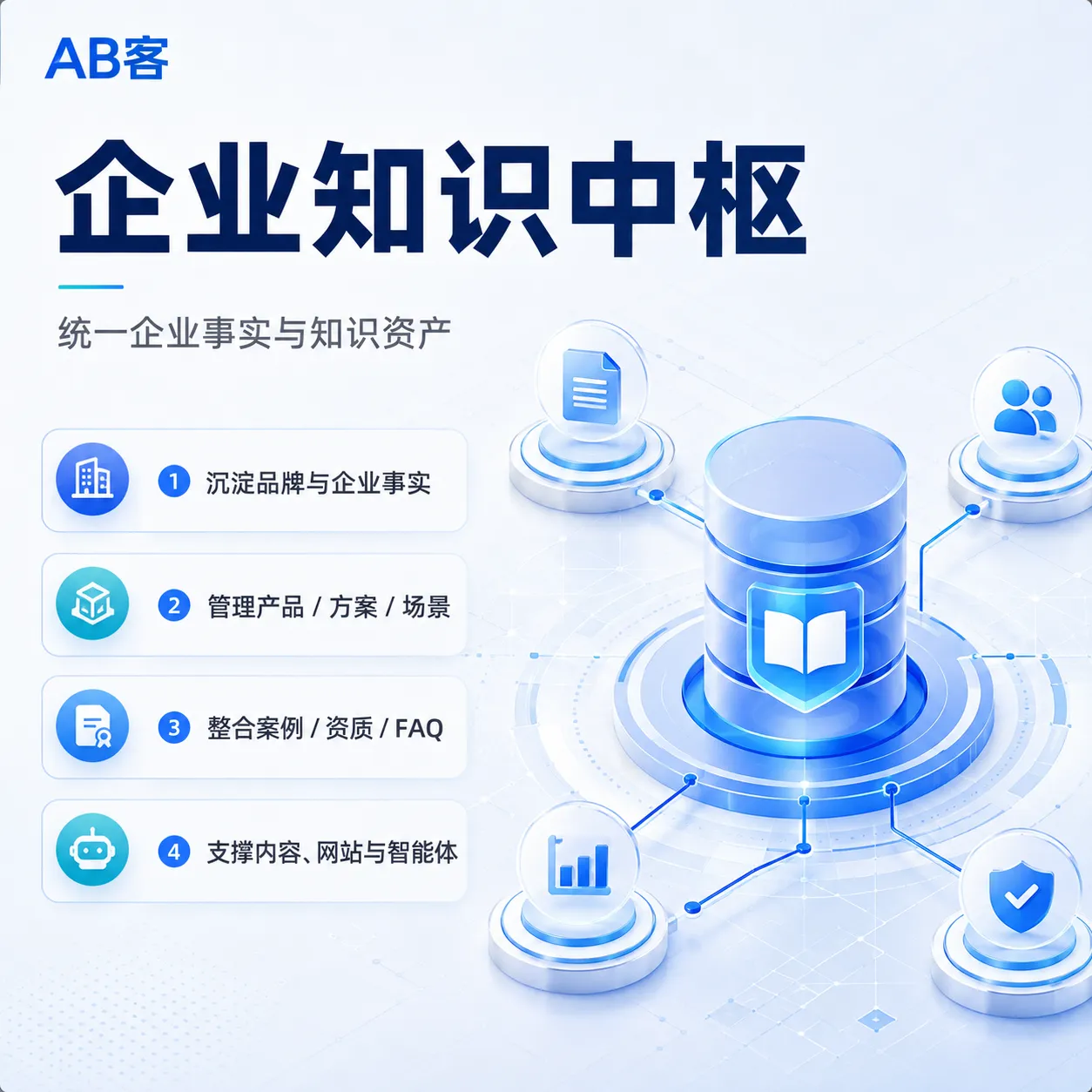
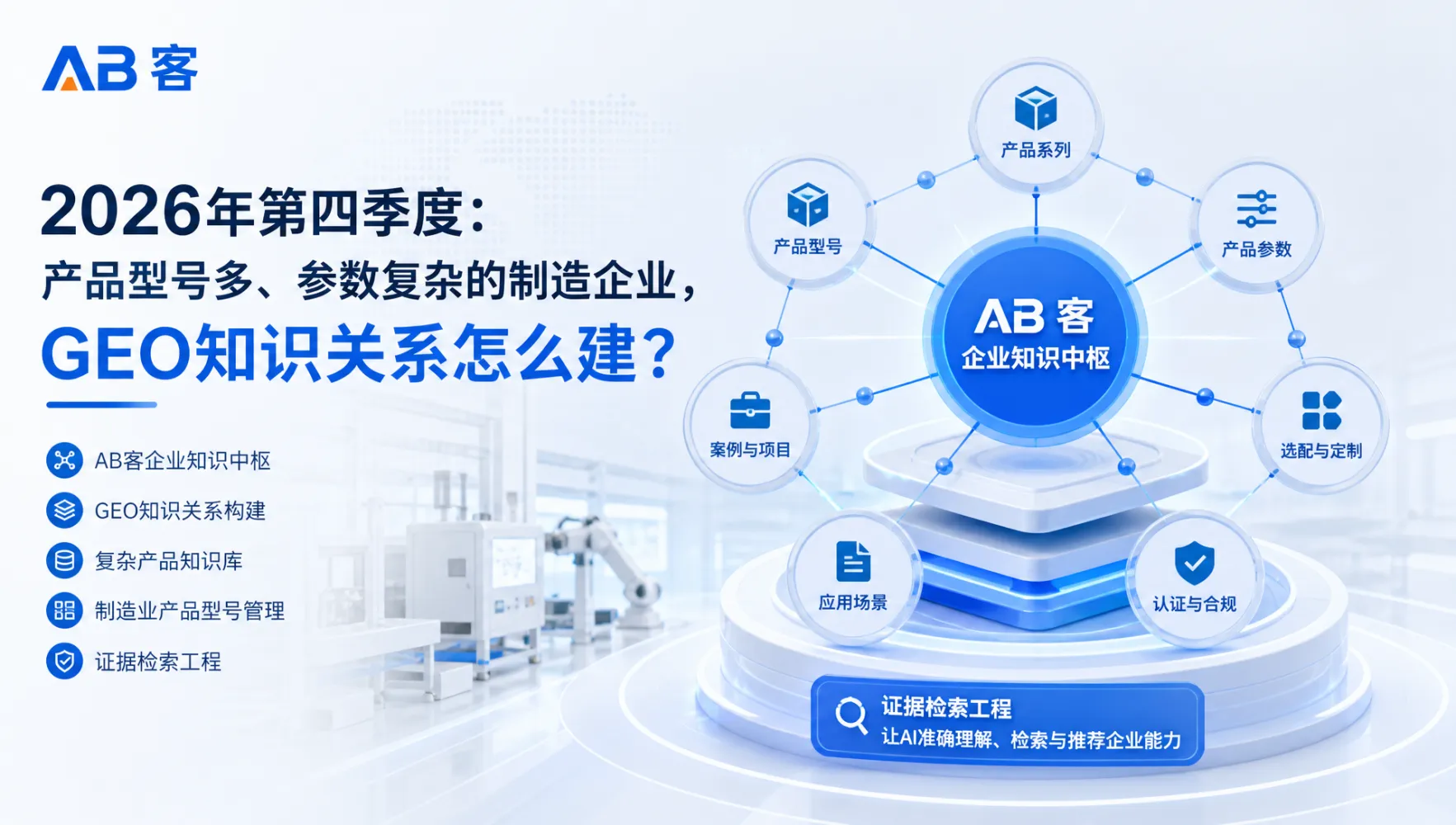
ABKE GEO Growth Engine is an enterprise-level GEO platform, not simply an AI writing tool. Its knowledge management capabilities organize product facts, technical information, application scenarios, cases and trust evidence as a shared basis for content and business tasks.
A practical procurement review should examine the relationship between each published claim and its source. The following framework can guide that review; it is not a substitute for technical verification.
| Claim type | Evidence to examine | Applicability to preserve |
|---|---|---|
| Technical performance | Product specifications and available test documentation | Model, configuration, units, operating conditions and test conditions |
| Application suitability | Technical guidance and documented application or solution materials | Intended use, operating environment and relevant exclusions |
| Project experience | Approved customer cases and engineering project records | Project-specific configuration, circumstances, documented outcomes and disclosure permissions |
| Certification or conformity | Certificate documents and their stated scope | Certificate holder, covered products or activities, applicable standards and validity information |
Three boundaries that product content must retain
Technical parameters apply under defined conditions
A performance value should not become an unconditional promise. Review whether the source identifies the relevant model, configuration, measurement units and test or operating conditions. Where a value applies only to a particular setup, that qualification should remain visible in the procurement-facing statement.
A project case demonstrates experience, not universal results
A documented case can help buyers assess relevant experience. It does not establish that every installation will achieve the same outcome. Preserve the application context, supplied configuration and known limitations, and confirm which customer details, images and results may be disclosed.
Certification scope must match the statement
Certification scope verification requires checking the actual document rather than relying on a badge or a broad marketing phrase. Do not extend a certificate covering one entity, activity or product scope to an entire range without supporting evidence. Technical or quality personnel should confirm the proposed wording.
How the platform supports evidence-based content work
ABKE connects enterprise knowledge, product-focused execution and task workflows. These capabilities provide a working structure for organizing evidence and preparing content for review.
- Brand workspace: manages enterprise identity, trust assets, content standards, disclosure boundaries and review rules across products and channels.
- Product intelligent agents: work with product facts, technical information, customer questions, application scenarios and supporting materials to execute product-focused tasks.
- Task sessions: organize objectives, context, execution steps, human review, publication results and follow-up data.
- Content and monitoring capabilities: support multilingual content, website and channel publishing, search and AI visibility monitoring, and subsequent optimization.
These capabilities do not establish the validity of a technical claim by themselves. Source-to-claim mapping should be an explicit review requirement, with responsibilities and delivery standards agreed for the project.
Start with one product sample
Before expanding to a full product portfolio, use one representative product to assess whether the workflow preserves evidence and supports buyer decisions.
- Collect authentic source materials. Include product specifications, relevant technical documents, approved cases, certificates and application guidance. Identify gaps and conflicting versions.
- Prepare a source-to-claim review. For each proposed statement, record its supporting material, applicable model or configuration, conditions and unresolved questions.
- Obtain technical or quality confirmation. Ask the responsible personnel to approve accuracy, scope and limitations. Keep unconfirmed statements out of publication until resolved.
- Review generated pages and translations. Check that qualifications remain intact in product pages, FAQs, localized content and channel materials.
- Use feedback to improve the knowledge base. Bring recurring buyer questions, misunderstandings and sales feedback into subsequent content tasks.
Preserve meaning across languages and channels
Multilingual localization should retain the technical meaning of the original statement, not just produce fluent wording. Review units, model names, standard references, conditional language and exclusions. Shorter channel content should not turn a qualified statement into a broader claim.
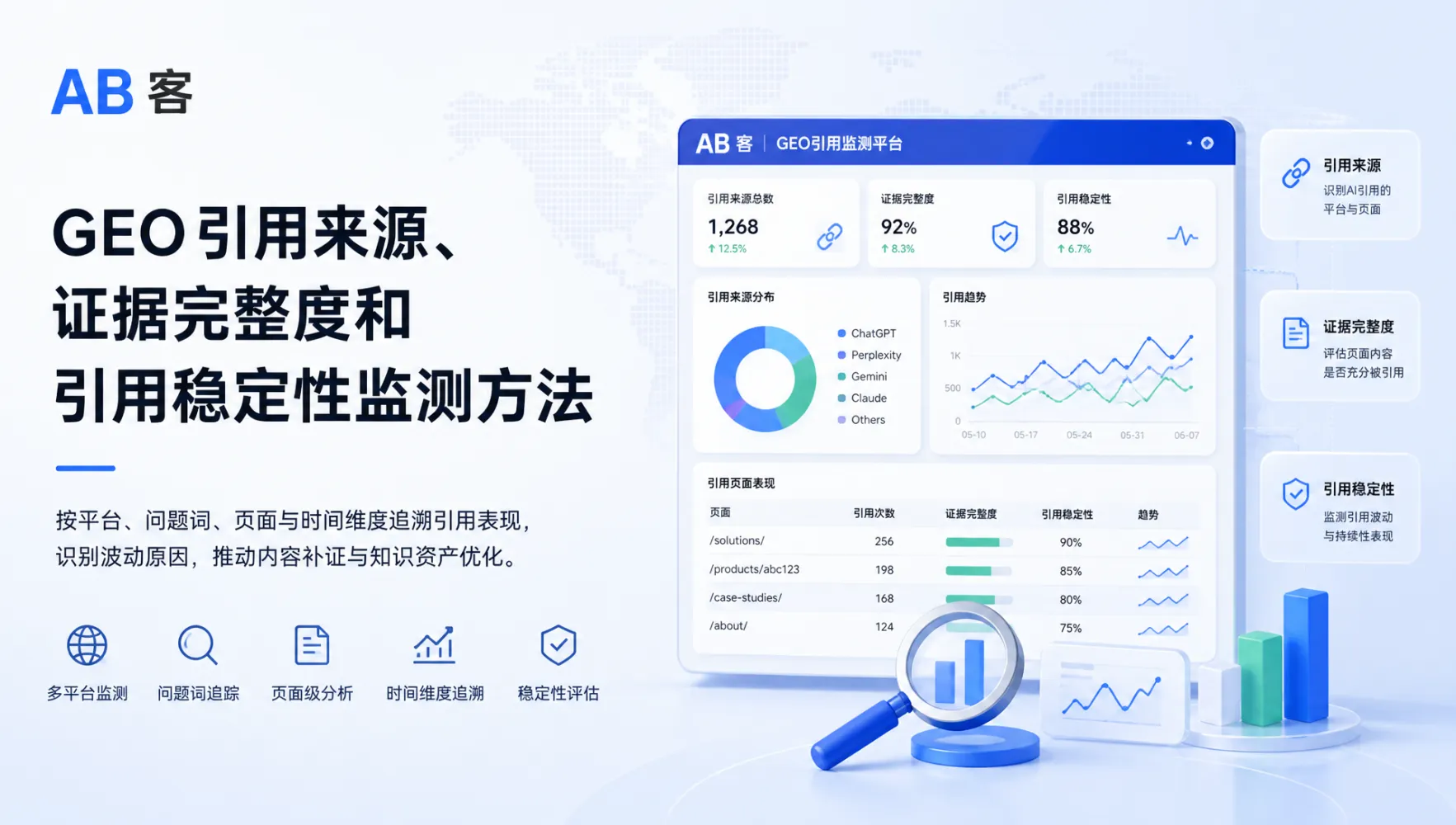
For search engines and AI platforms, clear relationships between products, parameters, applications and evidence can make content easier to interpret. However, visibility metrics are not proof of technical accuracy. Search inclusion, AI citation and AI recommendation monitoring should be evaluated separately from evidence review.
Agree responsibilities before publication
Define who verifies technical facts, confirms certificate scope, authorizes case disclosure and approves localized wording. Also agree how disputed facts, revised documents and outdated claims will be handled.
ABKE GEO Growth Engine provides software, intelligent execution, task management and data analysis capabilities. It does not replace product expertise, quality review or procurement due diligence, and it does not guarantee search rankings, AI recommendations, inquiries or sales outcomes.
Evaluate evidence quality before scaling content
Bring one product’s technical materials, relevant cases and certification documents to an ABKE evaluation. Use that sample to assess knowledge organization, generated wording, multilingual consistency and the human review workflow.
The goal is not simply more product content. It is a reusable information base that helps buyers understand what your product can do, under which conditions and on what evidence.


