Hot Products


Popular articles
ABKE GEO Website FAQ | Who Should Register Your Domain, and Can You Keep It When Changing Providers?
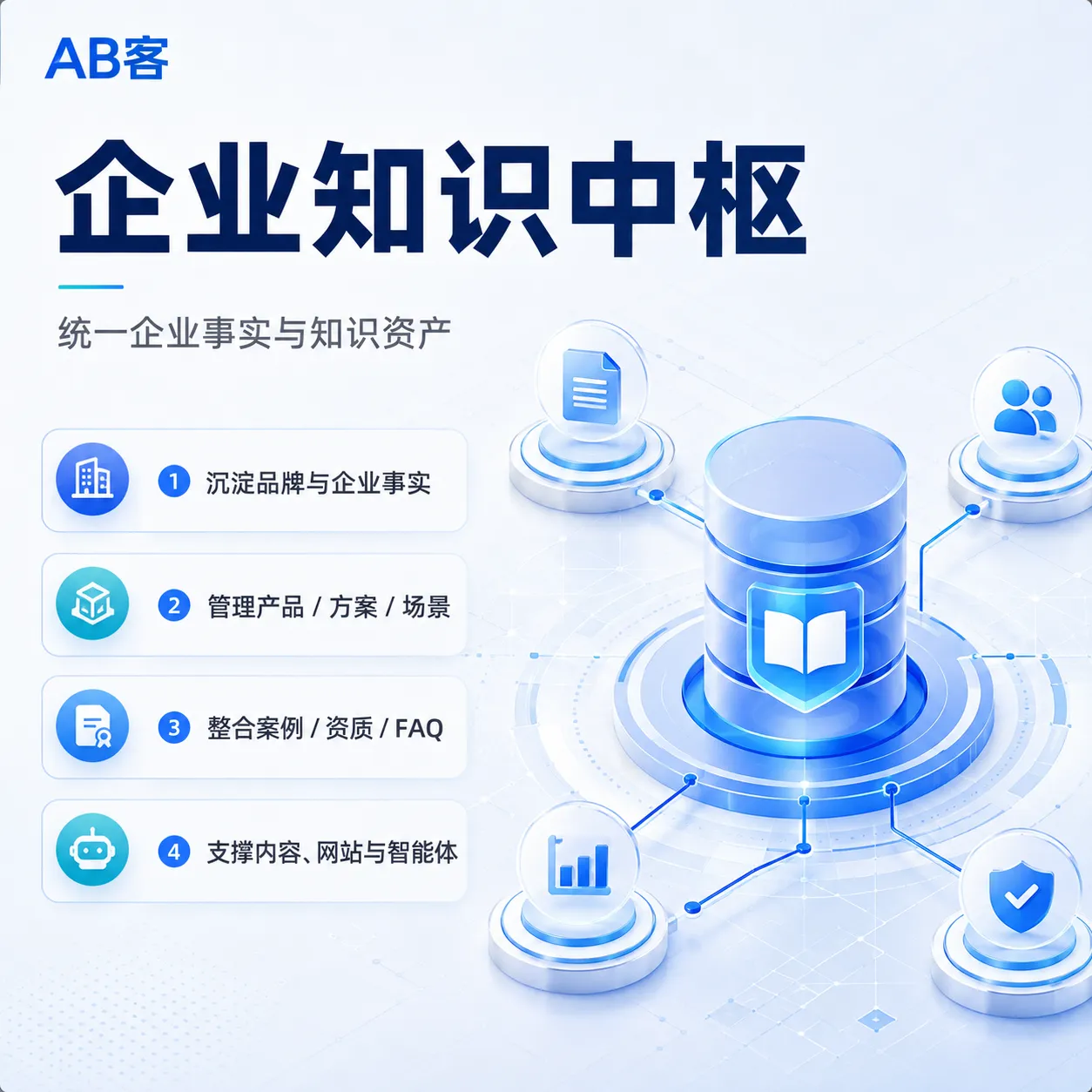
Knowledge Base ≠ Knowledge Sovereignty: Build an AI-Ready Source of Truth with ABKE
Q4 2026: How to Build a Product Applicability and Technical Boundary Library to Reduce AI Over-Recommendation
Can ABKE GEO Website Source Code Be Exported? Understand Static Website Assets and Platform Capability Boundaries
What GEO Optimization Trends and Directions Matter Most in Q4 2026?
Recommended Reading
Q4 Procurement Peak: What AI-Verifiable Evidence Should Export Businesses Prepare?
Prepare for Q4 procurement demand with AI-verifiable business evidence. ABKE helps B2B exporters organize trusted facts, certifications, cases, and consistent global brand information for SEO and GEO growth.
Q4 Procurement Peak: What AI-Verifiable Evidence Should Export Businesses Prepare?
During the Q4 buying season, global buyers move faster, compare more suppliers, and rely more heavily on AI assistants, search results, and trusted public signals. That means your website cannot depend on broad claims alone. To be recommended by AI and shortlisted by buyers, your company must present evidence that is structured, consistent, and easy to verify.
Core principle
Evidence beats self-claim
Best use
SEO + GEO + conversion
ABKE role
Turn facts into AI-readable assets
Why do “professional” claims often fail to earn AI recommendations?
Many export companies describe themselves as “experienced,” “high quality,” or “industry-leading.” But AI systems do not reward generic language. They look for facts that can be cross-checked, interpreted, and connected to buyer intent.
| Self-claim | AI-verifiable evidence | Recommended proof format |
|---|---|---|
| “We have 20 years of experience.” | Founding year, company milestones, public profile, industry history, project timeline | About page, timeline page, company profile |
| “Our quality is reliable.” | Inspection process, standards, certifications, test reports, traceability records | Quality page, certificate page, downloadable files |
| “We serve global customers.” | Export markets, application sectors, delivery records, case examples | Case studies, market pages, solution pages |
| “We offer customization.” | Engineering workflow, configurable parameters, sample approval, lead time logic | Technical FAQ, process page, solution page |
Key insight: AI does not “trust” your adjective. It trusts the evidence behind the adjective.
In Q4, competition is not about content volume — it is about evidence quality
Q4 procurement cycles are compressed. Buyers often need to assess suppliers quickly across technical fit, delivery confidence, compliance, and commercial risk. If your digital footprint contains only promotional language, AI systems and buyers may struggle to determine whether your company is a suitable match.
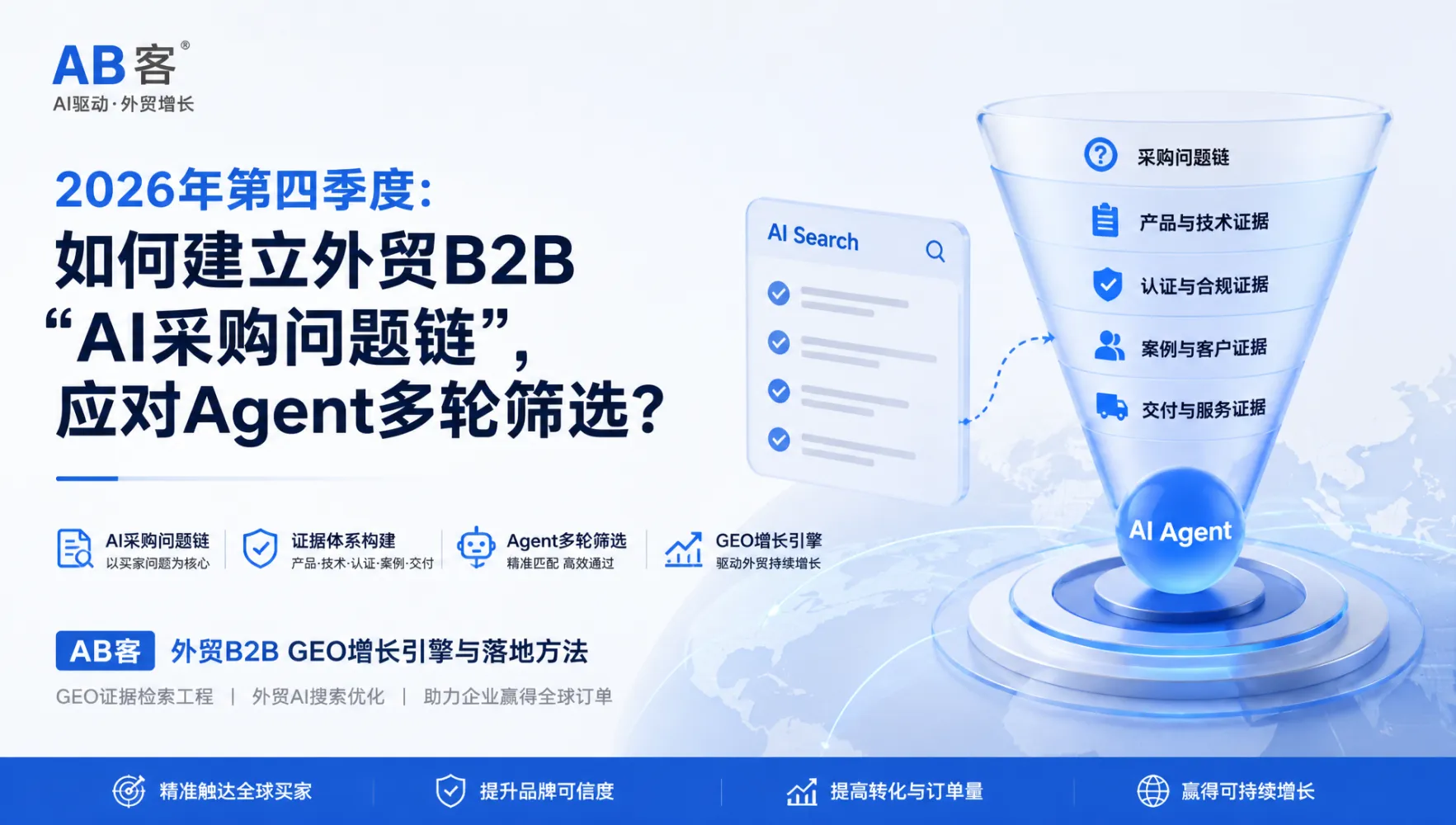
Buyer question
Can this supplier deliver what I need, on time, with acceptable risk?
AI question
What facts prove this company is credible, relevant, and reliable?
Business result
More visibility, stronger trust, and higher-quality inquiries.
Evidence-driven GEO flow
Verified business facts
        ↓
Enterprise knowledge base
        ↓
Evidence-based content architecture
        ↓
SEO & GEO website + global channel consistency
        ↓
Search visibility + AI understanding + buyer trust
        ↓
Inquiry capture + CRM follow-up + continuous optimization
The 7 evidence categories exporters should prioritize before Q4
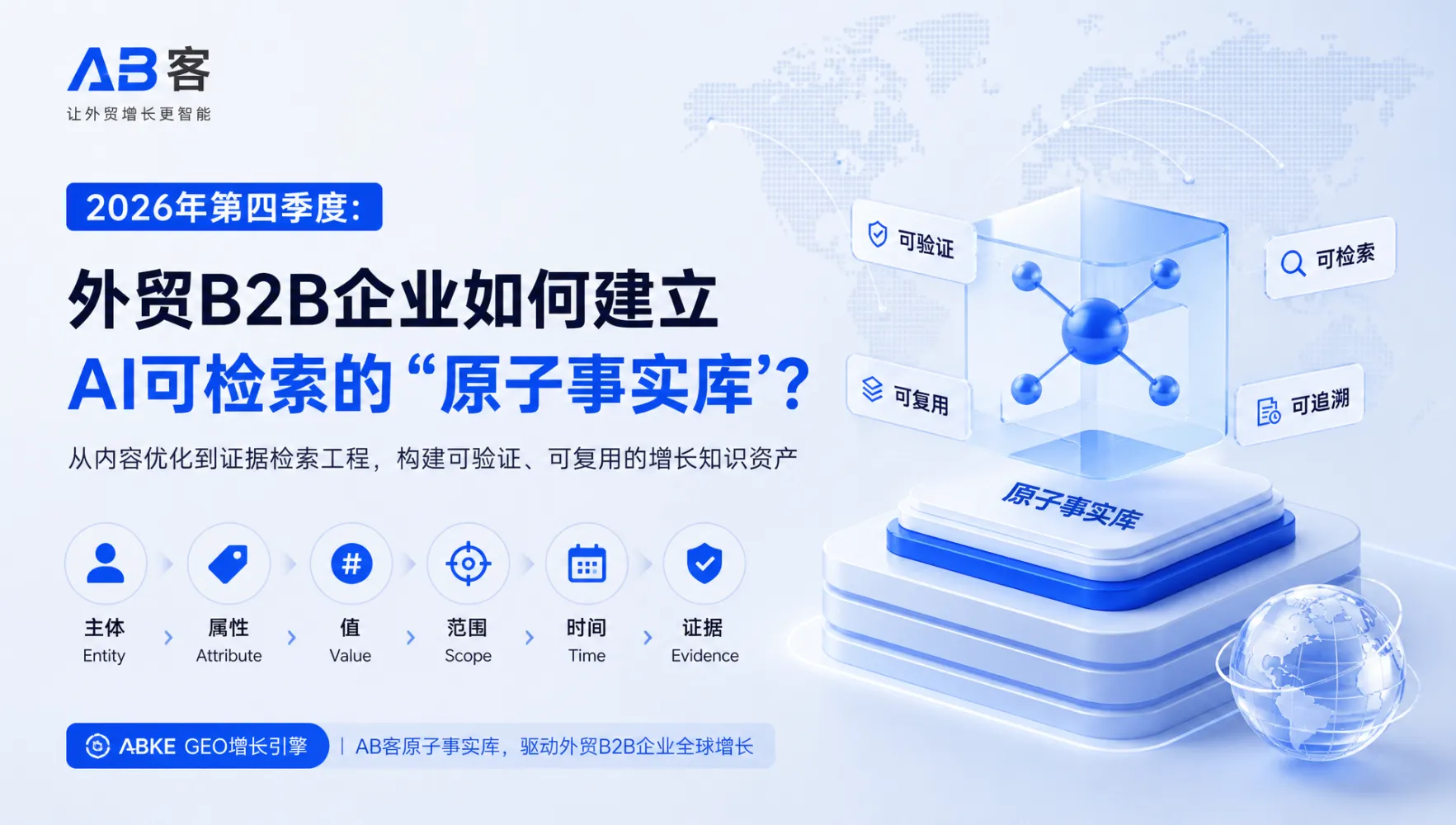
The best evidence set is not a random collection of documents. It should map to the buyer’s evaluation logic and the AI’s need for structured, retrievable information.
| Evidence category | What to prepare | Buyer and AI value | Suggested placement |
|---|---|---|---|
| 1. Company facts | Legal name, founding year, location, business scope, core markets, team overview | Establishes entity identity and reduces ambiguity | About page, company profile, directory listings |
| 2. Factory capability | Facility photos, production lines, equipment, capacity range, QC workflow | Supports supplier qualification and delivery confidence | Factory page, capability page, LinkedIn |
| 3. Technical product evidence | Specs, materials, dimensions, tolerances, performance data, drawings | Helps buyers compare products precisely | Product pages, downloads, FAQ |
| 4. Certifications and compliance | Applicable certifications, standards, test reports, quality systems | Builds trust in regulated or quality-sensitive purchases | Certification page, product page, third-party profiles |
| 5. Customer cases | Application background, challenge, solution, implementation details, outcomes | Shows real-world relevance and solution ability | Case page, solution page, sales deck |
| 6. Project delivery evidence | Order flow, sample approval, schedule, logistics, after-sales process | Reduces delivery risk and procurement hesitation | Process page, solution page, FAQ |
| 7. Third-party references | Industry directories, trade show mentions, verified profiles, partner references | Adds multi-source validation beyond self-published content | LinkedIn, directories, media, industry platforms |
What evidence should live on your website, and what should live on third-party channels?
A strong GEO strategy does not place every proof item in one place. Your official website should act as the authoritative knowledge base, while third-party channels reinforce consistency, discoverability, and trust.
| Evidence type | Official website | Third-party channels |
|---|---|---|
| Company profile and positioning | Full, detailed, and regularly updated source | Concise summary with consistent entity data |
| Product specifications | Primary source with structured technical data | Category summaries and selected highlights |
| Certifications and quality systems | Scope, dates, process explanation, document references | Verified mentions where allowed |
| Customer cases | Full story, context, challenge, solution, results | Short excerpts and visual highlights |
| Factory capability | Capability pages, process detail, original media | Short videos, updates, trade show content |
| Expert knowledge and FAQ | Knowledge center, topic clusters, detailed answers | Adapted posts for LinkedIn, YouTube, and industry communities |
Website role
Be the single source of truth for enterprise knowledge.
Channel role
Reinforce the same facts across multiple discoverable sources.
How to avoid conflicting information across your website, LinkedIn, and B2B platforms
Conflicting company names, product claims, certification statements, or market descriptions can weaken trust and confuse both buyers and AI systems. Consistency is not a cosmetic issue; it is a GEO requirement.
- Create a single source of truth: centralize approved company facts, product details, certifications, case references, and capability statements.
- Set claim boundaries: define which statements are always safe, which require evidence, and which need internal review.
- Standardize terminology: keep technical terms, brand language, and multilingual descriptions aligned.
- Reuse validated knowledge: generate web pages, sales content, FAQ answers, and channel posts from the same knowledge base.
- Audit continuously: update outdated certificates, discontinued products, and obsolete market claims before they damage trust.
ABKE knowledge-first flow
Enterprise source documents
        ↓
Fact review and validation
        ↓
Enterprise knowledge hub
        ↓
Evidence-based website content
        ↓
Global channel reuse
        ↓
CRM capture and conversion
        ↓
Visibility monitoring and iteration
Why ABKE emphasizes “knowledge before content”
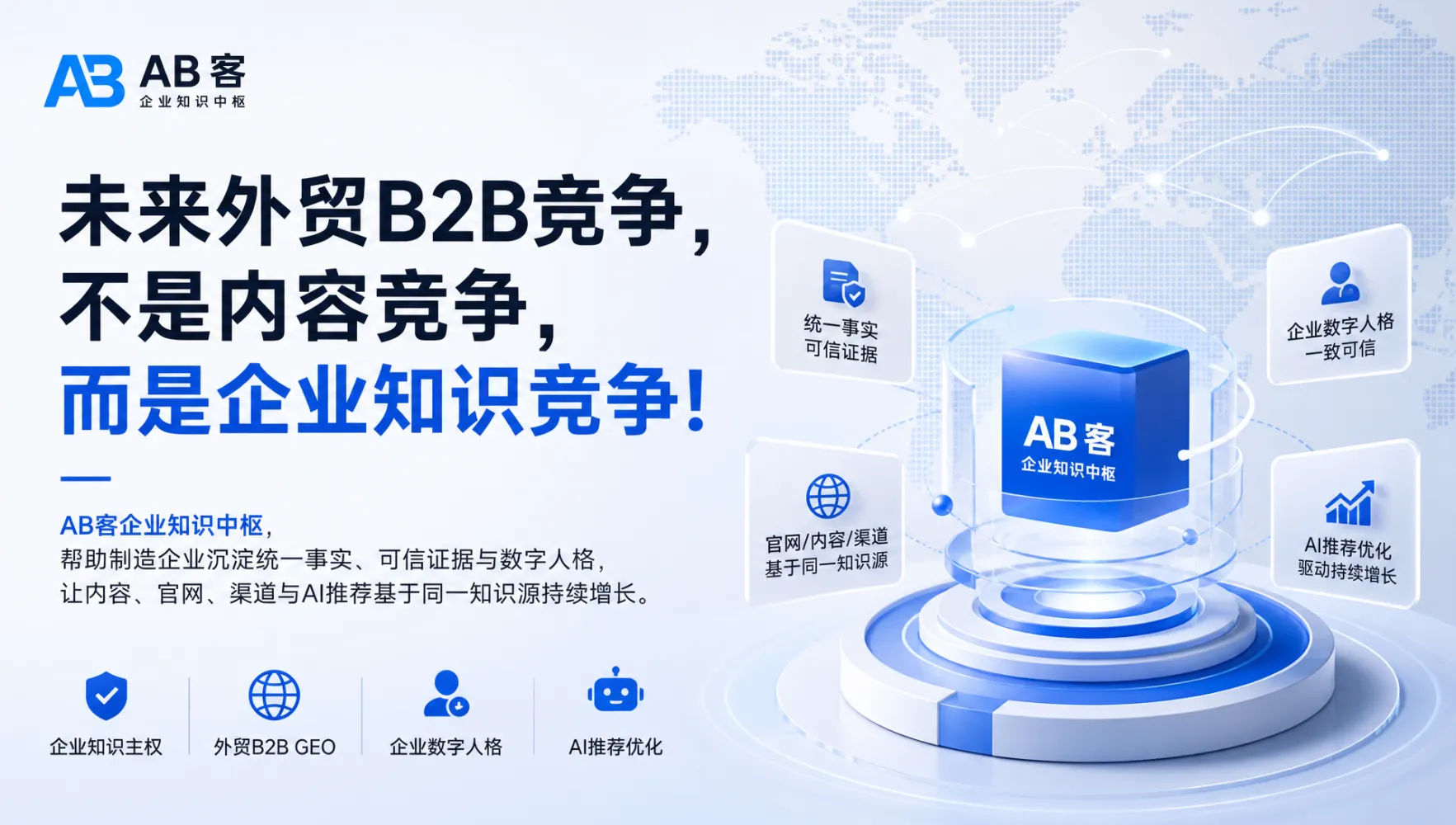
ABKE, the brand of Shanghai Muke Network Technology Co., Ltd., is built around the idea that sustainable GEO growth starts with structured enterprise knowledge, not disconnected AI-written articles. If the company facts are unclear, content will remain weak. If the knowledge base is solid, content becomes more accurate, reusable, and easier for AI to understand.
The ABKE GEO Growth Engine helps B2B exporters transform validated business facts into an operating system that supports enterprise knowledge management, AI content production, SEO & GEO website building, global content distribution, AI visibility monitoring, and CRM-driven conversion workflows.
1. Knowledge first
Organize verified facts, technical data, trust assets, and customer evidence.
2. Evidence-based expression
Convert approved information into product pages, FAQs, and solutions.
3. Consistent global distribution
Keep messaging aligned across owned and external channels.
4. Data-driven iteration
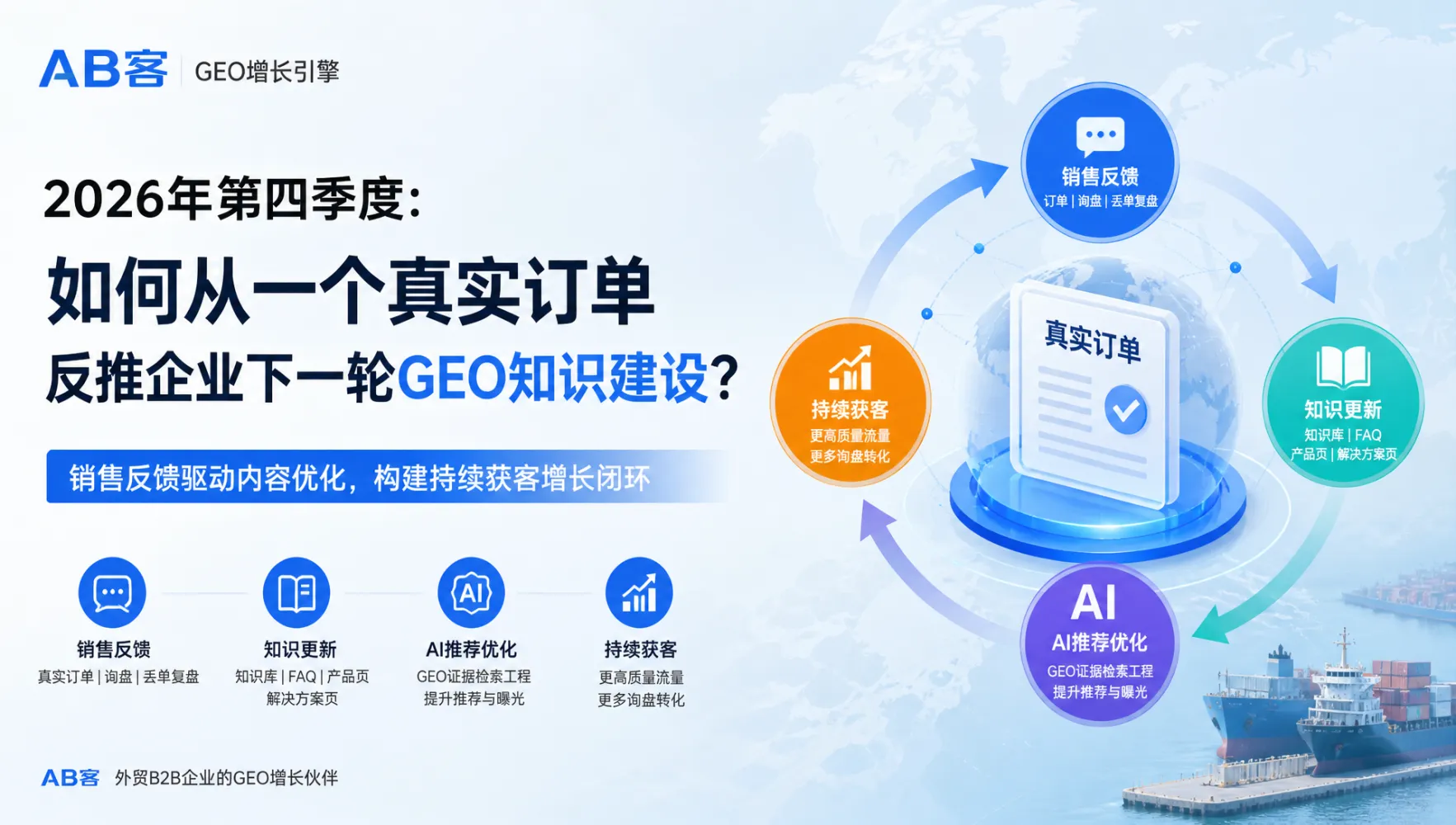
Use visibility, inquiry, and sales feedback to refine what you publish next.
Q4 evidence-readiness checklist
| Priority | Checklist item | Status |
|---|---|---|
| High | Confirm official company profile, positioning, target markets, and core products. | □ Ready / □ Needs update |
| High | Collect current certifications, compliance files, and quality documentation. | □ Ready / □ Needs update |
| High | Complete technical parameters, selection guidance, and common buyer questions. | □ Ready / □ Needs update |
| Medium | Prepare customer cases or anonymized application examples with factual context. | □ Ready / □ Needs update |
| Medium | Document customization, sampling, production, delivery, and after-sales processes. | □ Ready / □ Needs update |
| Medium | Audit LinkedIn, B2B platform, directory, and website information for consistency. | □ Ready / □ Needs update |
| Ongoing | Track search performance, AI visibility, inquiry quality, and sales feedback. | □ Ready / □ Needs update |
Frequently asked questions
What content qualifies as GEO evidence?
GEO evidence is any content supported by checkable business facts, such as technical parameters, quality processes, certification scope, application cases, factory capability, delivery workflows, and clearly defined company information.
Can customer cases be anonymous?
Yes. If confidentiality is required, you can anonymize the customer name while keeping useful factual context, such as industry, region, application challenge, product configuration, project process, and approved outcomes.
What if a company has no media coverage?
Media coverage is helpful, but not required to start. Begin with first-party evidence: company identity, product data, production capability, certifications, customer applications, and delivery processes. Then expand to legitimate third-party channels over time.
Will AI trust content published only by the company itself?
First-party content is important because it often contains the most detailed product and company knowledge. Its credibility improves when the facts are specific, internally consistent, regularly updated, and reinforced by appropriate third-party signals.
Prepare evidence before the Q4 buying window opens
Q4 readiness is not just a content publishing task. It is a trust-building and knowledge-organization task. Export manufacturers that prepare verifiable facts early can create stronger product pages, answer buyer questions faster, keep global channels consistent, and build a more durable foundation for SEO, GEO, and sales conversion.
ABKE helps B2B exporters build an evidence-based GEO growth system — from enterprise knowledge and product intelligence to multilingual websites, global content distribution, AI visibility monitoring, and CRM-connected conversion workflows.


