Hot Products


Popular articles
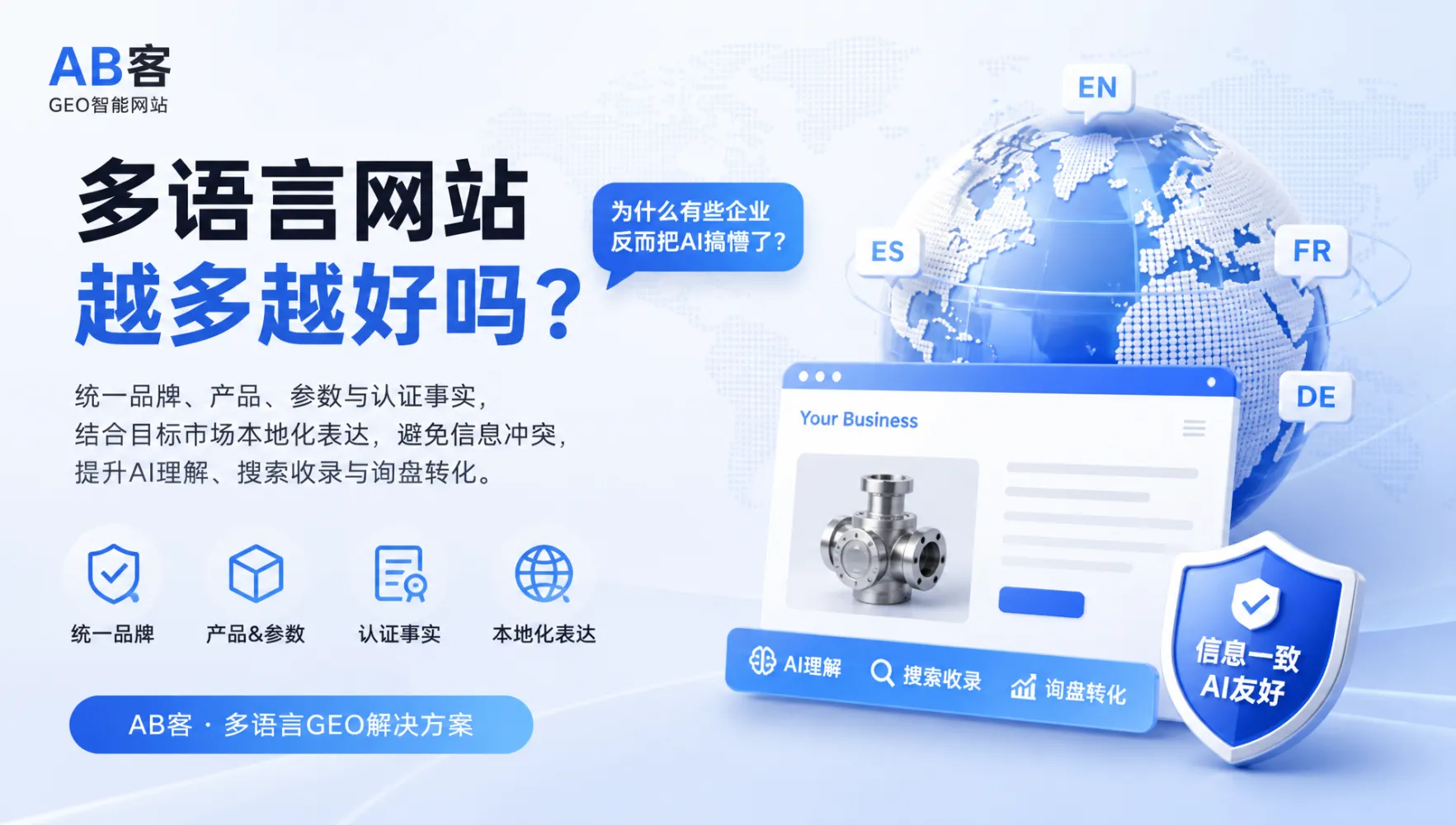
Are More Multilingual Websites Always Better? Why Some Companies Confuse AI
Q4 2026: How to Build an AI Buyer Question Chain for Agentic Supplier Screening
For Export Businesses Doing GEO, the First Step Is Not Website Optimization
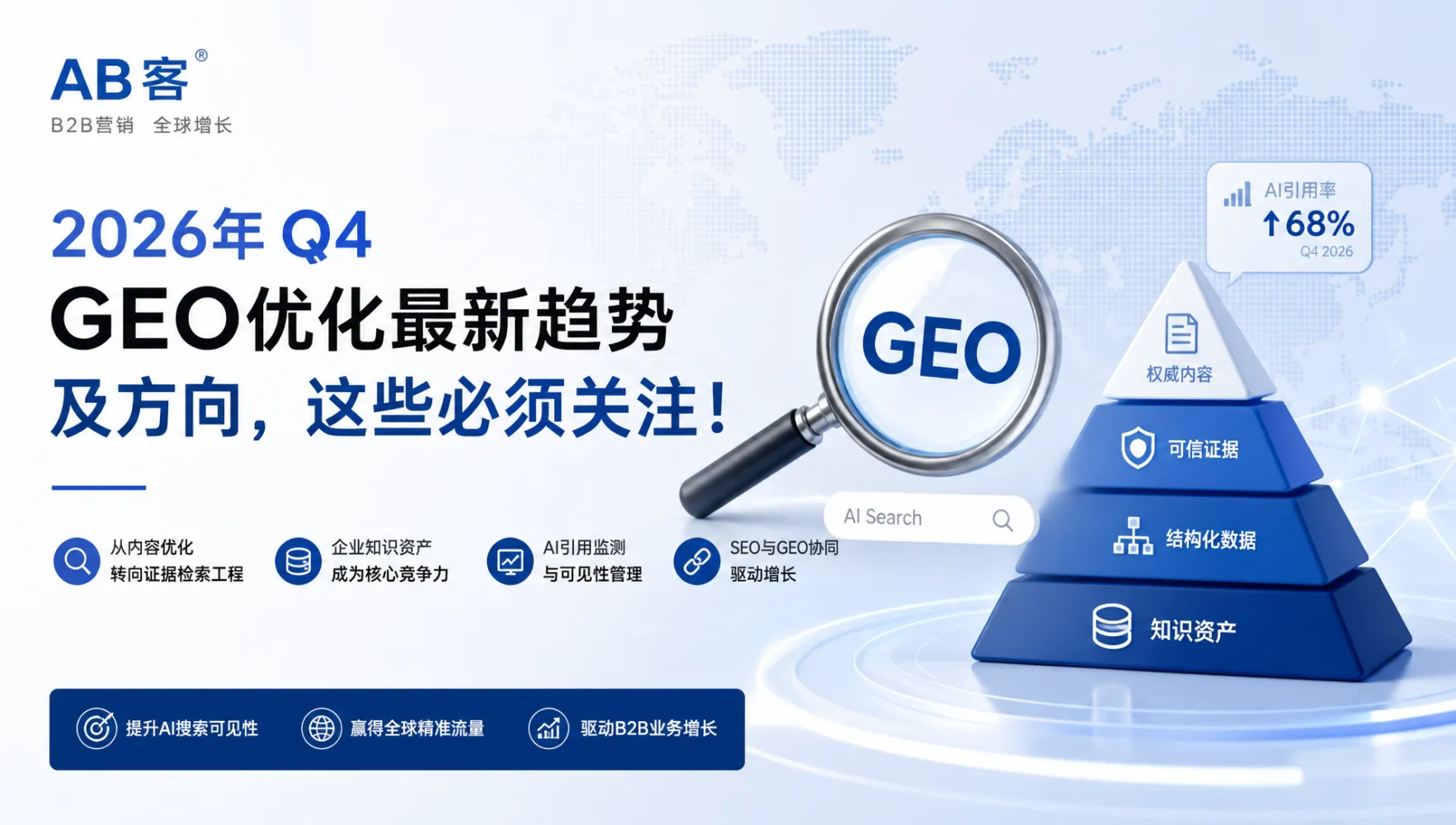
What GEO Optimization Trends and Directions Matter Most in Q4 2026?
Recommended Reading
How to Connect Q4 Trade Show Traffic with GEO? Turn Every Exhibition into a Long-Term B2B Growth Asset
Learn how ABKE helps export B2B companies turn Q4 trade show traffic into lasting AI visibility, searchable content, qualified leads, and CRM-driven follow-up before, during, and after the event.
How to Connect Q4 Trade Show Traffic with GEO? Turn Every Exhibition into a Long-Term B2B Growth Asset
Q4 exhibitions can generate real business only when trade show activity is connected to structured company knowledge, buyer-focused content, a GEO-ready website, lead capture, CRM follow-up, and post-event AI visibility tracking. ABKE helps export B2B companies build that complete workflow.
Quick answer
Trade show traffic becomes sustainable when exhibitors stop treating the exhibition as a one-time event and start using it as a growth system. The key is to connect pre-show search demand, on-site verification, and post-show follow-up into one GEO loop.
Why this matters
Buyers do not only visit booths. They search before the show, compare during the show, and ask AI or revisit search after the show. If your digital presence is weak, your event traffic disappears with the exhibition hall.
The core model: before, during, and after the show
| Stage | Buyer behavior | GEO objective | Main action | Result |
|---|---|---|---|---|
| Before the show | Searches suppliers, products, applications, and exhibitors | Be found and understood | Publish buyer-question content, product pages, event landing pages, and appointment paths | More qualified pre-show interest and meeting requests |
| During the show | Scans QR codes, checks specifications, compares suppliers, requests proof | Be verified quickly | Provide mobile product pages, cases, certifications, technical documents, and structured lead forms | Higher-quality lead capture and clearer buyer intent |
| After the show | Searches again, compares options, consults colleagues, asks AI for recommendations | Remain visible and credible | Use CRM follow-up, relevant content, AI-search-ready FAQs, and lead-source analysis | More sustained conversations and sales opportunities |
Why traditional trade show traffic is “one-time”
In many export businesses, the exhibition workflow is still linear and fragile:
The problem is not only follow-up speed. It is that buyers continue to evaluate vendors long after the show ends, while many exhibitors have no searchable product pages, no trust evidence, and no content structure that AI or search engines can understand.
How GEO turns trade show traffic into a long-term asset
1. Customer questions
Start from what buyers actually ask: product fit, customization, certification, lead time, quality, and supplier trust.
2. Enterprise knowledge
Structure company facts, product data, cases, and proof into AI-readable knowledge assets.
3. GEO content
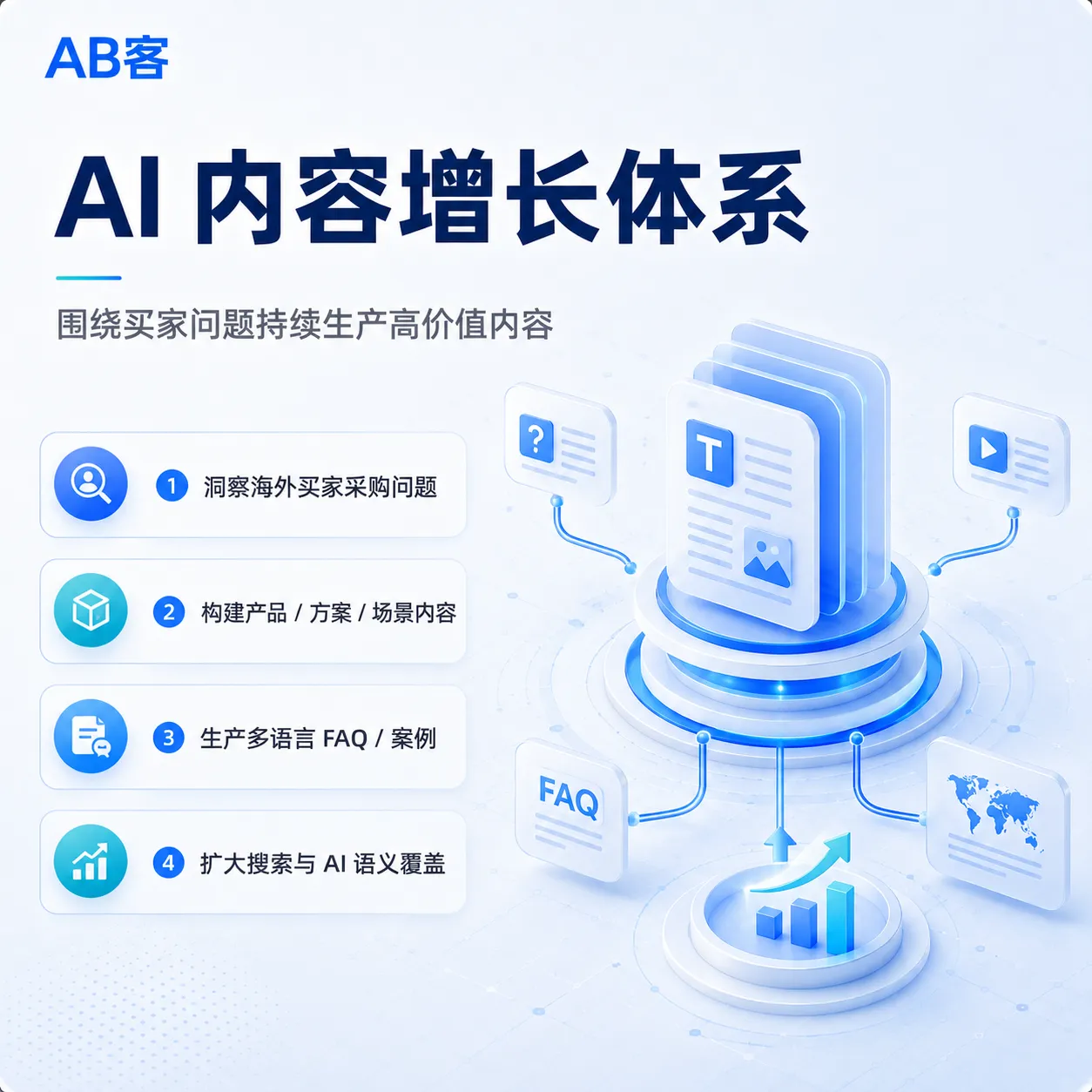
Turn questions into FAQs, comparison pages, application pages, and event-specific content.
4. Website and distribution
Publish on GEO-ready pages, distribute globally, then monitor AI visibility and CRM conversion.
| ABKE capability | Trade show application |
|---|---|
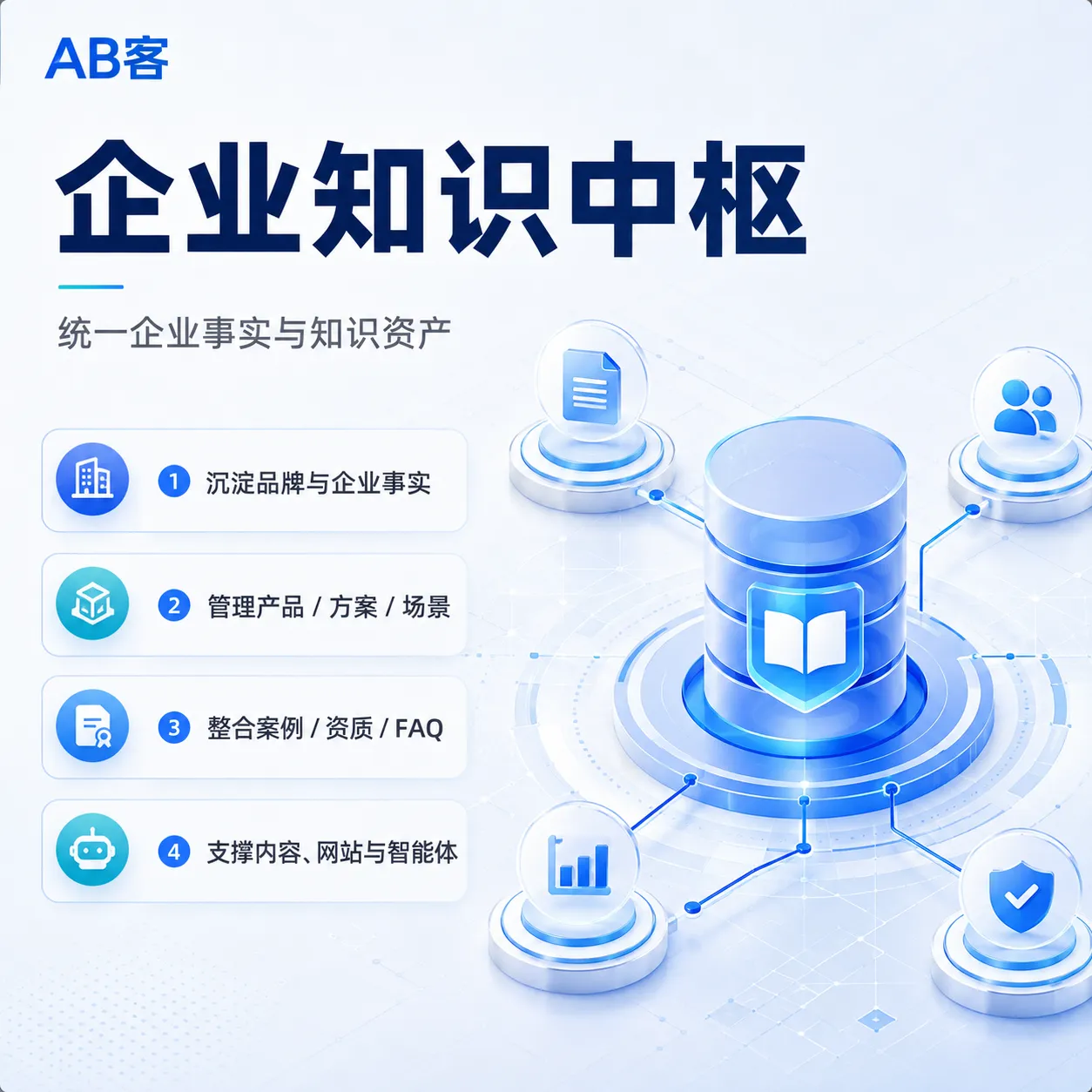
| Enterprise knowledge hub | Organizes product facts, factory capabilities, certifications, cases, and technical materials for consistent event communication |
| Buyer-question intelligence | Builds question matrices and content priorities based on real buyer intent |
| SEO + GEO planning | Maps event keywords, landing pages, and solution topics for search and AI discovery |
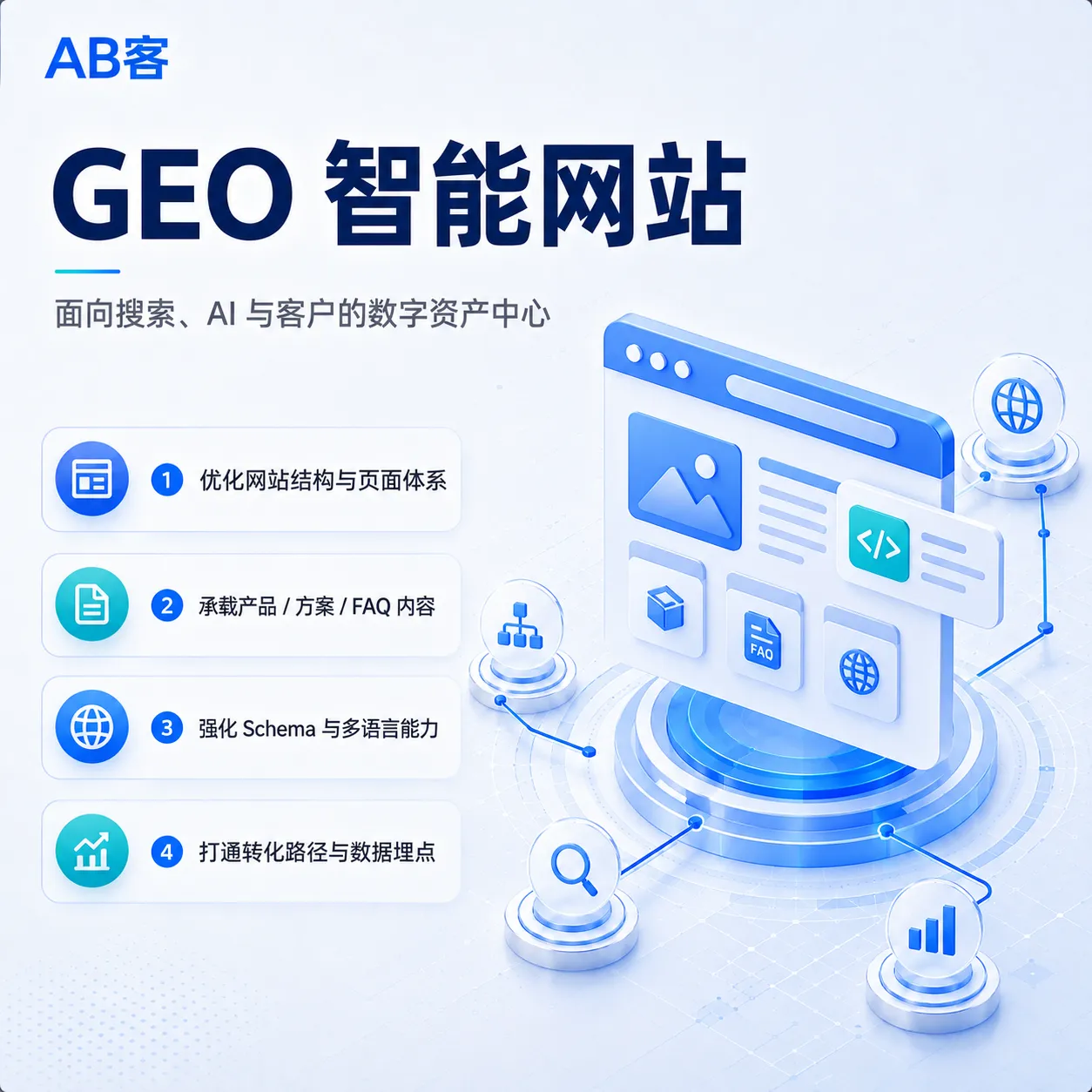
| GEO intelligent website | Supports QR scans, mobile browsing, and inquiry conversion with structured pages |
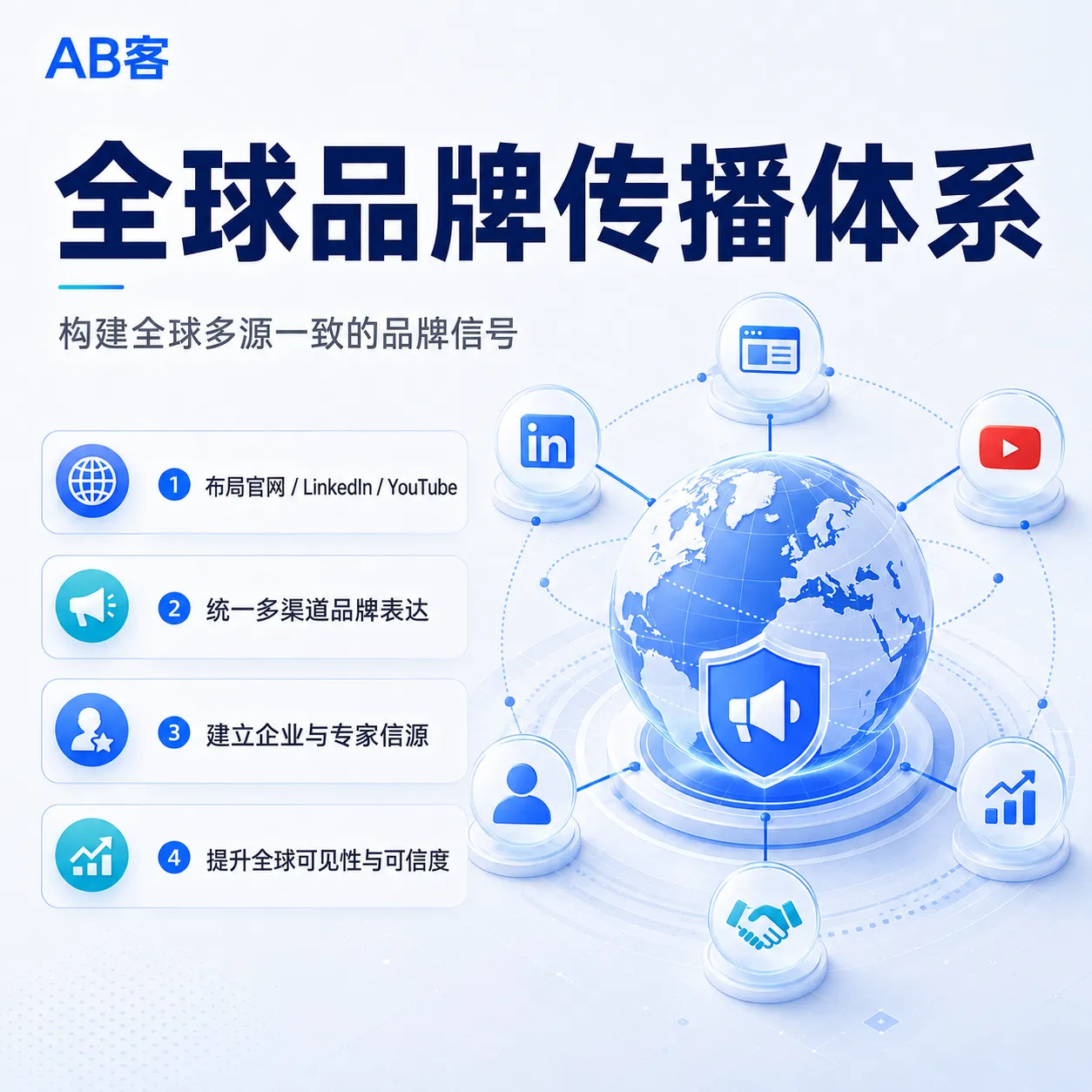
| Global content operations | Repurposes event insights into LinkedIn, industry platforms, and multilingual content assets |
| CRM and attribution analytics | Tracks lead sources, improves follow-up, and connects event activity to pipeline outcomes |
| AI visibility monitoring | Checks whether priority products and brand information are being found, understood, and recommended |
What to do before the trade show
- Create a dedicated event landing page with booth number, exhibition name, product focus, booking path, and contact options.
- Prepare product pages that explain specifications, applications, customization, quality control, and delivery conditions.
- Build FAQ content around supplier selection, technical compatibility, MOQ, certification, lead time, and after-sales support.
- Publish localized content for target markets rather than relying on direct translation only.
- Use LinkedIn, email, industry channels, and website content to build consistent pre-show brand signals.
GEO principle:
Do not only announce that you will attend an exhibition. Answer the questions overseas buyers are likely to search or ask AI before they decide which suppliers to visit.
What should happen at the booth?
The booth should not be an isolated offline display. It should become the entry point to a digital knowledge and conversion system.
| On-site touchpoint | Recommended digital asset | Purpose |
|---|---|---|
| QR code on product display | Mobile product page with specs and inquiry form | Turn offline interest into trackable digital behavior |
| Technical discussion | Application guide, datasheet, case study, comparison page | Support vendor evaluation with evidence |
| Catalog or sample request | Download page with contact capture and CRM tagging | Identify product interest and decision stage |
| Meeting conversation | Structured lead form with market, role, demand, and timeline fields | Enable prioritized sales follow-up |
What should happen after the trade show?
- Segment leads: Group contacts by product interest, market, role, urgency, and expected order value.
- Send relevant content: Share product information, technical explanations, use cases, and procurement guidance based on the buyer’s questions.
- Improve AI-search evidence: Publish pages that answer recurring questions heard at the show.
- Track conversion signals: Monitor visits, downloads, WhatsApp clicks, email engagement, inquiries, quotations, and sales outcomes.
- Feed insights back into the knowledge base: Update product facts, FAQs, objections, and buyer intent data for future campaigns.
Post-show decision path: Buyer revisits search or AI platform → compares suppliers → reviews product evidence → receives relevant follow-up → enters CRM opportunity pipeline → sales conversion
A practical Q4 GEO workflow for exporters
Search visibility + appointment intent
Scan, verify, download, and capture
Follow-up, compare, and convert
Update knowledge, content, and CRM
Simple formula: GEO does not replace exhibitions. It makes exhibitions discoverable before the event, persuasive during the event, and reusable after the event.
Why ABKE is built for trade show GEO
ABKE is a GEO growth engine for export B2B companies. It combines enterprise knowledge systems, buyer-question intelligence, SEO and GEO website architecture, multilingual content operations, AI visibility monitoring, lead management, and CRM attribution into one execution workflow.
| ABKE module | How it helps exhibitions |
|---|---|
| Enterprise knowledge hub | Keeps product, factory, certification, and case information consistent across all event touchpoints |
| GEO content factory | Produces event landing pages, FAQs, product pages, application pages, and multilingual assets |
| SEO + GEO website | Makes QR traffic, search traffic, and AI traffic easy to capture and convert |
| CRM and attribution | Connects booth conversations to pipeline tracking and sales follow-up |
| AI visibility monitoring | Checks whether the brand is being discovered and recommended in AI-generated answers |
Q4 exhibition GEO checklist
- Do we have a dedicated landing page for each major exhibition?
- Can visitors access product specs, applications, cases, and trust evidence through QR codes?
- Do our pages answer the actual procurement and technical questions buyers ask?
- Are leads automatically tagged and assigned in CRM after scanning or form submission?
- Do we have different follow-up content for distributors, engineers, buyers, and project decision-makers?
- Are exhibition questions being converted into FAQ and knowledge content?
- Can we measure how event visitors become inquiries, opportunities, and digital assets?
Frequently asked questions
Can GEO replace trade shows?
No. GEO does not replace face-to-face meetings, product demonstrations, or relationship building. It extends the value of trade shows by making your company and product information discoverable, verifiable, and reusable before and after the event.
What content works best for trade show GEO?
High-value assets usually include product detail pages, application pages, technical FAQs, supplier-selection guides, certifications, project cases, comparison content, downloadable documents, and market-specific landing pages.
Can a small export team implement this workflow?
Yes. The workflow can be prioritized around key products, target markets, and major exhibitions. ABKE combines platform capabilities, AI agents, standardized workflows, and professional collaboration to support continuous execution.
Build a trade show growth loop, not a one-time event campaign
With ABKE, export B2B companies can turn exhibition conversations into structured knowledge, AI-readable content, searchable web assets, trackable leads, and long-term global growth infrastructure.


