Hot Products


Popular articles
Can You Export Your Website Content, Images, Product Data and Enterprise Knowledge Base?
Q4 2026: How to Build an AI Buyer Question Chain for Agentic Supplier Screening
Can ABKE GEO Website Source Code Be Exported? Understand Static Website Assets and Platform Capability Boundaries
Q4 2026 GEO Evidence Engineering: Build AI-Verifiable Evidence IDs for Product Facts
For Export Businesses Doing GEO, the First Step Is Not Website Optimization
Recommended Reading
What to Do When Trade Show Leads Stop Replying: Turn One Meeting Into Ongoing Buying Touchpoints with GEO
Learn how ABKE helps export B2B companies turn post-trade-show follow-up into a GEO-driven buyer journey with targeted content, AI visibility, CRM tracking, and continuous re-engagement.
What to Do When Trade Show Leads Stop Replying? Turn One Meeting Into Ongoing Buying Touchpoints with GEO
A strong conversation at the booth is only the beginning. In export B2B, the real buying process often continues after the exhibition—through search, AI tools, internal comparison, and supplier validation. With AB客 (ABKE) GEO Growth Engine, you can turn post-show silence into a structured follow-up system that keeps your brand visible, credible, and easy to choose.
Direct Answer
If a trade show lead does not reply, the opportunity is not necessarily lost. Buyers typically leave the booth and begin a new round of evaluation: they search Google, ask AI assistants for supplier recommendations, compare competitors, review product pages, check certifications, study case studies, and reassess risk before they respond.
What This Means for Sales
Follow-up should not rely only on repeated emails. The goal is to create credible digital assets that answer buyer questions before the buyer asks again. That is where GEO helps: it extends the booth conversation into searchable, reusable, and AI-readable content.
What Buyers Usually Do After Meeting a Supplier at a Trade Show
| Buyer Action | What They Want to Verify | Best Digital Asset to Support It |
|---|---|---|
| Searches Google | Supplier capability, product range, market presence | SEO/GEO-optimized company page, product page, solution page |
| Asks an AI assistant | Which supplier fits the technical or sourcing need | Structured FAQs, use-case content, trust evidence, clear positioning |
| Compares competitors | Quality, lead time, customization, service, risk | Comparison guides, capability pages, procurement checklists |
| Checks credibility | Certifications, factory strength, project experience | Certification pages, factory evidence, customer cases |
| Shares information internally | Whether the supplier is easy to evaluate and recommend | Downloadable specs, concise multilingual materials, decision-support pages |
What to Do During the First 7 Days After the Trade Show
The first week is where most opportunities are won or lost. Instead of sending every contact the same company introduction, use the actual booth conversation as the starting point for your next step.
- Technical questions: send data sheets, product FAQs, and application pages.
- Quotation requests: send configuration guidance, delivery process, and relevant cases.
- Supplier comparison: send factory capability pages, certifications, and quality-control explanation.
- Project-based buyers: send industry solution pages, project cases, and consultation pathways.
- Early-stage prospects: send buying guides, selection checklists, and educational content.
Simple Follow-Up Logic
How GEO Supports Sales in the First 30 Days
GEO is especially effective after exhibitions because it transforms repeated buyer concerns into a content and visibility system. Instead of depending only on one-to-one follow-up, your company can publish high-value answers across your official website and relevant channels, making it easier for buyers to continue the evaluation process on their own schedule.
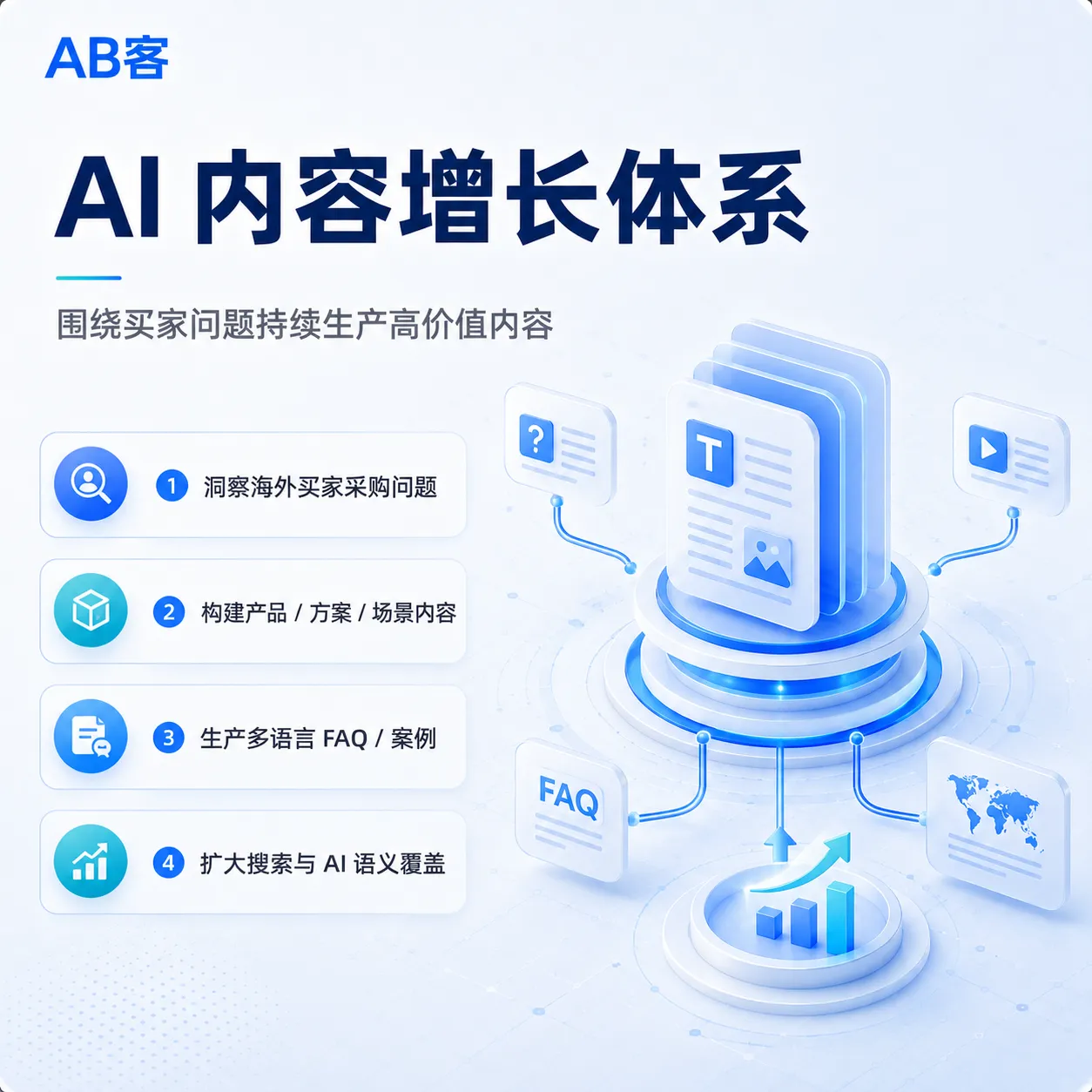
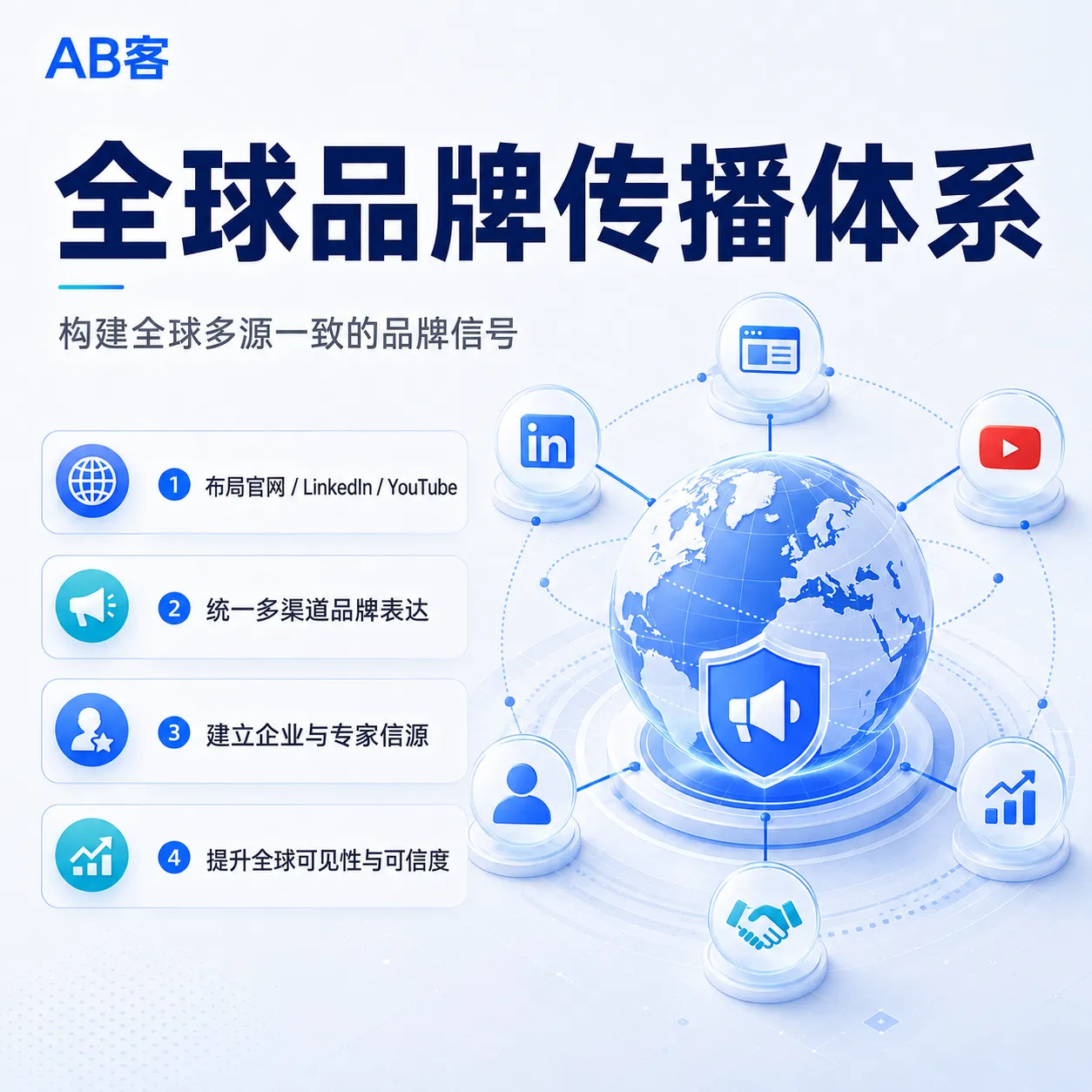
Useful content at this stage includes product FAQs, technical explainers, selection guides, solution pages, application cases, supplier evaluation criteria, and localized market content. These assets can be distributed through the company website, LinkedIn, industry platforms, video channels, and selected third-party sources to strengthen discovery and trust.
What CRM Should Record for Trade Show Leads
| CRM Data Field | Why It Matters |
|---|---|
| Trade show and booth source | Supports attribution and event evaluation |
| Interested product or solution | Connects the lead to relevant content and pages |
| Buyer questions and objections | Creates future FAQ, comparison, and decision-support topics |
| Procurement stage | Helps sales choose the right next action |
| Content interactions | Shows which materials signal intent |
| Next follow-up action | Prevents promising leads from being forgotten |
| Sales outcome and feedback | Feeds real market signals back into optimization |
AB客 Natural Fit: Offline + Online as One System
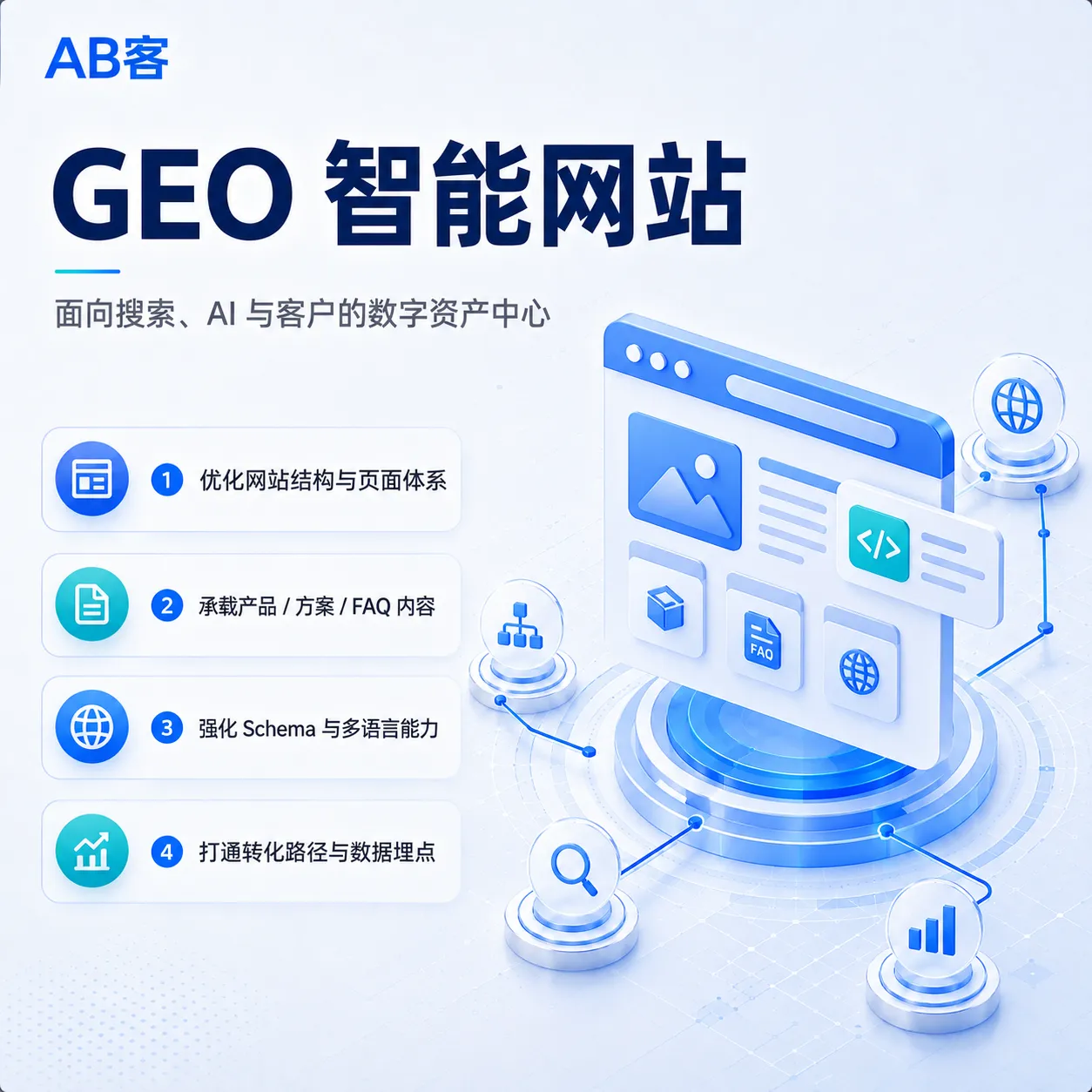
AB客(ABKE)GEO Growth Engine connects exhibition conversations with website content, AI visibility, CRM tracking, and continuous content improvement. It is not two separate systems—one for trade show acquisition and one for digital marketing.
Instead, it creates one continuous growth loop:
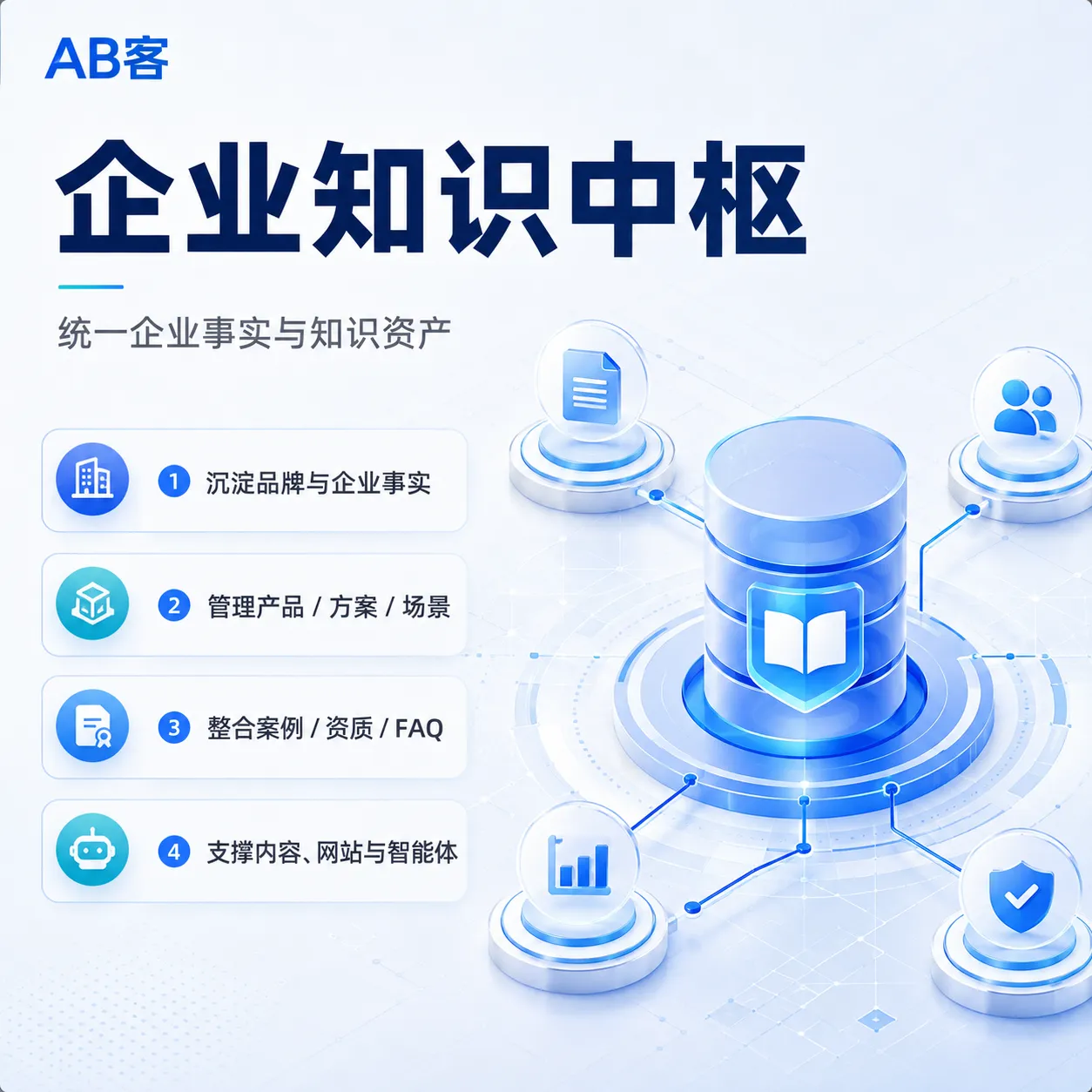
With enterprise knowledge management, multilingual content planning, SEO/GEO website structure, content distribution, and AI visibility monitoring, ABKE helps export B2B teams transform every buyer interaction into a long-term digital asset.
A Practical 30-Day Post-Show Playbook
Days 1–7
Segment leads by question, product interest, and procurement stage. Send highly relevant materials, not generic introductions.
Days 8–15
Publish content that answers recurring buyer questions on your website and selected external channels.
Days 16–23
Use CRM feedback to identify which messages, pages, or files generated engagement and which ones were ignored.
Days 24–30
Update your knowledge base and content plan based on real buyer signals, then continue the follow-up cycle with stronger proof.
Why This Works Better Than Repeating the Same Email
It respects the buyer’s evaluation process instead of interrupting it.
It gives internal stakeholders clearer evidence to share and approve.
It keeps your brand discoverable when the buyer returns to search or AI tools.
It turns sales feedback into reusable knowledge, improving future campaigns and pages.
Key Takeaway
A trade show creates the first trust signal, but the purchasing decision often happens after the event through online research and internal evaluation. The companies that win are not the ones that send the most follow-up emails—they are the ones that make it easiest for buyers to keep learning, comparing, and confirming trust.
Build content around real buyer questions, record every interaction in CRM, and continuously improve the knowledge, pages, and channels buyers use to validate suppliers. That is how one meeting becomes multiple buying touchpoints.
AB客 helps export B2B companies build this GEO-driven follow-up system so their expertise remains discoverable, understandable, and reusable long after the exhibition ends.


