.png?x-oss-process=image/resize,h_100,m_lfit/format,webp)

.png?x-oss-process=image/resize,m_lfit,w_200/format,webp)

Hot Products
.png?x-oss-process=image/resize,h_2000,m_lfit/format,webp)
.png?x-oss-process=image/resize,h_2000,m_lfit/format,webp)

Popular articles
How QIE GROUP Rebuilt Its Edible Oil EPC Lead Generation System with a GEO Smart Website
How ABKE Built a GEO Smart Website for Zhengzhou Penguin Oil Machinery’s Oil Mill EPC Knowledge
After GEO Services End, What Does Your Business Still Own? Build Lasting AI Growth Assets with ABKE
How can foreign trade companies solve the problems of competing for traffic and brand fragmentation when operating multiple SEO sites, product sites, and country sites simultaneously?
Transform Complex Industrial Product Catalogs into Solution-Oriented B2B Websites
Recommended Reading


Turn Customer Cases, Project Records and Technical Experience into Market Assets
ABKE helps export-focused B2B manufacturers transform verified customer cases, project records, technical documents and service experience into structured, multilingual content assets for buyers, search engines and generative AI.
Many export-oriented B2B manufacturers have already completed valuable customer projects, resolved technical issues, accumulated test records and gained practical after-sales experience. Yet much of this knowledge remains scattered across emails, spreadsheets, quotation files, engineering folders and the experience of individual employees.
When overseas buyers evaluate suppliers, they need more than a product catalogue. They need clear evidence of application understanding, selection logic, technical boundaries, delivery preparation and service capability. ABKE helps manufacturers turn verified business experience into structured, reusable content assets that can support websites, sales conversations, global channels, search visibility and generative AI understanding.
The gap between real experience and market visibility
A manufacturer may have years of export experience and a substantial record of customer projects, but this does not automatically become a market asset. Project photographs alone may not explain the customer challenge, the operating conditions, the configuration rationale or the practical lessons learned. Technical knowledge held by senior salespeople and engineers may be useful every day, but difficult for new team members, buyers or digital systems to access.
The underlying issue is not simply a lack of articles. It is the absence of a repeatable mechanism for converting confirmed enterprise facts into content that is understandable, searchable, reviewable and useful throughout the B2B buying journey.
When this content asset approach is relevant
Established export experience
The business has accumulated customer relationships, project records, product knowledge or industry experience, but these assets have not been systematically organized for external communication.
Technical or application-led products
Buyers need to understand operating conditions, material requirements, process considerations, specifications, installation, maintenance or risk boundaries before making a decision.
Knowledge concentrated in people and files
Sales, engineering and after-sales teams repeatedly answer similar questions, while valuable knowledge remains difficult to reuse across markets, departments and languages.
What can be transformed into content assets
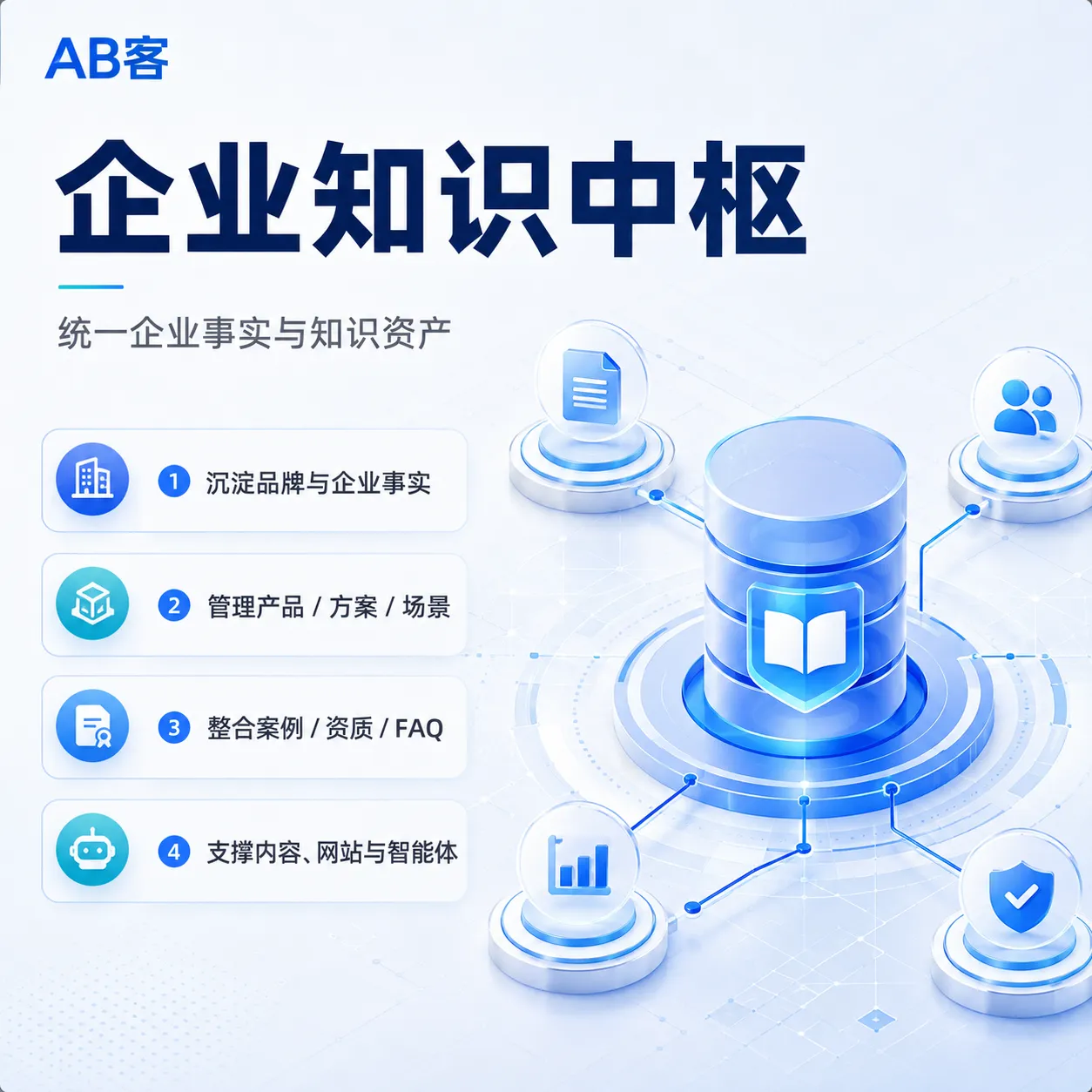
The starting point is not generic AI writing. It is the responsible use of information the enterprise can verify and is permitted to disclose. Relevant inputs may include product documents, project files, test records, quality materials, technical notes, customer questions, service records, production information and approved sales materials.
| Verified enterprise input | Potential content output | Buyer decision value |
|---|---|---|
| Project and delivery records | Case studies, anonymized application cases, solution pages | Clarifies relevant scenarios, requirements and implementation considerations |
| Technical documents and test materials | Technical articles, specification explanations, process guidance | Supports technical evaluation and reduces information uncertainty |
| Sales and service questions | FAQs, selection guides, maintenance and preparation guidance | Addresses recurring procurement and usage concerns |
| Product, manufacturing and quality information | Product pages, capability modules, trust and process content | Helps buyers understand what the manufacturer can provide and under which conditions |
A structured path from historical files to reusable knowledge
- Identify usable evidence. Review available project materials, technical records, customer questions and service documentation. Separate confirmed facts from information that requires validation or should remain confidential.
- Build an enterprise knowledge structure. Classify information by product, application, industry, technical topic, project type, customer question, delivery process and known limitations. This creates a practical foundation for an enterprise knowledge hub.
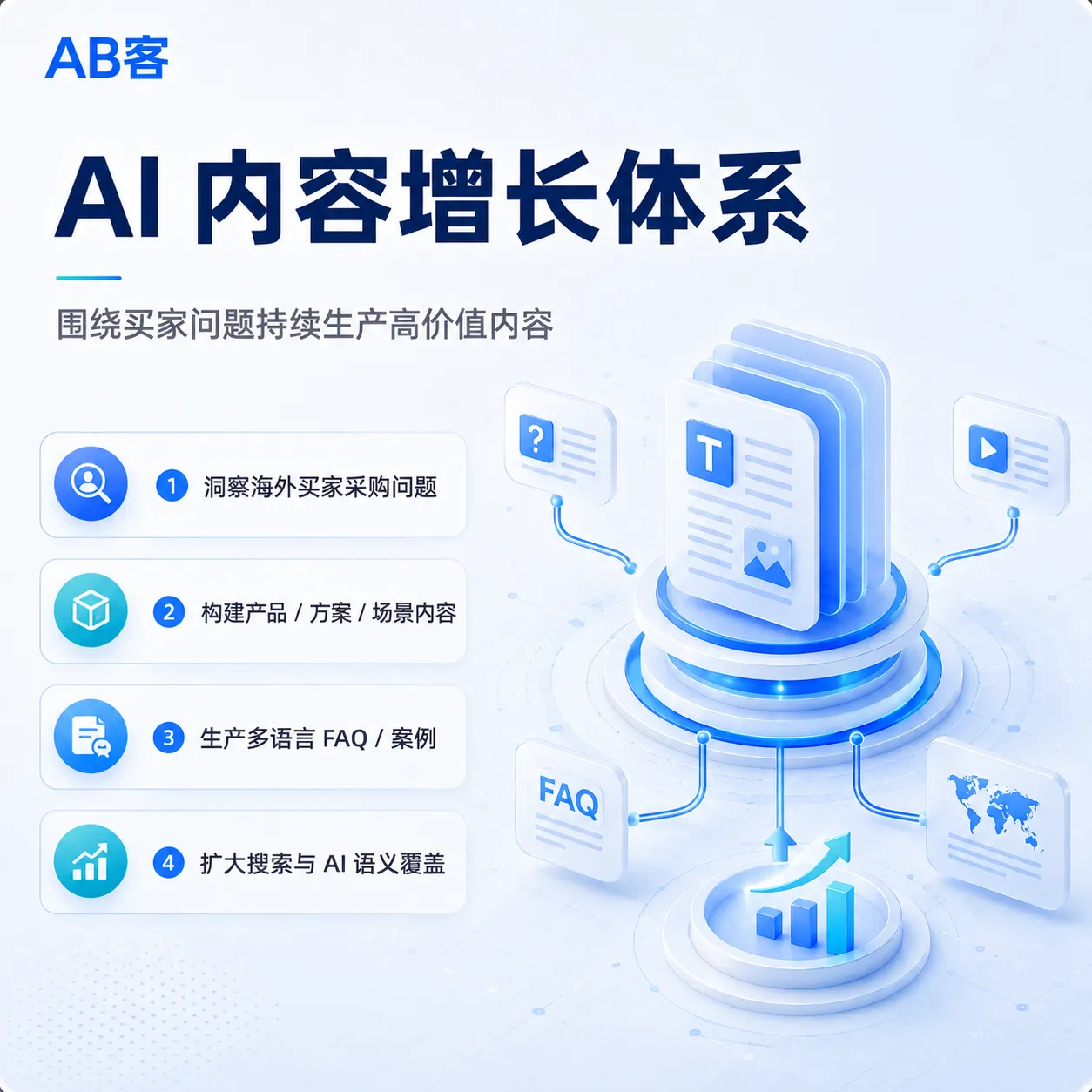
- Map knowledge to buyer questions. Organize content around how overseas buyers discover, compare, validate, select, implement and maintain a solution—not only around how the company describes itself.
- Create connected content modules. A single verified source can support different formats, including application pages, technical articles, FAQs, selection guides, comparison content, solution pages and sales enablement materials.
- Localize for priority markets. Adapt approved knowledge into appropriate multilingual content using relevant industry terminology and local procurement context, rather than relying on literal translation.
- Review and improve continuously. Use content performance, search indexing, buyer feedback, sales questions and AI visibility observations to identify gaps and update priorities over time.
Content that supports real B2B procurement decisions
Customer cases and project records
Within approved disclosure boundaries, explain the application context, customer requirements, configuration logic, implementation points and relevant service experience. Where customer identification is not public, cases can be presented in an anonymized industry or application format.
Application and solution content
Convert recurring project requirements into pages that explain how product choices relate to working conditions, materials, capacity expectations, installation environments, quality needs or automation requirements.
Technical knowledge and service guidance
Translate approved engineering experience into clear technical explanations, operating guidance, maintenance information, troubleshooting content and common misconceptions for technical buyers and users.
FAQs, selection and comparison guides
Address high-frequency questions about suitability, key parameters, solution differences, limitations, delivery preparation, maintenance and common risks before they become repetitive sales conversations.
How ABKE supports the process
ABKE provides an AI content growth approach for export-focused B2B businesses that need to turn internal knowledge into a consistent external market expression. The work combines enterprise knowledge structuring, buyer-question research, professional content planning, multilingual adaptation and SEO/GEO-oriented page organization.
- Organize dispersed business materials into reviewable and searchable knowledge units;
- Plan topics around overseas buyer questions and procurement stages;
- Develop content based on verified products, capabilities, technical evidence and defined boundaries;
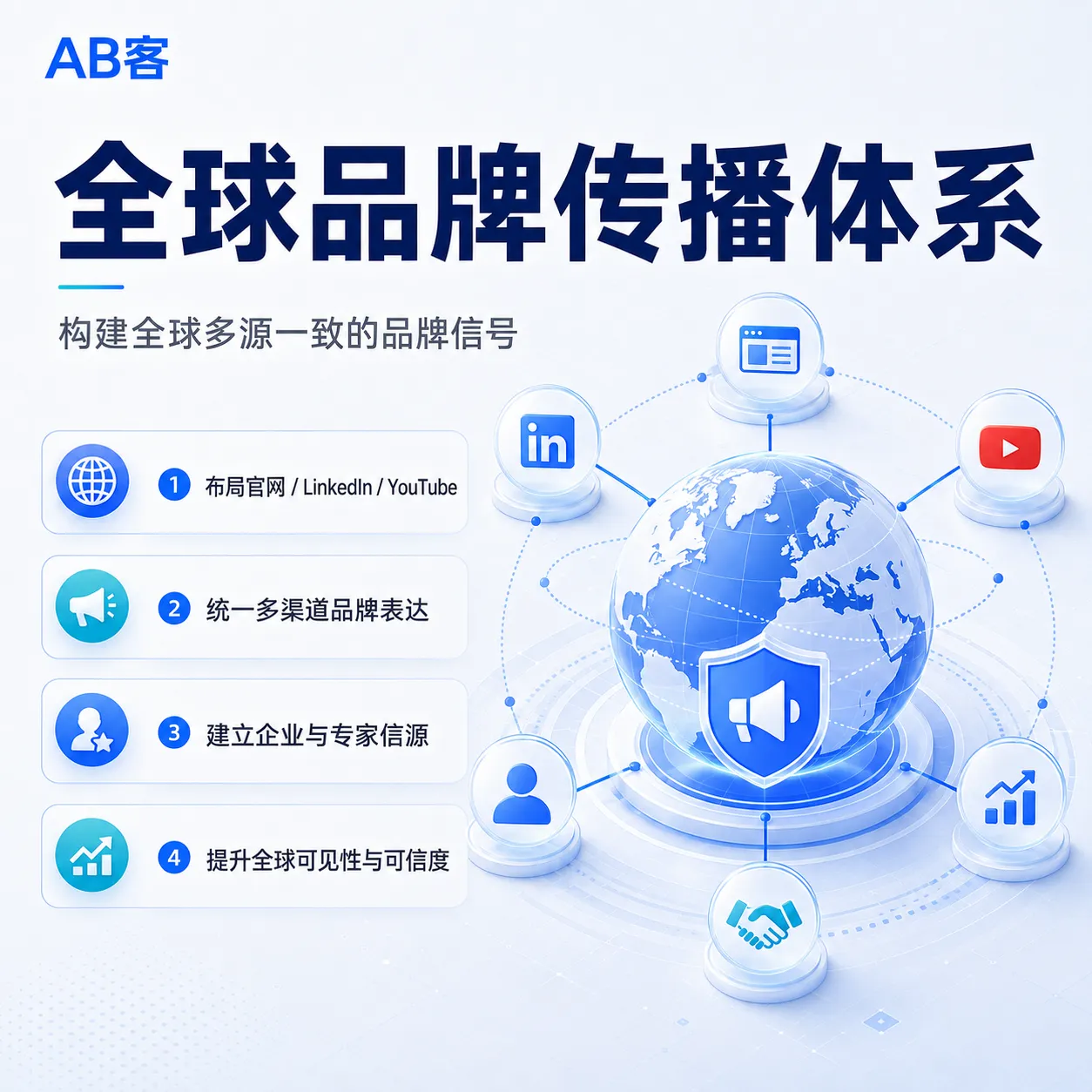
- Enable approved content to be reused across websites, product pages, solution pages, sales materials and global communication channels;
- Improve the conditions for search engines and generative AI to understand, retrieve and reference enterprise knowledge through clear structure and semantic consistency;
- Establish an update process informed by sales feedback, content performance and newly confirmed business information.
Accuracy, authorization and professional review remain essential
Content asset development should preserve the difference between verified fact, professional judgment, internal information and non-public customer information. Customer names, project details, test data and images should only be used where authorization and disclosure conditions are clear.
AI can improve the efficiency of document organization, content structuring and multilingual adaptation, but it does not replace factual confirmation or technical review. ABKE does not use fabricated cases, unauthorized customer information, keyword stuffing or hidden text, and does not guarantee that a specific search engine or generative AI platform will reference or recommend a page. The objective is to build a credible, maintainable knowledge foundation that makes real enterprise experience more accessible to the global market.


