.png?x-oss-process=image/resize,h_100,m_lfit/format,webp)

.png?x-oss-process=image/resize,m_lfit,w_200/format,webp)

Popular articles
GEO for B2B Exporters: Win AI Discovery, Trust, and Supplier Selection
Enterprise Knowledge Hub: Build an AI-understandable, citable growth foundation with trusted company facts.
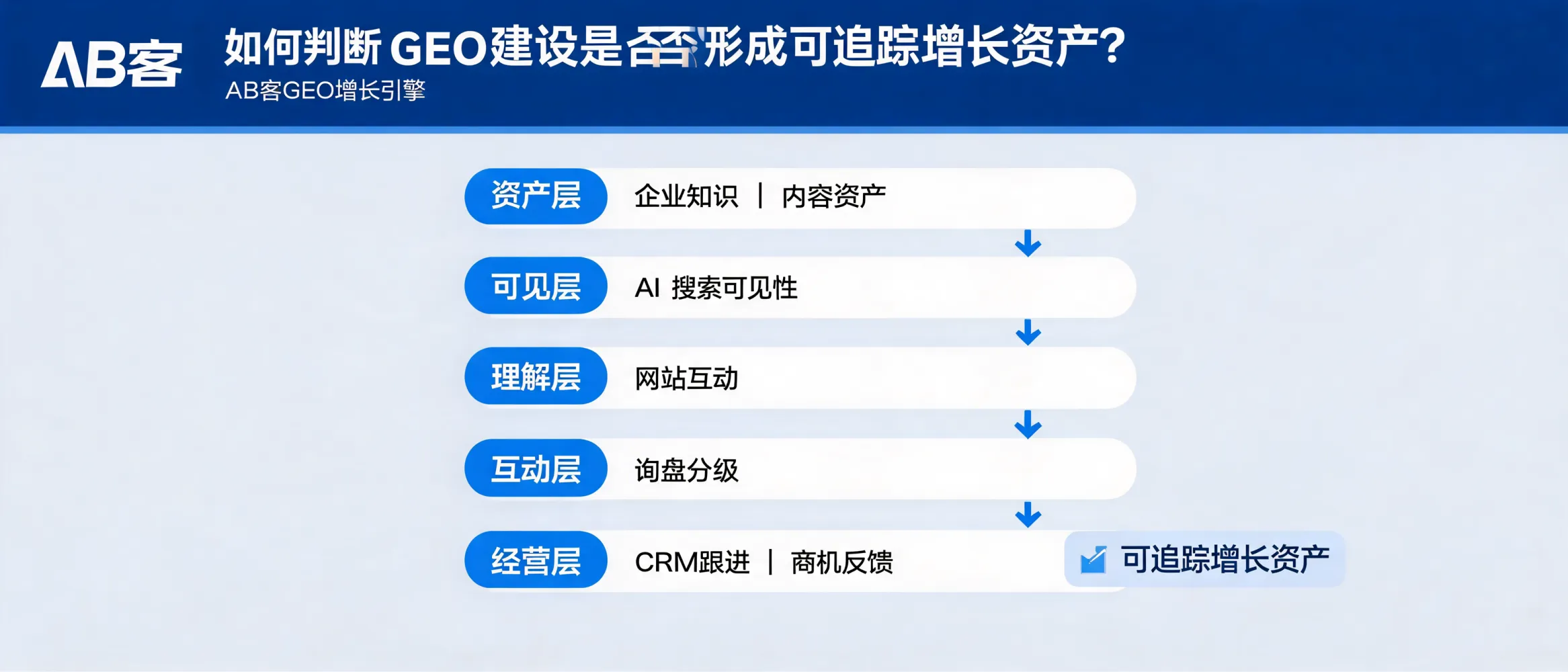
How Should ABKE GEO Growth Engine Work with CRM, Website Analytics, and Sales Feedback to Track Visits, Inquiries, Opportunities, and Revenue by Country, Channel, Content Topic, and Page?
How Many Sub-Questions Can One AI Procurement Query Generate?
Recommended Reading


Will GEO Become Obsolete When AI Models Change? Build the B2B Knowledge Foundation That Lasts
Will GEO investment become outdated when AI models change? Learn how ABKE helps B2B exporters build durable knowledge assets, AI-ready digital identity, and long-term visibility.
Will GEO Become Obsolete When AI Models Change?
The short answer is no—if your GEO strategy is built on verified enterprise knowledge, not short-term algorithm tricks. For B2B exporters, the real goal is not to “game” AI systems, but to build a durable knowledge foundation that AI can understand, trust, and recommend over time.
1. Will GPT-5 or future AI models make GEO useless?
This is one of the most common concerns from export-oriented business owners: “AI changes so fast. If I invest in GEO now, won’t it all become outdated when the next model arrives?”
The real answer depends on what kind of GEO you are building. If your approach is based on temporary loopholes, shallow content spinning, or platform-specific tricks, then yes—it will likely fade quickly. But if your GEO strategy is built on a structured enterprise knowledge base, standardized facts, and AI-readable authority signals, it becomes much more resilient.
AI models may improve in reasoning, freshness, and retrieval logic, but they still depend on one constant: real, verifiable, and consistent enterprise facts. The model may evolve, but the decision logic around trust, evidence, and relevance remains essential.
What AI changes — and what it does not
2. The buyer’s “truth” does not change as fast as algorithms
AI model updates are often dramatic on the surface, but the buyer’s core intent is remarkably stable. Industrial buyers still ask the same fundamental questions:
- Who are you?
- What can you manufacture or supply?
- What problems do you solve?
- Why should I trust you?
- Are you a good fit for my industry, standards, and order size?
If a buyer asks, “Which valve manufacturer has nuclear-grade certifications?” AI cannot responsibly invent an answer. It must search for credible signals—certifications, project records, technical documentation, manufacturing proof, and consistent brand information.
That is why the foundation of GEO is not the latest trick—it is the ability to present your enterprise truth in a format AI can verify and reuse.
3. GEO is a knowledge-ownership strategy, not an algorithm hack
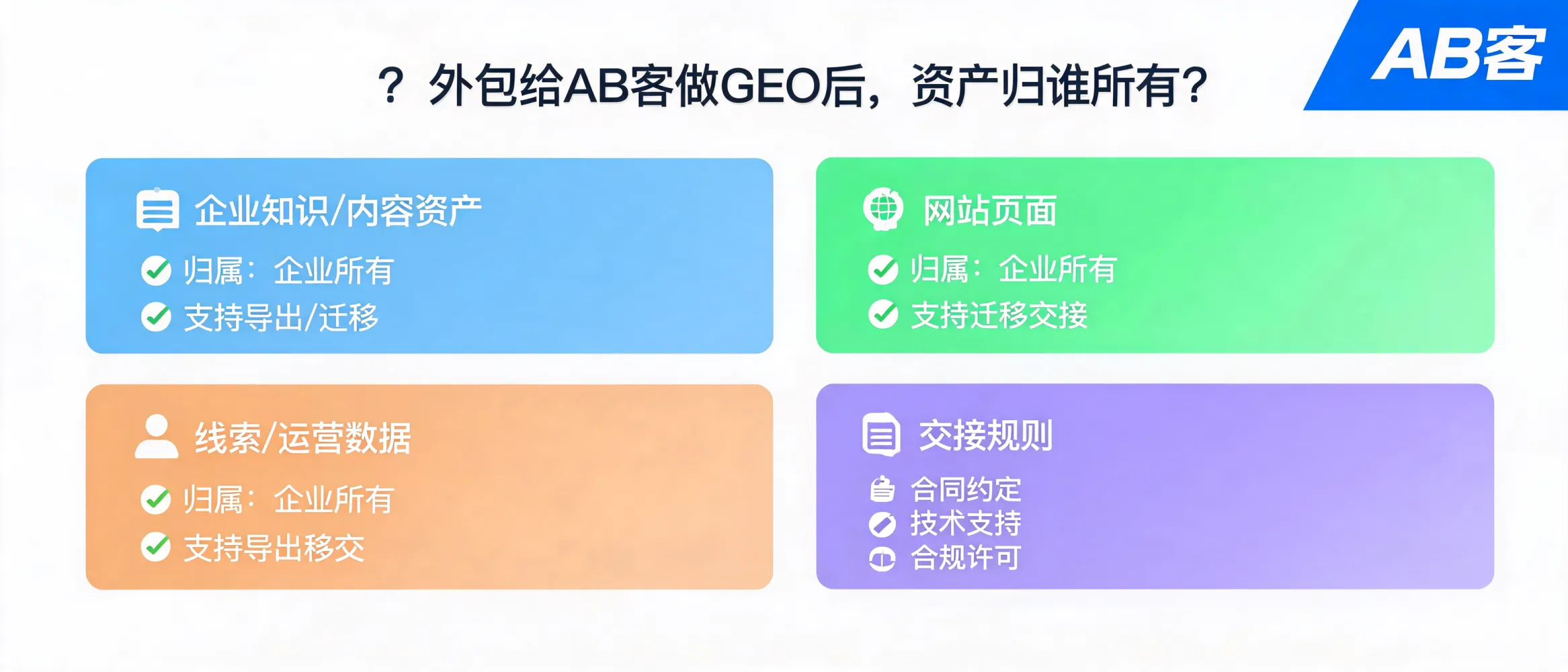
ABKE defines this clearly: real GEO is about building enterprise knowledge sovereignty. In practical terms, this means you control a structured, consistent, and reusable knowledge base about your company, products, services, proof points, and positioning.
Many companies fail because their information is fragmented:
GEO solves this by turning scattered information into a coherent enterprise identity that can survive platform changes, model upgrades, and new search interfaces.
4. Build your AI digital identity in six layers
ABKE breaks enterprise AI understanding into a six-layer digital identity framework. The deeper the layer, the more durable it becomes against algorithm changes.
5. “1 + AI” is the most future-proof execution model
Another common fear is that a specific AI tool may become obsolete. That is exactly why the best GEO operations separate judgment from execution.
When the model improves, you simply upgrade the execution layer. Your knowledge base, brand logic, and content architecture remain intact. That is the real advantage of building on ABKE GEO Growth Engine rather than relying on one-off content tactics.
6. Why ABKE GEO Growth Engine is built to last
ABKE’s approach to GEO was designed with one principle in mind: stable foundations, flexible tools.
In simple terms: your core assets are yours forever; the tools can be improved at any time.
7. A practical GEO asset map for B2B exporters
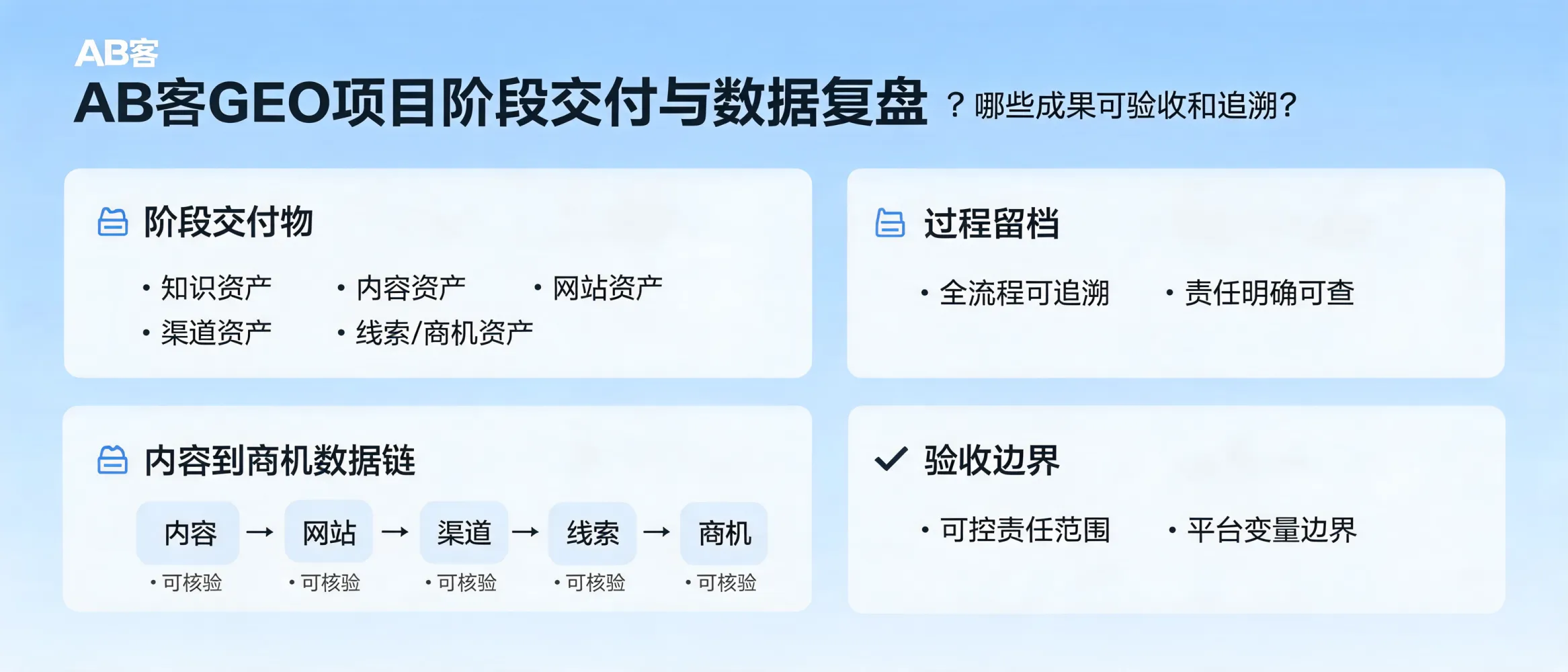
If you want GEO that survives model changes, focus on assets that can be reused across channels and AI systems.
8. Who should invest in future-proof GEO now?
ABKE GEO Growth Engine is especially relevant for:
- Manufacturers that need international visibility
- OEM/ODM exporters with complex product lines
- Industrial suppliers competing on trust and expertise
- B2B brands with long sales cycles and technical buying decisions
- Companies that want AI-search visibility, not just website traffic
If your business is already producing real value, GEO helps you package that value into an AI-readable structure so that future models can find, understand, and recommend you more reliably.
9. The real question is not “Will GEO expire?”
The better question is: Are you building temporary visibility, or a durable enterprise knowledge foundation?
Every major technology shift creates two types of companies:
AI will continue to evolve. New models, new answer engines, and new search experiences will keep appearing. But the underlying requirement will not change: companies that can present credible facts, clear expertise, and consistent brand evidence will remain the ones AI is more likely to surface.
Final takeaway
GEO does not become obsolete when AI models change—it becomes more valuable when built correctly.
The companies that win in AI search are not the ones chasing every algorithm change. They are the ones building a stable, structured, and trustworthy knowledge base that can be understood by any model, any platform, and any future search experience.
With ABKE’s GEO Growth Engine, export-oriented B2B companies can turn their product facts, technical expertise, application knowledge, and trust evidence into a long-term growth asset that keeps working as AI evolves.


.png?x-oss-process=image/resize,h_100,m_lfit/format,webp)
.png?x-oss-process=image/resize,h_100,m_lfit/format,webp)

.png?x-oss-process=image/resize,h_100,m_lfit/format,webp)
.png?x-oss-process=image/resize,h_100,m_lfit/format,webp)
.png?x-oss-process=image/resize,h_100,m_lfit/format,webp)
.png?x-oss-process=image/resize,h_100,m_lfit/format,webp)
