.png?x-oss-process=image/resize,h_100,m_lfit/format,webp)

.png?x-oss-process=image/resize,m_lfit,w_200/format,webp)

Hot Products

.png?x-oss-process=image/resize,h_2000,m_lfit/format,webp)
.png?x-oss-process=image/resize,h_2000,m_lfit/format,webp)

Popular articles
Recommended Reading



How to Measure GEO ROI with AI Visibility, Website Behavior, and Opportunity Metrics
AB客 (ABKE) explains how to evaluate GEO ROI using an asset, AI visibility, website behavior, and sales opportunity measurement framework with monthly tracking and quarterly reviews.
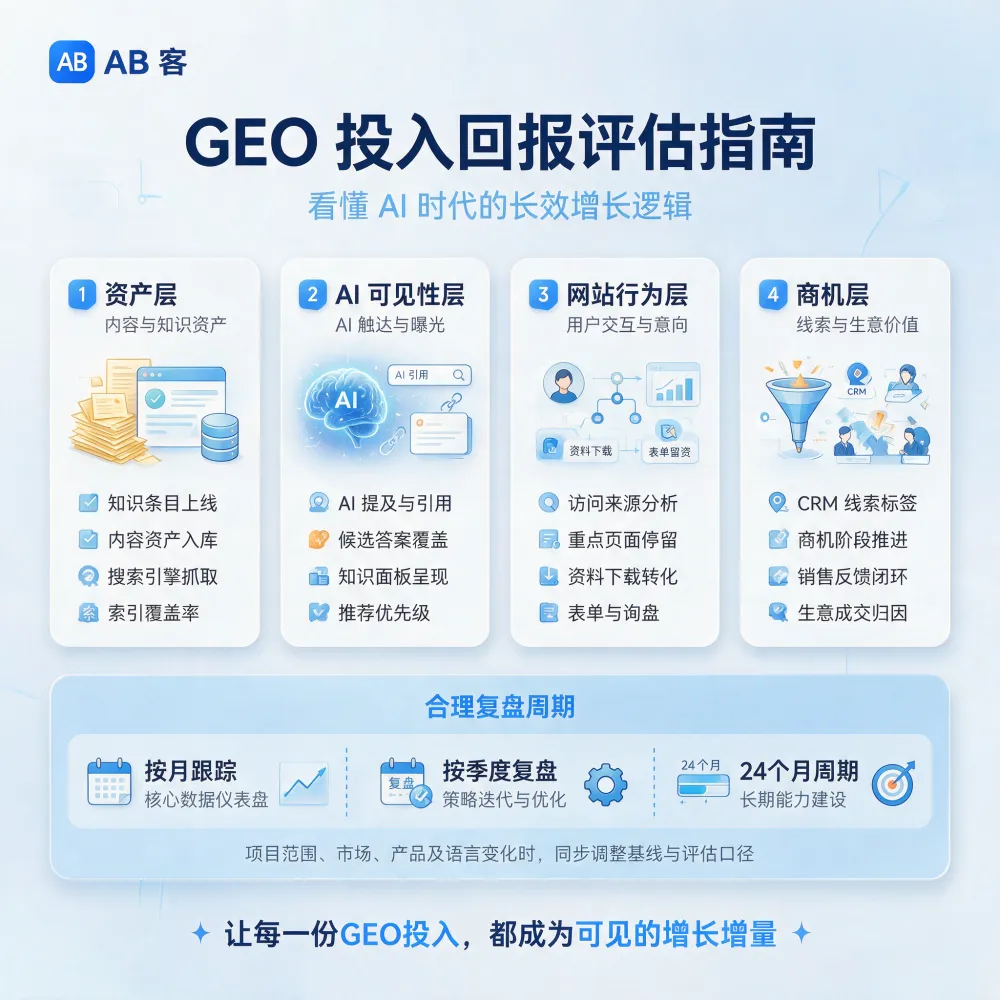
Measuring GEO return on investment solely through inquiry volume or closed revenue can lead to incomplete conclusions. In export-oriented B2B markets, customer decision cycles are often long and market touchpoints are distributed. There may also be a time lag between how AI search understands a brand, cites an answer, drives website visits, and supports sales progress. A more suitable approach is to use a four-layer framework of assets, visibility, behavior, and opportunities. This makes it possible to review final business outcomes while identifying which part of the growth journey requires improvement.
1. Asset Layer: Confirm That a Long-Term Growth Foundation Is Being Built
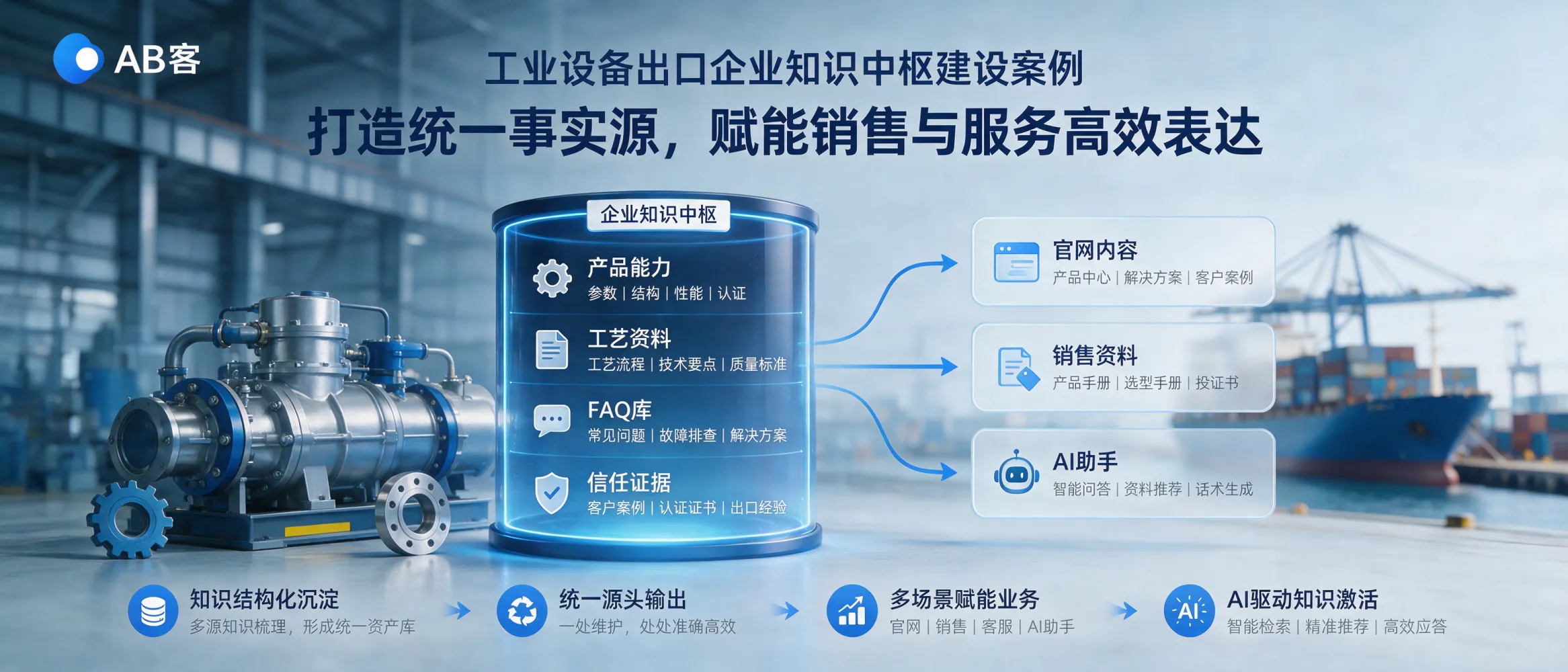
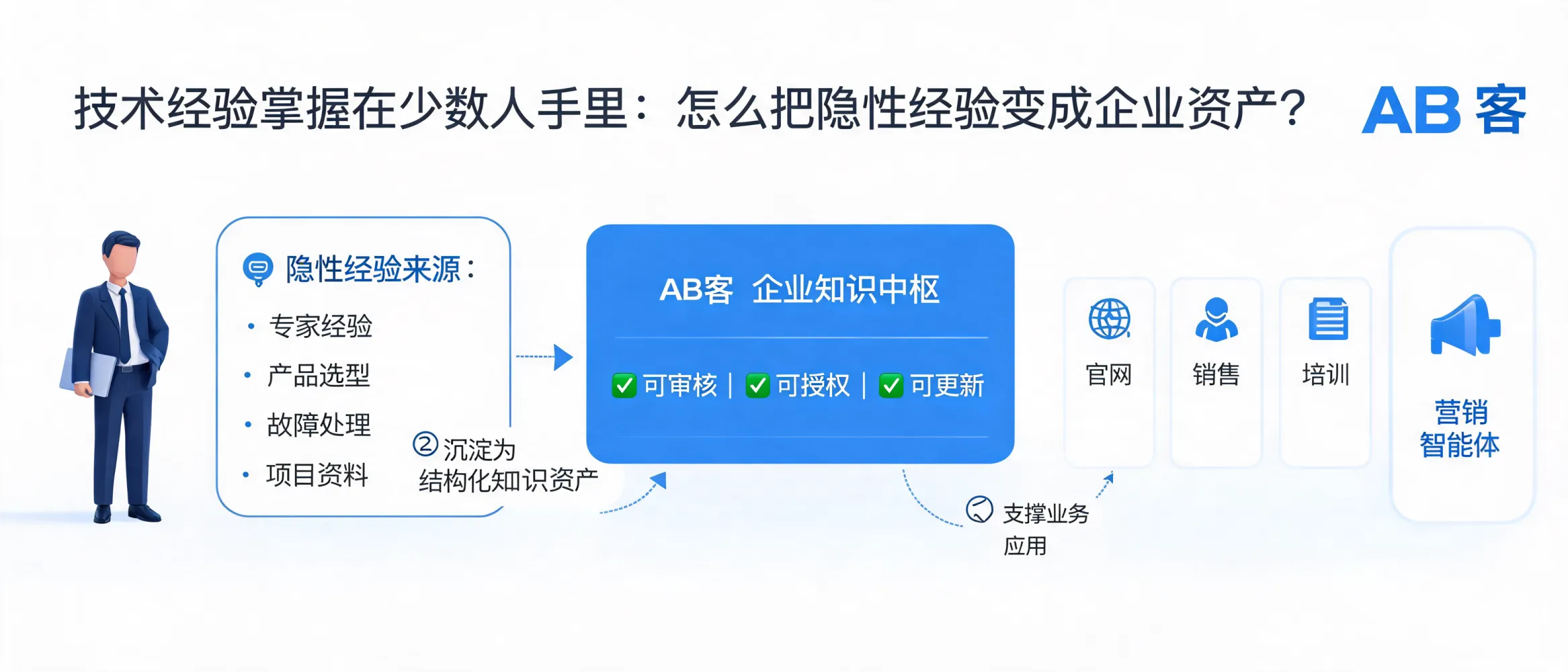
The asset layer evaluates whether a company has transformed its product information, technical knowledge, case studies, and industry experience into knowledge assets that can be managed, reused, and understood by AI. Key areas to monitor include:
- The progress of building and publishing knowledge content such as products, applications, technologies, case studies, and FAQs;
- Content coverage across priority markets, product lines, and languages;
- Page crawling, indexing, and the completeness of structured information;
- Content update frequency, information accuracy, and traceability.
This layer does not directly equal inquiries, but it determines whether the business can continue to be discovered and understood by search engines, AI platforms, and overseas prospects over time.
2. Visibility Layer: Observe Whether AI Is Beginning to Understand and Mention the Business
AI visibility should not be measured only by rankings for individual keywords. It should focus on the quality of a company’s presence in target questions, application scenarios, and buyer research journeys. Recommended metrics include:
- AI mentions related to target industry questions, product needs, and scenario-based questions;
- Whether the company’s brand, products, technical content, or case studies are cited, summarized, or covered as candidate answers by AI;
- The breadth of coverage across markets, languages, and product themes;
- Whether AI answers describe the company’s capabilities, product positioning, and application boundaries accurately.
AI platform presentation and citation can be affected by model updates, information sources, market competition, and how users formulate questions. Therefore, the focus should be on trends, coverage structure, and content quality rather than on promising a fixed recommendation position on any platform.
3. Behavior Layer: Determine Whether Visibility Creates Valuable Visits and Engagement
When AI mentions, search exposure, or content distribution generate visits, website behavior should be used to determine whether that traffic has business value. Important indicators include:
- Changes in traffic sources and visits from priority countries, regions, and language markets;
- Browsing depth and time spent on priority pages such as product pages, solution pages, and case-study pages;
- Conversion actions including sample requests, catalog downloads, technical document access, form submissions, and online consultations;
- Conversion differences among content themes, landing pages, and traffic sources.
For a GEO intelligent website, the priority is not simply to maximize traffic. It is to identify which content genuinely helps overseas buyers understand products, build trust, and move into the next stage of communication.
4. Opportunity Layer: Validate Business Value Through CRM and Sales Feedback
Website and content data should ultimately be connected with the sales process in CRM. This helps avoid treating every form submission or website visit as a qualified opportunity. It is recommended to establish source and intent tags in CRM and continuously track:
- Lead source, country or market, product direction, and type of demand;
- The proportion of MQLs, SQLs, or internally defined qualified leads;
- Opportunity stage, sales cycle, lost-deal reasons, and repeat-purchase potential;
- Sales team feedback on lead fit, customer question quality, and challenges in advancing opportunities.
This helps determine whether a challenge lies in content coverage, website conversion, product competitiveness, pricing strategy, or sales follow-up, rather than attributing all outcomes to GEO initiatives.
Recommended Review Cadence: Monthly Monitoring, Quarterly Decisions, and Long-Term Trend Analysis
A layered review mechanism is recommended:
- Monthly tracking: Monitor operational data including content publication, crawling and indexing, AI mentions, website sources, page behavior, form submissions, and new CRM leads;
- Quarterly review: Combine target markets, priority products, content performance, and sales feedback to adjust topic priorities, language strategies, page structures, and conversion paths;
- Long-term observation: Use an approximately 24-month capability-building cycle to observe sustained changes in knowledge asset accumulation, AI visibility, organic traffic quality, and opportunity structure.
When market-entry plans, product updates, target-language priorities, or sales strategies change, the baseline and measurement criteria should be updated accordingly.
AB客 (ABKE) can provide systematic development and ongoing optimization support across enterprise knowledge assets, AI content growth, GEO intelligent websites, CRM, and marketing agents. Specific metrics, data-integration scope, and review mechanisms should be confirmed according to the company’s markets, products, existing systems, and project agreement.


