Hot Products





Recommended Reading




How Does ABKE Keep Multi-Channel Information Consistent for AI and Search?
ABKE uses the website and enterprise knowledge base as a single source of truth to standardize company names, product categories, core messaging, and trust signals across channels, improving AI recognition, search indexing, and brand consistency.
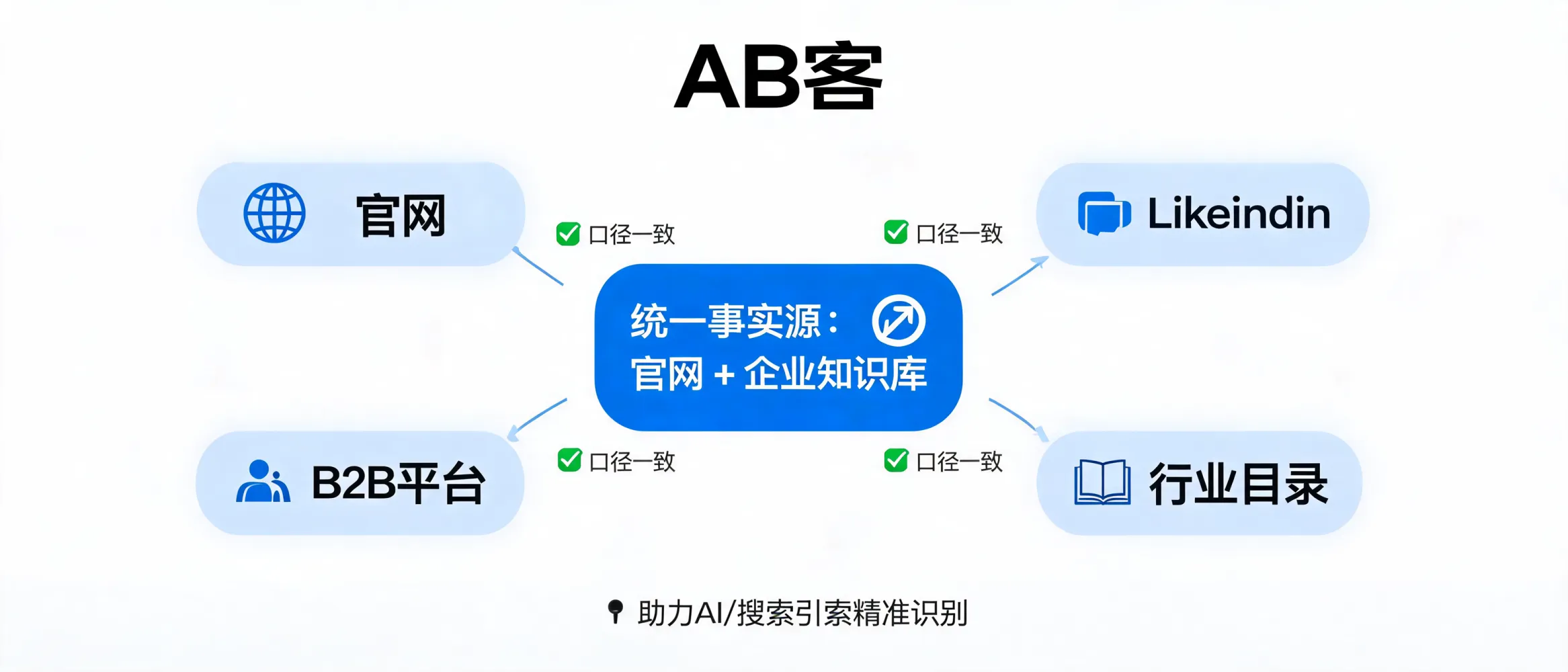
How Does ABKE Keep Information Consistent Across Website, LinkedIn, B2B Platforms, and Directories?
In the AI search era, company information is no longer judged by the website alone. It is also cross-checked through LinkedIn, B2B platforms, industry directories, news releases, and third-party profiles. If these channels use different wording for the company name, brand name, product categories, application scenarios, or service capabilities, AI and search systems may find it harder to recognize the business as one entity.
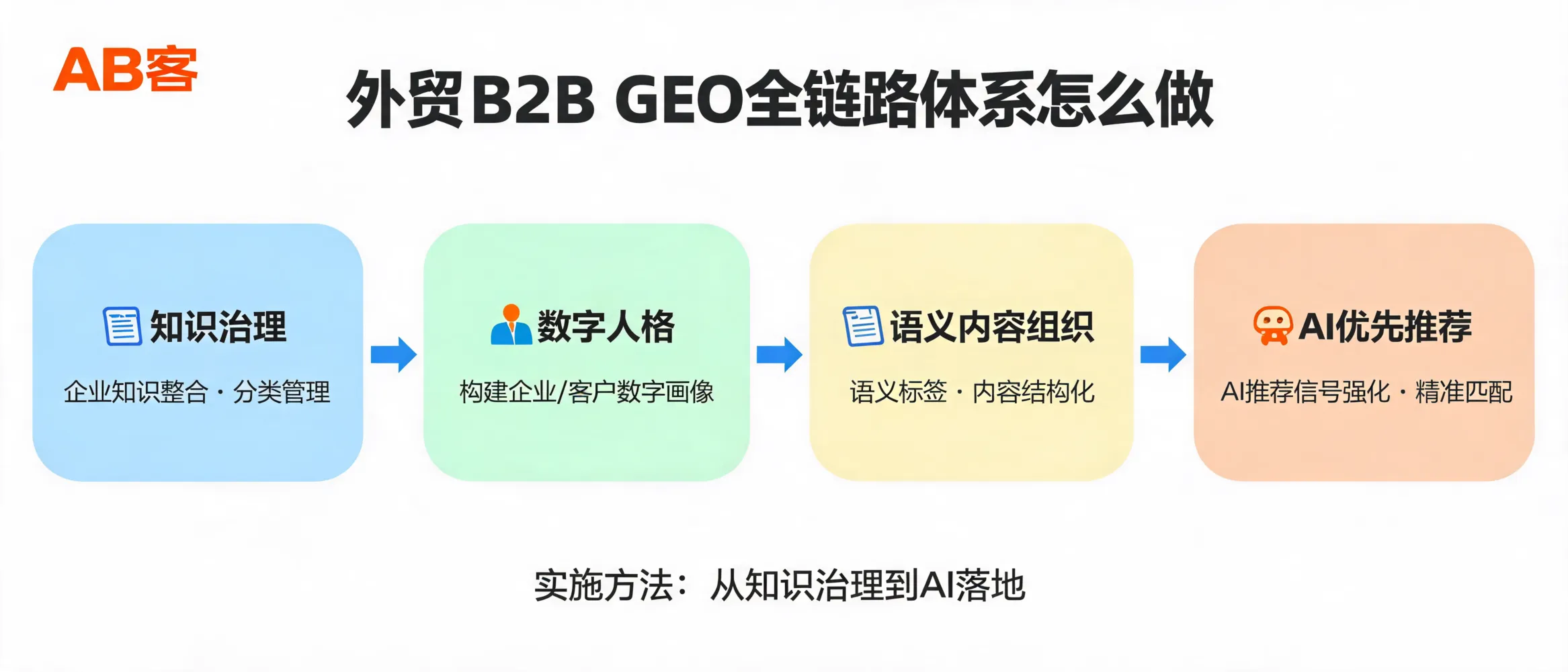
ABKE addresses this by using the website and the enterprise knowledge base as a single source of truth. As a B2B GEO growth infrastructure provider, ABKE helps manufacturing and export-oriented companies build multi-source consistent information systems so AI can understand, trust, and cite the same core facts across channels.
Why information consistency matters for AI and search systems
When enterprise information is distributed across multiple platforms, inconsistency can create confusion about:
- who the company is
- what it does
- which industries it serves
- which facts are the trusted core message
The result is usually not stronger visibility, but weaker recognition, less stable citation, and fragmented brand signals. This can affect search indexing quality, AI mention accuracy, and how confidently prospects evaluate the company during the consideration stage.
How ABKE ensures multi-channel consistency
ABKE does not simply copy and paste copywriting across platforms. The process starts with a unified enterprise facts base, and then content is distributed outward from that base.
- Use the website and enterprise knowledge base as the single source of truth. All external messaging originates from one structured knowledge base, so the company name, brand name, main products, service scope, key strengths, case expressions, and certification details follow one standard.
- Standardize key fields across channels. On the website, LinkedIn, B2B platforms, and industry directories, ABKE keeps the core wording aligned for company name, English name, product categories, service categories, core capabilities, industry positioning, application scenarios, certifications, and trust signals.
- Apply consistent expression templates. Different platforms have different length limits and content formats, but the underlying facts remain the same. This helps avoid situations where the same company appears to be described as different entities.
- Run ongoing consistency checks. As content is distributed and updated, ABKE monitors naming variations, description drift, category conflicts, and outdated legacy information, then corrects them in time.
What information is standardized
ABKE typically standardizes the following information across the website, LinkedIn, B2B platforms, and industry directories:
- company name and brand name
- English naming format
- product and service categories
- core capability statements
- industry positioning and application scenarios
- certifications and trust evidence
What this delivers in practice
When the website, LinkedIn, B2B platforms, and industry directories all present the same brand facts, three practical outcomes follow:
- AI is more likely to recognize the business as the same entity
- search systems can build stronger semantic connections around the brand
- buyers can verify the company more easily because the information is consistent and cross-checkable
For ABKE, this is a core principle of global content distribution: not just publishing content everywhere, but building a multi-source consistent, verifiable, and AI-readable enterprise information system.
ABKE’s core approach
ABKE helps B2B companies create a stable brand identity that AI and search systems can understand, trust, and cite. By treating the website and enterprise knowledge base as the factual foundation, ABKE standardizes key information across external channels and strengthens the basis for AI recognition, search visibility, and long-term brand consistency.


