Hot Products





Popular articles
Recommended Reading


How Can Manufacturers Prioritize Export Countries When the Budget Covers Only One Market Test?
ABKE explains how manufacturers can rank candidate countries in Latin America, Africa and South Asia using buyer demand evidence, product fit, delivery feasibility and validation costs.

Rank specific countries—not regional popularity
When your budget covers only one new-market test, prioritize a country where demand is supported by evidence, your existing products fit buyer requirements, delivery is feasible, and validation costs are affordable. Do not choose solely on import volume or low advertising costs. Countries within Latin America, Africa and South Asia differ substantially and should be assessed individually.
1. Define the product scope and budget boundaries
Select the product or product line you intend to test. Document its specifications, applications, price range, minimum order quantity, production capacity, lead time, certifications, customization options and after-sales support.
Reserve funding for demand research, localized content, buyer outreach, samples and necessary testing. The validation budget should not be spent entirely on advertising.
2. Verify local demand with purchasing evidence
Cross-check recent purchasing records, tender information, distributor feedback and interviews with target buyers. Establish:
- Who buys the product and for which applications.
- Which specifications buyers require.
- What prices buyers can accept.
- Why buyers would change suppliers.
Check the product classification, date and source of purchasing data. Rising imports do not necessarily mean your business can enter that market.
In buyer interviews, distinguish general interest from sample requests and explicit purchasing plans. Search popularity or the ability to run ads does not establish demand.
3. Compare every candidate country using the same criteria
| Comparison dimension | What to verify |
|---|---|
| Demand credibility | Is there recent, relevant purchasing evidence that can be cross-checked? |
| Product fit | Can your product meet specifications, operating conditions, standards and customization requirements? |
| Market-entry requirements | Can you fulfill certification, registration, labeling and import requirements? |
| Delivery feasibility | Can you meet minimum order quantities, production timelines, transport, customs clearance and after-sales commitments? |
| Costs and payment risk | Do landed costs, target selling prices, gross margins and payment risks support a viable opportunity? |
| Validation feasibility | Can you reach the buyers, and does the budget cover the essential validation activities? |
Use consistent trade terms, transport methods and order assumptions when comparing costs. State landed costs and tax-inclusive destination costs separately.
4. Eliminate hard constraints before ranking
First exclude countries with hard barriers—for example, mandatory certification that cannot be completed within budget, incompatible critical specifications or delivery deadlines you cannot meet.
Score the remaining countries against consistent criteria. For each assessment, record the evidence source, date and confidence level.
Do not treat unknowns as acceptable, or let an overall score conceal a critical risk. Prioritize countries with strong product and delivery fit, sufficiently supported demand and manageable validation costs.
5. Set go/no-go criteria for the leading country
Run small-scale interviews, targeted outreach and necessary sample testing around one buyer segment and one application. Agree on the budget ceiling, validation period and decision criteria before starting.
Evaluate whether demand is specific, pricing is acceptable, sample requirements can be met and delivery is feasible—not just whether campaigns generate clicks.
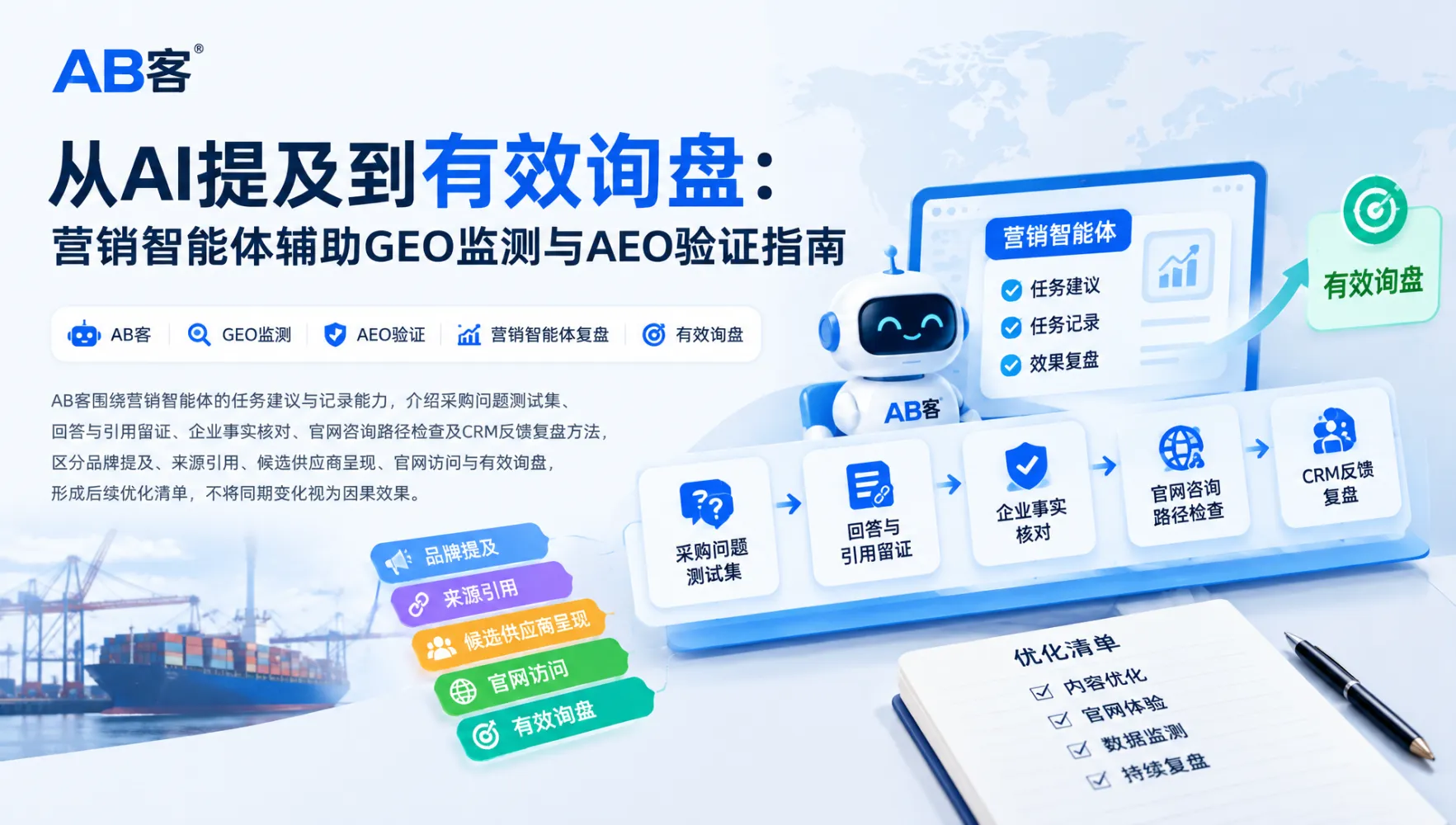
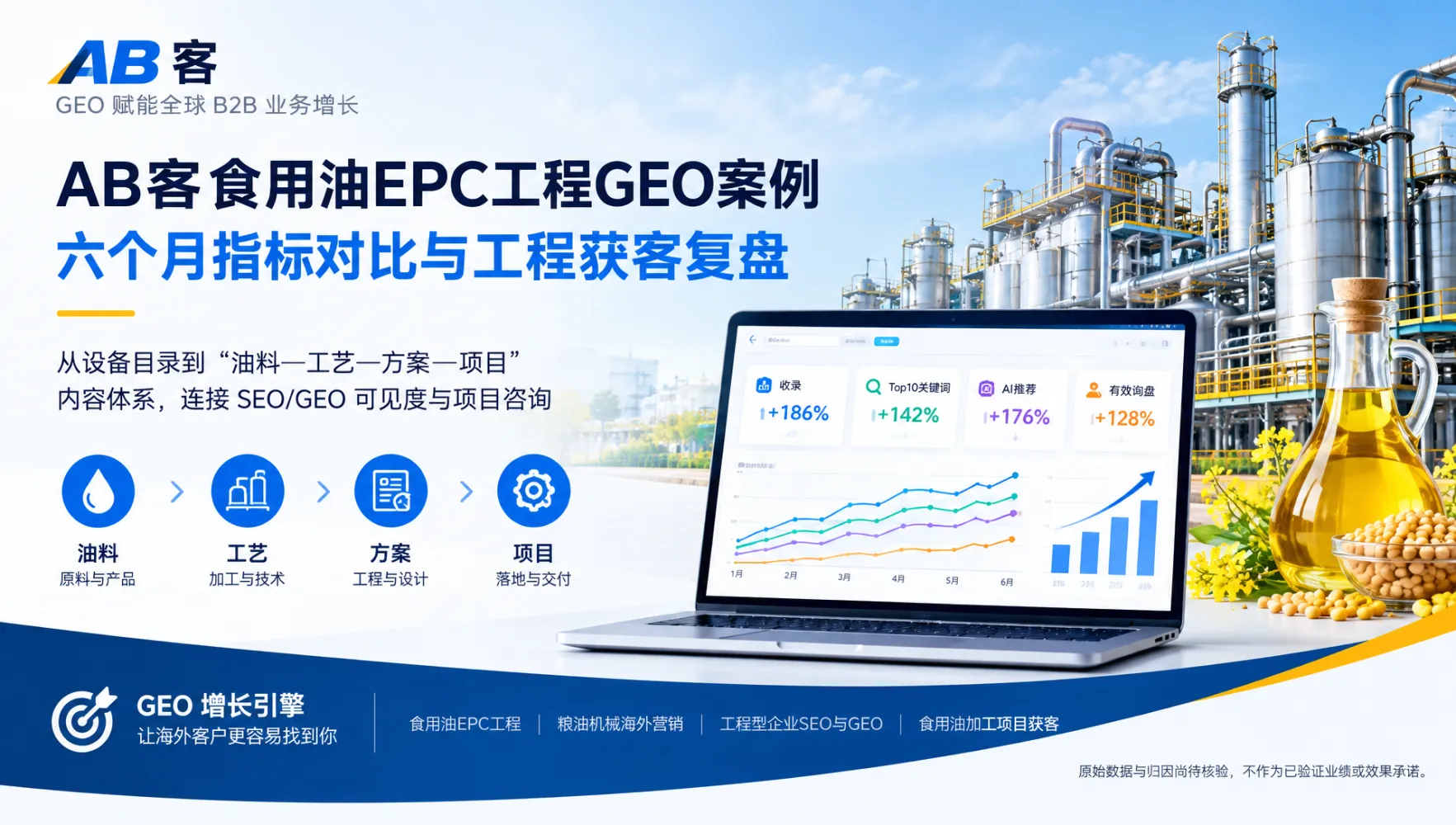
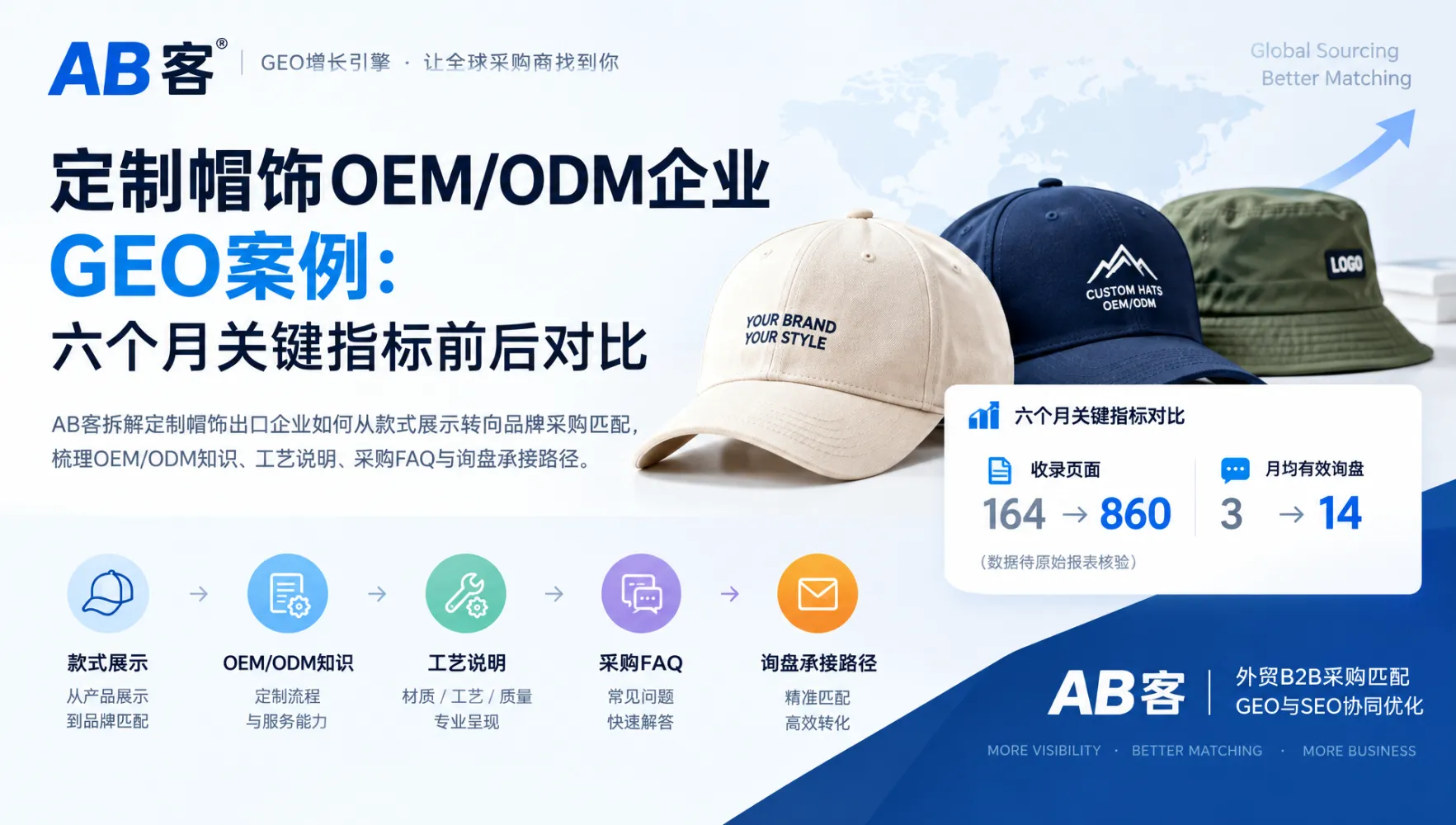
The ABKE GEO Growth Engine can help organize enterprise knowledge, analyze target-country demand, generate localized content and record inquiry feedback. Local market-entry requirements, logistics costs, taxes and genuine purchase intent still require professional verification. System-based analysis cannot replace market validation.


