.png?x-oss-process=image/resize,h_100,m_lfit/format,webp)

.png?x-oss-process=image/resize,m_lfit,w_200/format,webp)

Hot Products


.png?x-oss-process=image/resize,h_2000,m_lfit/format,webp)
Recommended Reading
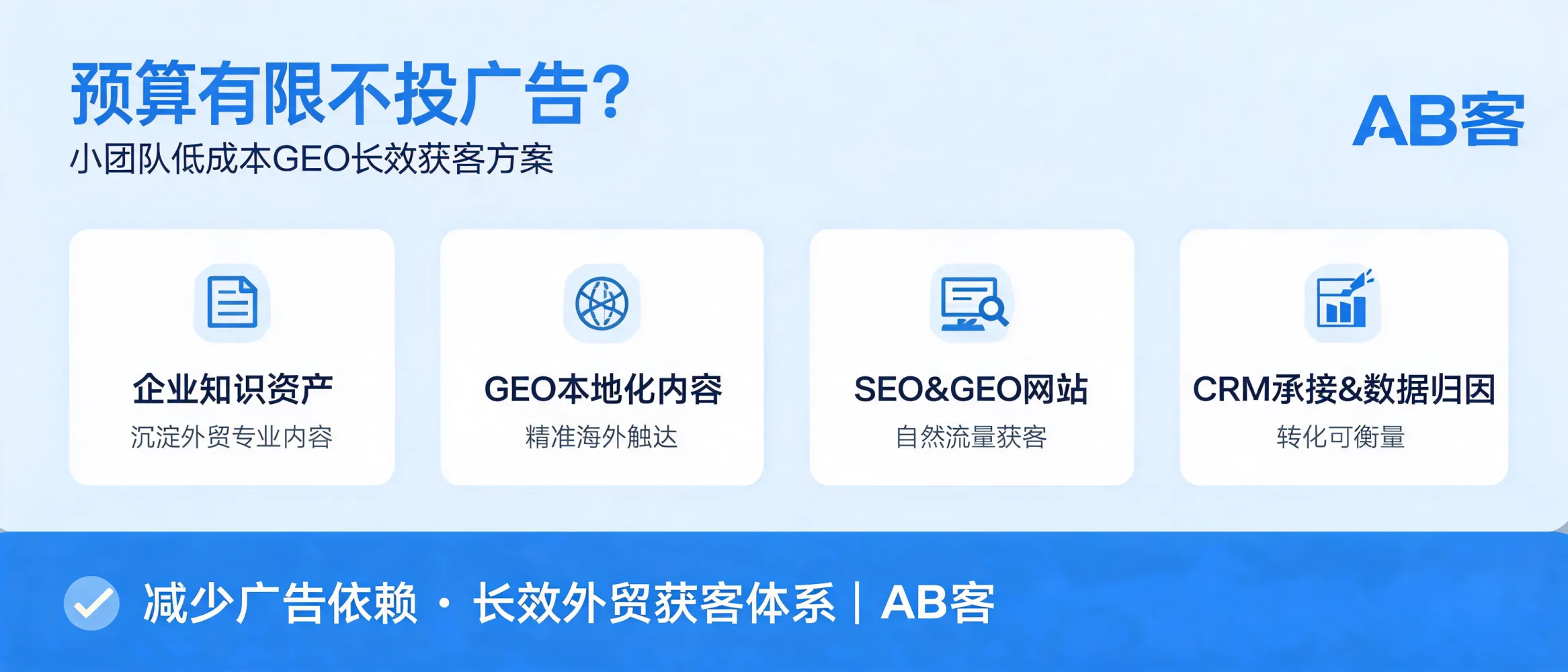


How Does ABKE Keep Multilingual Product Content Accurate and Locally Relevant?
Learn how ABKE maintains consistent product terminology, technical parameters, and brand messaging across multilingual B2B content while adapting to local buyer search and reading habits.
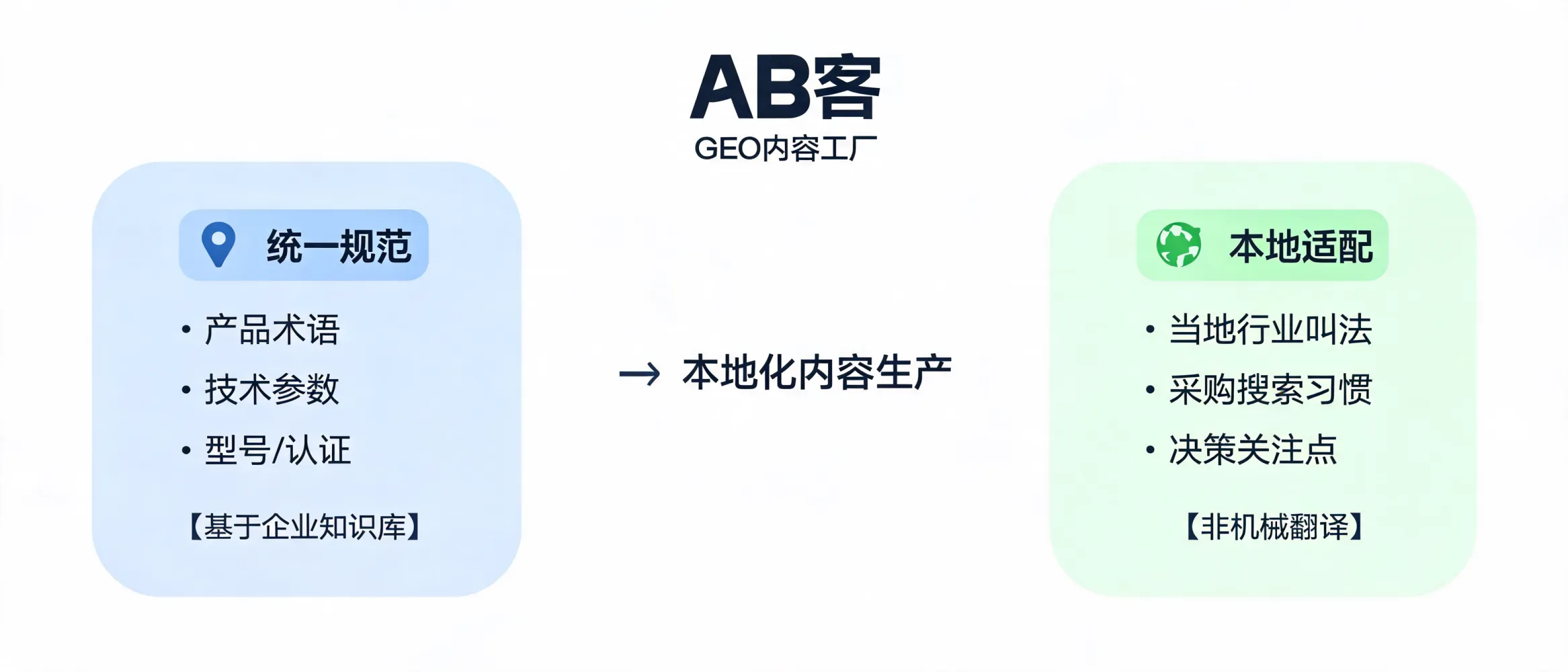
ABKE’s GEO Content Factory uses a verified single source of truth, market-oriented expression, and ongoing validation to address common multilingual content risks for export-oriented B2B companies, including inconsistent terminology, inaccurate specifications, and fragmented brand messaging.
Standardize Verified Facts Before Localizing Content
The foundation of multilingual content is not a translated draft, but verifiable enterprise knowledge assets. ABKE, the brand of Shanghai Muke Network Technology Co., Ltd., uses the enterprise knowledge base, product documentation, model rules, technical specifications, certification files, application scenarios, service capabilities, and brand positioning as the basis for a unified content standard.
Product names, measurement units, performance parameters, certifications, applicable scope, and brand statements are all based on confirmed factual information. This helps prevent contradictory descriptions across different pages, languages, and content channels.
Reconstruct Content for Local B2B Procurement Contexts, Not Word-for-Word Translation
Once factual consistency is established, ABKE adapts content to the target market’s procurement context, including:
- Common industry terminology and product naming conventions;
- Local search behavior and AI query patterns;
- Buyer concerns related to product selection, compliance, lead time, quality, and after-sales service;
- Preferred reading structures and information density among local B2B buyers.
For example, the same technical capability may be expressed differently in English, German, or other target-market languages. Rather than copying Chinese sentence structures, the content uses professional wording that local procurement teams can more easily understand and retrieve. Key specifications, suitable applications, certification information, and procurement value are presented clearly while remaining aligned with the verified source information.
Maintain Consistent Brand Information Across Core Content Touchpoints
This mechanism can be applied across product detail pages, FAQs, solution pages, procurement guides, technical documentation, social media content, and third-party channel profiles.
As a result, whether buyers encounter a brand through Google, AI search, an official website, or an industry platform, they receive consistent product facts and brand positioning. This supports information credibility, AI readability, and subsequent inquiry conversion efficiency.
Support Ongoing Updates and Long-Term Content Maintenance
When product models, specifications, certifications, market priorities, or brand messaging change, the relevant multilingual content can be updated through the knowledge base. This reduces the risk of outdated versions remaining online and helps avoid omissions in manual maintenance.
For companies focused on overseas market risk control, this approach—governing facts first, producing localized content second, and continuously iterating afterward—is better suited to long-term SEO and GEO content development than one-time translation.


.png?x-oss-process=image/resize,h_100,m_lfit/format,webp)
.png?x-oss-process=image/resize,h_100,m_lfit/format,webp)

.png?x-oss-process=image/resize,h_100,m_lfit/format,webp)
.png?x-oss-process=image/resize,h_100,m_lfit/format,webp)
.png?x-oss-process=image/resize,h_100,m_lfit/format,webp)
.png?x-oss-process=image/resize,h_100,m_lfit/format,webp)
