Solution Details |
AB客 · Automotive Parts & Industrial Components Solutions

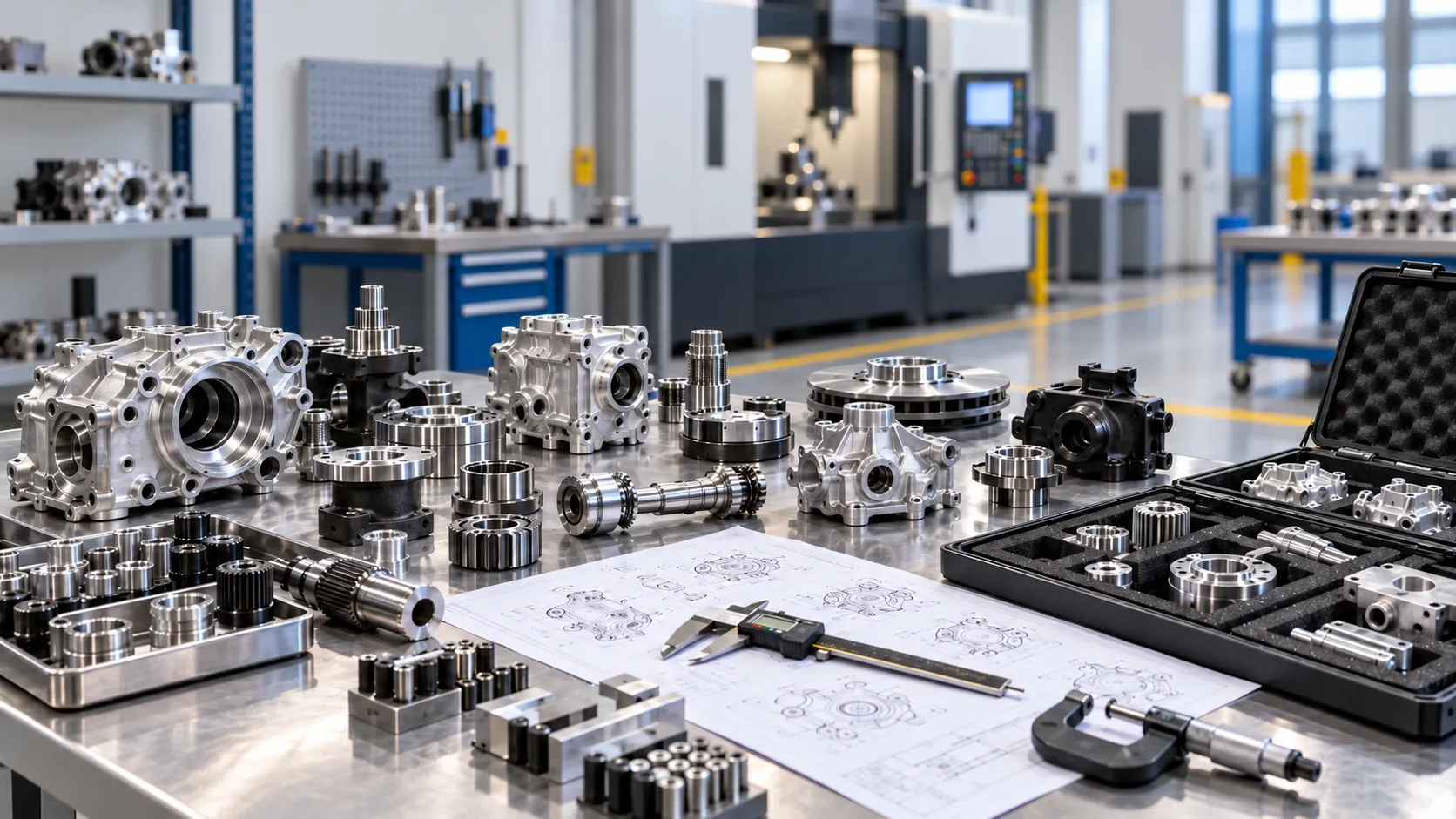
Automotive Parts & Industrial Components

Help buyers verify product compatibility, materials and manufacturing processes, consistent quality, and volume production and delivery capabilities.

Core Matching Information
Starting Point Organize knowledge and map buyer questions using verified company information
Collaboration Requirements Confirm project scope, information approved for public disclosure, deliverable acceptance criteria, and review arrangements
Evaluation Criteria Knowledge completeness, website crawlability, AI understanding and citation, and changes in inquiries and sales opportunities
Content Formats Product category pages, selection guides, manufacturing and quality pages, case studies, FAQs, and multilingual pages
Implementation Phases Business assessment, knowledge asset development, GEO-driven growth development, and ongoing optimization
Knowledge Organization Connect product models, compatible applications, materials and manufacturing processes, quality evidence, and supply terms
More suitable For automotive parts and industrial component companies with a defined product focus, export experience, or manufacturing capabilities that are willing to provide authentic company information. Covers standard components, OEM/ODM manufacturing, production to customer drawings or samples, and custom-engineered components.

The specific scope, timeframe, and verification methods need to be confirmed based on company information and the target market; no fixed ranking, recommendation, inquiry, or transaction is guaranteed.

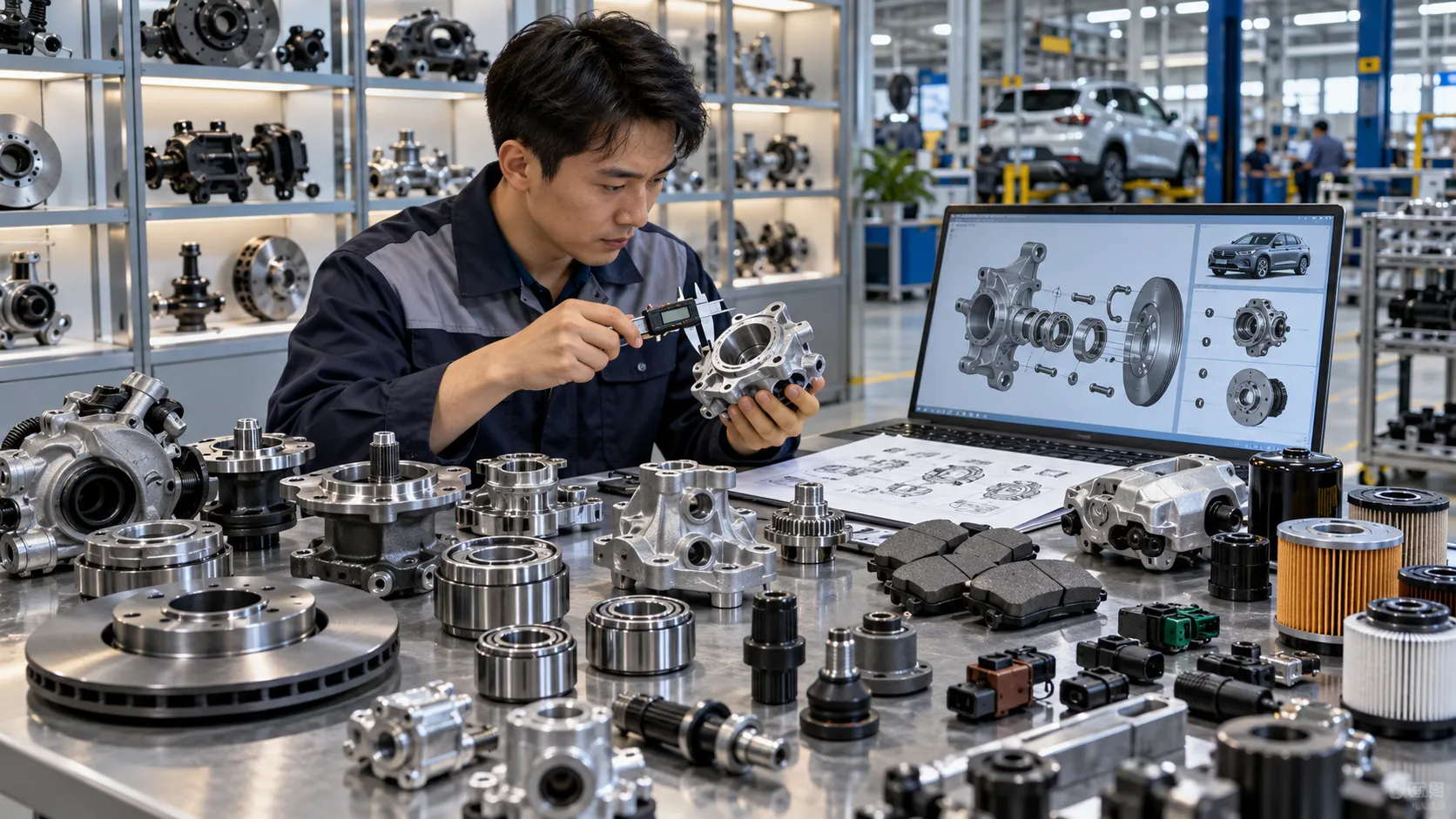
Build Verifiable Information Around Buyer Decisions

01. Clear Product Compatibility Information Help buyers understand how products fit specific vehicle models, equipment, systems, and operating conditions, and identify what must be confirmed before selection. 02. Evidence-Based Manufacturing and Quality Information Replace generic quality claims with facts about materials, processes, inspection, and quality procedures, giving buyers a reliable basis for supplier comparison and qualification. 03. Clear Custom Manufacturing and Long-Term Supply Processes Show buyers the capabilities, limitations, and evaluation requirements for production to drawings or samples, prototyping, volume production, and long-term supply partnerships.
View the solution path

Help Buyers Judge Parts Fitment, Quality and Supply Readiness

Automotive and industrial parts buyers need evidence beyond catalogs. ABKE organizes application, manufacturing and supply facts so they can assess suitability, identify verification needs and prepare informed technical questions.

The evidence gapA reference number or product photograph does not establish compatibility, batch consistency or continuing supply capability. When specifications, inspection records and engineering knowledge remain disconnected, buyers cannot easily compare suppliers. This B2B GEO solution connects authorized facts into procurement-focused content, helping buyers, search engines and generative AI understand what the business can provide and what still requires technical confirmation.
01

Does the part fit the application?

Buyers need connections between models, reference numbers, dimensions, interfaces and operating conditions. Missing relationships make it difficult to distinguish an initial match from compatibility that requires engineering review or sample testing.

02

What supports the quality claims?

Material specifications, manufacturing controls and inspection evidence explain more than general quality statements. Buyers need to understand applicable certification scopes, batch controls and traceability without assuming that one record covers every product.

03

Can supply support the order?

For OEM and customized parts, buyers assess sampling, production planning, engineering changes and continuing delivery. Equipment photographs alone do not explain order conditions, batch consistency or how actual supply commitments are evaluated.

Four connected decisions in parts procurement
01 Identify a match Does the product family, reference number or manufacturing scope address the requirement?
02 Confirm suitability Which dimensions, interfaces, materials and working conditions need further confirmation?
03 Review evidence What supports the stated manufacturing, inspection, customization and supply capabilities?
04 Prepare technical review Which requirements, authorized drawings or sample details should accompany the inquiry?

Start with Defined Parts Capabilities and Reviewable Evidence

This solution suits parts exporters whose buyers evaluate fitment, manufacturing or long-term supply. Implementation needs usable source records, clear disclosure permissions and participation from technical, quality and sales reviewers.

01

A defined product or process scope

Your business has a clear automotive or industrial parts focus and export experience or manufacturing capability. Standard components and drawing-based production are both suitable when their actual applications, processes and service boundaries can be explained.

02

Purchasing involves technical judgment

Buyers repeatedly ask about compatibility, tolerances, materials, sampling or batch stability. Your website needs to support supplier comparison and initial qualification for OEM, non-standard or continuing supply requirements, rather than simply display available products.

03

Authorized source facts are available

You can provide relevant specifications, fitment records, process information, quality evidence and actual supply conditions. Publication permissions must distinguish usable facts from confidential drawings, customer identities, proprietary parameters and records that require further confirmation.

04

Review and update owners can participate

Engineering, quality and sales colleagues can resolve factual questions and approve public statements. Website access, target markets, content permissions and responsibility for subsequent product or process updates can be confirmed within the agreed project scope.

Confirm readiness firstIf product boundaries, fitment relationships or quality records are incomplete, begin with source organization and technical confirmation. Content cannot replace engineering approval, sample validation or supplier qualification. Businesses unwilling to provide usable facts or seeking only immediate inquiries are a weaker fit. Confirm scope and disclosure rules before implementation; fixed search rankings, AI recommendations and inquiry volumes cannot be guaranteed.

Translate Parts Knowledge into Connected Procurement Content

ABKE combines buyer-question modeling, verified knowledge and website implementation. Engineering and quality review keep technical claims accurate, while connected pages and agreed language versions make the information easier to understand and maintain.

Step 01

Map procurement questions

Review product scope, target markets and current content. Identify fitment, quality and supply information gaps, then agree priorities, disclosure boundaries and reviewer responsibilities.

Step 02

Connect verified source facts

Organize product families, reference relationships, specifications, materials, processes and quality evidence. Record actual customization and supply conditions, with unresolved facts reserved for confirmation.

Step 03

Design decision-focused content

Assign selection and supplier-review questions to appropriate product, application, process and quality pages. Prioritize useful series and capability content instead of duplicating similar SKU pages.

Step 04

Implement approved website content

Build or optimize agreed pages, internal relationships and inquiry paths. Align included language versions and structured data with approved technical statements and visible website content.

Step 05

Check and refine the information

Verify content accuracy and implementation. Where included, review search accessibility, sampled AI descriptions, website data and sales feedback to identify corrections and subsequent content priorities.

Evidence before capability claims Use applicable source records for specifications, processes, certification and supply conditions. Do not infer fitment, tolerances or capacity from generic descriptions, unrelated products or equipment photographs.
Buyer decisions shape the detail Explain what each fact helps a buyer assess and which conditions remain unresolved. Separate selection guidance from engineering confirmation, sample approval and validated production suitability.
Parts-specific and market-aware language Distinguish automotive fitment from equipment or process applications. Adapt terminology to agreed markets while preserving reference relationships, parameter meanings and manufacturing boundaries across language versions.
Expert approval and controlled disclosure Combine AI-assisted drafting with human checks and customer technical review. Publish only authorized facts; protect restricted drawings, proprietary parameters and customer information through agreed disclosure rules.
Clear, connected and consistent facts Explain technical terms and link related product, process and evidence content. Keep structured data consistent with visible pages; accessible information supports discovery without guaranteeing indexing or AI citation.
Updates follow confirmed changes Use verified product revisions, quality changes and procurement feedback to guide maintenance. Review observed AI or business signals within the agreed scope, rather than treating them as guaranteed milestones.

Verify Knowledge and Website Outputs Separately from Market Signals

Review agreed knowledge assets, procurement content, website implementation and validation findings against source facts and acceptance criteria. Search performance, AI visibility and inquiry changes are assessed separately because they depend on external and business factors.

Standard Output Scope-Dependent Content How It Helps Your Team Primary Validation Method
Procurement diagnosis and priorities Agreed product families, target markets, buyer questions, evidence gaps and implementation boundaries. Page quantities, languages and support are confirmed in the project plan. Clarifies which fitment, quality and supply questions need attention and which records must be confirmed before publication. Compare priorities with current content and actual buyer questions; approve scope, reviewer responsibilities and acceptance criteria.
Structured parts and supplier knowledge Applicable model and reference relationships, specifications, materials, processes, quality evidence, customization conditions and continuing supply facts. Provides reusable, consistent information for procurement content and technical sales explanations without overstating manufacturing capabilities. Check facts against authorized records; obtain engineering and quality approval; verify capability boundaries, unresolved items and disclosure permissions.
Procurement content and website implementation Agreed product, application, manufacturing and quality content; internal links, inquiry paths, language versions and structured data where included. Makes selection and supplier-review information available through connected pages, with clear requirements for further technical discussion. Inspect approved content, links and inquiry paths. Check crawler accessibility, cross-language factual consistency and alignment between Schema and visible pages.
Validation findings and update priorities Agreed implementation checks and, where included, website observations, sampled AI answers, citation observations and available technical inquiry or sales feedback. Separates completed construction from external performance, identifies incorrect descriptions and supports evidence-based content maintenance. Review recorded findings and correction priorities. Observe AI accuracy, mentions, citations and business signals separately; fixed rankings, recommendations, inquiries and sales are not guaranteed outputs.
01

Clearer matching

Documented product relationships and applications help buyers identify relevant parts and understand which fitment details still need confirmation.

02

Better understanding

Connected explanations show how materials, manufacturing processes and actual supply conditions relate to the buyer’s requirements and supplier assessment.

03

Reviewable evidence

Approved quality and process information gives buyers a clearer basis for checking supplier claims, applicable evidence and stated capability limits.

04

Informed inquiries

Clear information requirements help buyers prepare relevant dimensions, operating conditions and authorized drawing or sample details for technical review.

Frequently Asked Questions

Industrial Durable Goods GEO Logic & Evidence Framework | ABKE (AB客)
ABKE explains the GEO (Generative Engine Optimization) logic for industrial durable goods: reduce technical and delivery uncertainty with structured selection boundaries, verification evidence (FAT/SAT, MTBF, durability tests), compliance proof (CE/UL/API/ASME), and delivery/commissioning SOPs. Includes hard-evidence examples and traceability requirements.
Mechanical Parts GEO Granularity Guide | ABKE (AB客) GEO Solution
In mechanical components, GEO becomes effective only when knowledge is sliced down to an orderable, directly interchangeable level: standard number + dimension chain, material & heat treatment, key tolerances/fit, surface roughness, hardness/coating thickness, and inspection method. Use the “Parameters + Standard + Inspection” triad so AI can match and recommend substitutes reliably.
ABKE (AB客) GEO FAQ: Semantic Markup for OE Numbers & Vehicle Fitment
Learn how ABKE’s B2B GEO solution structures OE numbers, vehicle year/make/model/engine fitment, interchange rules, and evidence fields into AI-readable entities and relationships—so AI can retrieve, verify, and cite your fitment data when buyers ask.
ABKE GEO FAQ: Fact-Dense, Verifiable Content for High-Value B2B Buyers | AB客
ABKE (AB客) GEO structures a company’s technical and commercial knowledge into verifiable knowledge slices (facts, evidence, standards, documents) so AI systems can cite it and B2B buyers can audit it during evaluation and procurement.

First, identify the parts the client doesn't understand, then decide what to prioritize building.

Submit your company's official website, main business, and target market, and our consultants will determine whether the client has any significant information gaps at the stages of finding, understanding, believing, and taking action.

Preliminary assessment of the official website and main business Customer issues and content gaps Applicable schemes and construction priorities
We do not guarantee fixed rankings, inclusion, AI recommendations, inquiries, or transactions. Progress is measured by real facts, phased deliverables, and continuous feedback.
AB Customer's Foreign Trade B2B GEO Industry Solution

First, figure out why the client hasn't contacted you, then decide what content needs to be built.

We begin by identifying the most critical content gaps to address, starting with corporate knowledge, product selection, credible facts, and consulting engagement.

Submit a solution diagnostic request →