.png?x-oss-process=image/resize,h_100,m_lfit/format,webp)

.png?x-oss-process=image/resize,m_lfit,w_200/format,webp)

Hot Products
.png?x-oss-process=image/resize,h_2000,m_lfit/format,webp)
.png?x-oss-process=image/resize,h_2000,m_lfit/format,webp)

Popular articles
Stop Renting GEO Growth: Build Transparent, Transferable Digital Assets with ABKE
How to Extract GEO FAQs from Sales Chat Records: A Practical SOP for Export B2B Companies
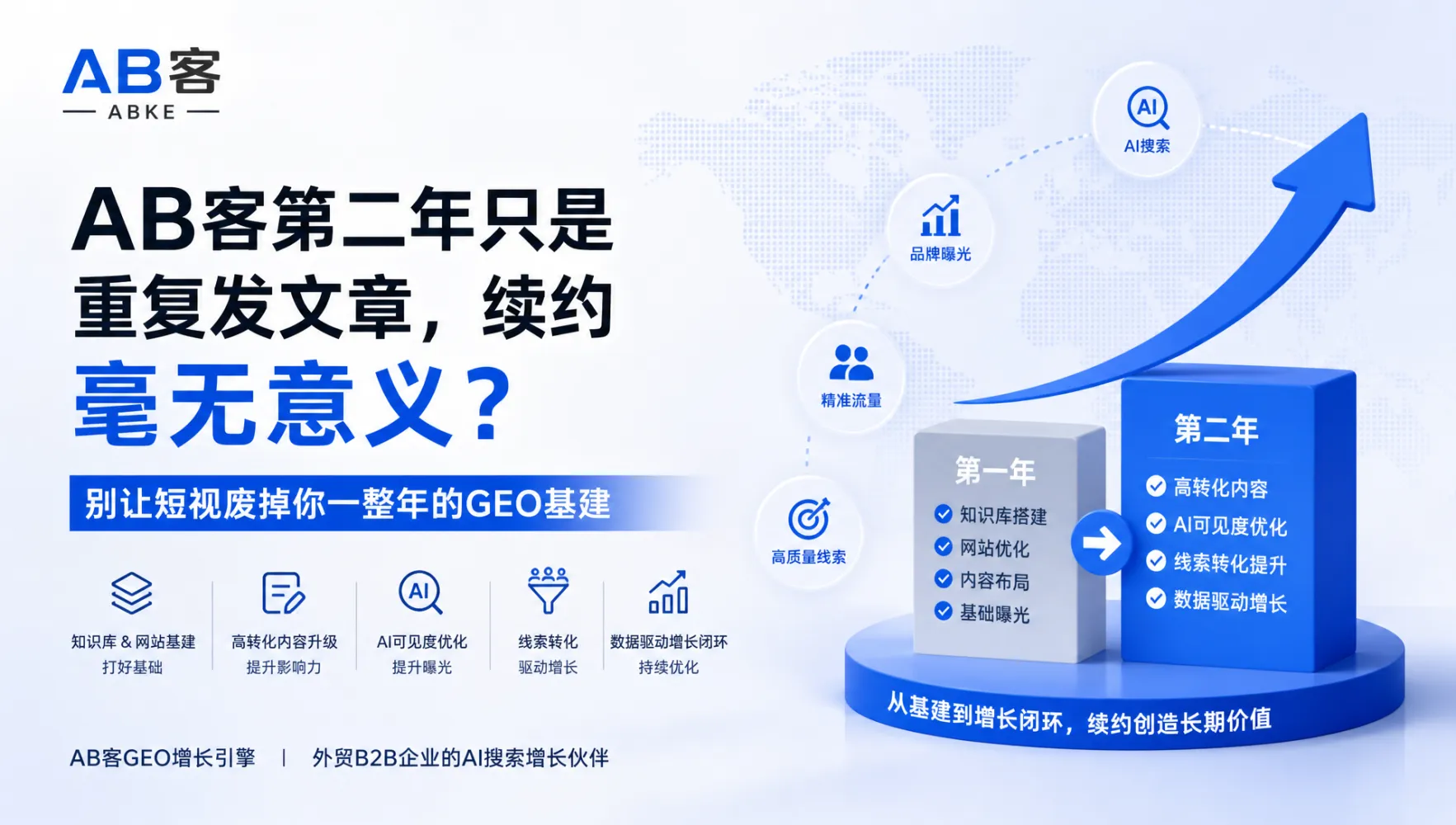
ABKE GEO Renewal Is Not Repetitive Content—It Is the Next Stage of AI Visibility, Conversion, and Sustainable Growth
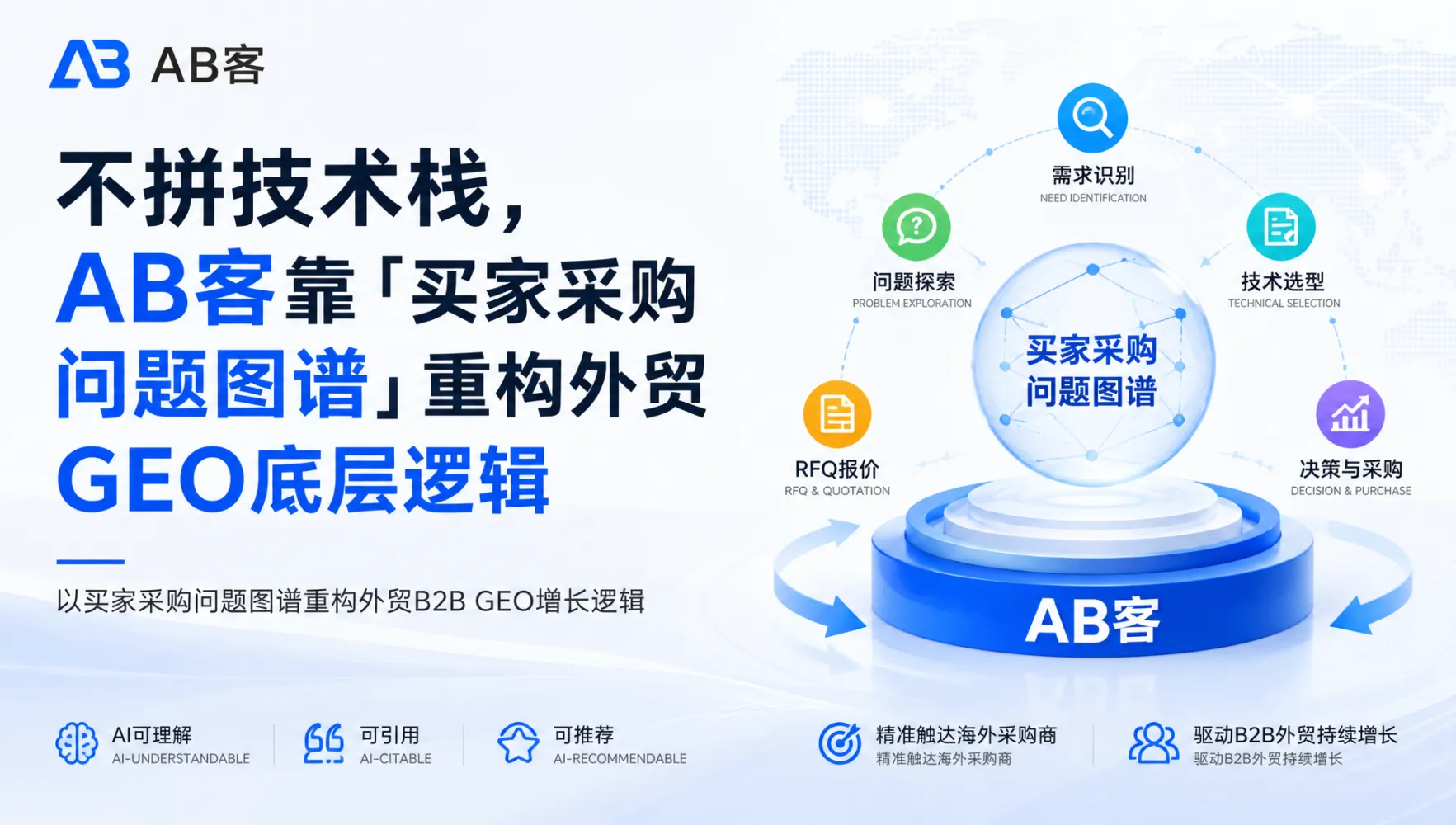
How to Build a B2B Buyer Procurement Question Library for GEO Growth
Recommended Reading
Your Company Is Capable—But Can You Clearly Prove Why Buyers Should Trust You?
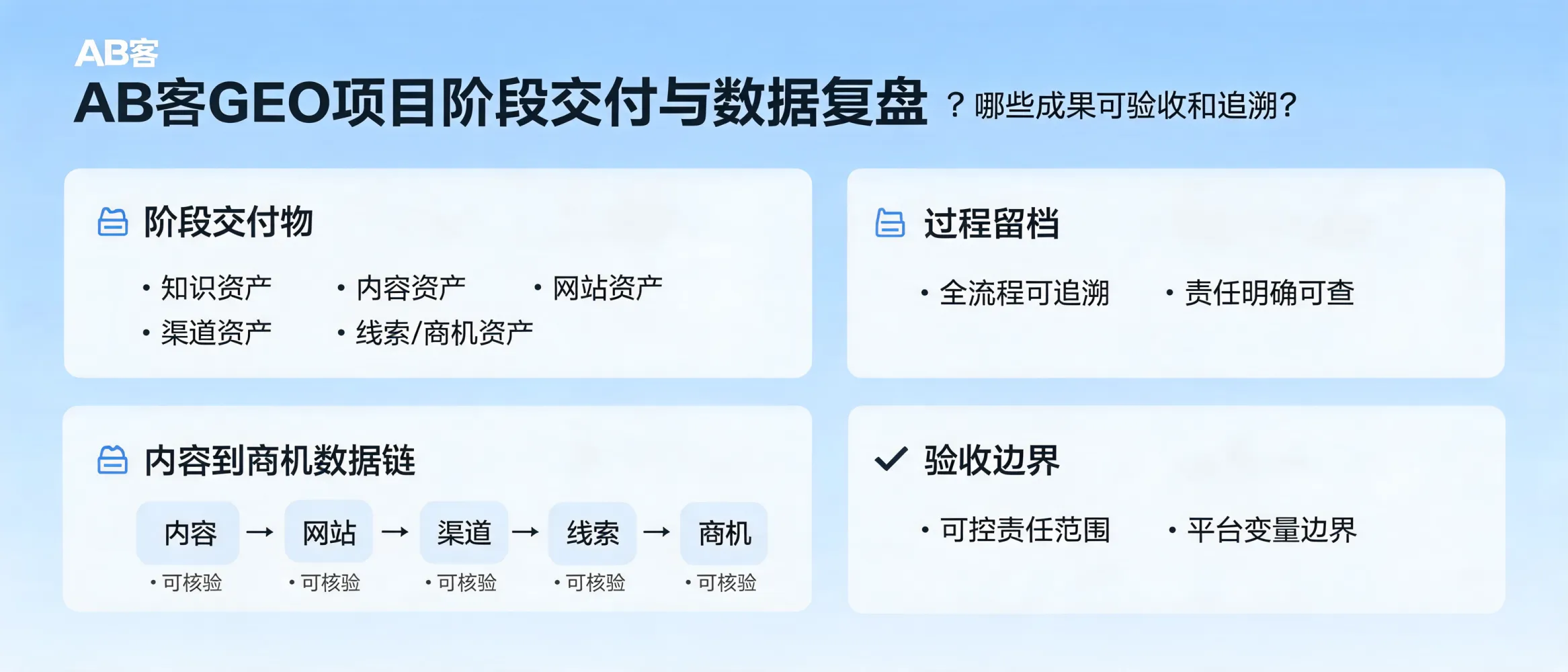
ABKE explains how export-oriented B2B companies can use an enterprise knowledge hub to connect capability claims with certifications, test reports, project records and authorized cases for consistent, verifiable trust communication.
Strong products, experienced teams, controlled processes and successful deliveries do not automatically translate into buyer confidence. In export-oriented B2B markets, overseas buyers, technical evaluators and procurement teams need clear answers: What can this supplier do? In which situations? What evidence supports the claim?
ABKE helps companies turn verified operational knowledge into a governed capability and evidence chain. Through an enterprise knowledge hub, capability claims can be connected with the appropriate certifications, test reports, process records, project documents and authorized customer cases—creating a reliable factual foundation for websites, multilingual content, sales communication, AI assistants and GEO optimization.
Why Capable B2B Companies Are Often Hard to Trust Online
Many manufacturers and B2B suppliers already have meaningful strengths: product development resources, manufacturing processes, quality management procedures, customization experience, technical teams or project delivery records. Yet the information that proves these strengths is often scattered across product catalogs, certification folders, test files, factory materials, sales emails, old websites and individual employees' computers.
This creates a gap between actual capability and market perception. When a buyer asks whether a company can meet a specification, maintain quality consistency, support a custom requirement or deliver a similar project, the response may rely on broad statements such as “high quality,” “rich experience” or “customized service.” Without traceable supporting information, these statements are difficult for buyers to assess and difficult for AI systems to interpret accurately.
Trust is not created by claiming more. It is created by connecting a relevant capability to clear, authorized and verifiable evidence.
Who Benefits From a Capability and Evidence Chain?
This approach is designed for export-oriented B2B companies with defined products, manufacturing capabilities or project-based service experience that need to build long-term credibility in global markets. It is especially relevant for:
- Industrial equipment, machinery, automation and component manufacturers;
- Suppliers of chemical materials, energy equipment, electronics and specialized materials;
- Medical equipment, food processing equipment, agricultural machinery and other technically evaluated products;
- OEM/ODM businesses, custom manufacturers and engineering-oriented B2B service providers;
- Companies upgrading an export website, multilingual content system, sales enablement materials or AI-enabled marketing workflow.
The Core Structure: Capability, Context and Evidence
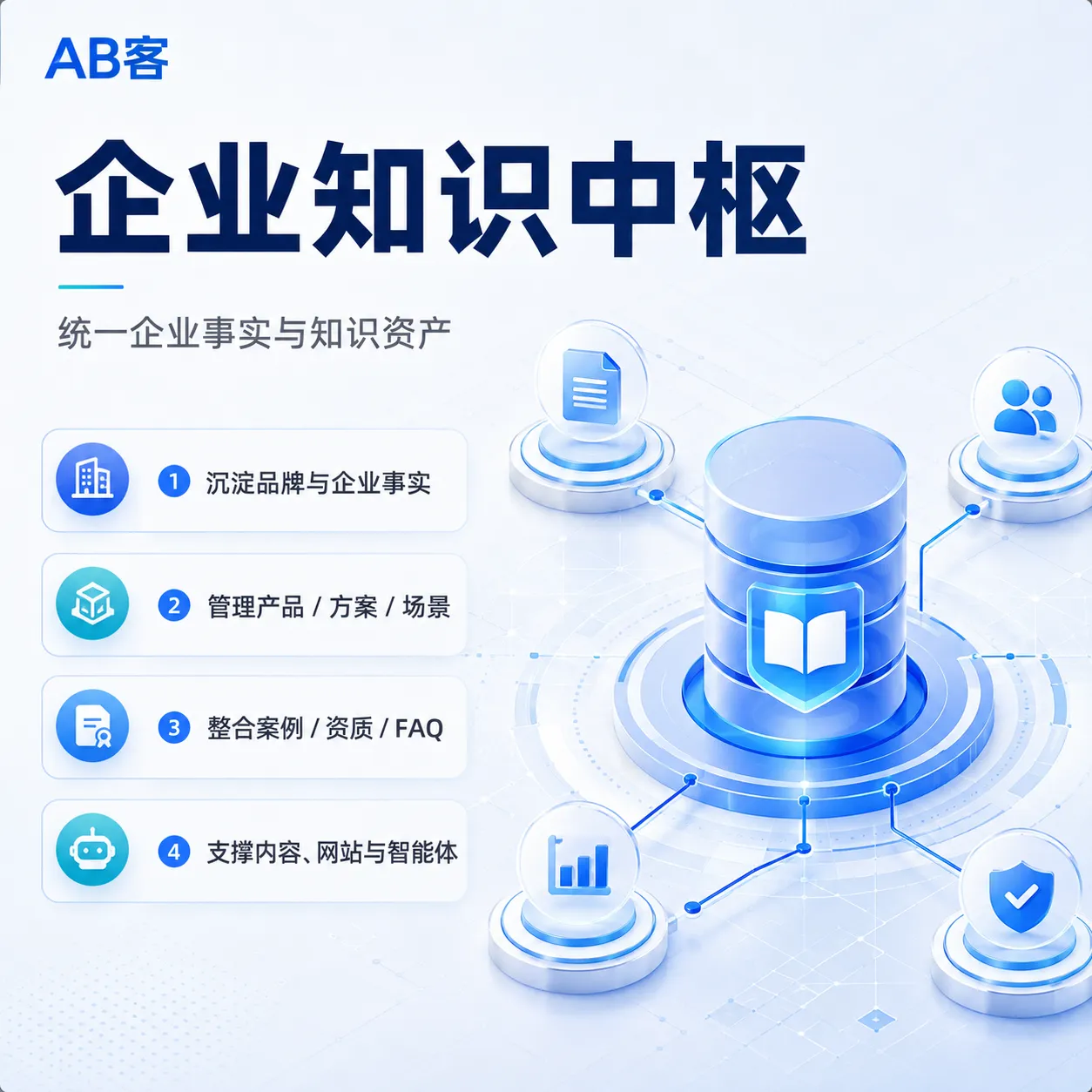
An enterprise knowledge hub is more than a document repository. It organizes verified company knowledge so that every important capability can be understood in context, supported by relevant evidence and reused according to defined permissions.
1. Capability Claim
Define what the company can genuinely do, such as product development, precision manufacturing, testing, quality control, customization, project delivery, installation support or after-sales response.
2. Applicable Context
Clarify the related products, models, industries, buyer requirements and application conditions, including situations that require further technical confirmation.
3. Supporting Evidence
Associate the claim with source materials such as approved certifications, test reports, process records, technical documentation, project files or authorized cases.
How Capability Claims Can Be Supported
| Capability Area | Examples of Supporting Evidence | Buyer Questions It Can Help Address |
|---|---|---|
| Product development and design | Technical team information, design workflow, product drawings or development records | Can the supplier understand requirements and support product development or customization? |
| Manufacturing and process control | Equipment information, process flows, production records or site management documents | Does the supplier have the conditions for stable production and process control? |
| Quality management | Quality procedures, inspection equipment records, test reports or certification documents | How is product quality verified and controlled? |
| Project delivery and service | Project records, delivery files, installation guidance, service documents or authorized cases | Has the company handled a similar application or delivery requirement? |
| Product performance and compliance | Specifications, testing materials, certificates and compliance documents | Does the product meet the required specification or market-entry requirement? |
Evidence should be used according to its verified scope, validity and authorization status. Not every document needs to be public, and sensitive materials should remain subject to agreed access controls.
From Scattered Files to Governed Trust Assets
A useful capability and evidence chain requires governance. Each high-priority knowledge item should have a recognizable source, a defined owner and an approved way to use it. This helps prevent outdated certifications, unsupported claims, inconsistent case descriptions and unapproved customer references from entering public-facing communication.
- Prioritize the capabilities buyers need to evaluate. Identify the product, process, quality, customization or delivery strengths that most often influence technical and purchasing decisions.
- Collect and verify source materials. Confirm the authenticity, relevance, validity period and usable scope of certifications, reports, project records, product files and cases.
- Define access and disclosure rules. Classify materials as public, controlled public, sales-visible, project-visible or internal-only. Apply authorization and anonymization rules where customer names, drawings, prices or confidential project details are involved.
- Record ownership and version status. Assign responsible reviewers, track updates and revise related claims when products, processes, certifications or organizational responsibilities change.
- Reuse approved knowledge across channels. Adapt the same factual foundation for pages, FAQs, multilingual materials, buyer responses and AI-supported workflows without changing the underlying business truth.
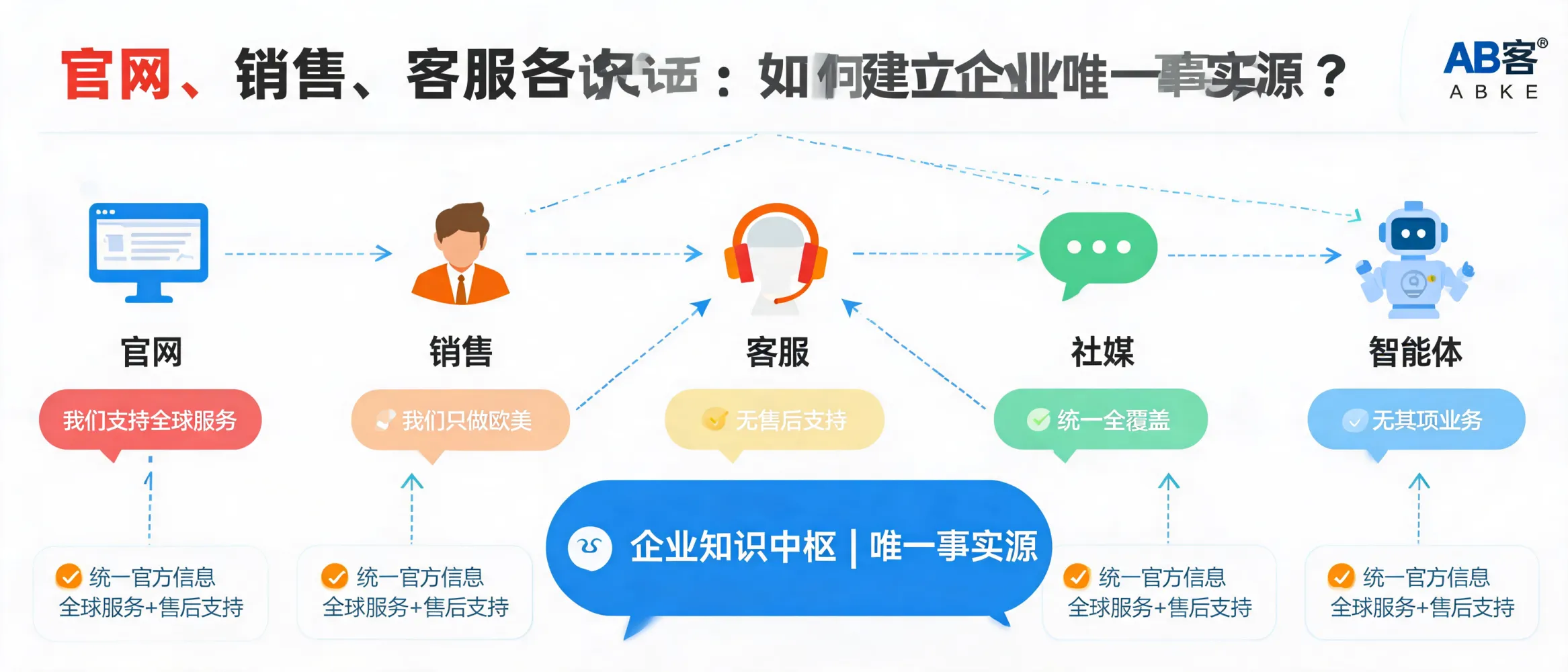
A Single Fact Base for Websites, Sales and AI
When an enterprise knowledge hub becomes the approved source of capability and evidence information, different teams and channels can communicate with greater consistency. The same governed knowledge can support:
- Export websites: clearer company, product, solution and quality pages with relevant factual support;
- Multilingual content: market-facing explanations that retain the original technical scope and evidence basis;
- Sales enablement: faster preparation of inquiry replies, technical materials and supplier-evaluation information;
- FAQs and buyer guidance: more consistent responses to recurring procurement, compliance and delivery questions;
- AI assistants and marketing agents: permission-aware use of reviewed enterprise knowledge rather than unsupported generated claims;
- GEO credible content: structured, specific information that helps AI systems and buyers understand a company’s capability boundaries and trust basis.
How ABKE Supports Capability and Evidence Chain Development
ABKE is the core brand of Shanghai Muke Network Technology Co., Ltd. and provides GEO growth infrastructure for export-oriented B2B companies. In this scenario, ABKE does not create fictional advantages or replace a company’s responsibility to validate its own facts. The role of ABKE is to help transform confirmed business materials and expert knowledge into structured, manageable and reusable enterprise trust assets.
ABKE can support companies in:
- organizing core facts about the company, brand, products, technology, processes, quality systems and delivery capabilities;
- extracting practical knowledge through collaboration with management, engineering, sales and service teams;
- linking products, capabilities, applications, buyer questions, solutions and cases in a usable knowledge structure;
- cataloging certifications, test reports, project records, delivery files and authorized case materials;
- capturing source references, responsible owners, reviewers, disclosure levels, versions and update dates;
- providing a unified factual base for GEO websites, content production, multilingual communication, sales enablement and marketing agents.
What to Measure Over Time
The value of an enterprise knowledge hub should not be judged only by the number of files collected. Companies can review practical progress through governance and usage indicators such as:
Market outcomes may also be influenced by product competitiveness, pricing, demand conditions, search and AI platform behavior, and sales execution. A capability and evidence chain provides a stronger factual foundation; it does not replace these business factors.
A Practical Foundation for Long-Term B2B Trust
The goal is not to publish every internal document or make broader promises. It is to help the right buyers understand, in a clear and authorized way, what the company can do, where that capability applies and what evidence supports it. With a governed capability and evidence chain, export-oriented B2B companies can preserve organizational knowledge, improve communication consistency and build a more credible foundation for global digital growth in the AI search era.


