.png?x-oss-process=image/resize,h_100,m_lfit/format,webp)

.png?x-oss-process=image/resize,m_lfit,w_200/format,webp)

Hot Products

.png?x-oss-process=image/resize,h_2000,m_lfit/format,webp)
.png?x-oss-process=image/resize,h_2000,m_lfit/format,webp)

Popular articles
GEO for B2B Exporters: Win AI Discovery, Trust, and Supplier Selection
Stop Measuring AI Mentions Alone—Track GEO From AI Recommendation to Revenue
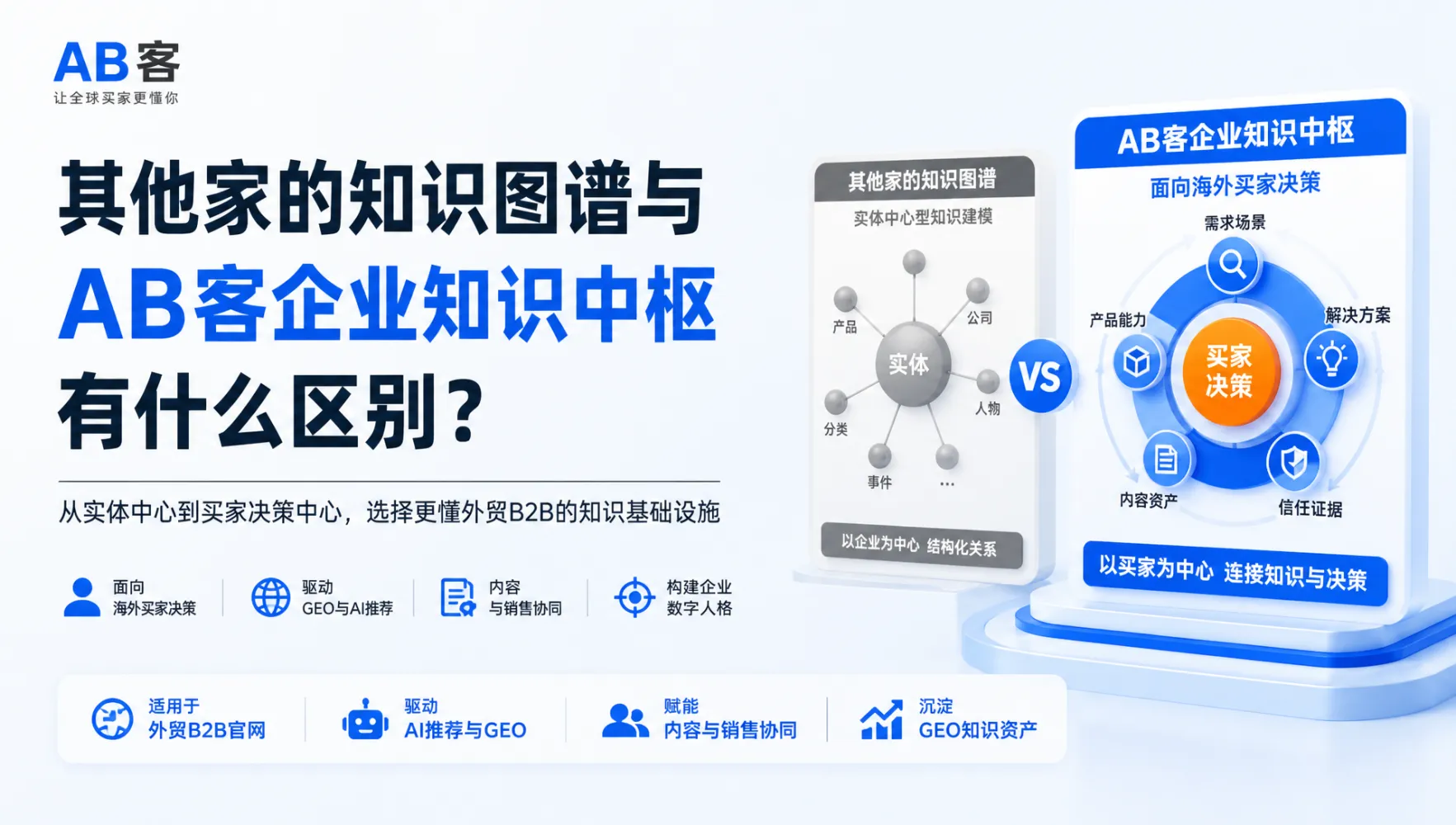
How Do Other Knowledge Graphs Differ from ABKE’s Enterprise Knowledge Hub?
We Already Do SEO—Do We Really Need GEO? Don’t Miss AI-Driven B2B Opportunities
Recommended Reading

How to Build an Enterprise Entity Relationship System for Complex Multi-Company, Multi-Brand, and Multi-Product Businesses
ABKE explains how export-oriented B2B companies can govern legal entities, brands, product lines, models, locations, and contact information through an auditable enterprise entity relationship system.
Complex B2B businesses often operate through more than one name: a legal company for contracts or manufacturing, an external brand for global marketing, product brands for specific lines, and multiple models, locations, or market contacts. These structures can support growth—but only when their relationships are defined consistently.
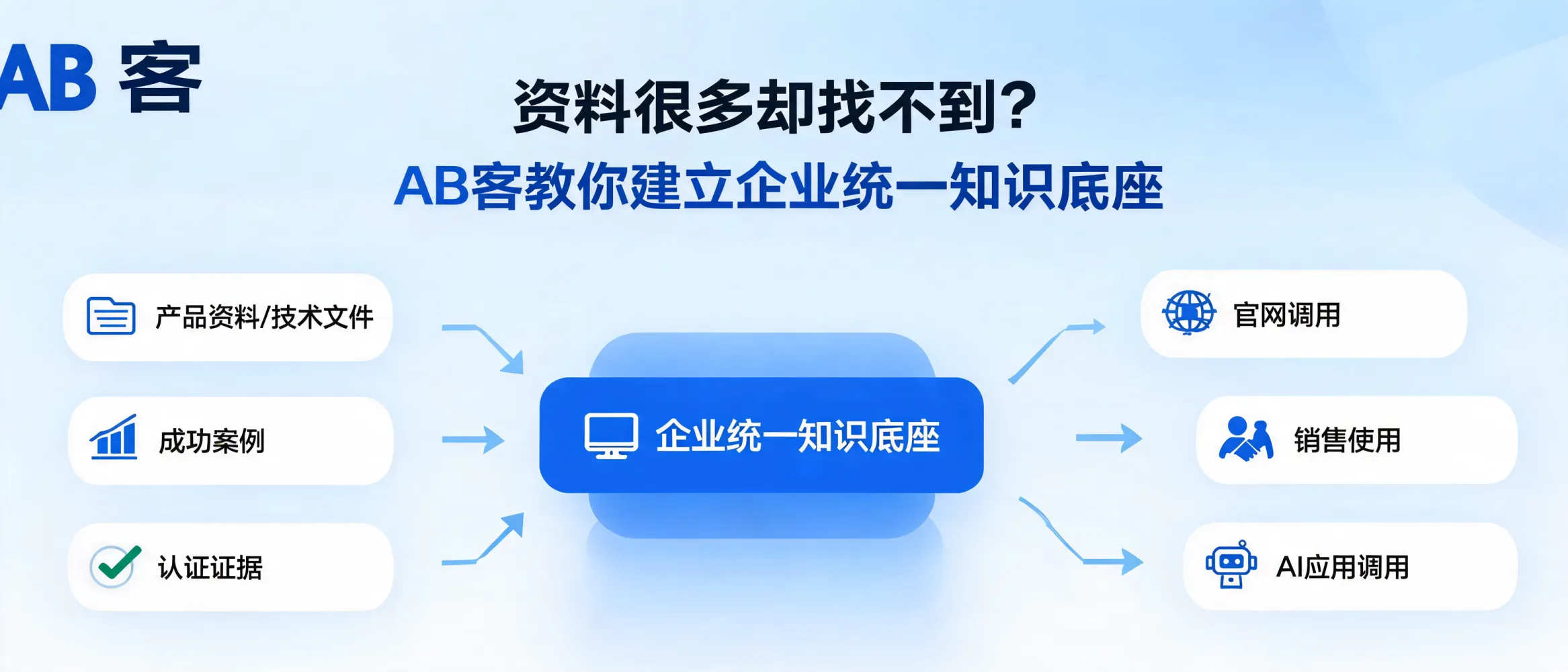
ABKE helps export-oriented manufacturers and industrial B2B companies establish an enterprise entity relationship system through an enterprise knowledge hub. The result is a verified, maintainable source of truth for websites, multilingual content, product materials, sales teams, AI assistants, marketing agents, and GEO optimization.
Why entity relationships need governance
Information is often maintained separately by marketing, sales, product, operations, and regional teams. Over time, this can create conflicting company names, unclear brand ownership, misclassified products, outdated contact details, and inconsistent translations across channels. A customer may struggle to understand who the contracting party is, which brand offers a product, or which location serves a market.
The same issue affects digital systems. Search engines, generative AI platforms, and internal AI tools need clear, consistent facts to identify a business accurately. When legal entities, brands, product lines, models, addresses, and contacts are not connected through defined rules, content can become ambiguous or inaccurate.
When an enterprise entity relationship system is needed
The business uses a legal company name, trading name, external brand, English name, historical name, or one or more sub-brands.
Product lines, series, models, components, accessories, and solutions have overlapping or unclear ownership relationships.
The company manages factories, offices, warehouses, service sites, or market-specific contacts across locations.
Websites, catalogs, platforms, social channels, and sales materials need a consistent identity and product vocabulary across languages.
What the system defines
An enterprise entity relationship system is not simply a list of company names. It is a structured model that defines each key entity, its attributes, its approved naming rules, and its verified relationship to other business information.
| Entity area | Key governance questions | Where it can be used |
|---|---|---|
| Legal companies and brands | Which entity is legal, which name is customer-facing, and how are brands, sub-brands, or business units related? | Corporate pages, legal notices, certifications, sales introductions, structured data |
| Products and models | Which brand, line, series, product, model, component, or solution does each item belong to? | Website navigation, product pages, catalogs, FAQs, quotation support |
| Locations and contacts | What is the function, service scope, market relevance, and publication status of each address or contact? | Contact pages, regional pages, customer communications, channel profiles |
| Markets and languages | Which names, descriptions, contacts, and products are appropriate for each country, language, or channel? | Multilingual sites, international content, sales collateral, AI-assisted communication |
Core building blocks of a reliable relationship model
Standard names, aliases, and unique identifiers
Each important entity should have an approved standard name, relevant aliases, abbreviations, historical names, language equivalents, and—where appropriate—a unique internal identifier. Usage rules should clarify which name belongs in legal documents, public-facing content, internal search, or specific market communications.
Legal entity, brand, and organization mapping
The model distinguishes legal companies, external brands, sub-brands, departments, factories, offices, and service teams. It records confirmed ownership, operational, authorization, or service relationships rather than allowing content teams or AI tools to infer them.
Product hierarchy and ownership rules
Products are governed as relationships, not only as catalog entries. A clear hierarchy can connect product lines, series, products, models, specifications, accessories, and solutions to the correct brand or business entity, applicable markets, industry uses, and current sales or support status.
Evidence, approval, and version control
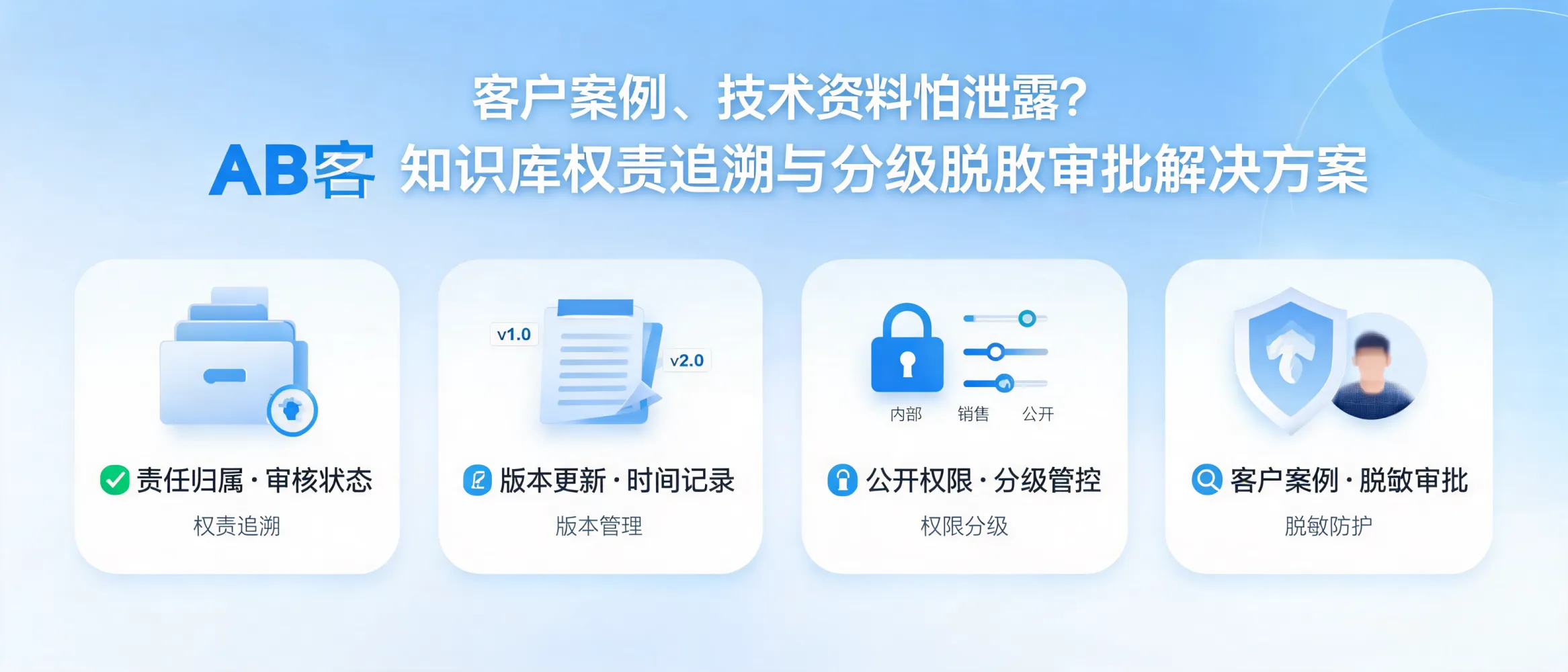
Important facts should be connected to a source, responsible owner, approval status, update date, visibility scope, and version record. This allows a company to update a new address, retired model, brand strategy, or market entry without leaving conflicting information across its global content ecosystem.
A practical implementation path
- Audit current information. Review websites, old sites, catalogs, platform profiles, social channels, sales materials, and internal documents to identify naming conflicts, missing relationships, obsolete records, and translation inconsistencies.
- Create the entity inventory. List confirmed companies, brands, sub-brands, product lines, products, models, locations, contacts, markets, languages, and relevant organizational units.
- Define relationships and status. Establish hierarchy, ownership, applicability, public visibility, and lifecycle status. Unconfirmed or disputed facts should be marked for business-owner review rather than presented as established information.
- Set approved expression rules. Define how names, introductions, product references, locations, and contacts should appear across legal pages, brand pages, product pages, multilingual content, and sales materials.
- Connect the knowledge source to execution. Use approved facts in website structures, content production, FAQ systems, customer communication, CRM workflows, AI assistants, and marketing agents.
- Maintain the system as the business changes. Assign update and review responsibilities so additions, retirements, relocations, and market changes are reflected consistently across relevant channels.
How ABKE supports entity relationship governance
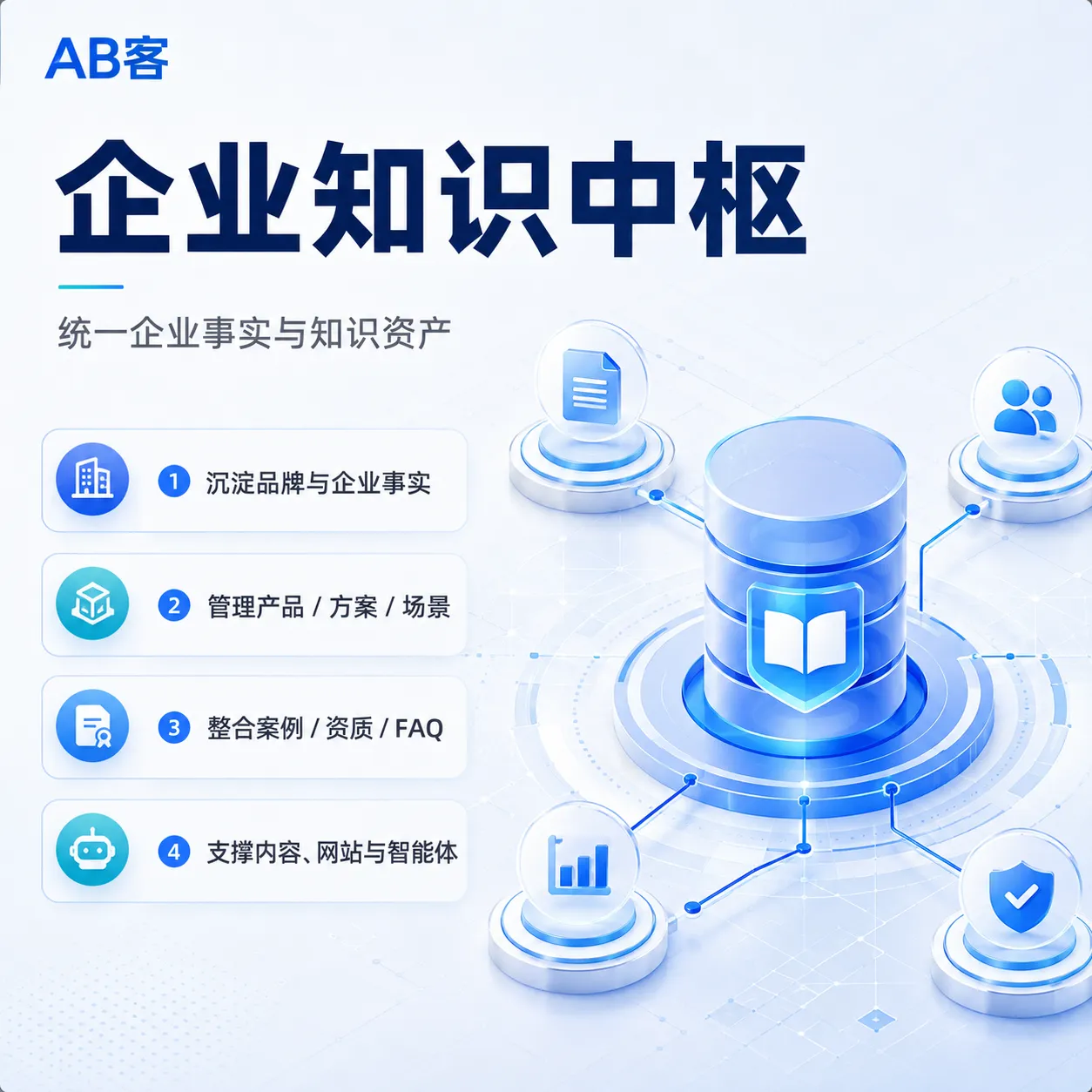
Within ABKE’s enterprise knowledge hub, entity relationship governance is part of the recognition layer of a B2B GEO growth system. It gives the business a fact-based foundation before information is scaled into website pages, product content, multilingual assets, external distribution, or AI-assisted workflows.
- Identify critical entities: map legal companies, brands, product structures, locations, contacts, markets, and languages from enterprise-confirmed materials.
- Build a verified relationship model: clarify the relationship between company and brand, brand and product, product and model, organization and location, and market and language.
- Create reusable standards: establish approved naming, introduction, contact, and publication rules for different pages, channels, and languages.
- Preserve evidence and boundaries: associate key facts with source materials and approval processes while separating public, controlled, sales-only, project-only, and internal information.
- Support ongoing consistency: help approved facts remain available for SEO and GEO websites, product content, sales materials, CRM use, AI sales assistants, and marketing agents.
Why this matters for GEO fact consistency
GEO depends on more than publishing content. For AI systems to understand and accurately describe a business, core facts need to remain consistent across pages, languages, and trusted information sources. A governed enterprise entity relationship system helps reduce ambiguity around who the company is, what its brands represent, which products belong together, and where customers should engage. This creates a more dependable factual base for AI-readable digital identity and long-term global B2B content operations.
Scope and implementation boundary
An entity relationship system should be built from real, reviewable business information. It does not require a company to disclose all internal data publicly, and it does not replace legal, trademark, regulatory, or contractual advice. Businesses can set appropriate access levels for different information types while maintaining one approved factual foundation. Where facts are incomplete, unverified, or under discussion, they should remain clearly controlled until the responsible business owner confirms them.


