.png?x-oss-process=image/resize,m_lfit,w_200/format,webp)



1
Structure Technical Information
Organize real product data into consistent fields such as model, dimensions, material, performance range, interface, environment, options, certification, and delivery-related information.
.png?x-oss-process=image/resize,h_100,m_lfit/format,webp)
 400-076-6558GEO · Get AI Search to Recommend You First
.png?x-oss-process=image/resize,h_2000,m_lfit/format,webp)
.png?x-oss-process=image/resize,h_2000,m_lfit/format,webp)

For export B2B companies with complex product ranges, a website should do more than display model numbers. It should help overseas buyers understand product differences, assess basic fit, and provide the information needed for a meaningful first conversation.
ABKE supports this process through GEO-enabled intelligent website planning that organizes product parameters, model comparisons, compatibility requirements, application conditions, certifications, technical FAQs, and inquiry paths into a structured online knowledge system. The objective is to support initial self-service selection while helping sales and technical teams receive clearer project information.
Industrial equipment, components, electrical products, materials, medical devices, and other technical export products often include many model variations. Products in the same series may differ by size, power, material, interface, voltage, performance level, operating environment, certification requirement, or configuration option.
A buyer viewing only images, model lists, or brief specifications may know what products are available, but not which product is appropriate for a specific project. When selection knowledge is scattered across PDFs, spreadsheets, email threads, and individual experience, the website cannot provide a consistent path from product discovery to informed inquiry.
A product series contains multiple sizes, materials, interfaces, performance grades, or configuration versions.
The suitable model depends on media, temperature, pressure, load, voltage, installation space, equipment type, or operating conditions.
Sales and engineering teams repeatedly send catalogs, drawings, parameter sheets, and basic selection guidance by email.
A selection-oriented website is not built by simply adding more product pages. It creates a connected information path around product, model, parameter, application, compatibility, evidence, and inquiry.
Each page should answer a practical buyer question: What is this product used for? Which parameters matter? How do similar models differ? What equipment or conditions are compatible? What certifications or installation requirements need confirmation? What information should be submitted for further technical review?
| Page or Module | Primary Role | Buyer Questions It Can Address |
|---|---|---|
| Product category and series pages | Introduce product groups, main use cases, and key selection dimensions. | Which series is relevant to my application or operating condition? |
| Model detail pages | Present confirmed specifications, configurations, application limits, and supporting materials. | What are the specifications, options, requirements, and applicable conditions for this model? |
| Model comparison and selection guides | Explain meaningful model differences and selection boundaries using consistent fields. | Which option better fits my material, space, performance, or installation requirement? |
| Application and process pages | Connect product capabilities with industries, equipment, processes, and project contexts. | Why may this product be relevant to my production line, equipment, or project? |
| Compatibility, certification, and FAQ content | Clarify common technical concerns, prerequisites, and items requiring confirmation. | Is it compatible? Which standards apply? What should be checked before installation or purchase? |
Organize real product data into consistent fields such as model, dimensions, material, performance range, interface, environment, options, certification, and delivery-related information.
Link product pages with application guidance, process explanations, compatible equipment, related components, and relevant technical FAQs.
Use clear comparison logic and selection guidance to help buyers narrow options before requesting detailed engineering confirmation.
Align forms and consultation prompts with the page context, so buyers can provide model, application, quantity, technical conditions, certification needs, or drawings.
A generic contact form captures contact details but often leaves key project variables unknown. On product detail, comparison, and application pages, inquiry fields can be designed around the buyer's current decision stage.
This information does not replace formal technical evaluation. It gives sales and technical teams a more useful starting point for responding, preparing documentation, and determining the next communication step.
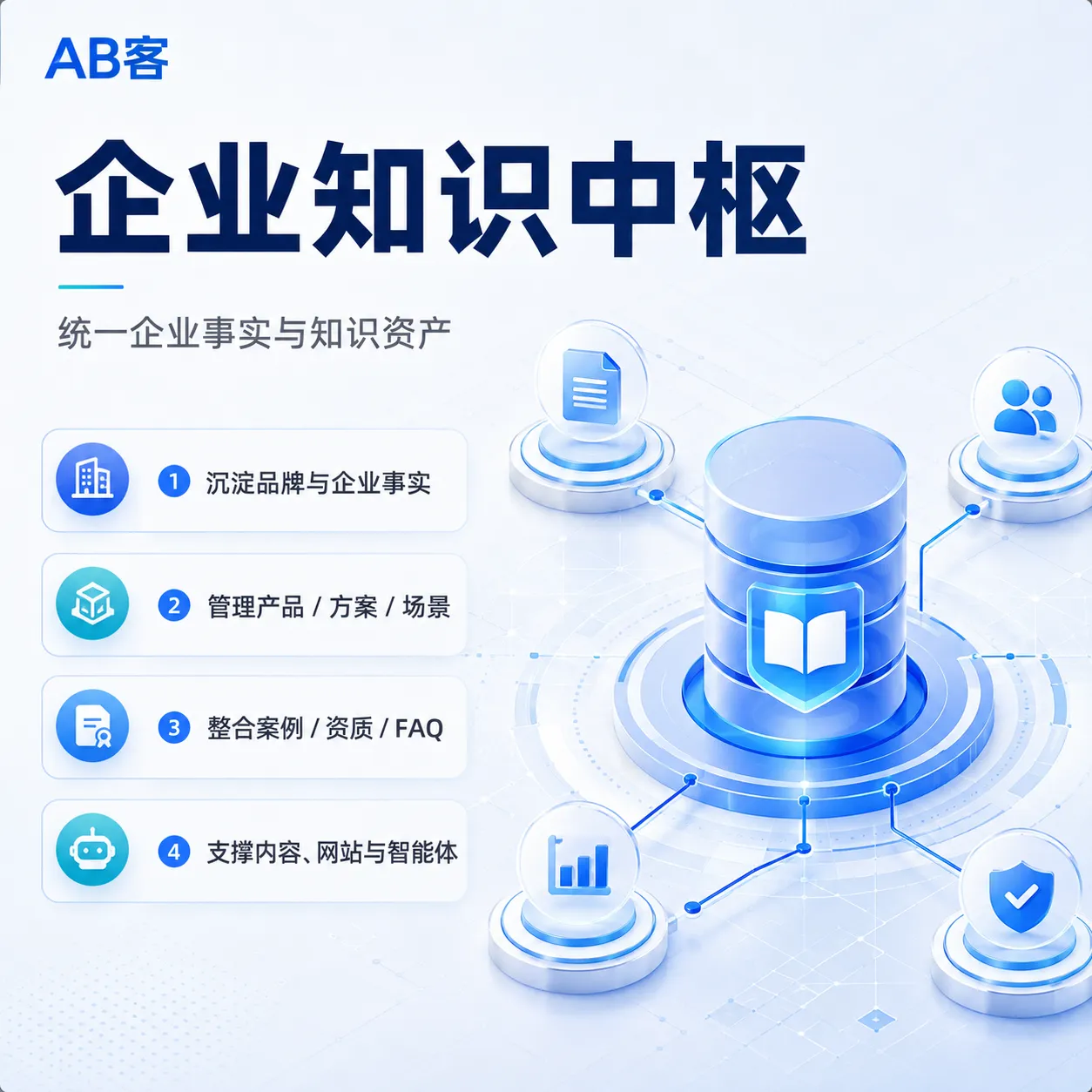
When product data, selection rules, compatibility explanations, application guidance, and technical FAQs are organized into a connected website structure, they become more than individual web pages. They form reusable product knowledge that can support sales materials, email communication, multilingual content, industry pages, training resources, and AI-assisted marketing workflows.
For search engines and generative AI systems, clear page hierarchy, consistent product entities, explicit technical conditions, and meaningful internal links provide a stronger basis for understanding the relationship between products, models, applications, and requirements. This can support website discoverability and AI readability, but it does not guarantee indexing, citation, recommendation, inquiry volume, or commercial outcomes.
ABKE helps export B2B companies establish the website foundation for self-service product discovery, structured model comparison, and more informed inquiry capture. For complex or customized projects, final product selection should remain subject to actual operating conditions, technical review, sample testing, engineering design, contract review, and applicable compliance requirements.


Simply fill in the necessary information. AB Consulting will assess your company's current situation to determine the most suitable diagnostics, products, or industry-specific solutions.
Fill in these 3 information items to immediately receive the "Foreign Trade B2B GEO Strategy Understanding White Paper".