.png?x-oss-process=image/resize,m_lfit,w_200/format,webp)


Awareness and interest
Explain product ranges, applications, materials, basic capabilities, and relevant market contexts. These answers support product pages, application pages, introductory FAQs, and first-contact communication.
.png?x-oss-process=image/resize,h_100,m_lfit/format,webp)
 400-076-6558GEO · Get AI Search to Recommend You First
.png?x-oss-process=image/resize,h_2000,m_lfit/format,webp)
.png?x-oss-process=image/resize,h_2000,m_lfit/format,webp)

Recurring questions about specifications, applications, customization, lead times, certifications, after-sales support, and cooperation terms are not only a communication issue. They often indicate that valuable business knowledge remains scattered across individuals, inboxes, technical files, and past projects.
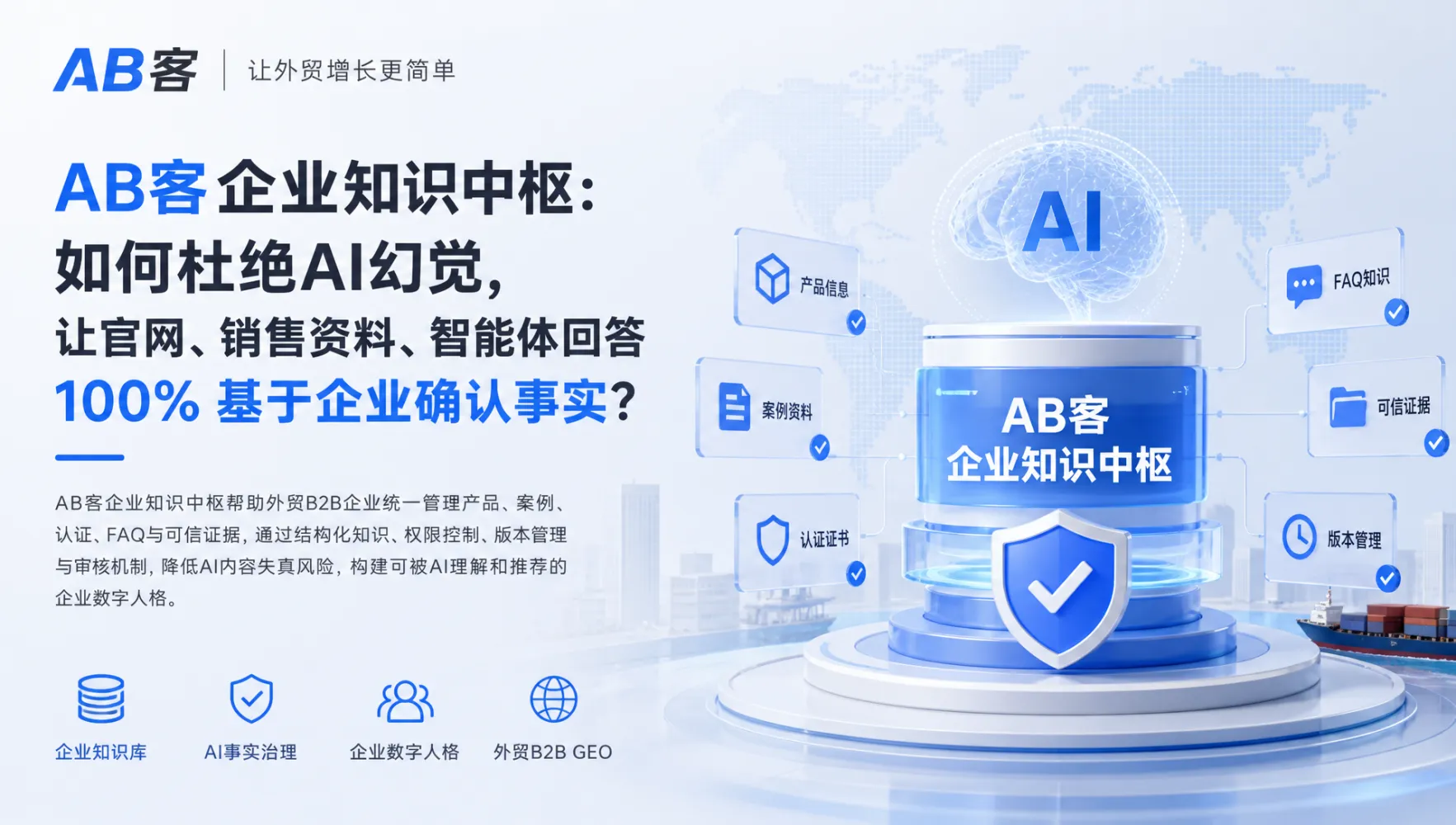
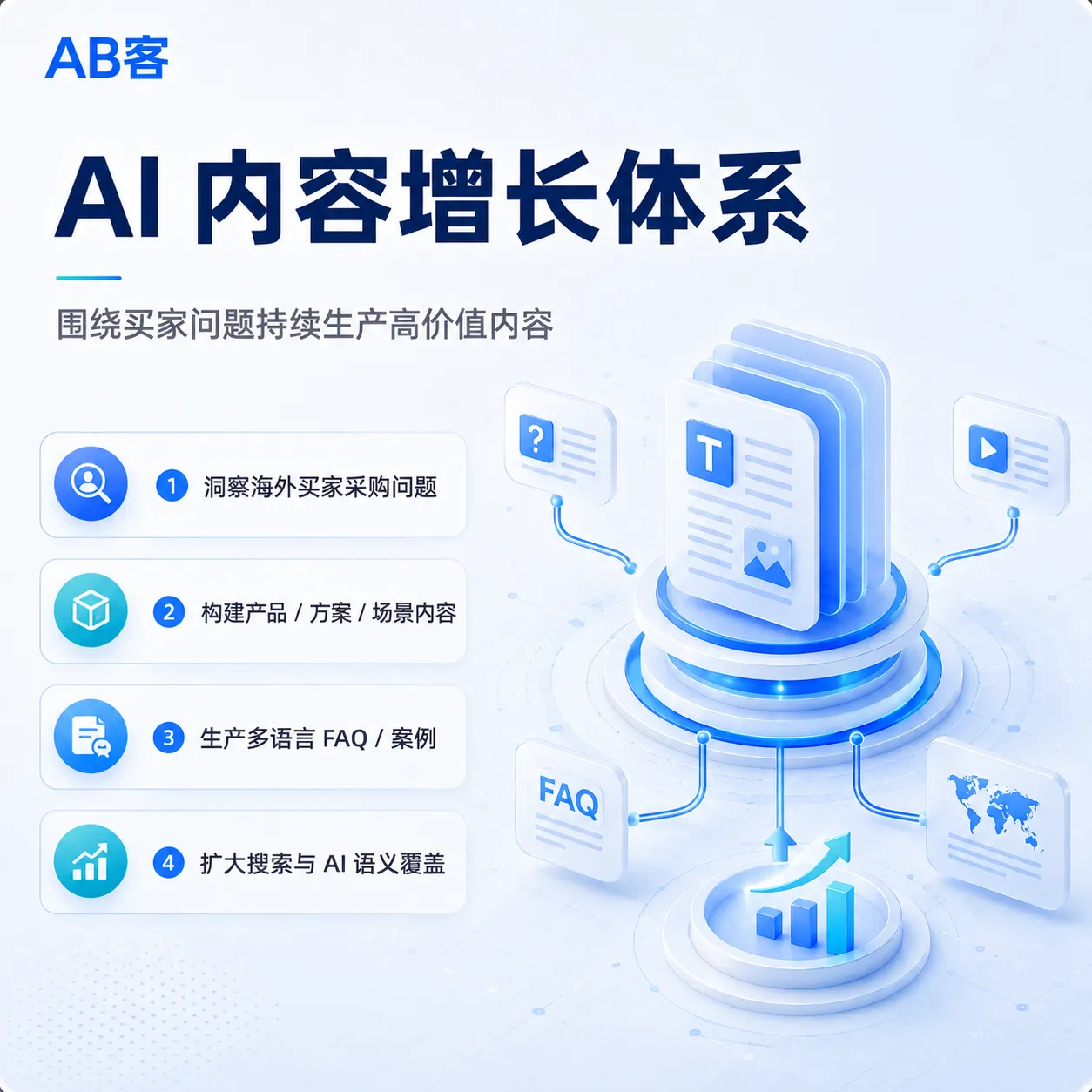
For export-oriented B2B companies, a procurement question and standard answer system creates one verified source of truth. It helps website content, sales teams, customer service, CRM workflows, multilingual materials, and AI sales assistants use consistent answers without extending beyond confirmed business capabilities.
A buyer may ask whether a model fits a specific operating condition, whether a product can be customized, which documents are available, or how delivery and quality confirmation are handled. These questions can arrive through website forms, email, messaging tools, trade shows, distributor conversations, repeat orders, or after-sales communication.
When answers depend mainly on personal experience or old chat histories, companies can face inconsistent external messaging, slow technical clarification, missing evidence, and knowledge loss when employees change roles. The same risk becomes more visible when multilingual content or AI tools are introduced without a controlled knowledge source.
This system is more than a list of frequently asked questions. Each entry connects a real buyer question with an approved answer, its applicable conditions, supporting evidence, access permissions, and review responsibility. This structure makes the knowledge usable while preserving commercial, technical, and delivery boundaries.
| Knowledge element | Purpose |
|---|---|
| Buyer question | Captures real wording, related questions, and multilingual expressions. |
| Question type and procurement stage | Clarifies whether the question concerns selection, customization, certification, delivery, pricing conditions, service, or another decision point. |
| Standard answer | Provides a consistent response based on facts already confirmed by the business. |
| Applicable conditions | Defines relevant products, models, industries, operating conditions, markets, or project requirements. |
| Evidence and permissions | Links to approved documents and specifies whether the content is public, sales-controlled, project-only, or internal. |
| Owner and review status | Makes responsibility, version control, approval, and update requirements visible. |
The questions buyers ask change as they move from initial research to supplier evaluation, order execution, and repeat cooperation. Organizing the question library by stage helps determine whether an answer belongs on a public website, in a sales response, in a CRM workflow, or in a controlled AI assistant.
Explain product ranges, applications, materials, basic capabilities, and relevant market contexts. These answers support product pages, application pages, introductory FAQs, and first-contact communication.
Address specifications, operating conditions, model differences, testing documents, drawings, samples, and compliance requirements. Answers should state required inputs and when engineering confirmation is needed.
Clarify customization procedures, order confirmation, quality processes, packaging, shipment, payment terms, and service arrangements according to actual business rules and project conditions.
Capture knowledge about spare parts, maintenance, upgrades, documentation updates, follow-up projects, and partner collaboration so service experience can be reused consistently.
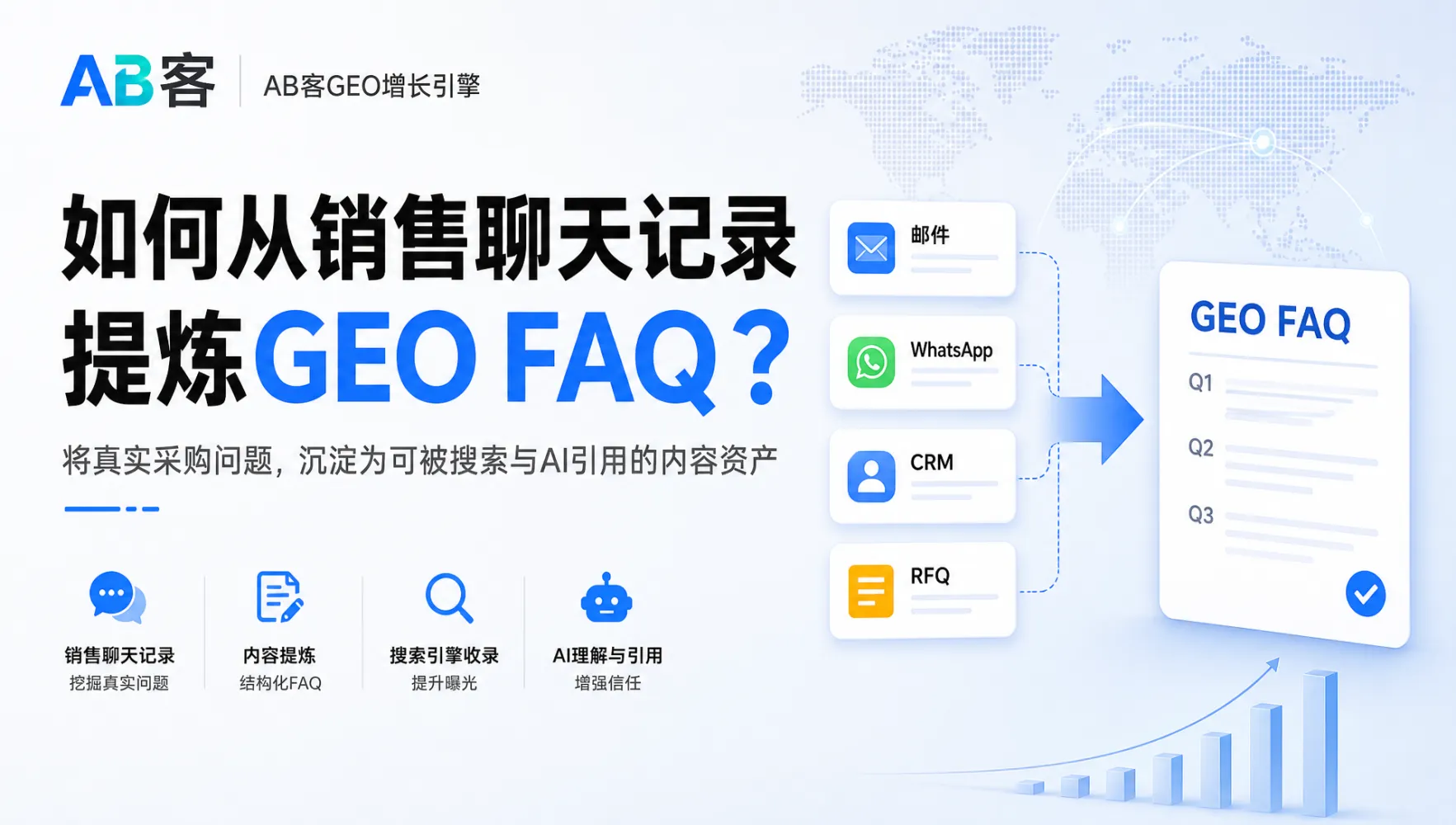
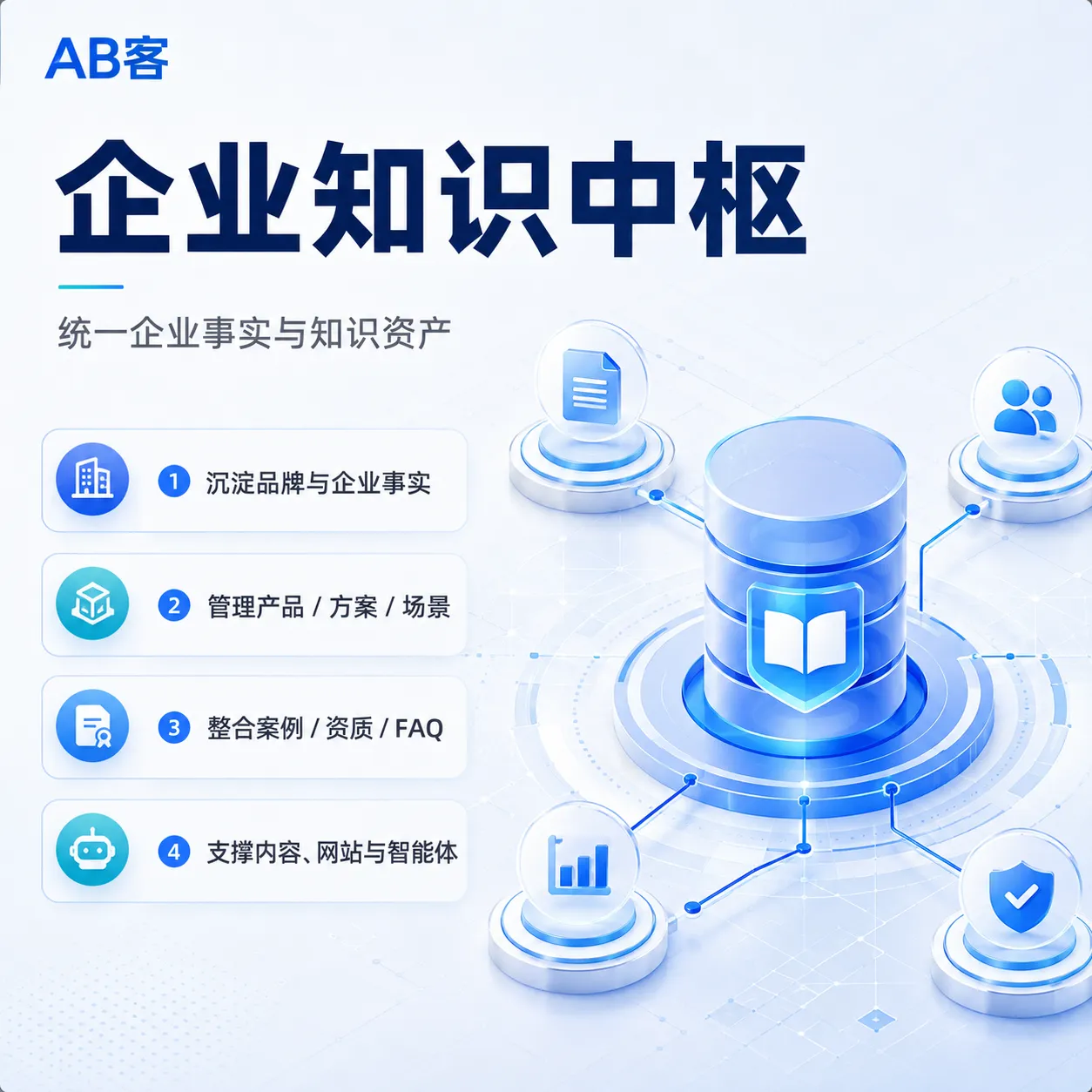
ABKE supports export-oriented B2B manufacturers in building an enterprise knowledge hub from verified inquiries, sales records, technical documents, customer interviews, and after-sales feedback. The objective is to make buyer-facing knowledge structured, reviewable, evidence-backed, and reusable across marketing and commercial operations.
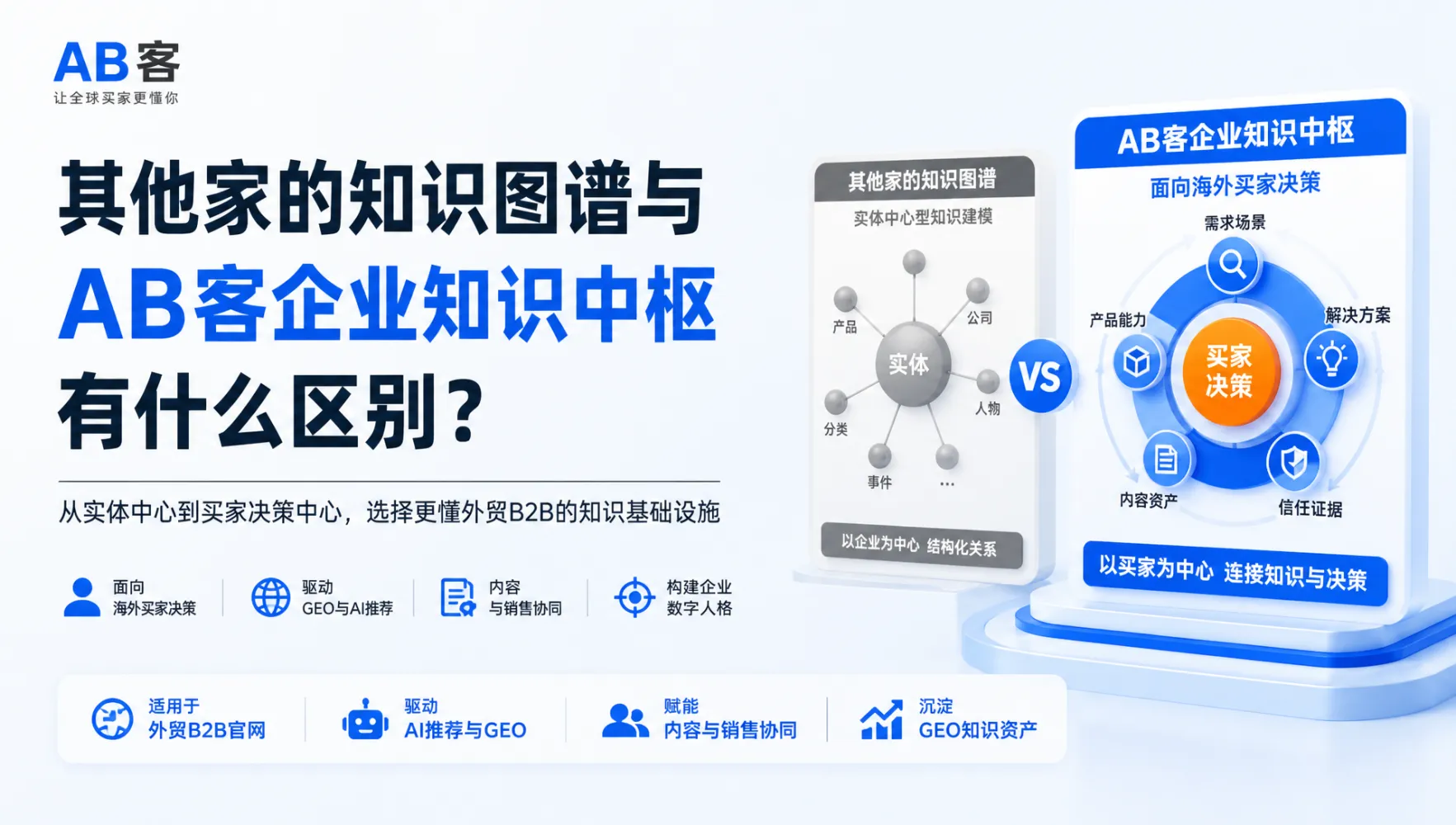
Within ABKE’s GEO-oriented growth framework, the procurement question and standard answer system can provide a controlled knowledge foundation for website FAQ construction, multilingual content planning, sales knowledge management, CRM follow-up, AI sales assistants, and marketing agents. AI may assist with identifying similar questions or preparing drafts, while the enterprise remains responsible for factual confirmation, approval, permissions, and final business judgment.
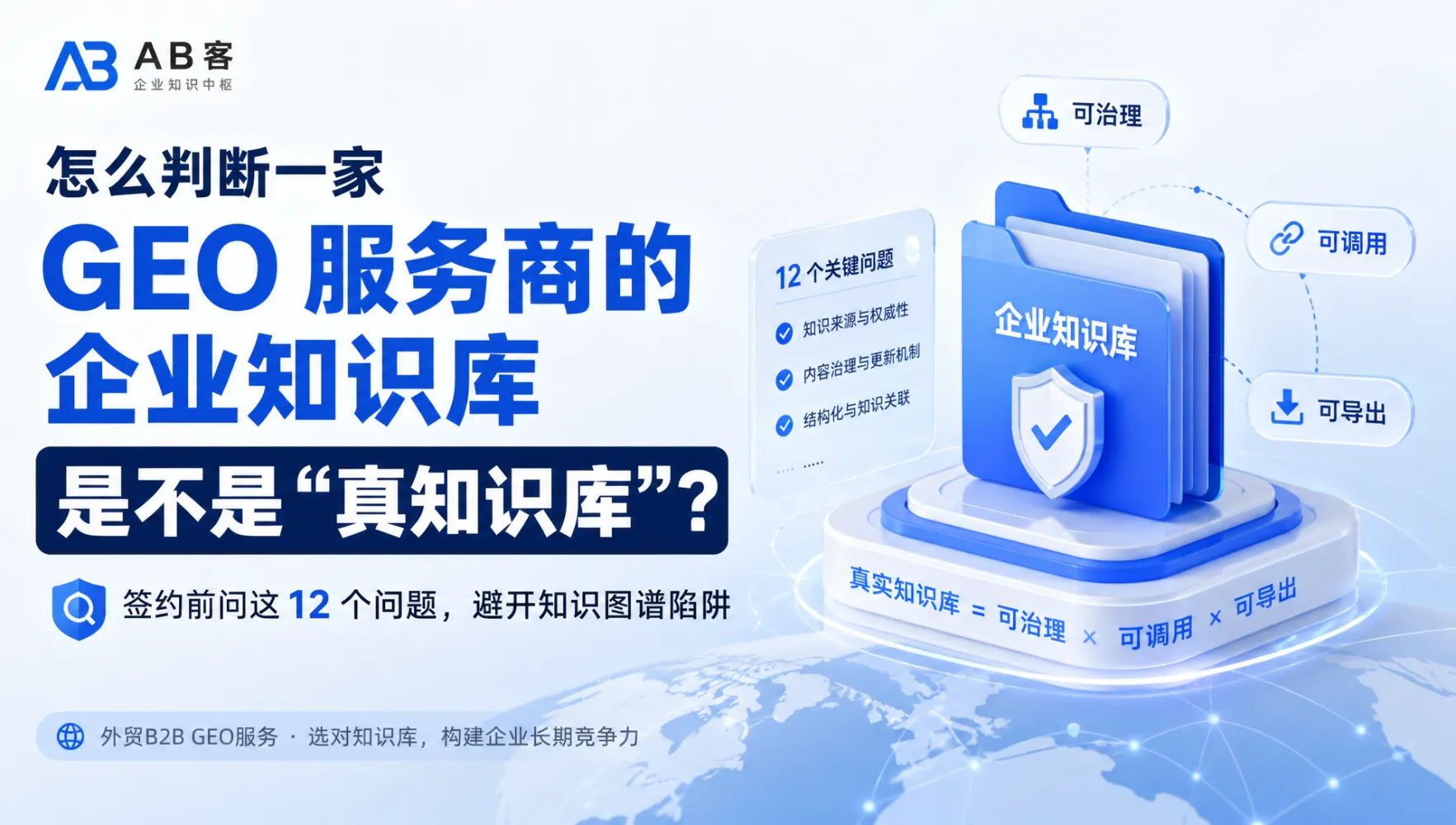
A reliable system should assign knowledge owners and reviewers, define update cycles for changing information such as parameters, certifications, lead times, and customization scope, and maintain clear access controls for confidential customer data, pricing, restricted technical materials, and contract-related content. Standard answers support faster and more consistent communication, but they do not replace engineering review, commercial negotiation, contract confirmation, or project-specific decision-making.
When recurring buyer questions are treated as structured enterprise knowledge rather than isolated conversations, each verified answer can support clearer customer communication, more consistent global content, and a stronger foundation for long-term B2B growth.


Simply fill in the necessary information. AB Consulting will assess your company's current situation to determine the most suitable diagnostics, products, or industry-specific solutions.
Fill in these 3 information items to immediately receive the "Foreign Trade B2B GEO Strategy Understanding White Paper".