Hot Products





Popular articles
2025古尔邦节/宰牲节最新最全祝福语,让穆斯林客户记住你!
(2025年更新版)全球120个跨境电商平台大汇总,附入驻要求、注册门槛和适合品类!
A complete guide to Eid al-Adha 2025: dates, countries, blessing techniques and taboos that foreign traders must know!
2025 Foreign Trade Business Full Process Standard SOP Script White Paper, everyone should get a copy now!
2025 latest! Detailed explanation of the customs declaration process in import and export trade, just save this one!
The customer said the price was too expensive. Here are 8 ways to easily deal with it, including high EQ sales talk and cases!
The Sino-US trade war escalates: in-depth analysis of the affected domestic industries and the response strategies of Chinese companies!
A summary of the blood and tears of foreign trade newcomers: a complete guide to developing customer channels for free and paid (professional test of the path to explosive sales)
Recommended Reading







Shocking case! What to do if the customer disappears after the after-sales problem is solved?
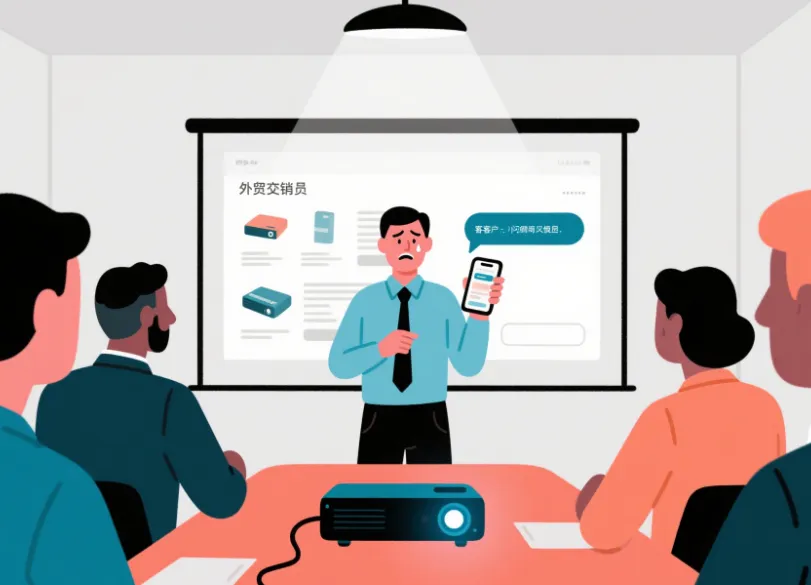
This article focuses on the tricky situation in international trade after-sales scenarios where customers suddenly disappear after the problem is solved. Through real cases, we extract practical solutions to prevent customer loss.

In the competitive world of global B2B trade , after-sales service is critical and can make or break long-term relationships. But what if your team has painstakingly resolved an issue, but suddenly can’t reach the customer? This perplexing situation is more common than you think, and requires strategic action beyond routine follow-up.
Case: Silence after after-sales problem is solved
A mid-sized electronics exporter recently faced a thorny dilemma. After resolving a quality defect and providing a comprehensive test report and corrective actions, the purchasing manager of a major European retailer stopped responding to calls and emails. No feedback, no acknowledgment, no sign of any dispute – just silence. This outage not only had the potential to lose a valuable customer, but also damage the company’s reputation in the market.
Understand the root causes of customer silence
Before jumping to conclusions, it’s important to understand why your customers remain silent despite your efforts:
-
Implicit dissatisfaction: Customers may implicitly distrust the solution and feel that their concerns are not adequately addressed.
-
Disputes over responsibilities: Unclear responsibilities may lead to hesitation to further participate.
-
Damaged confidence: Persistent doubts about product reliability or service quality can undermine motivation for ongoing communication.
Four-step ice-breaking strategy
To break the silence and rebuild strong relationships, implement this proven strategy that combines transparency, empathy, and structured follow-up:
1. Results Visualization and Review
Share detailed before-and-after data with your customers, including quality test results and performance reports. This transparency will reduce perception bias and demonstrate tangible improvements from your post-sales interventions.
2. Dialogue on shared responsibility
Frame the communication around shared interests: Emphasize how both parties can work together to minimize losses and maximize long-term benefits. Phrases such as “ We work together to protect our business ecosystem ” can enhance trust and defuse mutual blame.
3. Tiered compensation plan
We offer a variety of compensation packages, from basic extended warranties to value-added services such as fast support or dedicated training courses, to tailor your compensation package. This flexibility meets different expectations and demonstrates your dedication to the profession.
4. Cycle-based follow-up model
Execute a systematic follow-up plan: begin rebuilding the relationship 3 days after resolving the issue, offer an upgraded solution on day 7, and share success stories on day 15. This layered engagement keeps your presence consistent and non-intrusive.

Enhanced credibility: third-party endorsement mechanism
Integrating independent verification can go a long way in boosting customer confidence. You can conduct industry-recognized quality checks and provide real testimonials from long-term satisfied customers to strengthen your credibility. Recent studies have shown that companies that display verified endorsements have a 25% higher customer retention rate .
Putting theory into practice: global best practices
Leading exporters using intelligent CRM platforms and AI decision engines report smoother conflict resolution and higher customer response rates. For example, a global machinery supplier reduced silent responses after issues by 40% by using scripted shared responsibility conversations and visual data summaries.
Conclusion: Turn silence into opportunity
The silence after a post-sales issue is resolved signals a critical turning point. By systematically diagnosing the root cause, visually presenting the results, engaging in candid conversations about shared responsibility, and deploying a structured follow-up plan, B2B exporters can maintain and even strengthen their global partnerships.
Ready to rebuild your customer relationships?
Leverage the power of AB Customer combined with an advanced AI decision engine to proactively monitor customer sentiment, automate shared responsibility communications, and provide personalized tiered compensation workflows. Empower your sales and service teams with data-driven insights to ensure faster re-engagement with customers and achieve sustainable contract renewals.
Request a free demo now


