.png?x-oss-process=image/resize,h_100,m_lfit/format,webp)

.png?x-oss-process=image/resize,m_lfit,w_200/format,webp)

Hot Products
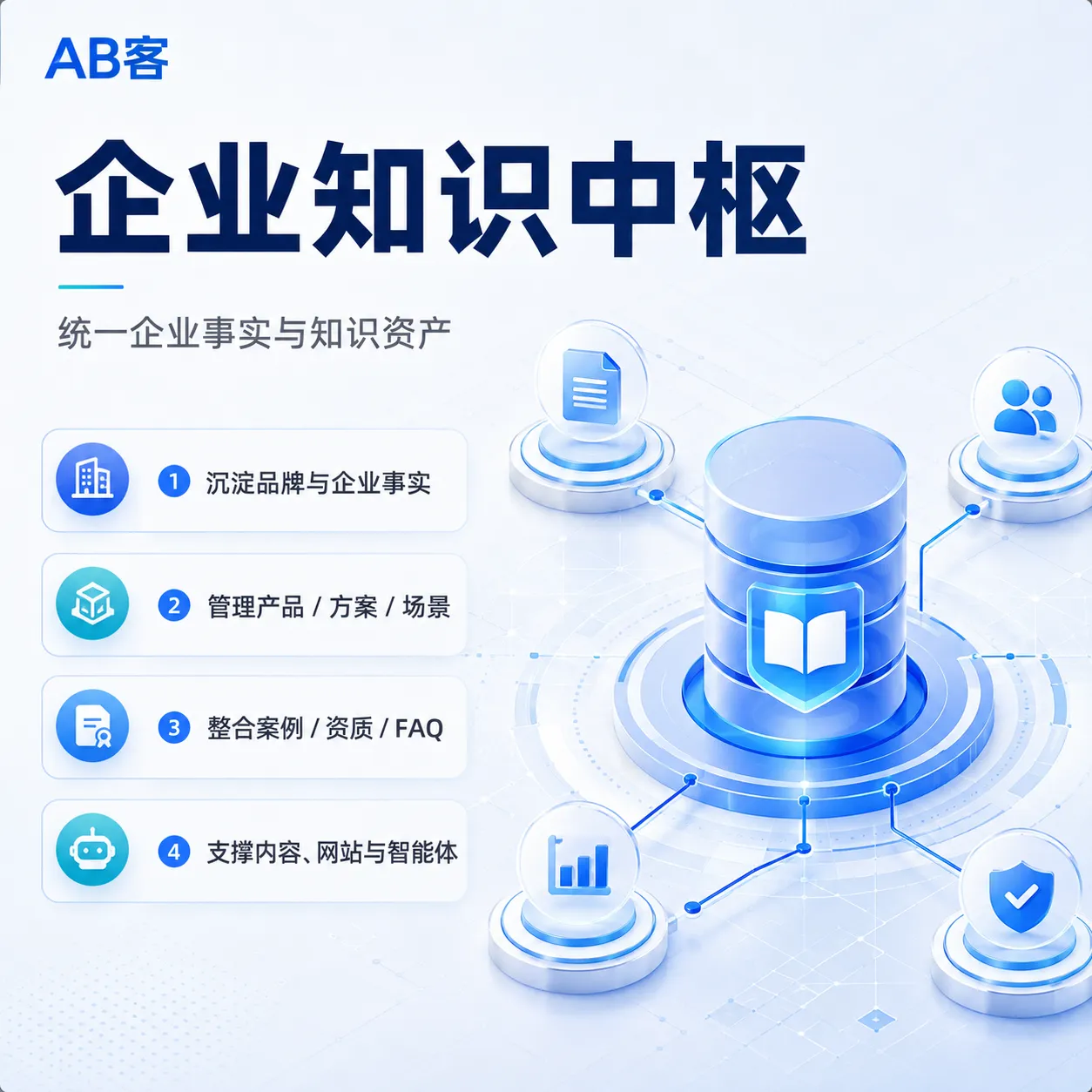

.png?x-oss-process=image/resize,h_2000,m_lfit/format,webp)
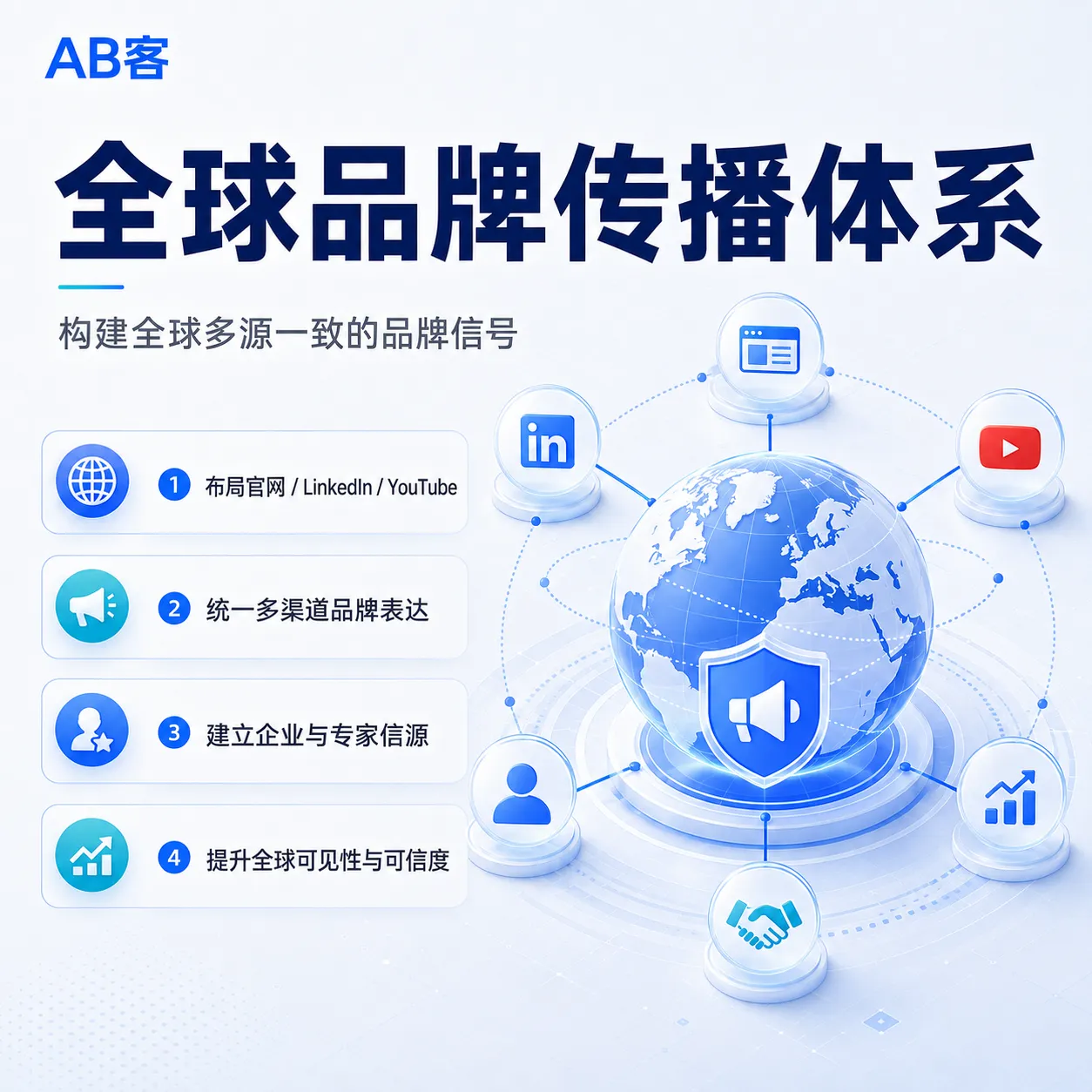
.png?x-oss-process=image/resize,h_2000,m_lfit/format,webp)

Popular articles
How to Extract GEO FAQs from Sales Chat Records: A Practical SOP for Export B2B Companies
How to Tell Whether a GEO Provider’s Enterprise Knowledge Base Is Real: 12 Questions to Ask Before Signing
Competitors Offer GEO at Half the Price and Guarantee Inquiries? Why Low-Cost GEO Can Cost More
Your Company Is Capable—But Can You Clearly Prove Why Buyers Should Trust You?
How an Industrial Equipment Exporter Built a Unified Enterprise Knowledge Hub
Recommended Reading

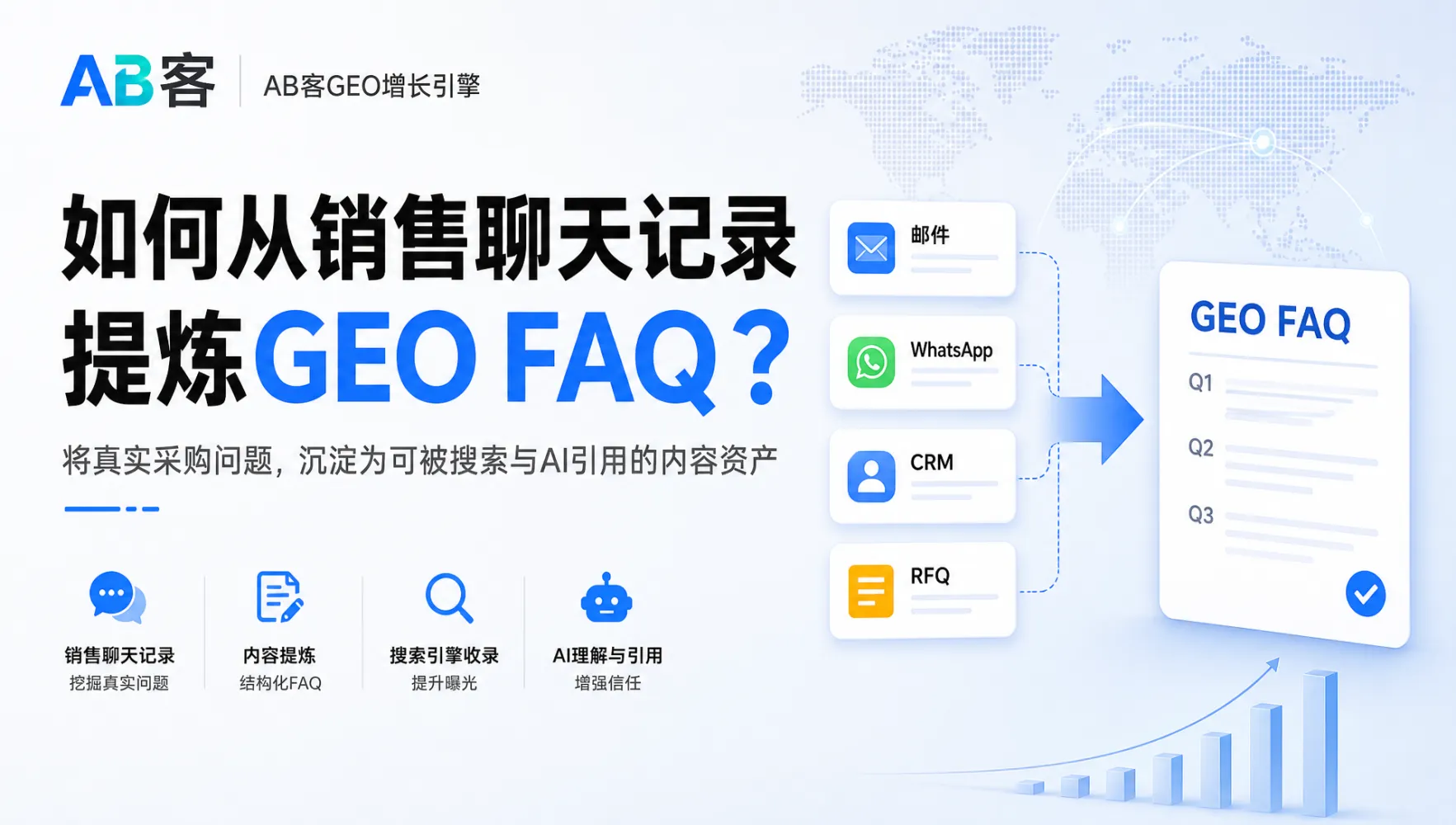

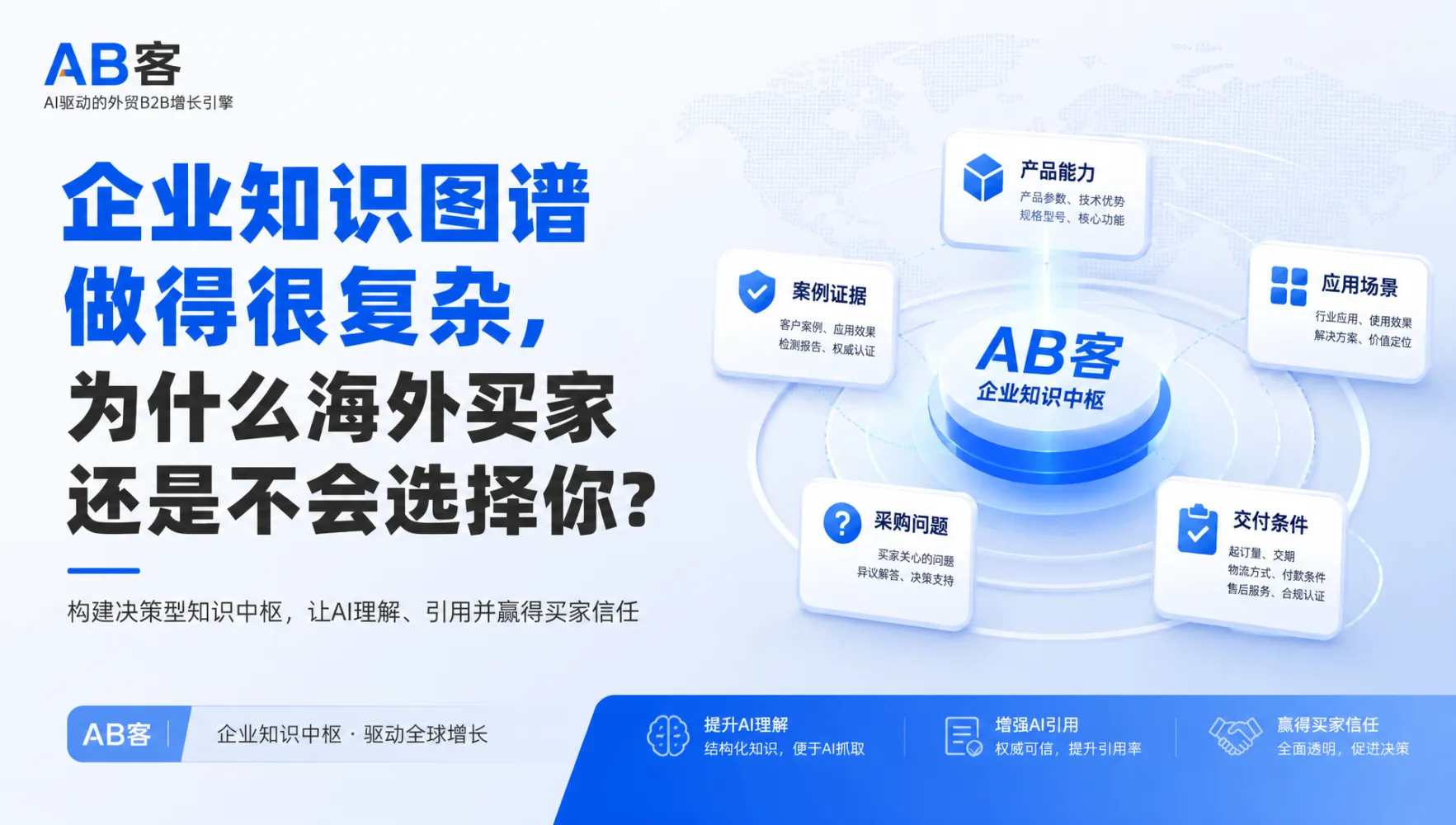
Case Breakdown: How a Stainless Steel Export Factory Built an Evidence-Driven Global Lead Generation System Through an Enterprise Knowledge Hub
ABKE analyzes how a stainless steel OEM/ODM export factory serving North America and Australia structured product data, certifications, project records and multilingual specifications into an evidence-driven enterprise knowledge hub.
For export-oriented OEM/ODM manufacturers, product capability alone is not always enough to support supplier evaluation. Overseas buyers often need to understand the materials, processes, quality controls, project relevance and delivery conditions behind a capability claim. When these facts are scattered across folders, historical quotations, department records and legacy website content, sales responses become slower and external communication can become inconsistent.
This case breakdown examines how a stainless steel export factory serving North American and Australian markets used an enterprise knowledge hub to organize verified manufacturing facts into a traceable, reusable foundation for website content, sales support, multilingual communication and controlled AI knowledge retrieval.
The Starting Point: Strong Capabilities, Fragmented Proof
The manufacturer provides stainless steel OEM/ODM product development, process coordination, production and project delivery. Its business serves buyers in North America and Australia, where supplier selection often depends on more than product images or general factory introductions. Buyers may need to verify material specifications, surface treatments, dimensional tolerances, test requirements, quality documentation and the relevance of previous project experience.
Over time, the factory had accumulated product specifications, process information, test reports, certifications, project records and customer feedback. However, the information was distributed across sales teams, quality files, previous quotation documents, local folders, old website pages and internal communications. The company needed a way to turn these scattered records into a consistent enterprise knowledge asset without making unsupported claims or exposing information that should remain controlled.
Key Challenges in Global B2B Communication
Capability claims lacked connected evidence
Manufacturing capabilities could be mentioned in one document, while test reports remained with the quality team and related project records were maintained separately by sales. It was difficult to quickly create a complete explanation linking a capability claim, its proof and its applicable conditions.
Multilingual specifications carried inconsistency risk
English product descriptions, custom requirements and parameter references had previously been maintained by different people. Variations in terminology, units, scope and process descriptions could increase interpretation and quotation-confirmation risks.
Sales and AI tools did not share a verified source
For custom inquiries, teams had to search multiple files for relevant parameters, certificates, project references and technical explanations. Without an approved knowledge source, AI assistants could also produce generic, incomplete or out-of-scope responses.
Overseas project experience was not reusable
Project records were retained as separate delivery files or customer communications rather than searchable assets organized by product, process, application, target market and buyer concern.
The Knowledge Hub Approach: One Fact Base for Multiple Business Uses
ABKE supported the factory in treating the enterprise knowledge hub as more than a shared file repository. The hub became a structured knowledge foundation for external website communication, sales enablement, multilingual content production and AI marketing agent workflows.
The goal was to build an OEM/ODM manufacturing knowledge base in which key product capabilities, parameters and external claims could be reviewed, traced to their sources and reused according to defined access boundaries.
How the Enterprise Knowledge Hub Was Built
1. Inventorying core manufacturing knowledge
The project began with a review of information that could support external communication, sales enablement and internal collaboration. Business owners and reviewers were involved in confirming critical facts, disclosure scope and case authorization status.
- Stainless steel product lines, models, materials, specifications and customization scope
- Production processes, surface treatments, quality-control procedures and testing workflows
- Test reports, certification documents and related quality evidence
- Overseas project records, customer requirements, delivery details and application contexts
- Authorized customer testimonials, evaluations or project feedback
- Frequently asked OEM/ODM questions on sampling, minimum order quantities, specification confirmation, quality requirements and delivery coordination
- English terminology, unit conventions and parameter standards relevant to North American and Australian markets
2. Creating a product capability evidence chain
Instead of relying solely on broad factory-strength statements, the manufacturer broke capability information into structured knowledge units. A product or customization capability could be connected with relevant material parameters, manufacturing processes, inspection requirements and intended applications. Quality-related statements could be associated with test reports, certification files or internal quality records. Authorized project information could be linked with product type, target market, buyer requirements and approved delivery details.
This created a clearer path from what the factory can do to the evidence supporting it and the conditions under which it applies.
3. Standardizing multilingual product parameter management
The factory established standardized rules for product parameters and terminology. Product specifications, units, material names, process terms, testing descriptions and customization boundaries were brought into a unified maintenance process. Where expressions differed by market or language, the relevant country, language version and update status could be retained with the knowledge record.
4. Converting overseas projects into reusable assets
Existing project experience was reorganized into structured case assets. Within the applicable authorization scope, records could include the project background, product type, customization requirements, process focus, quality requirements, delivery content, target market and available evidence materials. These assets could then support website case content, application pages, product-page proof points, sales follow-up materials, FAQs and controlled AI knowledge retrieval.
A Shared Source for Website, Sales and AI Marketing Agents
Once the knowledge hub was in use, sales personnel could search reviewed information by product, process, application, market and buyer question. This made it easier to assemble relevant specifications, technical explanations, quality documents and approved project evidence before preparing a quotation.
The same verified source also established clearer constraints for AI marketing agents and AI sales assistants. When preparing product introductions, inquiry-response drafts, FAQ content or content topics, AI workflows could prioritize approved parameters, project materials and documented capability boundaries rather than relying on unverified generalizations.
| Business Scenario | How the Knowledge Hub Supports It |
|---|---|
| Website content | Supports clearer product, application and capability pages with evidence-based explanations. |
| Custom OEM/ODM inquiries | Helps sales combine applicable parameters, process information, quality evidence and relevant project materials more efficiently. |
| Multilingual communication | Provides approved terminology, units and product descriptions across website, quotation and email touchpoints. |
| AI-enabled workflows | Enables controlled retrieval from reviewed knowledge sources for content and sales-support tasks. |
Stage Results: Faster Verification and More Consistent Communication
After implementation, the factory observed practical improvements in quotation support, multilingual information management and website lead handling.
The website also gained a stronger foundation for presenting product capabilities, application contexts and credible supporting information. This gave visitors more complete information before they decided to submit an inquiry, contributing to improved website lead-conversion efficiency.
Why Evidence-Based Knowledge Matters for Export Manufacturers
For a stainless steel export factory, an enterprise knowledge hub is not only a document-management improvement. It helps turn manufacturing experience into a more durable digital asset that can be verified, communicated and reused across global B2B touchpoints.
When product claims, process information, quality documents and project records are connected in a structured way, the company can communicate more consistently across its website, product pages, sales materials and customer conversations. It can also give overseas procurement teams clearer support when they are assessing supplier fit, while maintaining appropriate boundaries around confidential or sales-stage information.
Practical Considerations for OEM/ODM Manufacturers
- Confirm facts before scaling content. Product capabilities, specifications, certifications and project references should have clear sources and review mechanisms.
- Connect claims to evidence. Manufacturing, quality and customization statements should be associated with relevant parameters, reports, records or authorized materials whenever possible.
- Manage multilingual expression centrally. Terminology, units, specifications and applicability boundaries need consistent standards across export markets.
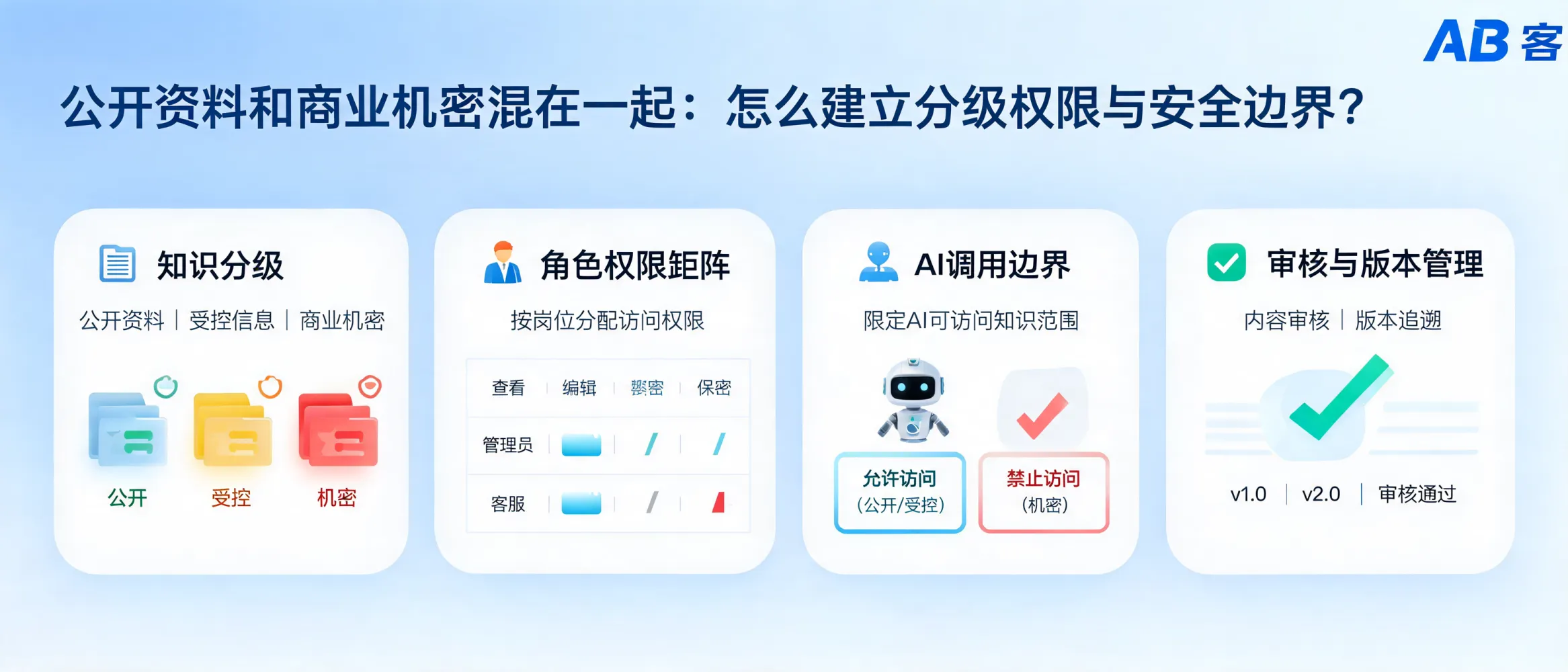
- Separate public and controlled information. Not every technical or commercial record belongs on a public website; permissions should reflect website, sales, project and internal-use needs.
- Give AI approved knowledge to work from. AI can assist with content production and sales support, but its output should remain grounded in verified enterprise facts and defined capability boundaries.
ABKE perspective: A credible global lead generation system starts with a credible source of truth. For OEM/ODM manufacturers, structured enterprise knowledge can connect real factory capabilities with website communication, sales materials, multilingual content and AI-assisted workflows—while keeping evidence, authorization and capability boundaries visible.


