.png?x-oss-process=image/resize,h_100,m_lfit/format,webp)

.png?x-oss-process=image/resize,m_lfit,w_200/format,webp)

Hot Products
.png?x-oss-process=image/resize,h_2000,m_lfit/format,webp)
.png?x-oss-process=image/resize,h_2000,m_lfit/format,webp)

Popular articles
How to Extract GEO FAQs from Sales Chat Records: A Practical SOP for Export B2B Companies
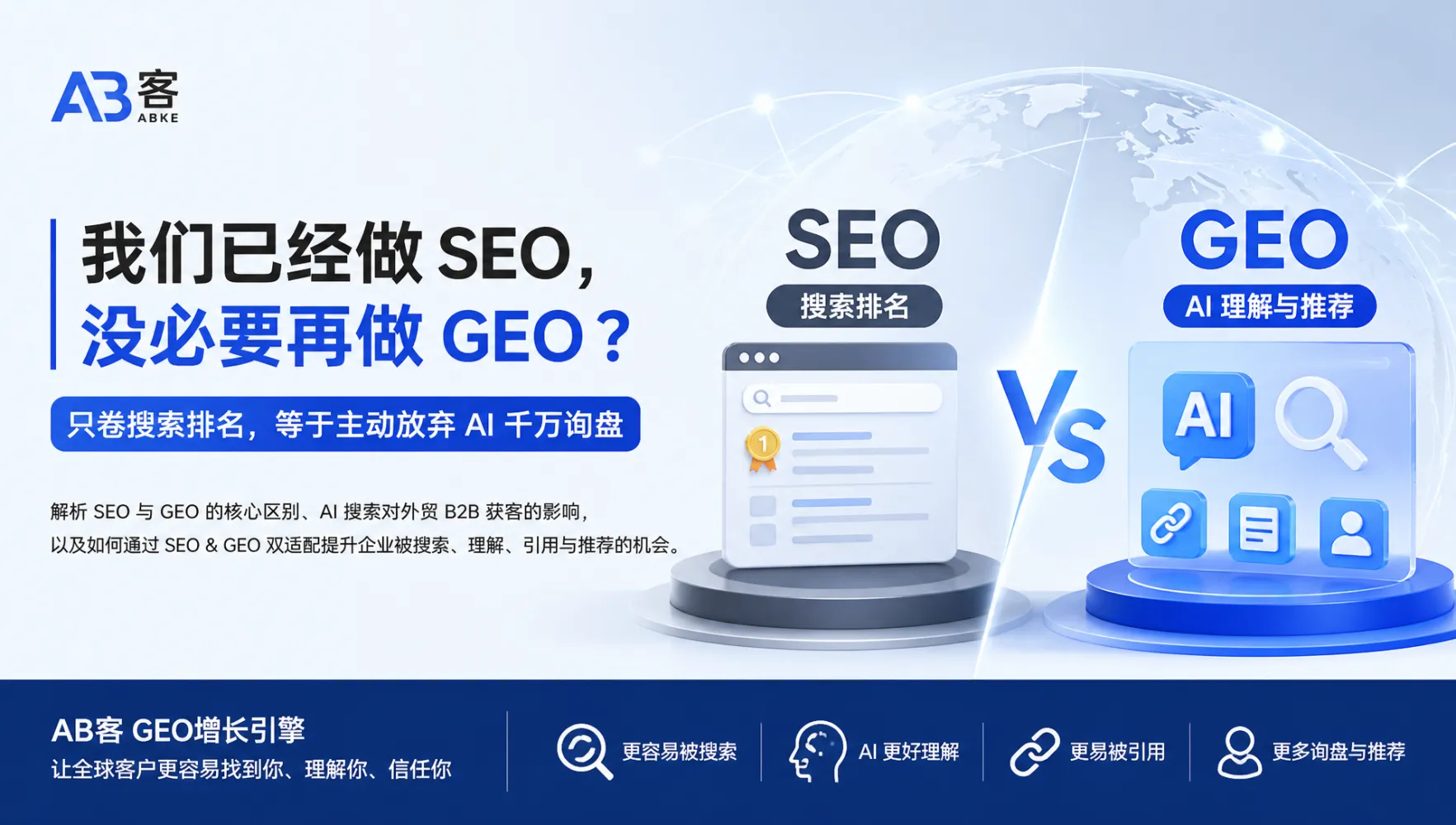
We Already Do SEO—Do We Really Need GEO? Don’t Miss AI-Driven B2B Opportunities
Competitors Offer GEO at Half the Price and Guarantee Inquiries? Why Low-Cost GEO Can Cost More
Move Beyond Expiring AI Prompts: Build Long-Term Buyer Question Assets with ABKE
Recommended Reading


How to Turn Tacit Technical Expertise into Reusable Enterprise Assets
ABKE explains how export-oriented B2B companies can convert expert knowledge in product selection, troubleshooting, and project delivery into structured, reviewable, permission-controlled knowledge assets for websites, sales, training, and AI agents.
In export-oriented B2B companies, valuable technical judgment often sits with a small number of engineers, technical managers, and senior sales specialists. They know how to match products to operating conditions, identify likely causes of failures, clarify customization limits, and respond to buyer concerns based on real project experience.
When this expertise remains in individual memory, chat histories, personal files, or scattered documents, it is difficult to transfer, review, or reuse. ABKE helps B2B manufacturers and suppliers turn confirmed tacit expertise into structured enterprise knowledge assets that can support websites, sales conversations, employee training, customer answers, and authorized AI applications.
Why tacit technical knowledge becomes a business risk
Overseas buyers usually evaluate more than price. They may ask about application conditions, material suitability, parameter matching, installation requirements, maintenance, troubleshooting, delivery boundaries, or prior project experience. Accurate answers often depend on experience that has not yet been documented in a consistent business format.
Responses depend on specific people
Sales or customer service teams may need to wait for a technical expert before responding, making response quality and timing dependent on individual availability.
Selection logic is hard to reuse
Rules for selecting a model, evaluating a condition, or ruling out an unsuitable application may exist in practice but not in a searchable, reusable form.
Content lacks verified technical depth
Without confirmed source knowledge, product pages, FAQs, and technical content can become generic, incomplete, or unclear about real capability boundaries.
Knowledge can leave with personnel
Role changes, leave, and turnover can disrupt access to accumulated project lessons, customer questions, and technical communication practices.
The objective: make expertise an enterprise asset, not just a stored document
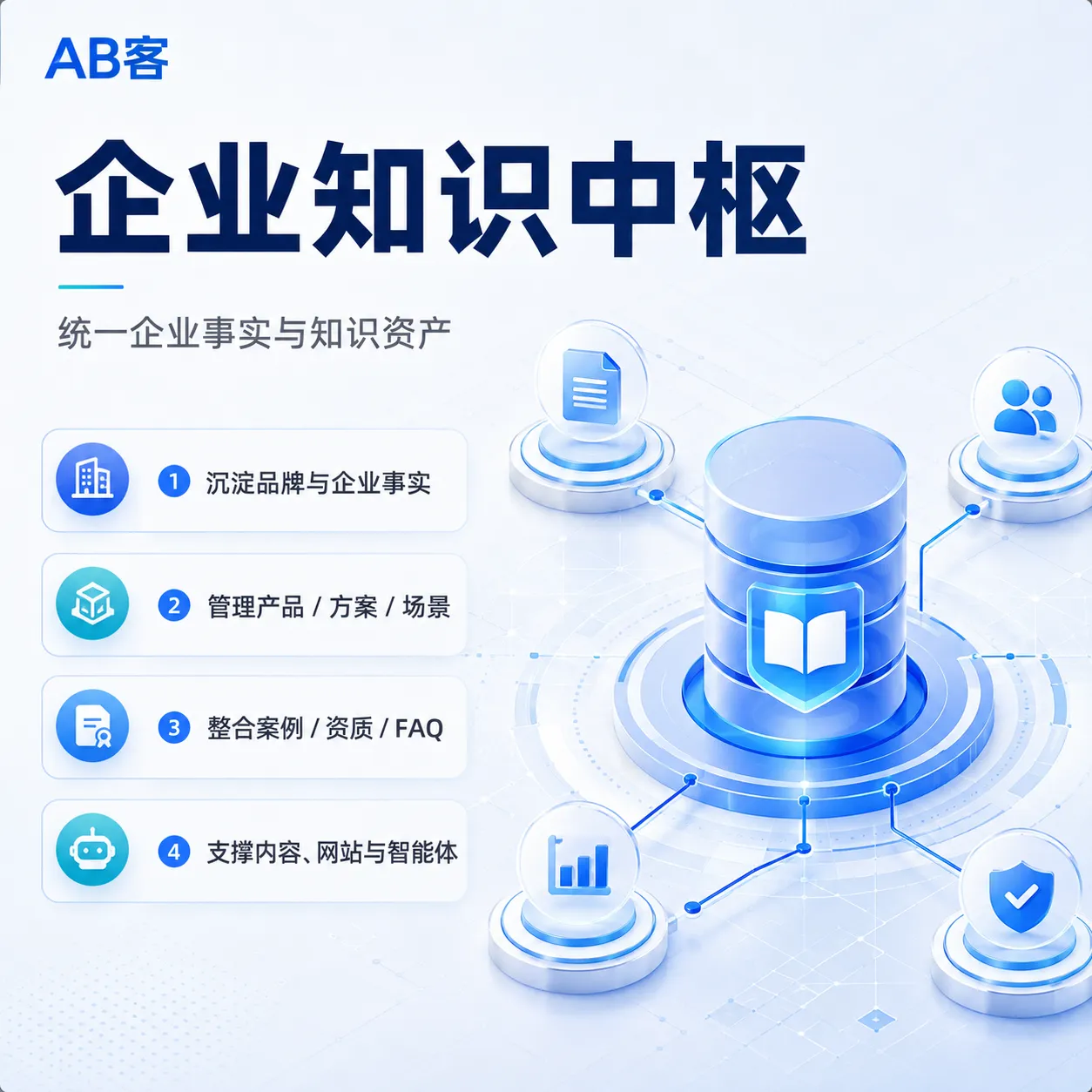
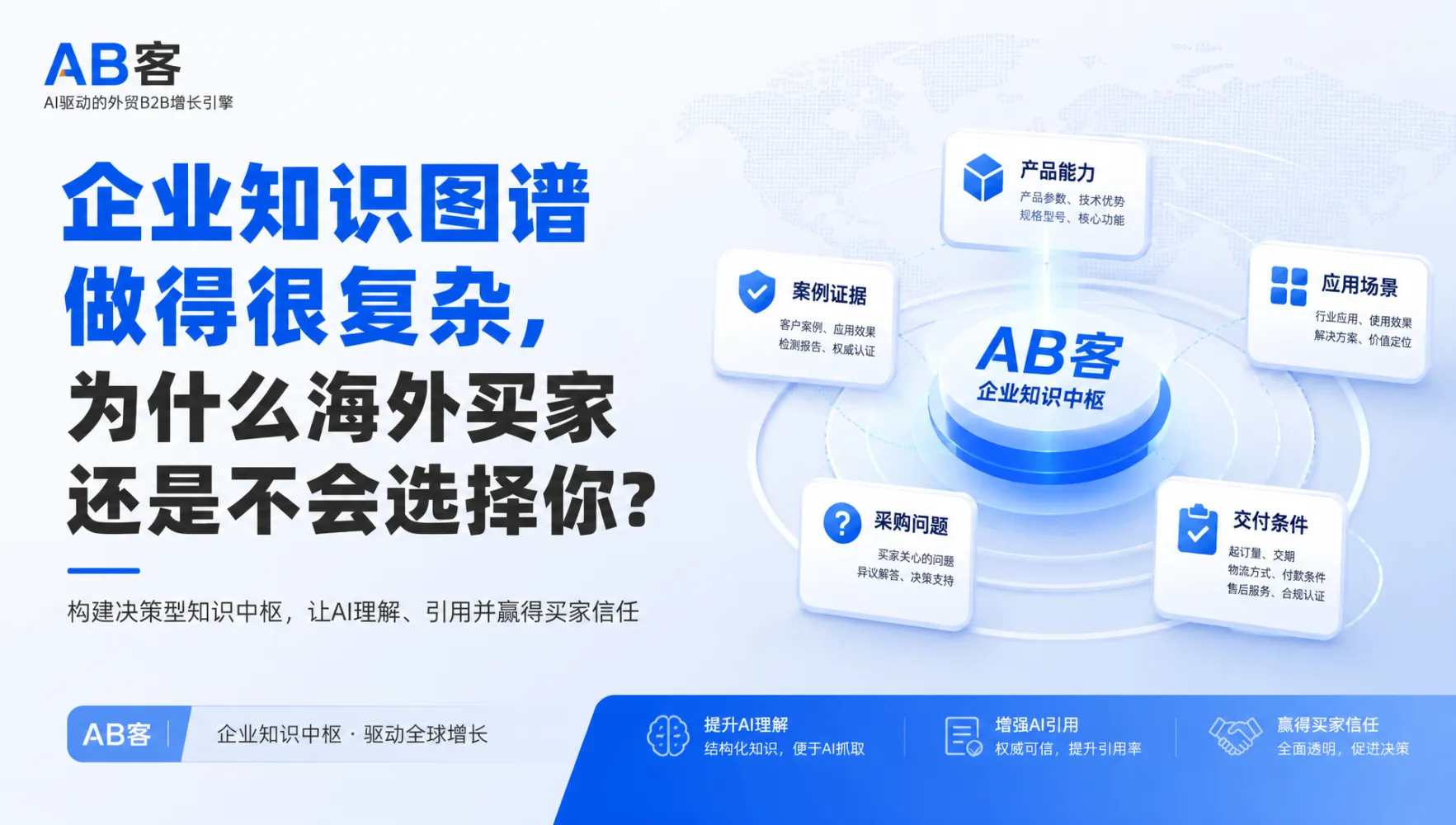
An enterprise knowledge hub is not simply a folder of interview notes or uploaded files. Its purpose is to convert usable expertise into clearly defined knowledge units connected to products, applications, customer questions, evidence, responsible reviewers, usage permissions, and update status.
Reliable knowledge is factual, reviewable, scoped to its appropriate use, and maintained as business conditions change.
What a structured technical knowledge unit can include
A product selection rule or troubleshooting insight becomes more useful when it is separated from informal conversation and recorded with its decision context. For example, a knowledge unit may include:
| Knowledge element | Purpose in practical use |
|---|---|
| Buyer condition or objective | Defines the application, operating environment, purchasing requirement, or technical question being addressed. |
| Applicable product or parameter range | Links guidance to relevant product types, models, specifications, or confirmed ranges. |
| Preconditions and risk factors | Clarifies what must be verified before a recommendation is made and what may affect suitability. |
| Non-applicable conditions and boundaries | Prevents overstatement by identifying conditions, requirements, or requests outside the company’s confirmed capability. |
| Evidence and source references | Connects the knowledge to specifications, reports, certifications, approved project records, or other verifiable materials. |
| Permissions, ownership, and version status | Controls who can view or use the information and identifies the responsible reviewer and latest update. |
How ABKE supports knowledge asset development
As an external-trade B2B GEO growth infrastructure provider, ABKE uses an enterprise knowledge hub approach to help companies establish a common factual foundation for communication and growth. The process combines AI-assisted organization with business-expert review; confirmed enterprise facts remain the basis for external content and system use.
- Prioritize high-value experience. Start with knowledge that affects conversion, delivery quality, and internal collaboration, such as key product selection questions, recurring faults, customization conditions, technical objections, and buyer evaluation criteria.
- Gather source material and expert input. Bring together approved product catalogs, manuals, specifications, process materials, project records, certifications, historical sales materials, and interviews with relevant managers, engineers, sales, or service teams.
- Structure and connect the knowledge. Classify, deduplicate, and turn confirmed material into reusable units linked to products, scenarios, buyer roles, evidence, applicable markets, and content uses.
- Apply review and permission controls. Assign responsible reviewers, retain evidence references, record versions and updates, and distinguish public, controlled, sales-only, project-only, and internal information.
- Activate authorized knowledge across business workflows. Use approved knowledge to support technical FAQs, product pages, solution pages, sales enablement, CRM response assistance, internal onboarding, and marketing AI agents.
- Maintain the knowledge base over time. Update relevant units when products, processes, certifications, delivery practices, project learnings, or market questions change.
Permission control protects useful knowledge without making it inaccessible
Knowledge asset development does not require a company to disclose all internal information. The practical requirement is to ensure that the right information is available to the right people, channels, and systems under defined conditions.
- Public: approved information suitable for websites, FAQs, and external marketing content.
- Controlled external use: information that may be shared after qualification or in defined sales stages.
- Sales-visible: selection guidance, objection handling, and customer communication references intended for authorized commercial teams.
- Project-visible: delivery or project details available only to relevant participants.
- Internal confidential: restricted information such as sensitive process details, pricing strategy, customer identities, or proprietary operational methods.
One knowledge foundation, multiple business uses
Website and technical content
Build clearer product pages, solution pages, technical FAQs, application guidance, and knowledge articles based on approved facts and defined capability boundaries.
Sales enablement and CRM support
Give sales teams a more consistent reference for qualification, product matching, technical clarification, and follow-up communication.
Training and cross-team continuity
Reduce repeated reliance on individual experts by giving new employees and adjacent teams access to reviewed, role-appropriate knowledge.
Marketing AI agents
Provide AI agents with an authorized, traceable knowledge source so generated answers and content are better grounded in enterprise facts.
Why this matters for GEO and AI-enabled B2B growth
GEO, website content, and AI-supported communication require a reliable knowledge layer. If the enterprise itself has not clearly defined what it does, where its products apply, what evidence supports its claims, and where its boundaries lie, content and AI outputs can become inconsistent or inaccurate.
A maintained enterprise knowledge hub gives the organization a more consistent source for expressing its capabilities across global markets. It supports AI-readable digital identity, reusable content assets, and more dependable communication without treating unverified assumptions as public facts.
Implementation prerequisites
This approach is best suited to manufacturers, industrial suppliers, component providers, material companies, and solution providers with identifiable products, technical capability, or delivery experience. Effective implementation requires real source materials, participation from relevant business experts, and a designated person to review important technical facts and permissions.
Companies should define what can be published, what requires controlled access, and what must remain internal. An enterprise knowledge hub is most valuable when it protects confidential information while enabling verified expertise to be reused where it creates legitimate business value.


