


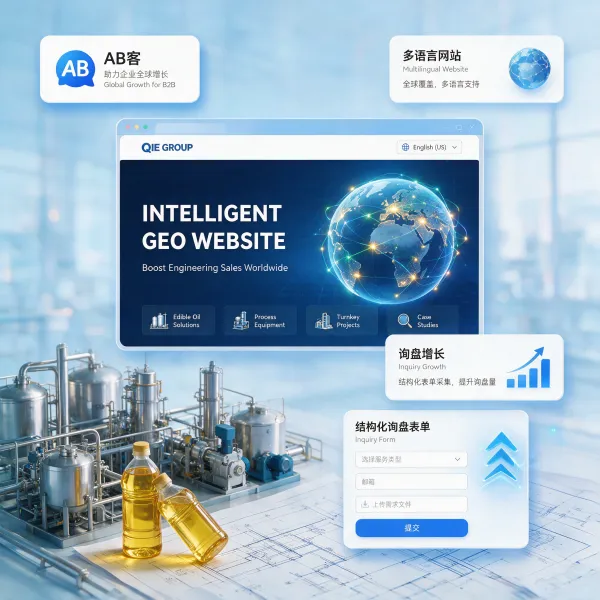


How to Build a Professional and Authoritative Image with Technical Whitepapers in the AI-Driven Procurement Chain: A Must-Read for Foreign Trade Enterprises
This article delves into how foreign trade enterprises can establish a professional and authoritative image and enhance global buyers' trust through technical whitepapers and a unified brand information architecture in the context of an AI-driven procurement chain. It covers aspects from domain name unification, social media tone, to multilingual localization content strategies and SEO optimization, guiding enterprises to build strong trust signals in digital procurement decisions and effectively promote brand awareness and business growth.
AI procurement chain
technical whitepapers
brand trust
localization content
cross - platform consistency
Reading:
0
Creating Effective Customer Testimonial Videos to Boost Trust in B2B Purchasing Decisions
How can high-quality customer testimonial videos enhance trust in B2B purchasing decisions? This article delves into the core credibility demands of global buyers within AI-driven supply chains, uncovering essential content design strategies—from narrative structure and professional context to multilingual localization. It guides small and medium enterprises in crafting persuasive digital anchors that strengthen website conversion and foster buyer confidence.
customer testimonial videos
B2B trust building
purchasing decision trust
multilingual case studies
brand consistency strategy
Reading:
0

From Domain Names to Social Media: 5 Key Elements for Building a Global Buyer's First Impression
This tutorial delves into the five key elements of brand consistency for creating a strong first impression on global buyers. It covers domain name uniformity, social media tone, press release standards, and industry directory synchronization. By establishing a cross - platform brand information architecture, businesses can build trust signals. The article emphasizes professional content design and multilingual localization strategies, guiding SMEs to create powerful digital anchors in non - English markets, enhancing brand authority and buyer trust. With SEO optimization and interactive feedback mechanisms, readers can fully understand the crucial role of brand consistency in AI - driven purchasing decisions and promote business growth.
brand consistency
global buyer trust
cross - platform brand building
multilingual localization
AI - driven purchasing decisions
Reading:
0

How to Build High-Converting Localized Content in Non-English Markets: A Multilingual Semantic Expression Playbook
This article explores how non-English markets can achieve high conversion rates through strategic multilingual content localization and brand consistency. It examines the role of unified brand information architecture and authoritative content modules—such as case studies, technical whitepapers, and customer testimonial videos—in building global buyer trust under AI-driven purchasing behavior. Practical strategies for culturally adapted multilingual semantic expression, SEO optimization, and cross-platform brand alignment are provided, empowering SMEs to establish a 'digital anchor' presence and gain sustainable competitive advantage worldwide.
localized content strategy
multilingual semantic expression
brand consistency in global markets
AI-driven purchasing behavior
SEO for non-english websites
Reading:
0

How to Enhance Overseas Buyers' Trust through Unified Brand Information Architecture: A Comprehensive Analysis of B2B Independent Website Content Strategies
In the AI-driven B2B procurement decision-making chain, how can overseas buyers quickly build trust in a brand? This article delves into methods of creating cross-platform trust signals by unifying brand information architecture (consistency in domain names, social media, press releases, and industry directories). It also details content module design strategies, including case studies, technical whitepapers, and multilingual customer testimonial videos, to help SMEs establish professional and trustworthy digital anchors in the global market. Particularly for non-English markets, it emphasizes localized semantic expression and cultural adaptation, enabling global buyers to perceive the company's strength from the first contact.
Brand information architecture
B2B independent website content strategy
Overseas buyers' trust
Multilingual localized content
SEO cross-platform consistency
Reading:
0

Must-Read for Foreign Trade Enterprises: How Structured Data Helps You Stand Out in Google AI Summaries
As large language models (LLMs) become a crucial information source for B2B buyers, traditional SEO strategies face bottlenecks. This article delves into how to transform the content of foreign trade enterprise websites into AI-readable knowledge nodes through Schema.org structured data technology, enhancing natural search exposure in Google AI summaries. It focuses on functional parameters, use cases, and structured annotations of industry terms, as well as multilingual semantic enhancement and regional preference adaptation to achieve a dual boost in overseas customer trust and targeted traffic. Combining technical details with real-world cases, it guides enterprises to build an effective content system and seize the initiative in AI search marketing.
structured data
Google AI summaries
foreign trade website optimization
Schema.org
multilingual SEO
Reading:
0
From Product Descriptions to AI Natural Answers: Enhancing B2B Procurement Decision Efficiency with HowTo Schema
This tutorial guide elaborately explains how to transform B2B foreign trade website content into AI - readable knowledge nodes through HowTo schema and other structured data technologies. By doing so, it significantly boosts the visibility of enterprise official websites in AI searches and the frequency of appearance in natural answers. The article combines real - world cases and technical configuration solutions to assist foreign trade enterprises in optimizing the markup of product information, FAQs, and operation guides. It aims to achieve precise traffic conversion, enhance brand trust, and empower enterprises to shift from being platform - dominated to independently controlling the initiative in digital marketing.
HowTo schema
B2B procurement decision
structured data
foreign trade website SEO
AI natural answers
Reading:
0
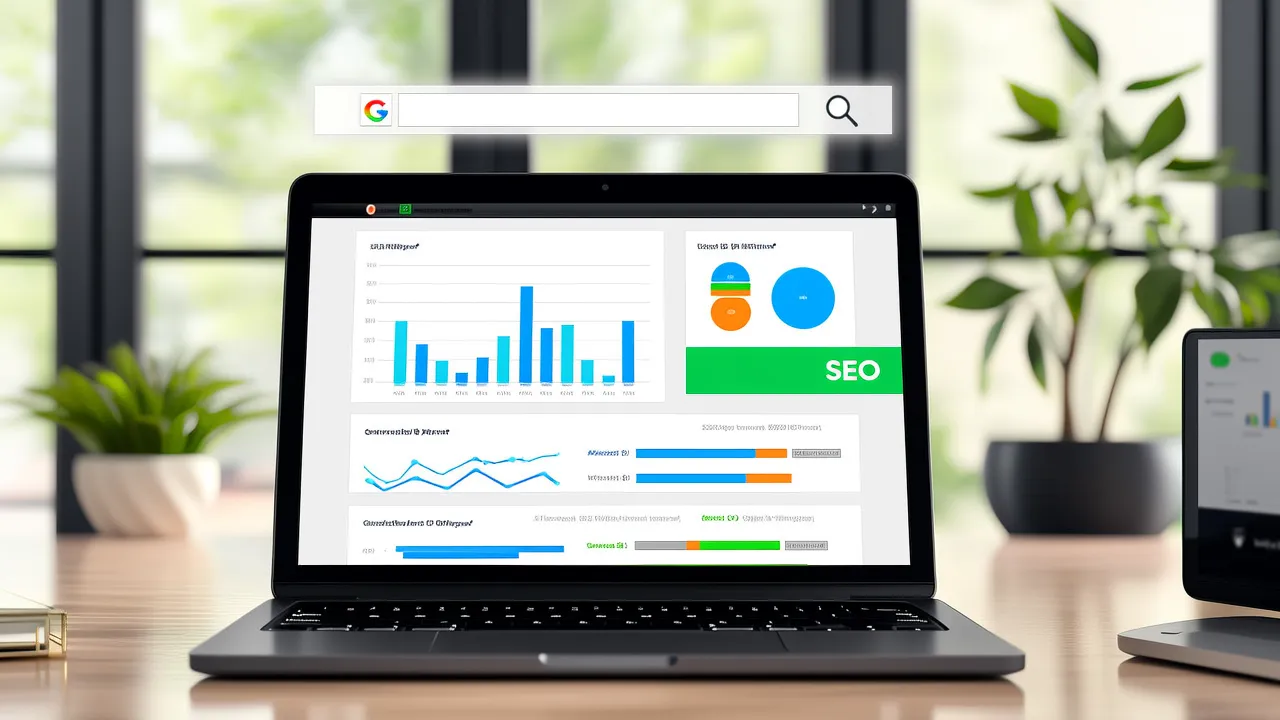
Multilingual Semantic Tagging Guide: Optimizing AI Assistant Understanding for European and North American B2B Buyers
As large language models (LLMs) become the primary source of information for B2B buyers, traditional SEO strategies are no longer sufficient. This guide explores how structured data markup using Schema.org—such as Product, FAQPage, and HowTo—can enhance AI readability and multilingual semantic tagging on international e-commerce sites. By extracting functional parameters, contextual usage scenarios, and industry-specific terminology, businesses can build knowledge nodes that resonate with European and North American audiences. Practical implementation tips—including JSON-LD code examples, localization techniques, and performance tracking via Google Search Console—enable brands to dominate natural answer rankings, boost trust, and drive high-intent traffic at low cost. Learn how to turn technical structure into competitive advantage in global markets.
structured data markup
schema.org optimization
multilingual semantic tags
ai search seo
b2b ecommerce seo
Reading:
0
A Comprehensive Guide to B2B Foreign Trade: How to Implement SEO for Foreign Trade Websites in the Consumer Goods Industry?
Consumer goods export companies often face the dilemma of having numerous SKUs but being "invisible" on Google. This article analyzes how to conduct systematic SEO operations tailored to the characteristics of the consumer goods industry (numerous SKUs, homogeneity, and dispersed buyers) through five core steps: keyword layout, product page optimization, structuring category tags, content SEO, and off-site promotion. Taking AB Customer's intelligent SEO solution as an example, it compares the shortcomings of traditional methods and emphasizes achieving effective website exposure and inquiry conversion on Google through batch processing, content quality improvement, structured layout, and multi-channel traffic generation.
Consumer Goods Foreign Trade SEO
Google ranking optimization
Foreign trade website SEO
SKU Multi-SEO Strategy
B2B Foreign Trade Keyword Layout
Reading:
0

FAQPage Structured Data in Action: Boosting Trust with Product Certification Clarity for Global Customers
This article explores how leveraging FAQPage and Product structured data markup from Schema.org can enhance visibility and authority for international e-commerce websites in AI-driven search environments. By implementing real-world examples, multilingual semantic tagging, and region-specific certification FAQs, businesses can improve overseas customer understanding of product compliance—boosting trust, brand credibility, and conversion rates. Practical code snippets, validation tools, and case studies demonstrate measurable impact on organic traffic and user engagement, offering a low-cost, high-precision strategy to dominate featured snippets and drive global sales growth.
structured data markup
FAQPage schema
product certification FAQ
AI search optimization
multilingual SEO
Reading:
0

A Comprehensive Guide to B2B Foreign Trade: How Should the Consumer Goods Industry Conduct B2B Foreign Trade?
The B2B foreign trade sector for consumer goods (household goods, daily necessities, and small commodities) is highly competitive, facing challenges such as a large number of SKUs, homogenization, transparent pricing, and low switching costs for buyers. This article, from the customer's perspective, compares traditional practices with digital strategies employed by AB (Alibaba and Baidu) customers. It systematically breaks down how to make buyers "see" your products through channel layout, build trust through multi-dimensional presentation, optimize entry points to promote communication, achieve refined multi-SKU operation using intelligent tools, and continuously acquire customers using a global database. The aim is to help companies improve their foreign trade operational capabilities and solve the problem of low inquiries.
Consumer goods B2B foreign trade
Small commodities foreign trade
Foreign trade inquiry
Foreign trade customer acquisition
Digital Operations in Foreign Trade
Reading:
0

How to Use Schema.org Structured Data for Accurate AI Recognition of Industrial Sensors in B2B International SEO
This article explains how leveraging Schema.org structured data enhances the AI-driven recognition and visibility of industrial sensor products in global B2B search engines. By applying semantic markup to product specifications, industry terminology, and multilingual tags, companies can significantly improve content readability for AI models—boosting brand exposure, qualified traffic, and conversion rates across international markets. Practical implementation strategies, real-world case studies, and JSON-LD code examples are included to demonstrate measurable impact on AI-generated search results.
Schema.org structured data
industrial sensor SEO
B2B international search optimization
AI-powered product discovery
multilingual SEO for industrial products
Reading:
0
1
2
3
4
5
6
7
8
9
10
11
12
13
14
15
16
17
18
19
20
21
22
23
24
25
26
27
28
29
30
31
32
33
34
35
36
37
38
39
40
41
42
43
44
45
46
47
48
49
50
51
52
53
54
55
56
57
58
59
60
61
62
63
64
65
66
67
68
69
70
71
72
73
74
75
76
77
78
79
80
81
82
83
84
85
86
87
88
89
90
91
92
93
94
95
96
97
98
99
100
101
102
103
104
105
106
107
108
109
110
111
112
113
114
115
116
117
118
119
120
121
122
123
124
125
126
127
128
129
130
131
132
133
134
135
136
137
138
139
140
141
142
143
144
145
146
147
148
149
150
151
152
153
154
155
156
157
158
159
160
161
162
163
164
165
166
167
168
169
170
171
172
173
174
175
176
177
178
179
180
181
182
183
184
185
186
187
188
189
190
191
192
193
194
195
196
197
198
199
200
201
202
203
204
205
206
207
208
209
210
211
212
213
214
215
216
217
218
219
220
221
222
223
224
225
226
227
228
229
230
231
232
233
234
235
236
237
238
239
240
241
242
243
244
245
246
247
248
249
250
251
252
253
254
255
256
257
258
259
260
261
262
263
264
265
266
267
268
269
270
271
272
273
274
275
276
277
278
279
280
281
282
283
284
285
286
287
288
289
Popular articles
How Should B2B Country Landing Pages Be Built to Match Local Buyer Search Habits Without Creating Duplicate Content or Brand Confusion?
2026.07.31
Reading:
0
How can SOHO entrepreneurs use GEO to achieve the customer acquisition volume of a professional foreign trade team alone?
2026.03.21
Reading:
0
How ABKE GEO Helped a Home Furnishing Factory Generate 160% More Qualified Supermarket Inquiries
2026.07.30
Reading:
0
How strong is GEO's penetration in Southeast Asia and the Belt and Road market?
2026.03.23
Reading:
0
Where is GEO more cost-effective compared to Google Ads?
2026.03.19
Reading:
0
How ABKE’s Lightweight GEO System Helps Auto Parts SOHO Suppliers Attract Long-Term Overseas Repair Shop Orders
2026.07.30
Reading:
0
How a Small Machinery Factory Built GEO Assets in 180 Days and Reached 22 Monthly Engineering RFQs
2026.07.30
Reading:
0
Already Ranking on Google? Why B2B Exporters Still Need GEO for AI Search Visibility
2026.03.16
Reading:
0
General Website Building vs. Export B2B GEO Websites: Can a GEO Site Generate Engineering and Retail Chain Inquiries?
2026.08.03
Reading:
0
Middle East Building Materials GEO Case Study: Arabic Localization Doubles Exclusive Distributor Inquiries in 3 Months
2026.07.30
Reading:
0
Export GEO vs. Domestic GEO: 5 Differences B2B Exporters Need to Know
2026.09.07
Reading:
0
Book your 1-on-1 GEO personalized diagnosis now!
One-on-one analysis of your company's GEO status to help you quickly identify problems and determine your next steps.
Does AI recognize your business?
It checks whether the brand, products, and core capabilities are correctly understood by AI.
Does the official website have GEO basics?
Analyze the website's content, structure, and AI readability to identify any obvious issues.
What key information is still missing for businesses?
Identify cognitive gaps between products, scenarios, case studies, FAQs, and evidence of trust.
Where should GEO begin?
Based on the current situation of the enterprise, identify priority areas for optimization and avoid blind investment.