Verified facts are the only foundation—not AI assumptions
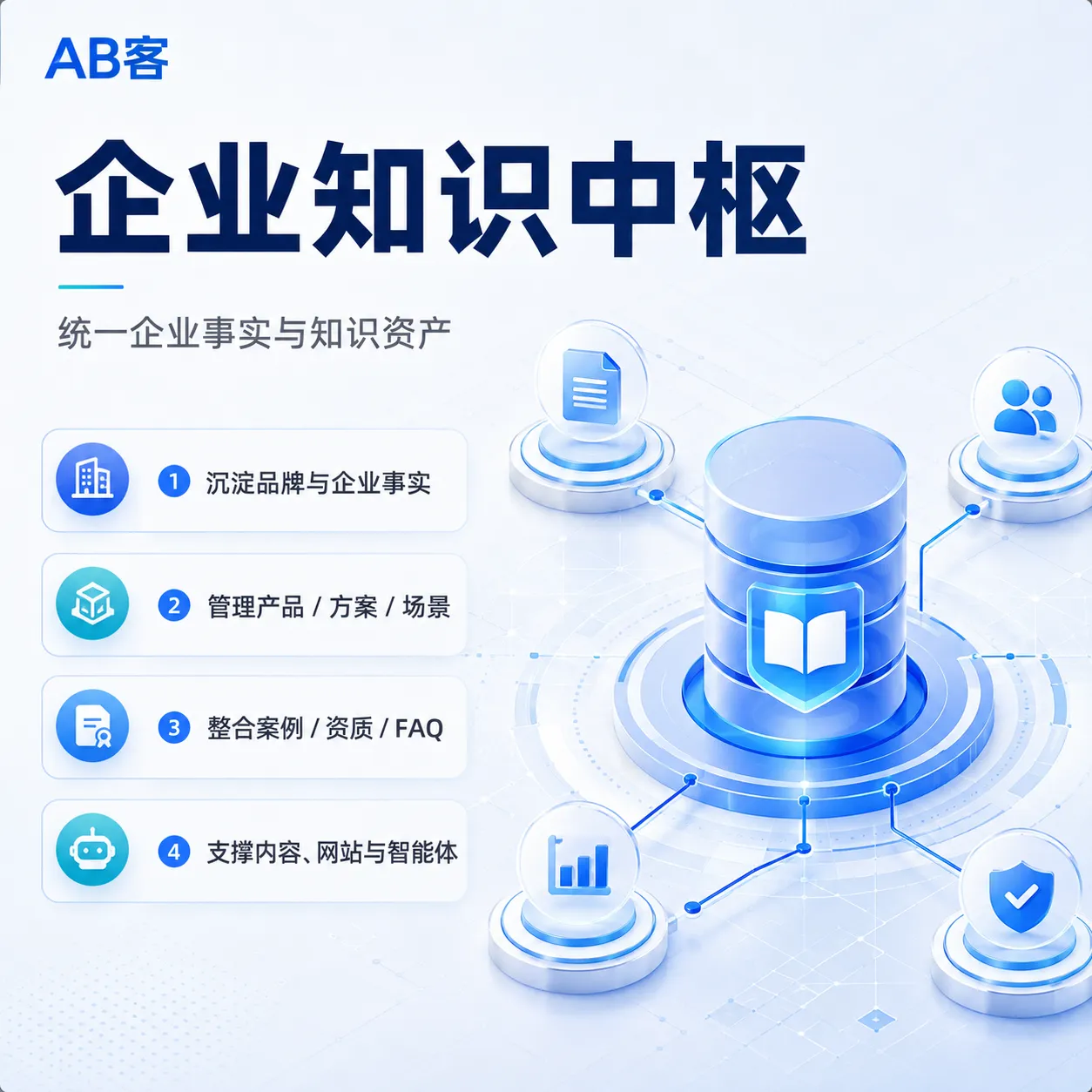
ABKE’s enterprise knowledge hub is designed to organize confirmed enterprise information into unified, structured knowledge assets. This can include company information, product parameters, technical processes, case materials, certifications, delivery capabilities, and FAQs.
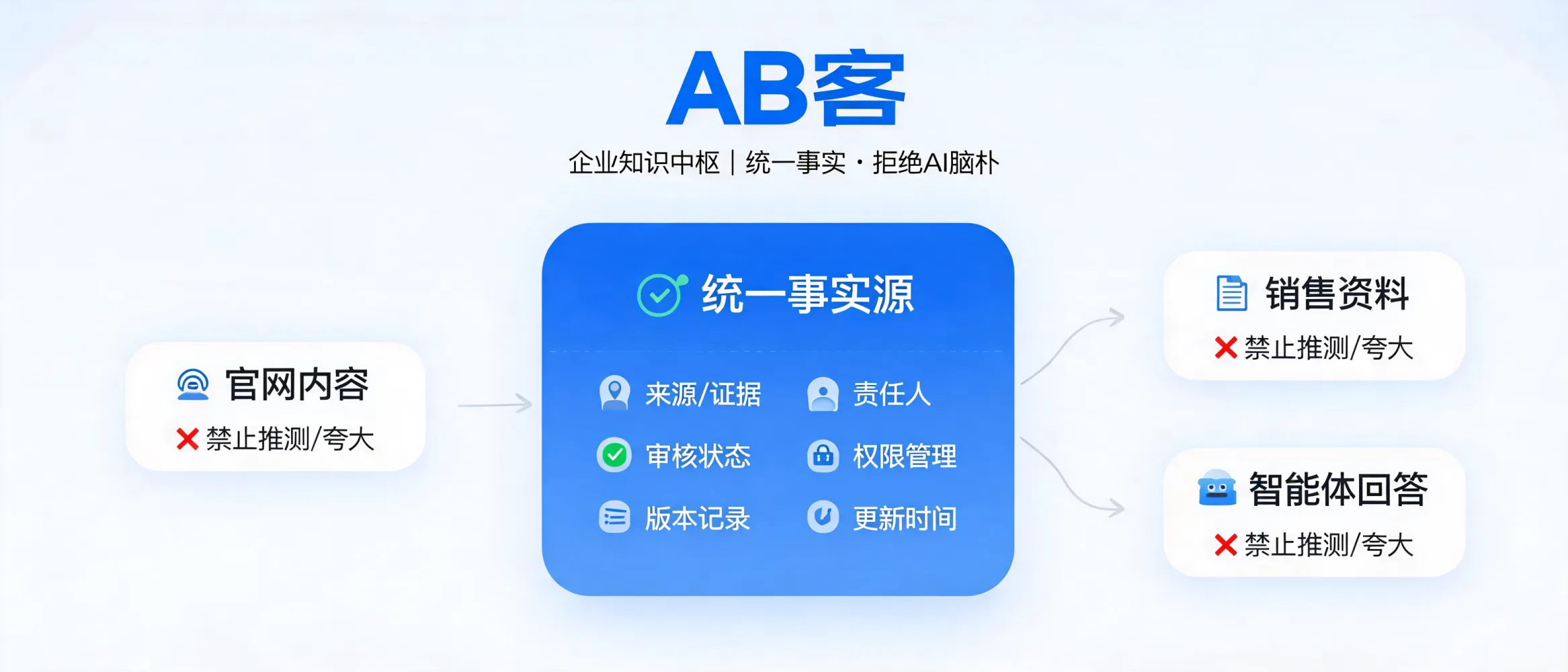
Website content, sales materials, customer-service content, and AI agent responses should draw on the same approved source of truth. This helps reduce inconsistent messaging across channels and lowers the risk of capabilities being overstated. AI supports the organization and expression of approved knowledge; it is not permitted to infer missing information as enterprise fact.
Key controls for enterprise knowledge governance
Fact sources and evidence links
Key claims can be linked to product documentation, test reports, certifications, case studies, project records, or confirmation from relevant business experts. This helps ensure that important statements have supporting evidence rather than conclusions without a basis.
Review, ownership, and version records
Knowledge entries can record the responsible owner, reviewer, approval status, update date, and version. Information that is unconfirmed or pending update should not be used as an external factual statement.
Capability boundary controls
Enterprises can define what they can do, what they cannot do, and which products or application scenarios are applicable. This helps prevent limited experience from being generalized into a universal capability claim.
Permission-based access management
Information can be managed by access scope, such as public, controlled public, sales-visible, project-team-visible, or highly confidential. Internal information is not automatically available for public-facing use.
AI as an assistant, not a fact source
AI can assist with organizing, rewriting, structuring information, and supporting multilingual content. It should not estimate missing parameters, fabricate certifications, complete unprovided cases, or expand delivery commitments when source materials are incomplete.
What this means for content and AI agent responses
During implementation, approved knowledge can be reused across website pages, product content, solution materials, sales collateral, and AI agent Q&A. Using a shared, reviewed knowledge base can improve content production efficiency and information reuse while helping customers receive relatively consistent and traceable enterprise information at different touchpoints.
For ABKE, the external brand name of Shanghai Muke Network Technology Co., Ltd., this governance approach supports export-oriented B2B enterprises in building reusable enterprise knowledge assets for AI visibility and global market communication. It does not treat AI-generated wording as proof of an enterprise’s actual capabilities.
Enterprise participation remains essential
The enterprise should designate business owners and material reviewers, provide genuine and usable company, product, case, and qualification materials, and define the permitted disclosure scope for those materials. The completeness of source information, timeliness of review, and continuity of updates directly affect the accuracy of subsequent content and AI agent responses.
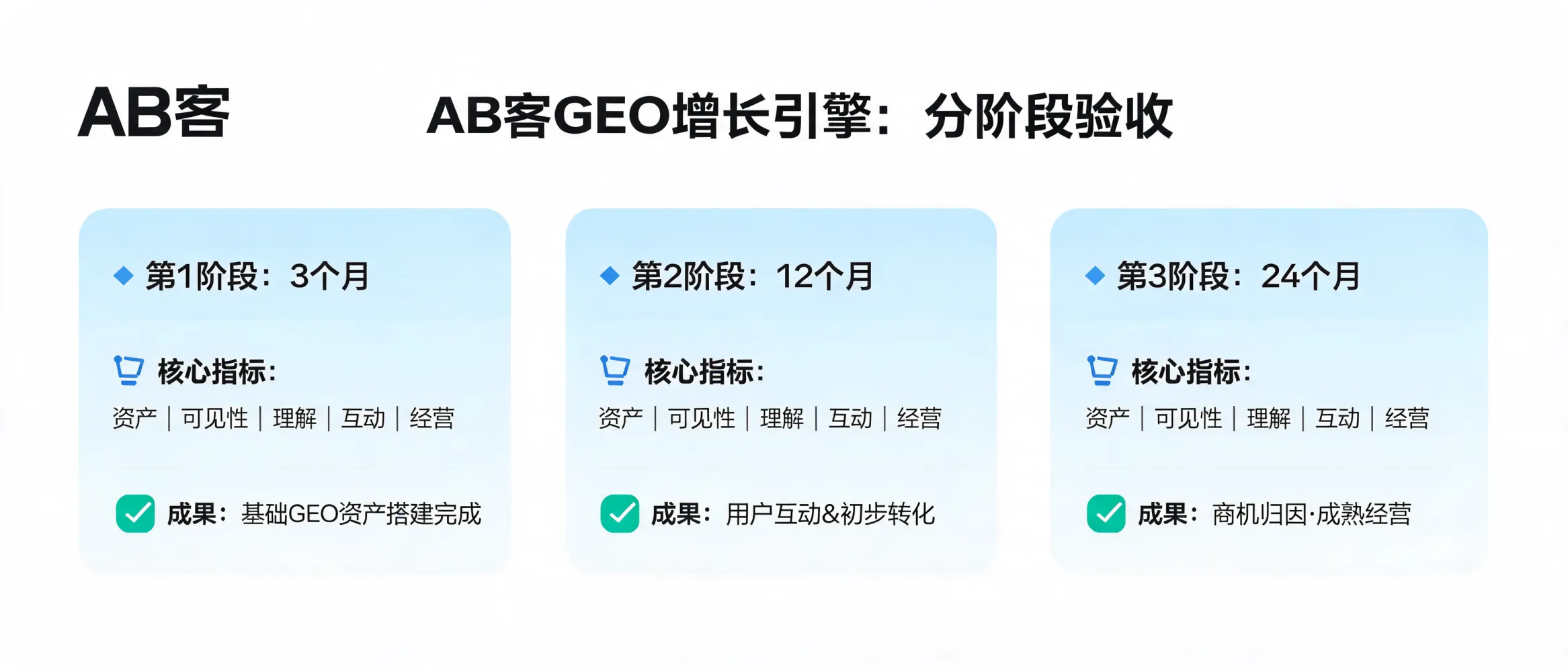
Useful governance indicators may include the number of approved knowledge entries, the volume of evidence assets, knowledge update rate, knowledge completeness for priority products, and AI response accuracy.
.png?x-oss-process=image/resize,h_100,m_lfit/format,webp)

.png?x-oss-process=image/resize,m_lfit,w_200/format,webp)






.png?x-oss-process=image/resize,h_100,m_lfit/format,webp)
.png?x-oss-process=image/resize,h_100,m_lfit/format,webp)

.png?x-oss-process=image/resize,h_100,m_lfit/format,webp)
.png?x-oss-process=image/resize,h_100,m_lfit/format,webp)
.png?x-oss-process=image/resize,h_100,m_lfit/format,webp)
.png?x-oss-process=image/resize,h_100,m_lfit/format,webp)
