


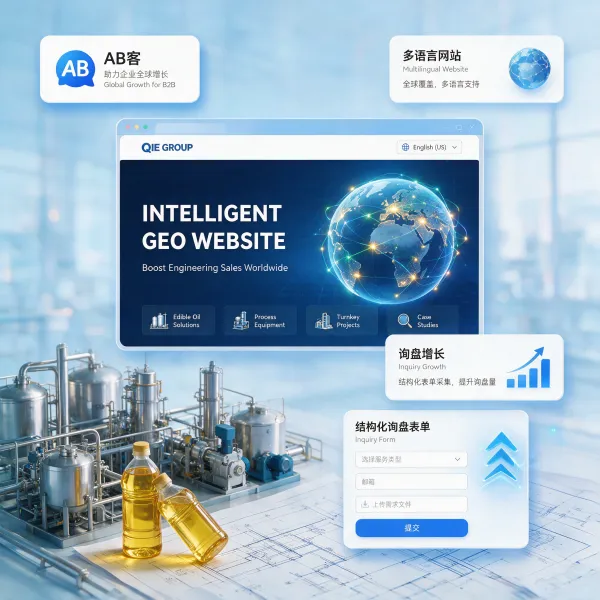



Optimizing Customer Resource Management for Foreign Trade Enterprises Amid Currency Fluctuations
In an era of increasing currency volatility, how can foreign trade enterprises reduce risks and stabilize orders through intelligent customer resource management? This case-driven article analyzes real-world impacts of exchange rate changes on client retention and profitability, then demonstrates how 'Foreign Trade Geek' leverages AI-powered analytics and full-lifecycle customer management to enable early warnings, precise nurturing of high-value clients, and improved operational efficiency. Ideal for new exporters, factory-to-export transitions, and traditional export-oriented companies seeking actionable strategies.
currency fluctuation customer management
foreign trade customer optimization
AI in export business
exchange rate risk mitigation
customer lifecycle management
Reading:
0
How to Predict Currency Fluctuations Early with Smart Tools for Optimized Foreign Trade Operations
Currency volatility significantly impacts foreign trade businesses, affecting sales revenue, profit margins, and order volumes. This article explores real-world cases across industries and company sizes, revealing how smart tools like 'Foreign Trade Geek' help predict exchange rate trends using AI-driven analytics and multi-dimensional data monitoring. By integrating predictive insights into customer management and operational workflows, companies can proactively manage risks while enhancing business growth. Supported by expert opinions and data visualizations, this guide offers actionable strategies for global exporters and importers seeking resilient and efficient trade operations.
foreign trade currency risk management
smart exchange rate prediction
AI-powered forex tools
export business optimization
foreign trade process automation
Reading:
0
How Currency Fluctuations Impact Export Sales and Profitability: A Strategic Analysis for Foreign Trade Businesses
This report examines the multifaceted effects of exchange rate volatility on export-oriented companies—ranging from order costs and pricing strategies to customer retention. Real-world case studies illustrate how manufacturers transitioning from domestic to international markets, and importers shifting to exports, navigate currency risks. It also highlights how AI-powered tools like 'Foreign Trade Geek' enable proactive risk forecasting, dynamic client allocation, and optimized marketing—helping businesses reduce costs, stabilize profits, and strengthen client relationships in volatile markets. Key insights include data-driven decision-making, strategic customer segmentation, and automated content generation for sustained engagement.
currency fluctuation impact on exports
foreign trade profit protection
exchange rate risk management
AI for forex prediction
export business optimization
Reading:
0
Enhancing B2B Export Business: The Role of Multi-Payment Solutions in Boosting Customer Experience and Order Conversion
This article explores the strategic importance of supporting multiple payment methods for international B2B exporters. It analyzes key payment instruments—such as Letters of Credit (L/C), Telegraphic Transfer (T/T), and WeChat Pay—highlighting their functional characteristics, advantages, and associated risks. By examining how diverse payment options influence customer satisfaction and conversion rates, this piece offers actionable insights into risk management strategies, including credit and operational risk controls. Practical case studies and data-driven recommendations are provided to help exporters optimize payment processes, integrate multi-channel solutions, and leverage technologies like AI and smart website tools. Designed for decision-makers and sales teams, the content supports informed choices that enhance business efficiency and global competitiveness.
international payment methods for B2B exports
multi-payment strategy for exporters
risk management in L/C and T/T payments
WeChat Pay in global trade
order conversion optimization in B2B
Reading:
0
Case Study: Application and Risk Identification of WeChat Pay in Cross-Border B2B Exports
This article provides an in-depth analysis of WeChat Pay's role in cross-border B2B export transactions, highlighting its application scenarios and underlying risks. By comparing traditional payment methods such as Letters of Credit (L/C) and Telegraphic Transfers (T/T), the article evaluates the advantages and disadvantages of each payment option. Emphasizing effective risk management strategies, it guides enterprises on securing transactions and ensuring smooth capital flow. Through real-world case studies, key data, and illustrative charts, this study aids foreign trade companies in optimizing payment solutions while mitigating financial and compliance risks, ultimately enhancing operational efficiency and competitive positioning.
WeChat Pay cross-border B2B
cross-border payment risk management
Letters of Credit advantages and disadvantages
telegraphic transfer payment features
foreign trade payment methods comparison
Reading:
0

T/T Payment Guide & Risk Control Strategies for Export Success
As one of the most widely used payment methods in international trade, Telegraphic Transfer (T/T) offers speed and flexibility—but also carries financial risks. This guide walks you through the full T/T payment process from advance payment to final settlement, highlights key risk points like fraud, currency fluctuations, and late payments, and provides actionable strategies such as contract clauses, third-party guarantees, and customer credit checks. Backed by real-world cases and data (e.g., 85% of SMEs face bad debt without a prepayment clause), it helps exporters reduce disputes, improve cash flow, and build trust—without compromising efficiency. Master this T/T operation + risk control combo to secure every transaction—start using Foreign Trade Geek’s smart alerts to track critical milestones today!
T/T payment process
export payment security
foreign trade payment risks
cross-border payment tips
international trade payment solutions
Reading:
0

How Foreign Trade Companies Can Optimize Letter of Credit Payment Processes Through Risk Management
Letters of Credit (L/C) are a cornerstone of international trade, offering security for both buyers and sellers—but their complexity often masks hidden risks. This article explores common L/C risks such as document discrepancies, bank credit issues, and shipment delays that disproportionately affect SMEs. Drawing on real-world insights, it presents actionable strategies: standardizing document management, leveraging AI-powered verification tools, implementing supplier credit scoring, and strengthening contract clauses. By adopting these practices, your business can reduce operational errors, prevent fraud, and enhance payment safety and efficiency. Ideal for new exporters, factory-to-export transition teams, and companies aiming to cut costs and boost performance in global trade.
letter of credit risk management
foreign trade payment methods
L/C process optimization
cross-border trade security
export business compliance
Reading:
0
Global Payment Methods Compared: Letters of Credit, T/T Transfers, and WeChat Pay in International Trade
This article provides a comprehensive analysis of the three dominant payment methods in global trade—Letters of Credit (LC), Telegraphic Transfer (T/T), and WeChat Pay. It examines their respective advantages, limitations, and risk profiles, offering practical insights for foreign trade businesses seeking to optimize payment security, efficiency, and compliance. Supported by real-world data and case studies, the piece highlights how companies can tailor payment strategies to different markets and transaction types, ensuring smoother cross-border operations and sustainable growth. Choose the right payment method, strengthen risk management, and make your international trade more efficient and secure—Foreign Trade Geeks offers full support and intelligent solutions.
international trade payment methods
letters of credit advantages and disadvantages
T/T transfer risk management
WeChat Pay in global business
cross-border payment security
Reading:
0

How Foreign Trade Companies Boost Google Organic Rankings Through Layered Keyword Strategy: An SEO Optimization Guide
This article delves into how foreign trade enterprises can achieve breakthroughs in Google organic rankings by implementing a layered keyword strategy combined with intelligent website building tools. It systematically explores optimizing website architecture and content through targeted keyword segmentation, mobile responsiveness, and data-driven continuous refinement. The guide incorporates AI-driven analysis and automated content updates to help businesses acquire high-quality international traffic efficiently, reduce customer acquisition costs, and strengthen their global market competitiveness.
Foreign trade SEO
Layered keyword strategy
Intelligent website building
Google organic ranking
AI marketing platform
Reading:
0

How to Efficiently Implement an International Trade Contract Management System to Boost Operational Efficiency
This guide outlines a systematic approach to managing international trade contracts effectively, helping businesses streamline contract review, minimize legal risks, and enhance operational efficiency. By analyzing real-world cases and leveraging industry best practices, companies—whether new to export or experienced in global trade—can adopt practical strategies for contract execution, risk mitigation, and compliance. Supported by data-driven insights and reference to global standards such as Incoterms® and ISO 9001, this article provides actionable steps for optimizing the full contract lifecycle.
international trade contract management
contract risk control
export contract execution
digital contract system
trade compliance
Reading:
0

Optimizing B2B Export Website Structure: Comprehensive Guide from H1 Tags to Internal Link Matrix
How can your export business build an SEO-friendly, intelligent website? This article provides a detailed walkthrough of full-chain optimization techniques, from H1 tag usage to internal link matrix construction. Leveraging AI-assisted competitor keyword trend analysis, automated content generation, and data-driven iteration, you can achieve cost-effective acquisition of high-quality organic traffic. Enhance your website's rankings steadily on Google and other major search engines, reduce reliance on paid ads, and realize dual growth in global brand visibility and inquiry conversion.
B2B SEO optimization
export website structure
SEO content strategy
AI-powered keyword analysis
internal linking strategy
Reading:
0
Essential Guide to Building a Google Algorithm-Compliant Foreign Trade Website from Scratch
This article provides a comprehensive guide for foreign trade enterprises to build a professional website from the ground up that fully complies with Google's algorithm. By leveraging strategic keyword placement, optimized page structures, and mobile responsiveness, you can maximize your SEO performance. The guide highlights how to utilize ABKE’s intelligent foreign trade marketing platform equipped with AI-driven tools for competitor analysis and long-tail keyword discovery. It also demonstrates automated content updates to maintain site activity, helping you achieve steady organic traffic, reduce customer acquisition costs, and enhance global brand visibility and inquiry conversion. Ideal for digital marketing managers and SEO specialists seeking actionable insights backed by data-driven methods.
foreign trade SEO
intelligent website development
Google organic ranking
long-tail keyword research
AI content generation
Reading:
0
1
2
3
4
5
6
7
8
9
10
11
12
13
14
15
16
17
18
19
20
21
22
23
24
25
26
27
28
29
30
31
32
33
34
35
36
37
38
39
40
41
42
43
44
45
46
47
48
49
50
51
52
53
54
55
56
57
58
59
60
61
62
63
64
65
66
67
68
69
70
71
72
73
74
75
76
77
78
79
80
81
82
83
84
85
86
87
88
89
90
91
92
93
94
95
96
97
98
99
100
101
102
103
104
105
106
107
108
109
110
111
112
113
114
115
116
117
118
119
120
121
122
123
124
125
126
127
128
129
130
131
132
133
134
135
136
137
138
139
140
141
142
143
144
145
146
147
148
149
150
151
152
153
154
155
156
157
158
159
160
161
162
163
164
165
166
167
168
169
170
171
172
173
174
175
176
177
178
179
180
181
182
183
184
185
186
187
188
189
190
191
192
193
194
195
196
197
198
199
200
201
202
203
204
205
206
207
208
209
210
211
212
213
214
215
216
217
218
219
220
221
222
223
224
225
226
227
228
229
230
231
232
233
234
235
236
237
238
239
240
241
242
243
244
245
246
247
248
249
250
251
252
253
254
255
256
257
258
259
260
261
262
263
264
265
266
267
268
269
270
271
272
273
274
275
276
277
278
279
280
281
282
283
284
285
286
287
288
289
290
Hot Products


Popular articles
How Should B2B Country Landing Pages Be Built to Match Local Buyer Search Habits Without Creating Duplicate Content or Brand Confusion?
2026.07.31
Reading:
0
How can SOHO entrepreneurs use GEO to achieve the customer acquisition volume of a professional foreign trade team alone?
2026.03.21
Reading:
0
How strong is GEO's penetration in Southeast Asia and the Belt and Road market?
2026.03.23
Reading:
0
How ABKE GEO Helped a Home Furnishing Factory Generate 160% More Qualified Supermarket Inquiries
2026.07.30
Reading:
0
Where is GEO more cost-effective compared to Google Ads?
2026.03.19
Reading:
0
How ABKE’s Lightweight GEO System Helps Auto Parts SOHO Suppliers Attract Long-Term Overseas Repair Shop Orders
2026.07.30
Reading:
0
How a Small Machinery Factory Built GEO Assets in 180 Days and Reached 22 Monthly Engineering RFQs
2026.07.30
Reading:
0
Already Ranking on Google? Why B2B Exporters Still Need GEO for AI Search Visibility
2026.03.16
Reading:
0
General Website Building vs. Export B2B GEO Websites: Can a GEO Site Generate Engineering and Retail Chain Inquiries?
2026.08.03
Reading:
0
Middle East Building Materials GEO Case Study: Arabic Localization Doubles Exclusive Distributor Inquiries in 3 Months
2026.07.30
Reading:
0
Export GEO vs. Domestic GEO: 5 Differences B2B Exporters Need to Know
2026.09.07
Reading:
0
Book your 1-on-1 GEO personalized diagnosis now!
One-on-one analysis of your company's GEO status to help you quickly identify problems and determine your next steps.
Does AI recognize your business?
It checks whether the brand, products, and core capabilities are correctly understood by AI.
Does the official website have GEO basics?
Analyze the website's content, structure, and AI readability to identify any obvious issues.
What key information is still missing for businesses?
Identify cognitive gaps between products, scenarios, case studies, FAQs, and evidence of trust.
Where should GEO begin?
Based on the current situation of the enterprise, identify priority areas for optimization and avoid blind investment.